WHO urges targeted action to strengthen emergency workforce capacities for shared health risks across the Asia-Pacific region
June 7, 2026 - 07:42
Kuala Lumpur, Malaysia, 11 June 2026 - The World Health Organization is urging countries across Asia and the Pacific to take targeted action in strengthening their emergency workforce. This call comes as a new regional analysis reveals that health risks are becoming more interconnected and severe.
Over 100 delegates from 49 countries and areas gathered in Malaysia for the WHO-led Asia Pacific Health Security Action Framework meeting. They reviewed findings from a risk analysis that drew on 21 strategic assessments and input from more than 800 experts across multiple sectors.
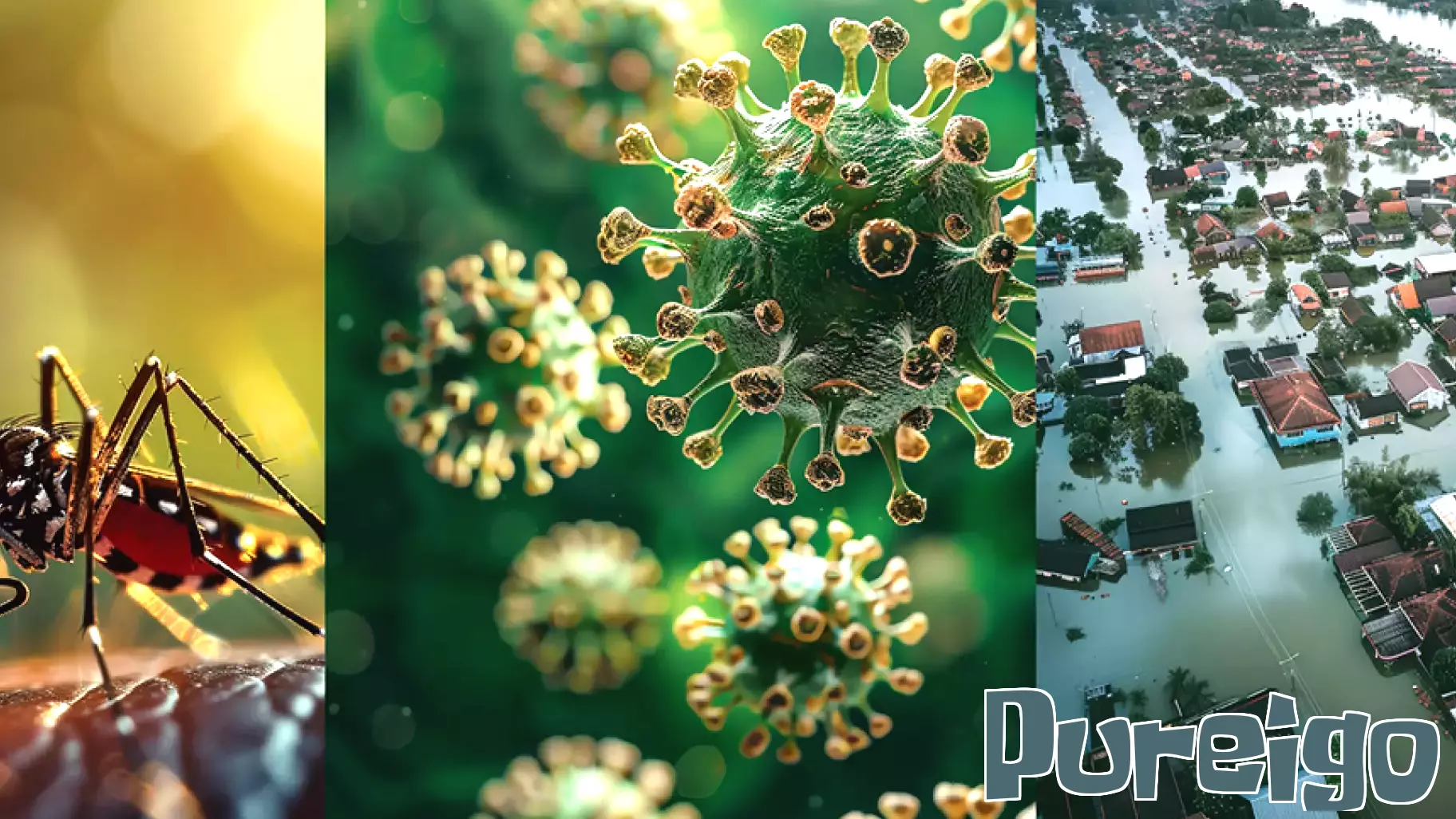
The analysis shows that climate hazards, disease outbreaks, and geophysical events are increasingly overlapping. These converging crises create compounding impacts on health systems and communities. More than half of the participating countries ranked flooding, cyclones, dengue, and pandemic-potential respiratory pathogens as high or very high risk. Antimicrobial resistance, landslides, and gastroenteritis remain widespread concerns.
Dr. Saia Ma'u Piukala, WHO Regional Director for the Western Pacific, said that because 51 percent of the assessed hazards are deeply interconnected, isolated health interventions are no longer enough. He pointed to extreme weather events like cyclones and floods that directly trigger disease outbreaks. Environmental degradation from sea-level rise, coastal erosion, and saltwater intrusion also fuels health risks across the Pacific.
WHO is recommending several priority actions. These include bridging workforce capacity gaps by embedding emergency preparedness in academic programs. Countries should also foster multisectoral coordination through formal contingency plans and standard operating procedures that are regularly updated and tested. Sustainable financing for emergencies must be secured, and emergency management should be integrated into primary health care. Inclusive planning that involves vulnerable communities is essential, along with updating risk communication strategies to align with seasonal risk calendars.
The Asia-Pacific region already has dedicated clinicians, laboratory staff, rapid response teams, and community networks. But these components must work together more cohesively. WHO is advancing regional workforce capacities through the Global Health Emergency Corps initiative, supported by the Gates Foundation and Institute of Philanthropy. This effort aims to build a seamless network of emergency workers across borders and sectors.
Dr. Gina Samaan, Regional Emergency Director for WHO in the Western Pacific, stated that scaling up emergency workforce readiness is no longer optional. She called it the definitive factor that will determine how effectively the region safeguards health and protects lives in an increasingly unpredictable future.
MORE NEWS

July 22, 2026 - 10:35
NC Health News wins 10 awards in state press contestThe news organization`s staff brought home a strong showing in this year`s state press contest, earning three first-place awards, two second-place honors, and five third-place recognitions. The...

July 21, 2026 - 23:43
AdventHealth to take over Intermountain hospitals in Wheat Ridge, Brighton and LafayetteAdventHealth is set to take over daily operations at three Intermountain Health hospitals located in Wheat Ridge, Brighton, and Lafayette. The two health systems announced the transition through a...

July 21, 2026 - 03:12
VHC Health’s plans for S. Carlin Springs facility face questions from local residentsFuture neighbors of a planned behavioral-health and rehabilitation compound on S. Carlin Springs Road are pressing for more details about management and oversight. Representatives of VHC Health and...
July 20, 2026 - 16:20
At least 930 people have died in Congo's Ebola outbreakCongo`s health ministry has reported that the ongoing Ebola outbreak has now killed at least 930 people. The update marks a grim milestone in the country`s struggle to contain the virus, which has...