Misguided Health Fears Fuel Growing Opposition to Solar Energy Across America
April 24, 2026 - 16:58
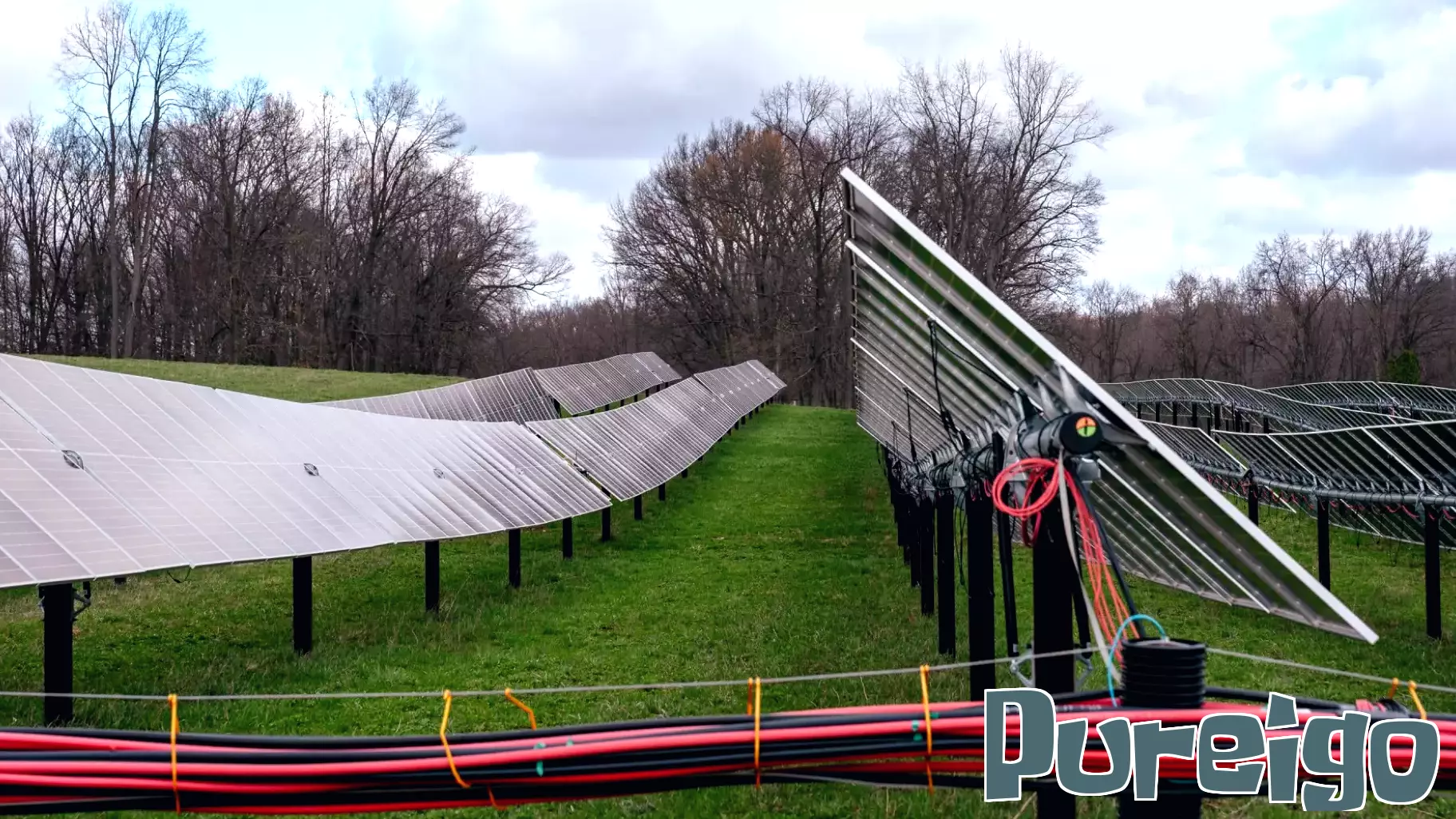
Across the United States, a rising tide of local opposition is threatening the rapid expansion of solar energy infrastructure, driven largely by scientifically unsupported health claims. Critics are increasingly pressuring public officials to halt or delay new solar projects, citing concerns that range from electromagnetic fields to toxic material leaks, despite a broad consensus among health experts that these risks are negligible or nonexistent.
In rural counties and suburban towns alike, community meetings have become battlegrounds where residents voice fears that solar panels cause cancer, that inverters emit harmful radiation, or that the panels themselves leach chemicals into groundwater. These anxieties, often amplified by misleading social media posts and local advocacy groups, have led to moratoriums on solar farm approvals in places like Ohio, Virginia, and New York. One common claim—that photovoltaic systems produce "dirty electricity" linked to headaches and fatigue—has been repeatedly debunked by the World Health Organization and the American Cancer Society, which state that solar panel electromagnetic fields are far below levels known to cause harm.
The backlash has real consequences. In 2023 alone, at least a dozen large-scale solar projects were delayed or canceled due to health-related protests, according to industry data. Renewable energy developers now routinely budget for months of community outreach to counter misinformation. "We have to spend as much time explaining that solar panels don't cause leukemia as we do discussing kilowatt-hours," one project manager noted.
Public health officials warn that these unfounded fears could slow the transition away from fossil fuels, which are proven contributors to respiratory illness and climate change. While legitimate concerns about land use and visual impact deserve consideration, experts emphasize that the current wave of health-based opposition is not grounded in evidence. As one epidemiologist put it, "The real health risk is not solar panels—it's the pollution from the coal and gas they would replace."
MORE NEWS

July 23, 2026 - 03:37
US regulators to weigh controversial peptides backed by RFK JrU.S. regulators are preparing to evaluate a class of controversial peptides that have gained a passionate following, partly due to endorsements from Robert F. Kennedy Jr. The compounds, often sold...

July 22, 2026 - 10:35
NC Health News wins 10 awards in state press contestThe news organization`s staff brought home a strong showing in this year`s state press contest, earning three first-place awards, two second-place honors, and five third-place recognitions. The...
July 21, 2026 - 23:43
AdventHealth to take over Intermountain hospitals in Wheat Ridge, Brighton and LafayetteAdventHealth is set to take over daily operations at three Intermountain Health hospitals located in Wheat Ridge, Brighton, and Lafayette. The two health systems announced the transition through a...

July 21, 2026 - 03:12
VHC Health’s plans for S. Carlin Springs facility face questions from local residentsFuture neighbors of a planned behavioral-health and rehabilitation compound on S. Carlin Springs Road are pressing for more details about management and oversight. Representatives of VHC Health and...