Using Yoga to Cultivate Patience and Resilience
5 March 2026
In today’s go-go-go world, patience and resilience often feel like rare superpowers. Between frustrating commutes, unexpected life curveballs, and the endless pressure to do more, faster—it's no wonder so many of us feel like we’re running on empty. But what if I told you that a regular, simple practice could help you not only handle life’s chaos but actually thrive in it?
Yep, I’m talking about yoga.
No, you don’t have to twist yourself into a pretzel or chant under a waterfall. Just a few mindful movements and intentional breaths can completely shift your mindset. Let’s dig into how using yoga to cultivate patience and resilience can change how you show up for yourself—and for life.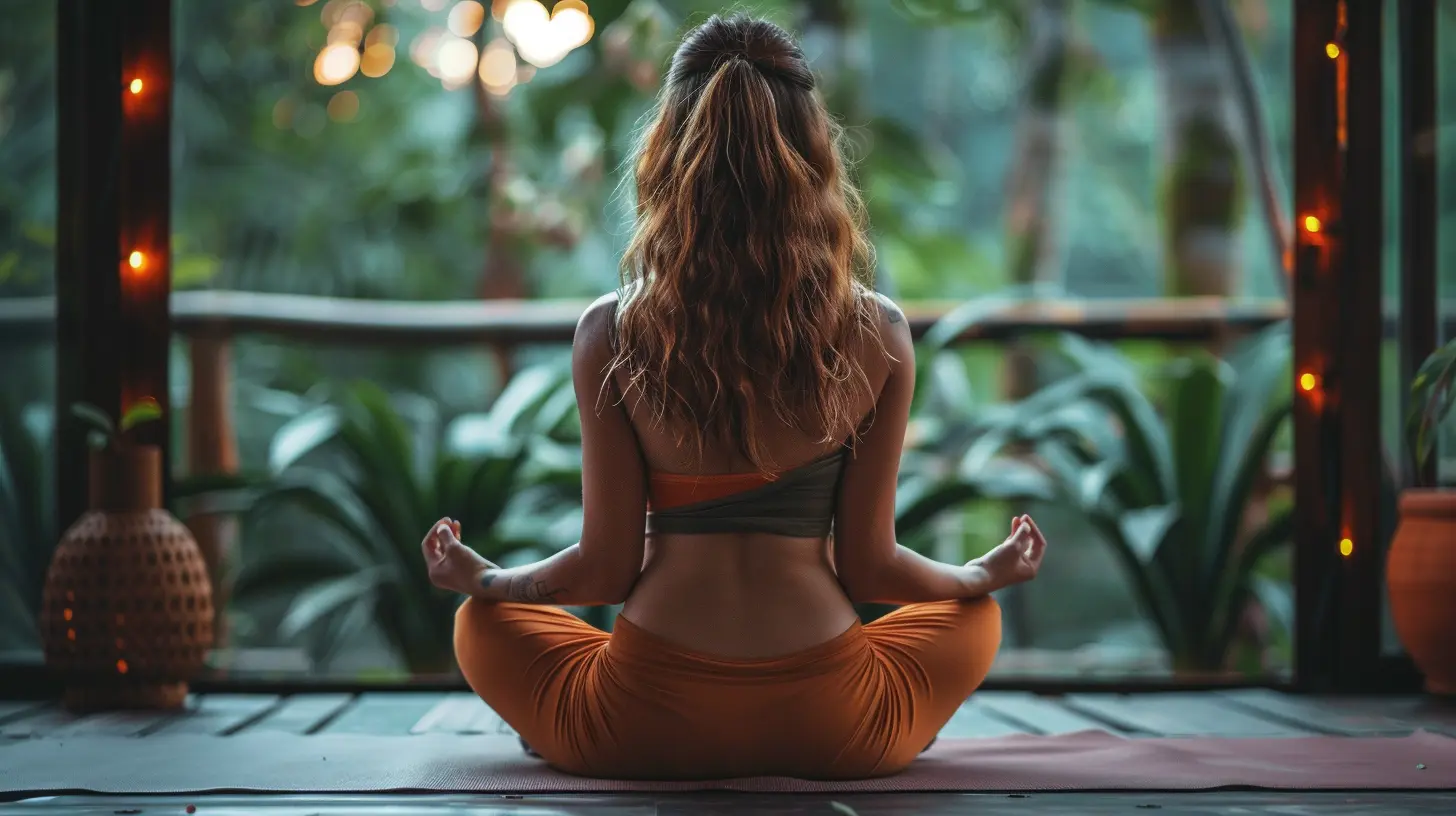
What Do We Mean by "Patience and Resilience"?
Let’s break it down.Patience is more than just waiting without getting annoyed. It's about staying calm when things don’t happen as quickly or smoothly as we’d like. It’s the deep breath before reacting, the pause before the panic.
Resilience, on the other hand, is your bounce-back muscle. It helps you recover after you’ve been knocked down. Whether it’s a bad breakup, job loss, or just a rough day, resilience is what helps you get back up, stronger and smarter.
Together, patience and resilience are like the yin and yang of emotional well-being. And guess what? Yoga just so happens to be one of the best ways to build both.
How Yoga Builds Patience (One Pose at a Time)
Ever held a plank longer than you expected? Or stayed in pigeon pose while your hip begged for mercy? That’s yoga teaching you patience—without saying a word.1. Teaches You to Stay Present
When you’re focusing on your breath and how your body feels in a pose, your mind naturally slows down. You shift from “I need to get out of this pose now” to “I’m okay here, let’s just breathe through it.”That right there? That’s patience in action.
2. Builds Mental Tolerance
Things don’t always work out the way we plan—on the mat or in life. Sometimes your balance is off, sometimes your back feels tight. Yoga teaches you to keep showing up, even when it's not perfect.Over time, you stop sweating the small stuff.
3. Develops a Non-Reactive Mindset
You know that moment in yoga when your teacher says, “Hold for five more breaths,” and you want to scream? That’s your practice space for learning how to respond, not react.Pausing. Breathing. Observing. These habits leak off the mat into your real life, making daily frustrations way easier to handle.
Resilience Gets Stronger with Every Breath
Short-term patience is one thing. But resilience? That’s long-term toughness—and yoga’s got your back here too.1. Builds Emotional Awareness
Yoga connects you to your inner world. As you flow and breathe, emotions might bubble up—anger, sadness, fear. Instead of pushing them away, yoga invites you to feel them, acknowledge them, and let them pass.This emotional honesty makes you stronger, not weaker.
2. Encourages Self-Compassion
You’re not going to nail every pose. Some days, even child’s pose feels hard. Yoga teaches you to meet yourself where you are. That kind, forgiving voice you develop? It's a massive part of resilience.3. Strengthens the Mind-Body Connection
The physical effort you put into yoga—holding, stretching, breathing—builds your body. But as your physical strength grows, so does your mental strength. You begin to realize, “Hey, I can do hard things.”When life gets tough, you've been there before. On your mat.
Specific Yoga Practices That Cultivate Patience and Resilience
If you’re wondering where to start or what flows work best—no worries. You don’t need a 90-minute class with dolphins singing in the background. Here are some simple but powerful yoga practices that support patience and resilience.1. Slow Flow Vinyasa
This is where you move with your breath, but intentionally slower. It encourages mindfulness, builds heat, and demands focus. You’re training your brain to be okay with “slow” and “steady.”Try This: Sun Salutations (Surya Namaskar) at half the usual speed. Match each movement with a full inhale or exhale.
2. Yin Yoga
This is the king (or queen!) of patience. You hold each pose for 3–5 minutes, sometimes longer. It's quiet, deep, and often uncomfortable—but in the best way.Great For: Hips, hamstrings, spine—and anyone who struggles to “just sit still.”
3. Pranayama (Breathwork)
Your breath is your secret weapon. Learning to control it helps you regulate your emotions and nervous system.Simple Practice: Try box breathing—inhale for 4 counts, hold for 4, exhale for 4, hold for 4. Do that for five minutes and see how different you feel.
4. Meditation (Yes, It Counts as Yoga!)
A quiet mind doesn’t happen overnight. It’s a muscle you build like biceps. Even five minutes of meditation can make you more patient and resilient.Tip: Use a guided meditation if you’re new. Apps like Insight Timer or Headspace can make it less intimidating.
Real-Life Benefits Off the Mat
You might be thinking, “Okay, but how does this really help me when my child throws a tantrum or my boss piles on more work?”Glad you asked.
1. Better Reactions, Fewer Regrets
With regular yoga practice, your reactions become slower and more intentional. That means fewer snap responses and more thoughtful ones. You learn to pause, think, and then act.2. Improved Emotional Recovery
Life doesn’t stop throwing punches. But yoga gives you the tools to bounce back faster. You stop spiraling and start responding with clarity and calm.3. Stronger Confidence
There’s something seriously empowering about doing a pose you thought was impossible. It’s not just about touching your toes—it’s about proving to yourself that you’re adaptable, strong, and deeply capable.4. Better Relationships
Patience and resilience make you a better listener, a more thoughtful partner, and a supportive friend. When you’re grounded in yourself, you’re more available to others.Tips to Start Using Yoga for Patience and Resilience
Don’t overthink it. Getting started is easier than you think.1. Keep It Simple
A 10-minute flow and 2 minutes of breathwork can work wonders. This isn’t about doing it all—it’s about doing something consistently.2. Don’t Judge Your Practice
Some days will feel connected, others will feel sloppy. That’s okay. The magic happens in the showing up, not the perfection.3. Find a Teacher or App You Love
Connection to your teacher’s voice or style can make or break your experience. Shop around until you find someone who feels supportive and inspiring.4. Track Your Emotional Growth
Notice how you handle stress now versus a few weeks into your practice. Keep a journal or mental log. Seeing your progress can build even more confidence.Final Thoughts: Yoga as a Lifelong Companion
Yoga isn’t just another wellness trend—it’s a time-tested, soul-nourishing path to greater patience and deeper resilience. It doesn’t require expensive gear or a fancy studio. It just asks for your presence—however imperfect it may be.Life’s going to throw stuff your way, no doubt about it. But yoga helps you meet it with grace, breathe through the discomfort, and come out the other side stronger.
So the next time life tests your patience or shakes your foundation, roll out your mat. You already have everything you need to meet the moment.
Trust your breath. Trust your body. Trust yourself.
all images in this post were generated using AI tools
Category:
YogaAuthor:

Laurie Barlow
Discussion
rate this article
2 comments
Azura Montgomery
Yoga is a powerful tool for enhancing patience and resilience. Through mindful breathing and focused practice, we learn to embrace challenges and develop a deeper sense of inner calm. Incorporating regular yoga sessions can help transform our reactions to stress, fostering a more balanced and patient mindset in daily life.
March 11, 2026 at 4:29 PM
Laurie Barlow
Thank you for highlighting the transformative benefits of yoga! Your insights on mindful breathing and practice truly encapsulate how it fosters patience and resilience in our daily lives.
Zevan Phelps
Yoga truly strengthens patience and resilience over time.
March 5, 2026 at 3:35 AM
Laurie Barlow
Thank you! I'm glad you found that aspect of yoga meaningful. It really does foster those qualities beautifully.