The Power of Polyunsaturated Fats for Reducing Cholesterol
2 May 2026
When it comes to heart health, cholesterol is often the bad guy. We hear about how too much can clog arteries, lead to heart disease, and increase the risk of stroke. But what if I told you that not all fats are villains, and some can actually help lower cholesterol? That’s where polyunsaturated fats come in—your heart’s best friend when it comes to keeping those cholesterol levels in check!
In this article, we'll break down what polyunsaturated fats are, how they work their magic on cholesterol, and which foods you should be eating to reap their benefits.
What Are Polyunsaturated Fats?
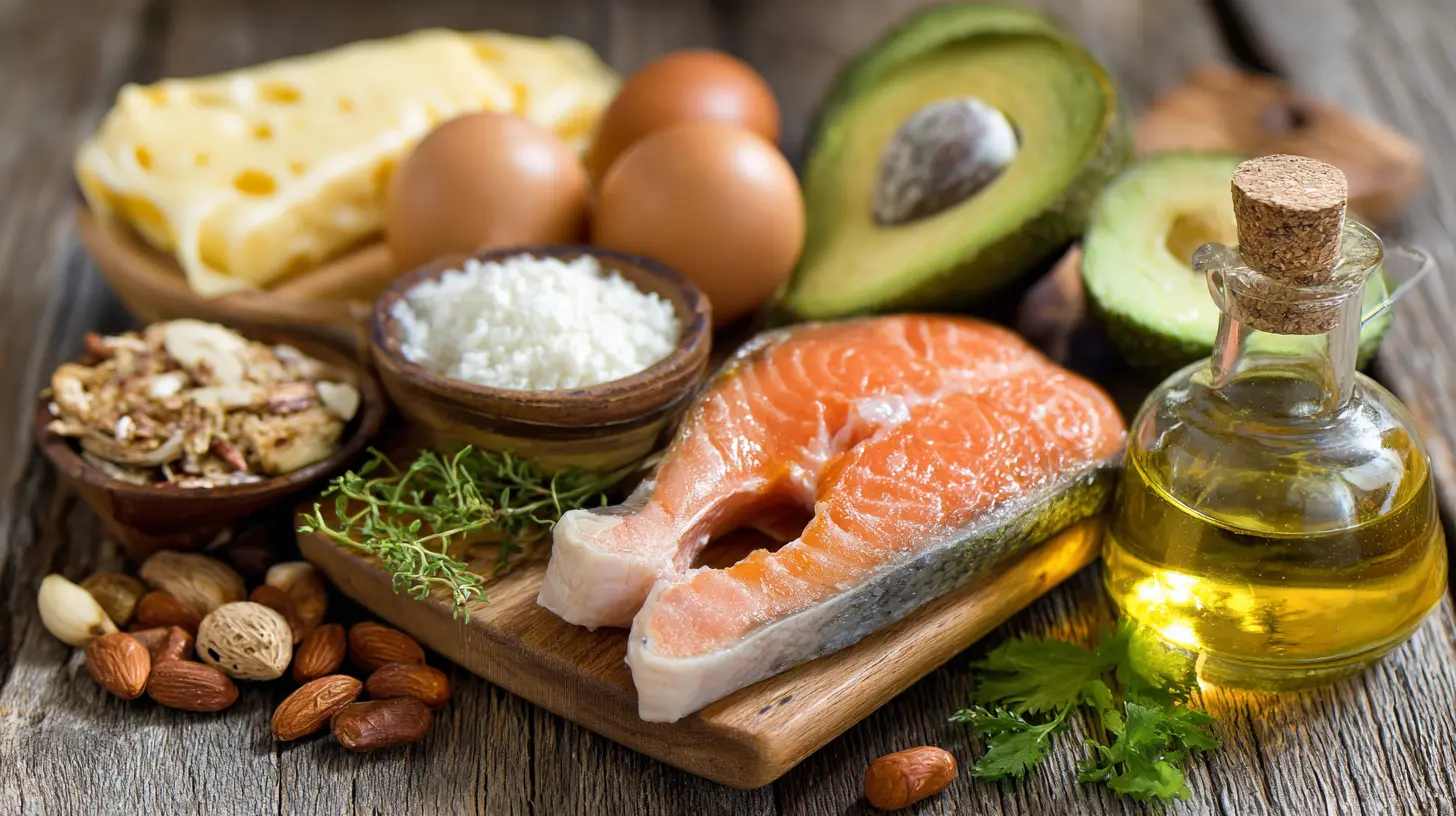
Let’s start with the basics. Fats are not created equal. Some are bad for your heart, like trans fats and excessive saturated fats, while others, like polyunsaturated fats, are actually beneficial.Polyunsaturated fats are a type of unsaturated fat that remains liquid at room temperature. They are essential fats, meaning your body can’t produce them on its own, so you have to get them from your diet. These fats are found in certain plant-based oils, nuts, seeds, and fatty fish.
But what makes them so special? Well, they contain two superstar fatty acids:
1. Omega-3 Fatty Acids – Found in fish, flaxseeds, and walnuts, these fats are excellent for heart health and brain function.
2. Omega-6 Fatty Acids – Present in vegetable oils, nuts, and seeds, they play a crucial role in cell function and growth.
Both of these fatty acids contribute to lowering bad cholesterol (LDL) and improving overall heart health.
How Polyunsaturated Fats Help Reduce Cholesterol
Now, let’s get to the million-dollar question—how exactly do polyunsaturated fats lower cholesterol? Here’s the science in simple terms:1. Lower LDL ("Bad") Cholesterol
LDL cholesterol is the type that builds up in your arteries, forming plaques that can lead to heart disease. Studies show that replacing saturated and trans fats with polyunsaturated fats can significantly reduce LDL levels. It’s like swapping out a clunky old diesel engine for a smooth, eco-friendly hybrid—you get better performance with less damage.2. Increase HDL ("Good") Cholesterol
HDL cholesterol acts like a vacuum cleaner, swooping in and carrying excess cholesterol away from the arteries and back to the liver, where it gets flushed out. Polyunsaturated fats help raise HDL levels, keeping your heart’s "clean-up crew" strong and effective.3. Reduce Triglycerides
Triglycerides are another type of fat in your blood, and high levels can increase the risk of heart disease. Omega-3 fatty acids, in particular, are powerful in reducing triglyceride levels, making them an essential part of a heart-friendly diet.4. Combat Inflammation
Chronic inflammation is a silent culprit behind many heart diseases. Omega-3s, a key component of polyunsaturated fats, have strong anti-inflammatory properties, reducing the risk of plaque buildup in the arteries.5. Improve Blood Vessel Function
Healthy fats contribute to flexible, well-functioning blood vessels. They help maintain smooth blood flow and prevent clot formation, which drastically reduces the risk of heart attacks and strokes.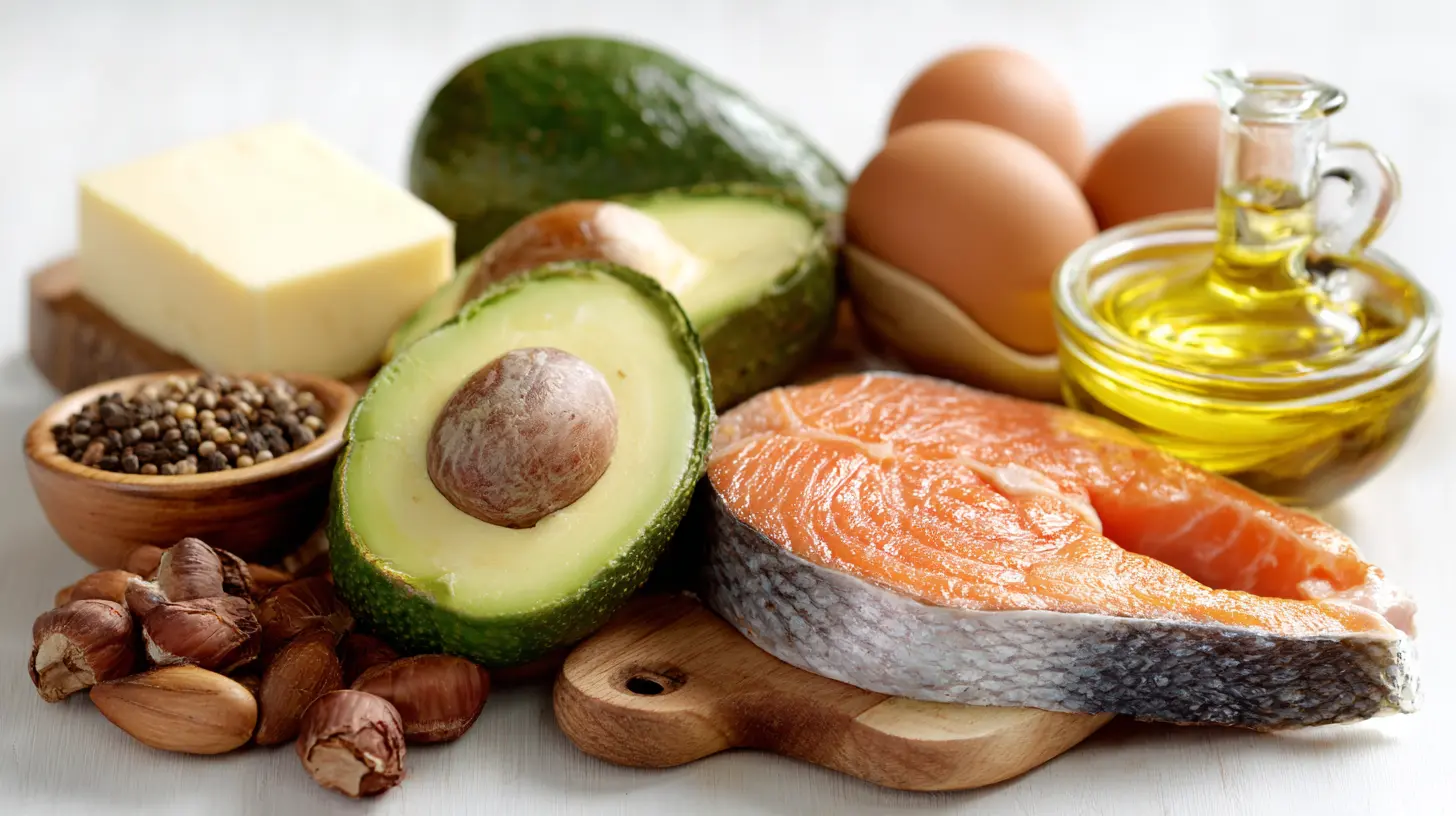
Best Sources of Polyunsaturated Fats
Now that we know how fantastic these fats are, let’s talk about the best food sources.1. Fatty Fish
Fatty fish is one of the best sources of omega-3 fatty acids. Aim to include these in your diet at least twice a week:- Salmon
- Mackerel
- Sardines
- Tuna
- Trout
2. Nuts and Seeds
These are packed with healthy fats, protein, and fiber. A handful a day can do wonders for your heart:- Walnuts
- Flaxseeds
- Chia seeds
- Sunflower seeds
- Almonds
3. Plant-Based Oils
Switching to heart-healthy oils can be one of the easiest ways to increase your intake of polyunsaturated fats:- Flaxseed oil
- Sunflower oil
- Safflower oil
- Canola oil
- Soybean oil
4. Avocados
Though they are better known for their monounsaturated fats, avocados contain a mix of beneficial fats that contribute to heart health.5. Tofu and Soy Products
Soy-based foods like tofu and edamame are excellent, plant-based options packed with polyunsaturated fats.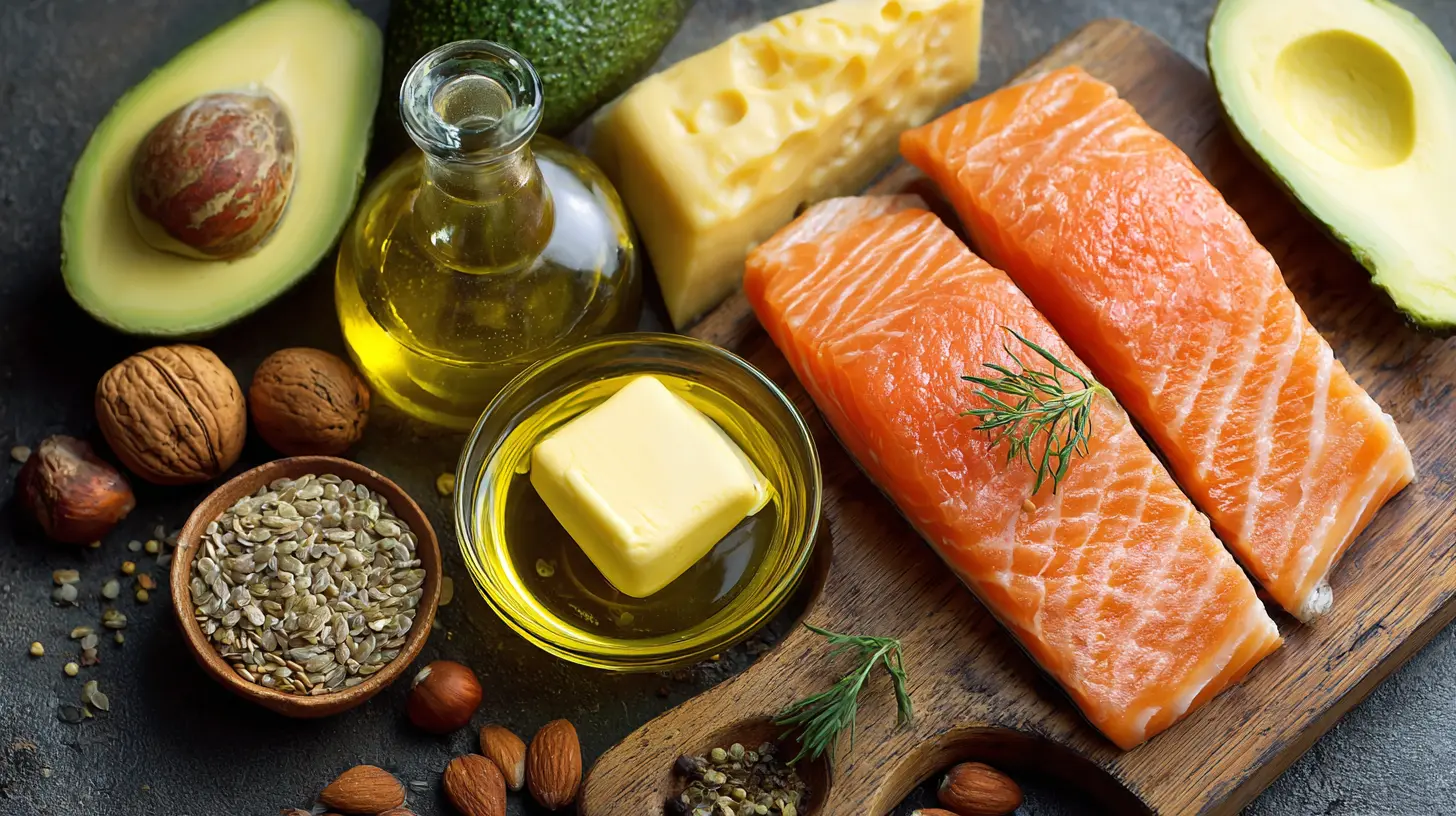
How to Incorporate More Polyunsaturated Fats into Your Diet
So, how can you make sure you're getting enough of these heart-friendly fats? Here are some easy swaps and tips to boost your intake:- Swap butter for plant-based oils – Instead of butter, try cooking with olive, flaxseed, or sunflower oil.
- Snack on nuts – Grab a handful of walnuts or almonds instead of reaching for chips or candy.
- Go for fatty fish – Make salmon or mackerel a regular addition to your meal plan.
- Add seeds to your meals – Sprinkle flaxseeds or chia seeds into your smoothies, yogurt, or oatmeal.
- Choose healthier spreads – Instead of margarine, try natural nut butters with no added sugar or hydrogenated oils.
Are There Any Risks?
While polyunsaturated fats are incredibly beneficial, moderation is key. Overconsumption, especially of omega-6 fatty acids, can contribute to inflammation when not balanced with omega-3s. The trick is to aim for a healthy ratio between the two.Also, be mindful of the quality of oils. Hydrogenated and refined oils often contain trans fats, which can do more harm than good. Stick to natural sources like nuts, seeds, and fresh fish whenever possible.
The Bottom Line
Polyunsaturated fats are a game-changer when it comes to lowering cholesterol and improving heart health. Unlike their unhealthy counterparts—saturated and trans fats—these fats work to reduce bad cholesterol, increase good cholesterol, and keep your arteries in top shape.By making simple swaps in your diet, like trading butter for healthy oils, eating more fatty fish, and snacking on nuts and seeds, you can take control of your cholesterol levels and protect your heart for the long haul.
So, why not start today? Your heart will thank you for it!
all images in this post were generated using AI tools
Category:
Healthy FatsAuthor:

Laurie Barlow
Discussion
rate this article
2 comments
Darrow Bryant
Fat chance, but try!
May 14, 2026 at 3:20 AM
Laurie Barlow
Thanks for the encouragement! Every step counts in improving heart health.
Lucy Lynch
Polyunsaturated fats are often overlooked, but they can make a real difference in heart health. Incorporating sources like fish and nuts into your diet is a smart move for lowering cholesterol.
May 5, 2026 at 2:27 PM
Laurie Barlow
You're absolutely right! Including fish and nuts is an easy way to boost heart health. Thanks for highlighting this important point.