How Organic Foods Affect Your Gut Health
9 December 2025
Introduction
Have you ever thought about how the food you eat impacts your gut? Your digestive system is home to trillions of bacteria, both good and bad, that play a crucial role in your overall health. The question is, does eating organic food make a difference?
In recent years, organic foods have surged in popularity, promising better nutrition, fewer chemicals, and improved health. But do they really influence gut health in a meaningful way? Let's dive deep into how organic foods affect your gut and why they might be worth the investment. 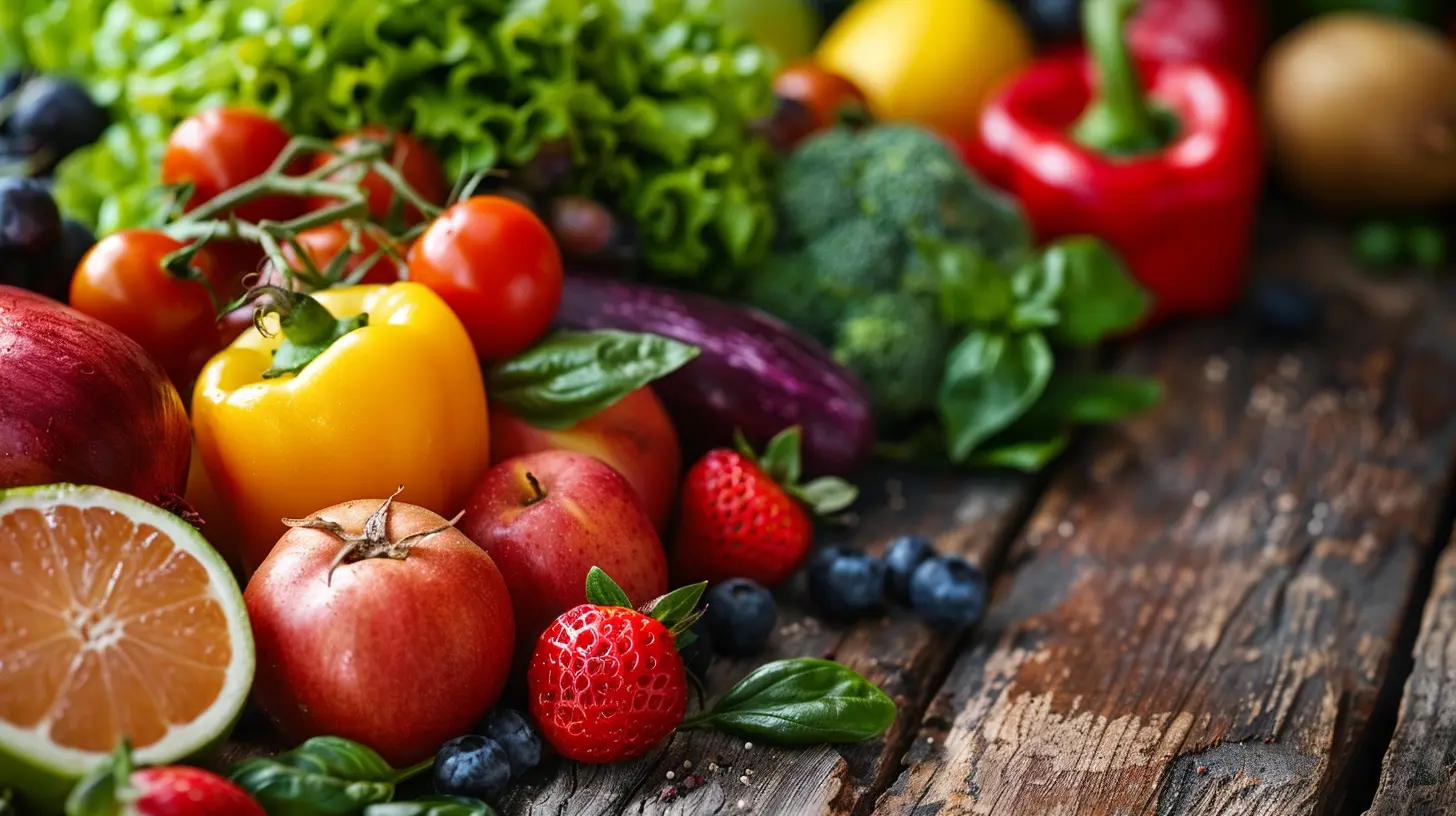
What Is Gut Health and Why Does It Matter?
Your gut isn't just about digestion—it's like your body's control center. The gut microbiome, composed of bacteria, fungi, and other microorganisms, plays a significant role in:- Digesting food and absorbing nutrients
- Regulating the immune system
- Producing essential vitamins
- Influencing mental health through the gut-brain connection
A balanced gut means fewer digestive problems, better energy levels, and even improved mental clarity. But when things go wrong, it can lead to issues like bloating, inflammation, and even chronic illnesses. That’s why keeping your gut in top shape is a big deal. 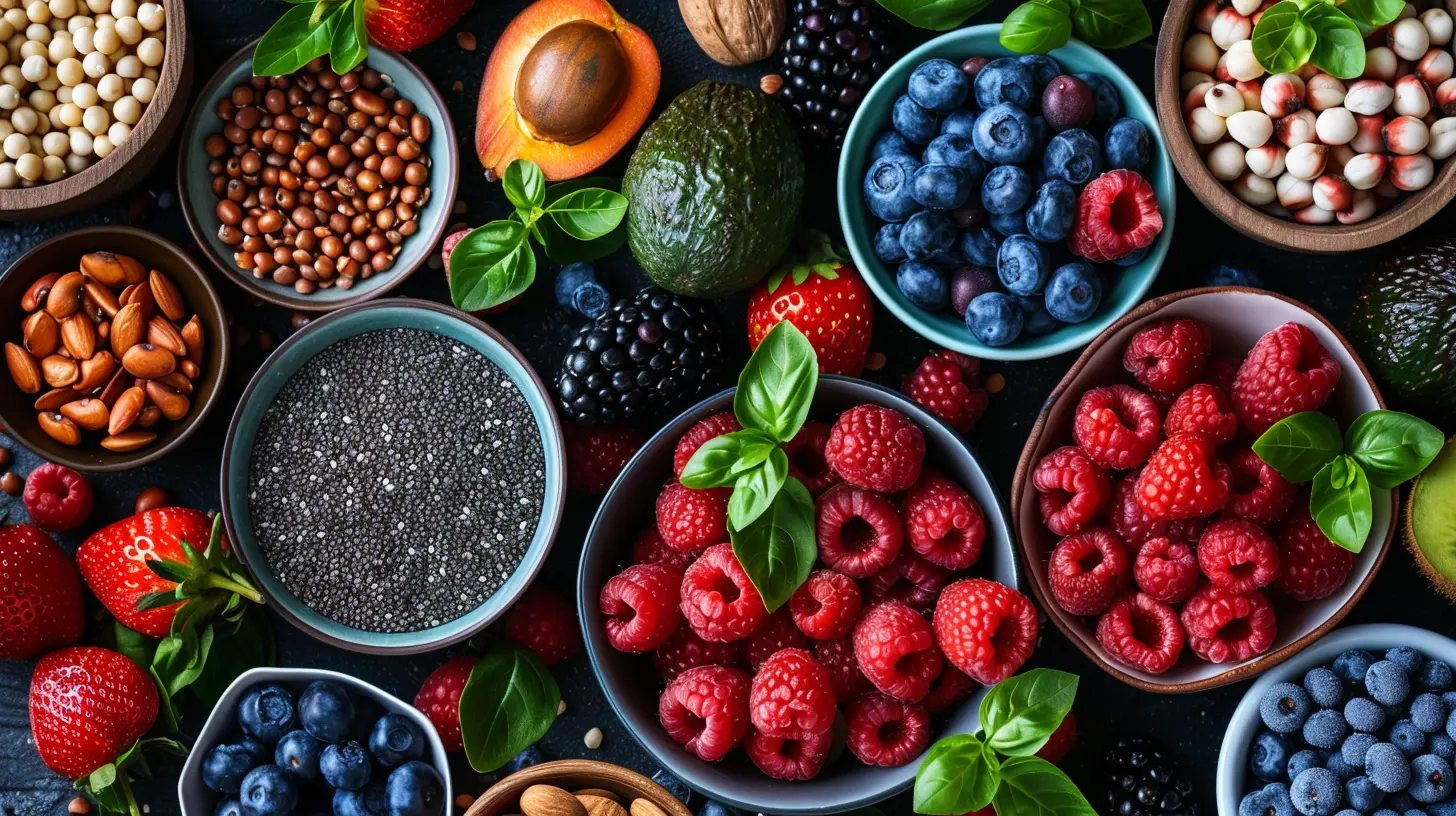
How Organic Foods Differ from Conventional Foods
When we talk about organic foods, we mean produce and animal products grown without synthetic pesticides, herbicides, antibiotics, or genetically modified organisms (GMOs). Organic farming focuses on natural fertilizers, crop rotation, and sustainable practices that promote healthier soil.On the other hand, conventional farming practices often involve:
- Synthetic fertilizers and pesticides
- Antibiotics and growth hormones in livestock
- Genetically modified crops designed for higher yields
These differences in farming methods have a direct impact on the composition of the foods we eat—and ultimately, on our gut health. 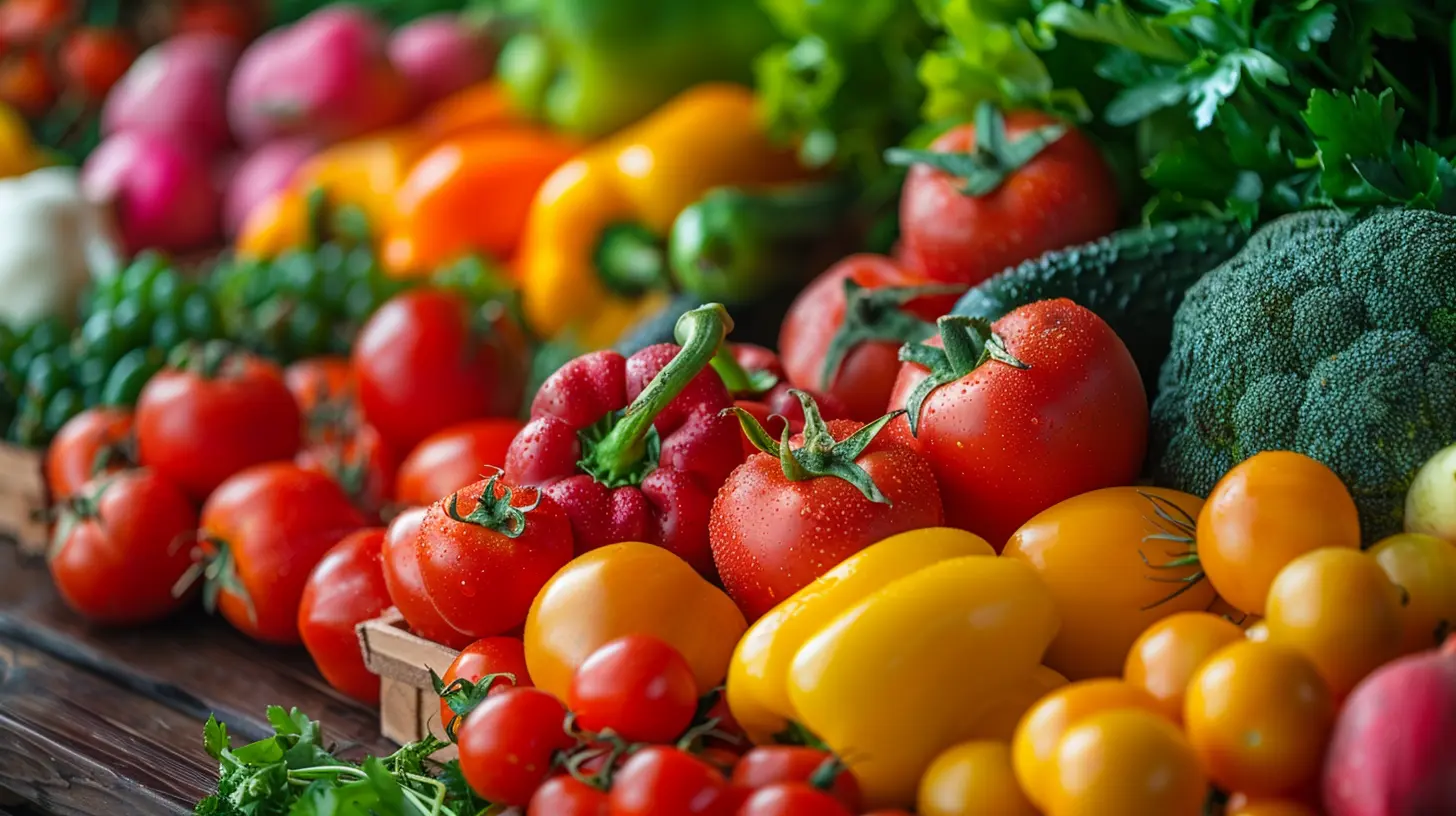
The Impact of Organic Foods on Gut Health
1. Higher Levels of Beneficial Nutrients
Organic foods tend to have higher levels of certain nutrients, including antioxidants and polyphenols. These compounds help feed the good bacteria in your gut, promoting a diverse and thriving microbiome.For example, organically grown fruits and vegetables have been found to contain higher levels of flavonoids and phenolic compounds, which act as prebiotics—fuel for beneficial gut bacteria.
2. Fewer Pesticide Residues
One of the biggest concerns with conventional food is pesticide residue. Many pesticides used in conventional farming interfere with gut bacteria, potentially reducing microbial diversity.Studies suggest that long-term exposure to pesticides can disrupt the gut microbiome, leading to conditions like:
- Inflammatory bowel disease (IBD)
- Irritable bowel syndrome (IBS)
- Leaky gut syndrome
Opting for organic foods can significantly reduce your exposure to these chemicals, supporting a healthier gut environment.
3. Less Exposure to Antibiotics and Hormones
Conventional livestock is often treated with antibiotics to promote growth and prevent disease. While this might seem like a good thing for farming efficiency, it has unintended consequences for human health.Overuse of antibiotics in food can contribute to:
- Antibiotic resistance
- Disruption of gut bacteria balance
- Increased risk of infections and inflammation
Organic dairy, eggs, and meats come from animals raised without antibiotics or synthetic hormones, making them a safer choice for maintaining a balanced gut microbiome. 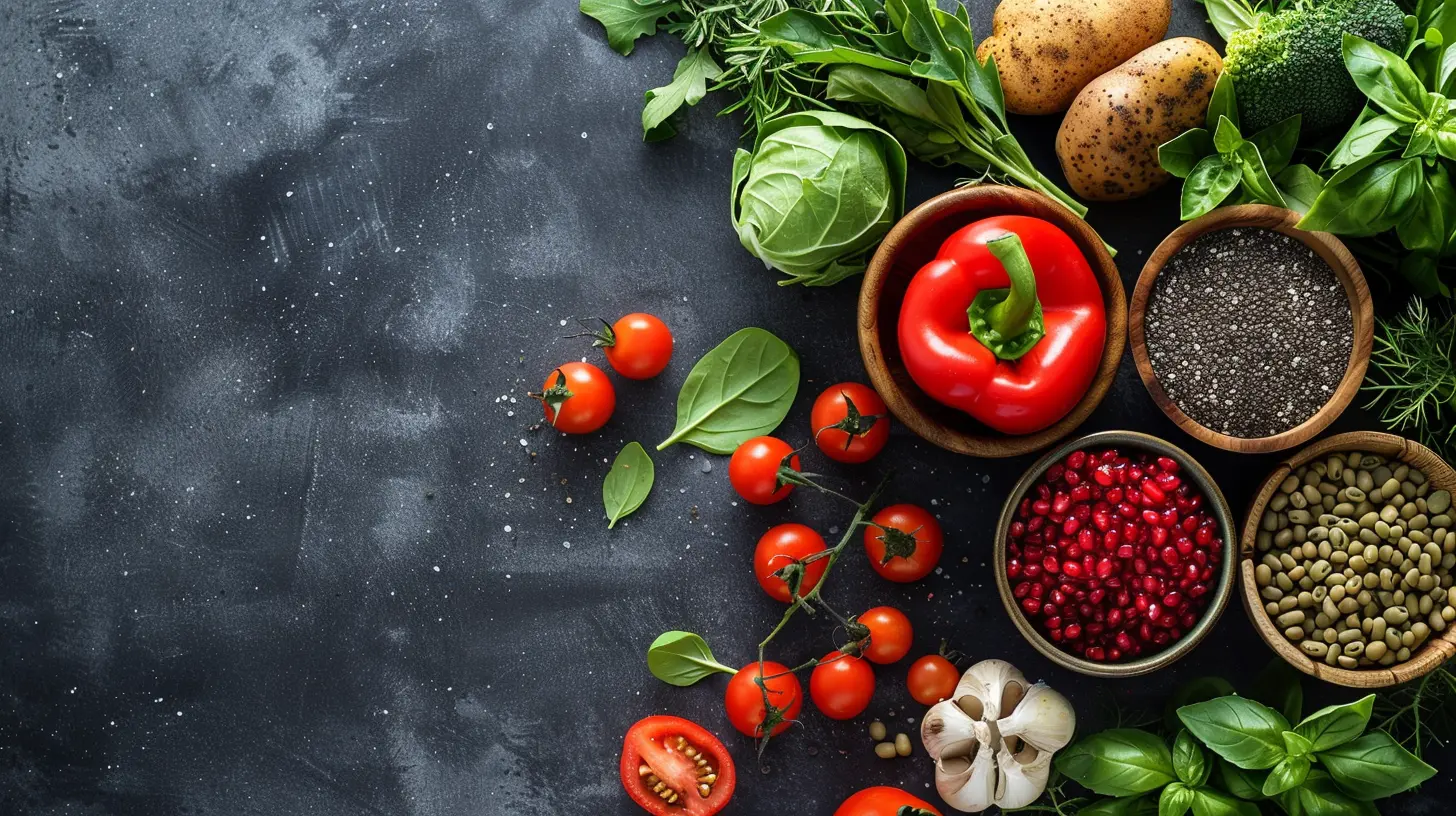
Fermented Organic Foods: A Gut Health Supercharger
If you really want to take your gut health to the next level, adding fermented organic foods to your diet can work wonders. Fermented foods contain natural probiotics, which are live bacteria that help maintain a healthy gut environment. Some great options include:- Organic yogurt and kefir (rich in probiotics like Lactobacillus and Bifidobacterium)
- Kimchi and sauerkraut (loaded with beneficial bacterial strains)
- Kombucha (a fermented tea packed with probiotics and antioxidants)
- Miso and tempeh (great plant-based sources of gut-friendly bacteria)
By consuming these fermented organic foods, you're not just avoiding harmful chemicals but also actively improving your microbiome.
How Organic Fiber Supports Your Gut
Fiber is the unsung hero of gut health. It acts as food for good bacteria, helping them grow and thrive. Organic produce, legumes, and whole grains are rich in prebiotic fiber, which helps beneficial microbes flourish.Some of the best organic fiber sources include:
- Organic bananas (high in resistant starch, a prebiotic that feeds good bacteria)
- Organic oats (contain beta-glucans, which boost gut health)
- Organic onions and garlic (rich in inulin, a powerful prebiotic)
- Organic lentils and beans (full of fiber that supports digestion)
Ensuring you get enough organic fiber in your diet can help maintain a strong, resilient gut microbiome.
Do Organic Foods Prevent Gut Inflammation?
Gut inflammation is a root cause of many digestive disorders, including Crohn’s disease and ulcerative colitis. Several studies suggest that organic foods may help reduce inflammation due to:- Fewer pesticide residues that trigger gut irritation
- Higher antioxidant levels that combat oxidative stress
- A more diverse microbiome that supports immune regulation
While organic food alone won’t cure gut-related issues, it can certainly reduce the toxic load on your digestive system, giving it a better chance to heal and function properly.
Are Organic Foods Worth It for Gut Health?
Many people ask: Is eating organic really worth the cost? The short answer? It depends on your priorities.If gut health is a major concern for you, investing in organic foods can provide long-term benefits by:
- Reducing exposure to harmful pesticides
- Supporting a healthier gut microbiome
- Enhancing digestive function with natural prebiotics and probiotics
While going 100% organic may not be feasible for everyone, focusing on key organic staples—like leafy greens, berries, dairy, and meats—can make a significant difference.
Tips for Incorporating More Organic Foods into Your Diet
If you're ready to make the switch but don't know where to start, here are some practical tips:1. Prioritize the “Dirty Dozen” – Buy organic versions of foods that typically have the highest pesticide levels (like strawberries, spinach, and apples).
2. Shop at Farmers' Markets – Local organic produce is often fresher and more affordable.
3. Grow Your Own – Even small herb or vegetable gardens can provide pesticide-free food.
4. Buy in Bulk – Organic grains, beans, and nuts are often cheaper when purchased in bulk.
5. Choose Organic Dairy and Meat When Possible – These products tend to have the highest amount of antibiotics and hormones in conventional farming.
By gradually adding more organic foods into your meals, you’ll be taking meaningful steps toward better gut health.
Conclusion
Your gut is the foundation of your overall well-being, and what you eat directly influences its health. Choosing organic foods can support your microbiome by reducing exposure to harmful chemicals, boosting nutrient intake, and encouraging beneficial bacteria growth.While going fully organic may not be realistic for everyone, making small, intentional swaps can still have a profound impact. So next time you’re grocery shopping, consider adding a few more organic items to your cart—your gut will thank you!
all images in this post were generated using AI tools
Category:
Organic FoodsAuthor:

Laurie Barlow
Discussion
rate this article
2 comments
Delta McVicker
Great insights! Excited to improve my gut health!
December 14, 2025 at 4:10 AM
Laurie Barlow
Thank you! I'm glad you found the insights helpful. Wishing you all the best on your journey to better gut health!
Simone Wells
Embracing organic foods nurtures your gut health, boosting vitality and well-being. Small changes lead to big benefits!
December 13, 2025 at 5:34 PM
Laurie Barlow
Thank you for your insightful comment! Indeed, small dietary shifts toward organic foods can have significant positive impacts on gut health and overall wellness.