The Ultimate Guide to Total Body Flexibility by 2027
19 April 2026
Let’s be honest for a second. How many times have you bent down to pick up a sock and felt a symphony of pops and creaks? Or watched a child effortlessly fold themselves into a pretzel and thought, “I used to be able to do that… what happened?” If you’ve ever felt stiff, tight, or just generally locked up in your own body, you’re not alone. We live in a world of chairs, screens, and repetitive movements that slowly but surely steal our natural range of motion.
But what if I told you that by 2027—just a few short years from now—you could move with a newfound sense of ease, fluidity, and freedom? That bending, reaching, and moving could feel joyful again, not like a chore? This isn’t about becoming a contortionist. This is about reclaiming the functional, vibrant flexibility that is your birthright. This is your ultimate guide to making that a reality.
What Does "Total Body Flexibility" Really Mean?
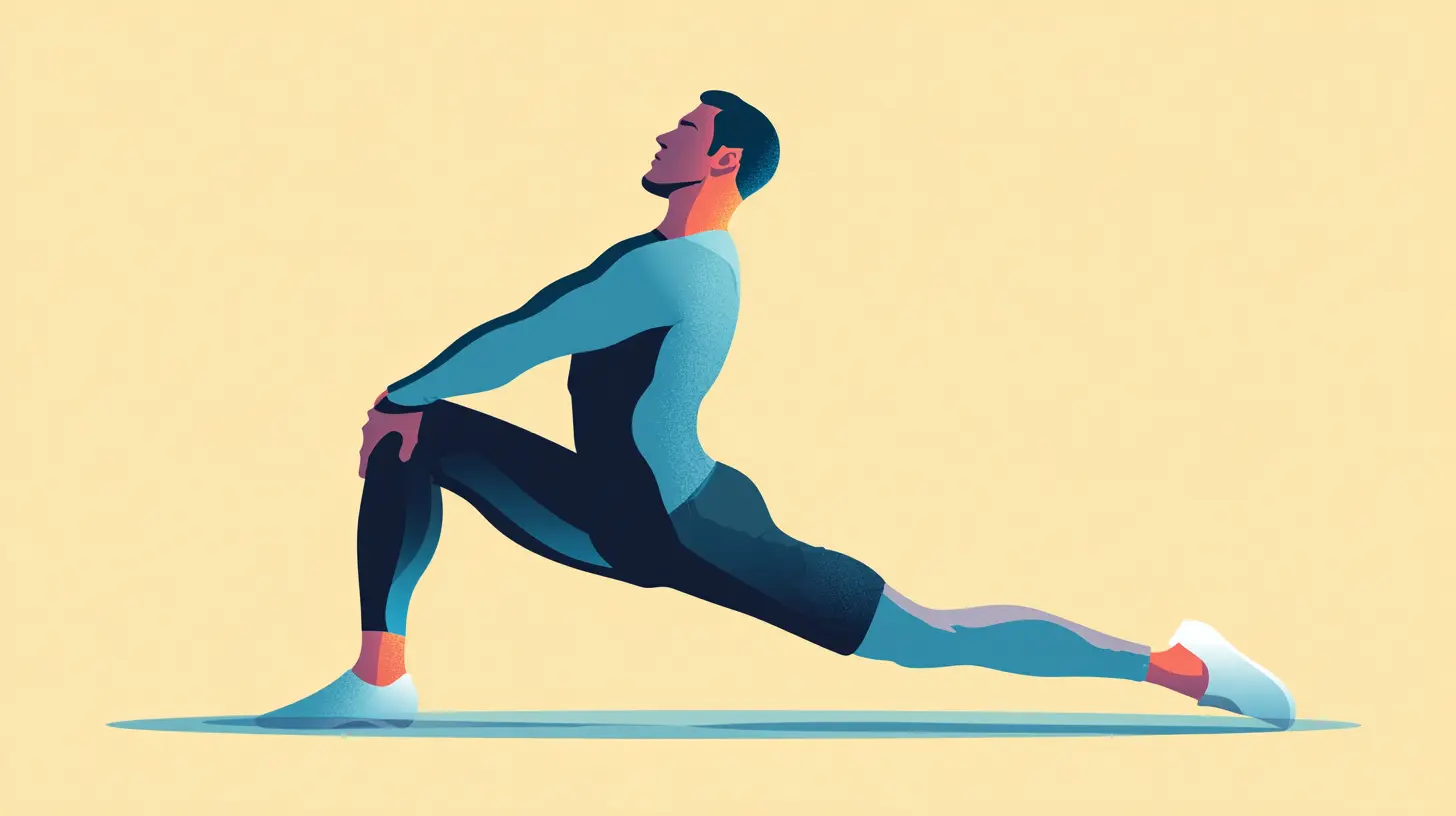
We often think of flexibility as being able to touch our toes or do the splits. But that’s a narrow view. Total body flexibility is so much more. It’s the harmonious ability of all your muscles, tendons, ligaments, and joints to work together through their full, intended range of motion. It’s your shoulders allowing you to reach that top shelf without a twinge. It’s your hips letting you stride confidently on a hike. It’s your spine twisting to check your blind spot smoothly.Think of your body like a brand-new, high-quality leather jacket. At first, it might be a little stiff, but with consistent, gentle wear, it softens, molds to you perfectly, and allows for easy, comfortable movement. Without care, it can dry out, crack, and become restrictive. Our bodies are the same. They adapt to what we do (or don’t do) most often. Sitting all day? Your body adapts to a seated position. Never rotating your spine? It forgets how.
The goal by 2027 isn’t perfection; it’s progression. It’s a journey from where you are now to a place of greater ease, resilience, and physical freedom.
The Pillars of Your Flexibility Foundation: It’s Not Just Stretching
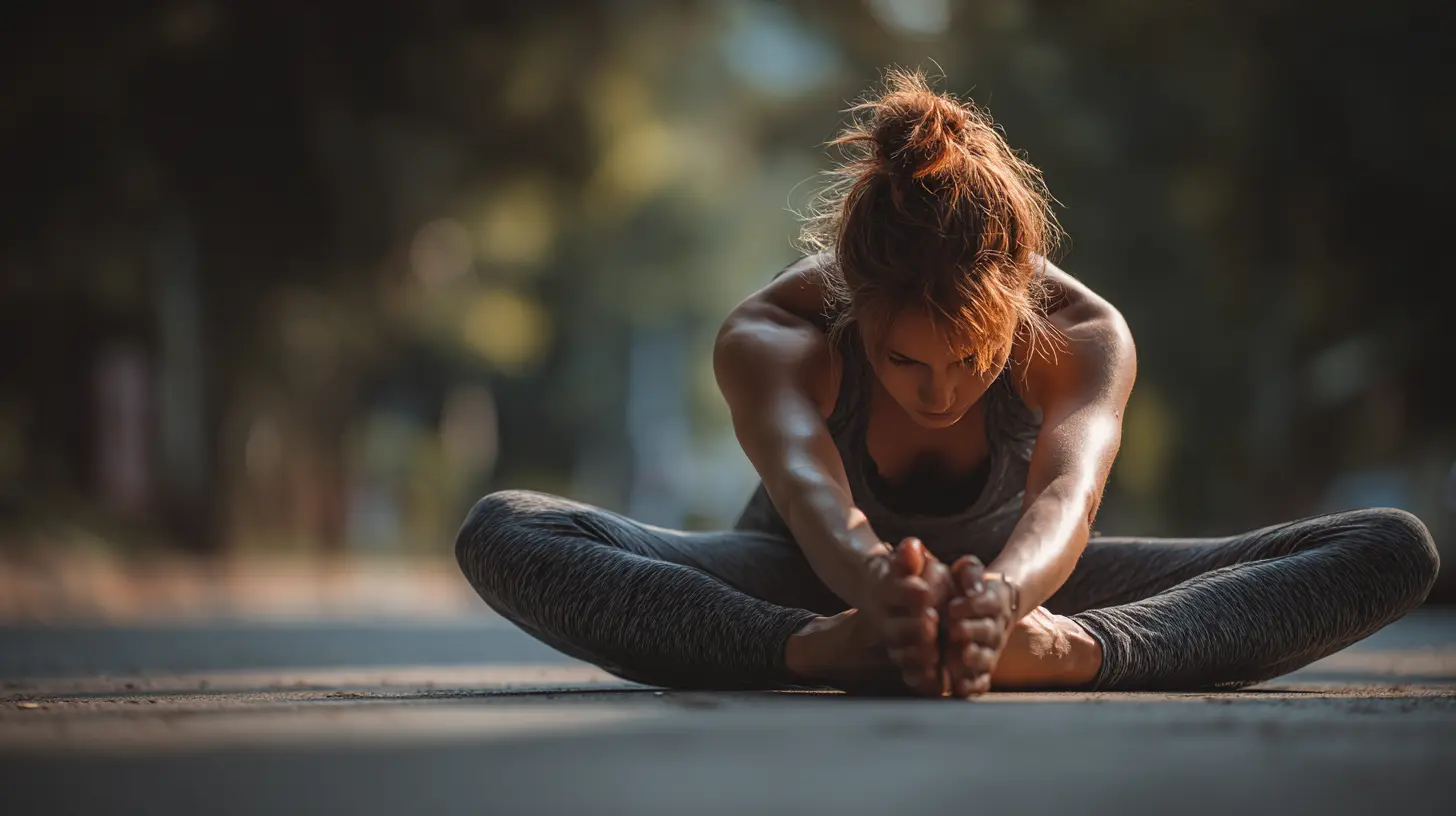
If you think this guide is just a list of stretches, hold on. Building lasting flexibility is like building a house. You need a solid foundation and multiple supporting pillars. Stretching is just one room in that house.Pillar 1: Consistency Over Intensity
The biggest myth is that you need to suffer through painful, hour-long stretching sessions. Nothing could be further from the truth. Flexibility is built by frequency, not force. A gentle 10-15 minute daily practice will get you miles further than a brutal, once-a-week marathon that leaves you sore and reluctant to continue. Your tissues adapt to regular, gentle persuasion, not occasional torture. Can you commit to a little, often?Pillar 2: Strength and Stability
Here’s a game-changer: flexibility without strength is just instability. What’s the point of having a wide range of motion if your muscles can’t control you in that new position? This is where active flexibility comes in. It’s the difference between passively pulling your leg up with a strap (passive) and being able to lift and hold it there using your own muscle power (active). Incorporating strength training—especially through compound movements and bodyweight exercises—builds the “brakes” and “engines” that make your new flexibility safe and usable.Pillar 3: Hydration and Nutrition
Your muscles are like sponges. A dry, dehydrated sponge is brittle and cracks easily. A well-hydrated sponge is pliable and resilient. Water is the primary lubricant for your connective tissues. Similarly, what you eat matters. Nutrients like magnesium (found in leafy greens, nuts), omega-3s (in fatty fish, flaxseeds), and vitamin C (for collagen formation) are the building blocks for healthy, supple tissues. You can’t stretch away a poor diet.Pillar 4: Nervous System Regulation
This is the secret sauce most people miss. Your muscles don’t just tighten up for no reason. Often, they’re in a state of protective tension, guarded by your nervous system in response to stress, past injuries, or even just the fear of a new movement. Techniques like diaphragmatic breathing (deep belly breaths) before and during stretching send a direct signal to your nervous system that says, “We are safe. You can relax.” This can unlock more release than an extra 10 pounds of pulling force ever could.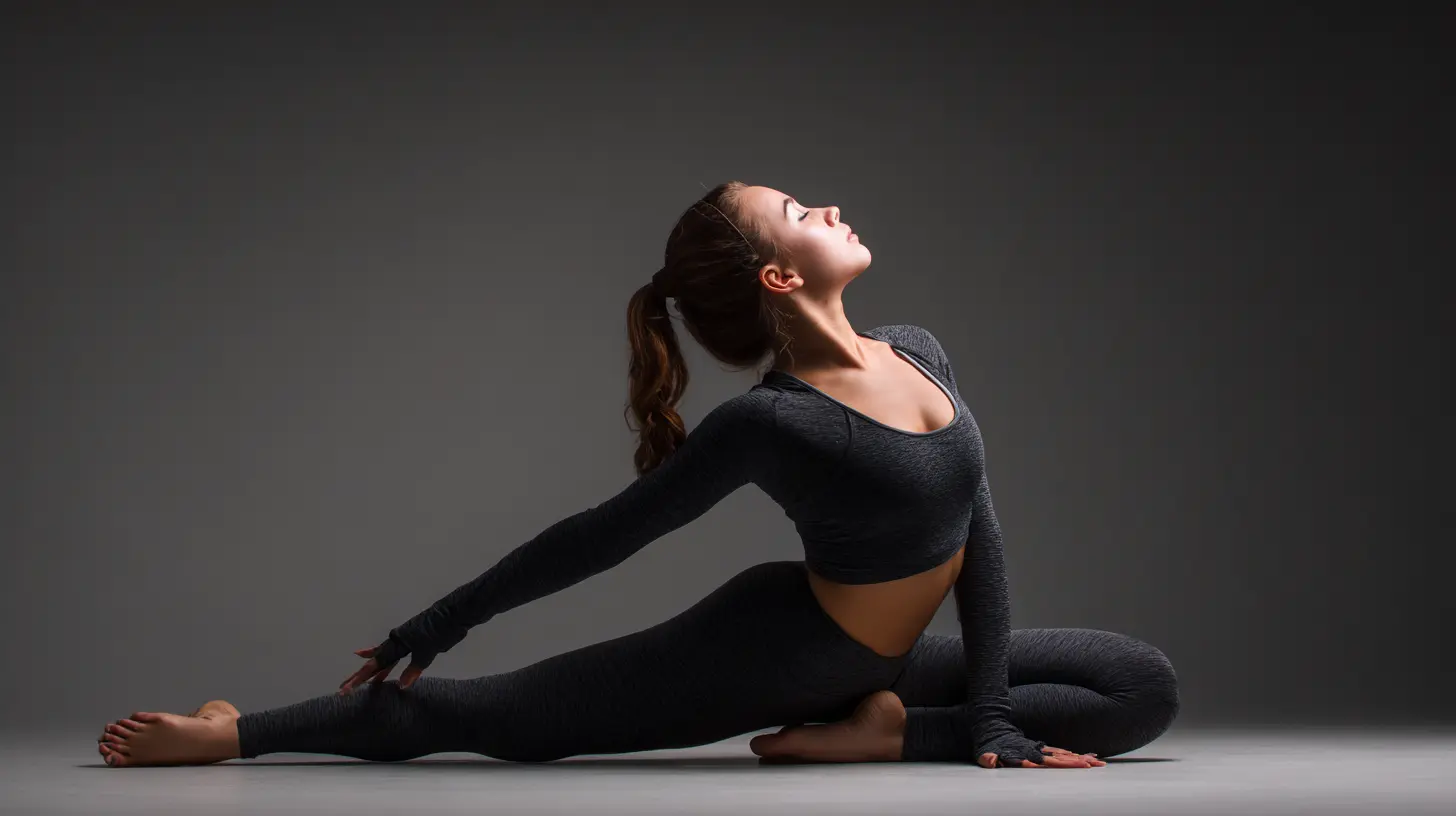
Your 2027 Roadmap: A Phased Approach
We’re playing the long game here. Let’s break this down into phases, thinking of 2027 as our destination.Phase 1: The Awakening (Now – End of 2024)
This is the discovery phase. Your job is not to achieve anything, but to assess and gently introduce. Start with a simple body scan: Where do you feel tight? Neck? Hamstrings? Hips? Don’t judge, just observe.* Practice: Incorporate 5-10 minutes of mindful movement into your day. Try a “daily dozen” – twelve slow, controlled cat-cows for your spine, twelve deep squats holding onto a counter for support, and twelve shoulder circles. Focus on the feeling, not the depth.
* Habit Stack: Attach this mini-session to an existing habit—like after your morning coffee or right before your evening shower.
Phase 2: The Building Phase (2025 – 2026)
Now we build structure and routine. You’ve identified your tight spots and have a feel for what your body needs.* Practice: Develop a 20-minute, 3x per week routine that hits all the major areas: lower body (hips, hamstrings, quads), upper body (chest, shoulders, lats), and core/spine. Introduce dynamic stretching (like leg swings, torso twists) as a warm-up and static stretching (holding a pose for 30-45 seconds) at the end.
* Integrate Strength: Add foundational strength moves that support flexibility. Goblet squats for hip mobility, push-ups for shoulder and chest opening, and bird-dogs for spinal stability.
Phase 3: Integration & Mastery (2026 – 2027)
This is where it all comes together. Flexibility isn’t a separate “workout” anymore; it’s part of how you move through life.* Practice: Your routine evolves. You might explore modalities like yoga, Tai Chi, or animal flow that blend strength, mobility, and control in fluid patterns. You focus on loaded stretching (like a squat with a kettlebell helping you sink deeper) and PNF (Proprioceptive Neuromuscular Facilitation) techniques, which involve contracting and then relaxing a muscle to deepen the stretch.
* Listen and Refine: You become an expert on your own body. You know when to push gently and when to rest. You use your flexibility in your hobbies—whether that’s gardening, golfing, or playing with your kids.
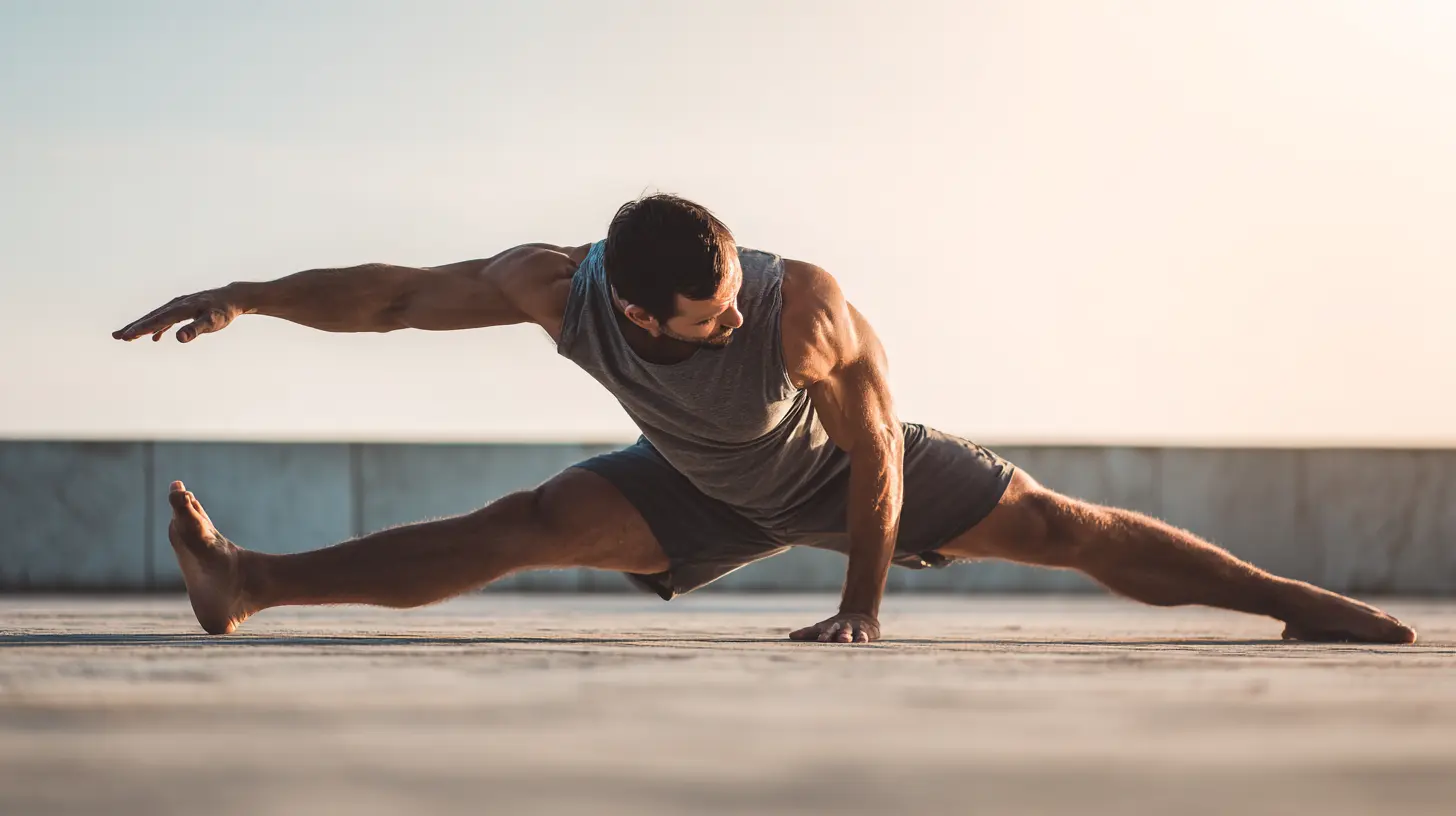
Essential Movements for Total Body Freedom
Let’s get practical. Here are cornerstone movements for your toolkit:* For Your Spine: The Cat-Cow is your spine’s best friend. It teaches segmentation—moving one vertebra at a time—which is key for health and preventing back pain.
* For Your Hips: The 90/90 Stretch and Pigeon Pose are gold standards. They address the often-neglected rotators of the hip, which are huge contributors to low back and knee tightness.
* For Your Hamstrings: Try a Straight-Leg Raise while lying on your back. Can you get your leg to 90 degrees without bending your knee or lifting your lower back? This tests active hamstring flexibility.
* For Your Shoulders: The Thread the Needle stretch and Wall Slides (standing with your back against a wall and sliding your arms up and down) work wonders on opening up the chest and teaching the shoulders proper movement.
* For Full-Body Integration: Nothing beats the Deep Squat (or Asian Squat). Holding this position for a minute or two daily is a masterclass in ankle, knee, hip, and spinal mobility all at once.
The Mindset for Success: Embracing the Journey
This path to 2027 will have ups and downs. Some days you’ll feel loose and amazing; others, you’ll feel like a rusty tin man. That’s normal. Your flexibility can fluctuate daily based on stress, sleep, and activity.Be kind to yourself. Compare yourself only to who you were yesterday, not to the yoga influencer on Instagram. Celebrate the small wins: “I got my heel down one inch further today,” or “I can finally look over my shoulder to parallel park more easily.”
Remember, the ultimate goal isn’t just to look flexible. It’s to live flexibly—to move through your world with less effort, less pain, and more grace. It’s about feeling at home in your body as the years go on.
So, are you ready to turn the page on stiffness? The journey to a more supple, resilient you by 2027 starts with a single, gentle stretch today. Your future self will thank you for it.
all images in this post were generated using AI tools
Category:
Stretching TechniquesAuthor:

Laurie Barlow
Discussion
rate this article
2 comments
Derek McAuley
Great insights for improved flexibility!
April 29, 2026 at 3:44 AM
Laurie Barlow
Thanks for the feedback! I'm glad you found it helpful.
Sara Wyatt
Flexibility fuels lifelong vitality.
April 20, 2026 at 2:49 PM
Laurie Barlow
I couldn't agree more! Flexibility is key for a vibrant life, and it plays a major role in overall wellness. Thanks for your insight!