Yoga in Nature: Taking Your Practice Outdoors for Greater Connection
19 May 2026
Let’s be honest—there’s something magical about rolling out your yoga mat under the open sky, isn’t there? Picture this: birds singing in the background, the sun warming your face, and a gentle breeze brushing over your skin as you flow through your vinyasa. Sounds dreamy, right? That's the whole vibe of practicing yoga in nature. It’s not just a trend—it’s an experience.
In this article, we’ll chat about why taking your yoga practice outside can boost your connection—not just to your body and breath, but to the world around you. And don’t worry, I’ll walk you through the benefits, tips to get started, and a few things to watch out for. So grab your mat, sunscreen, and maybe a water bottle—we’re heading outside.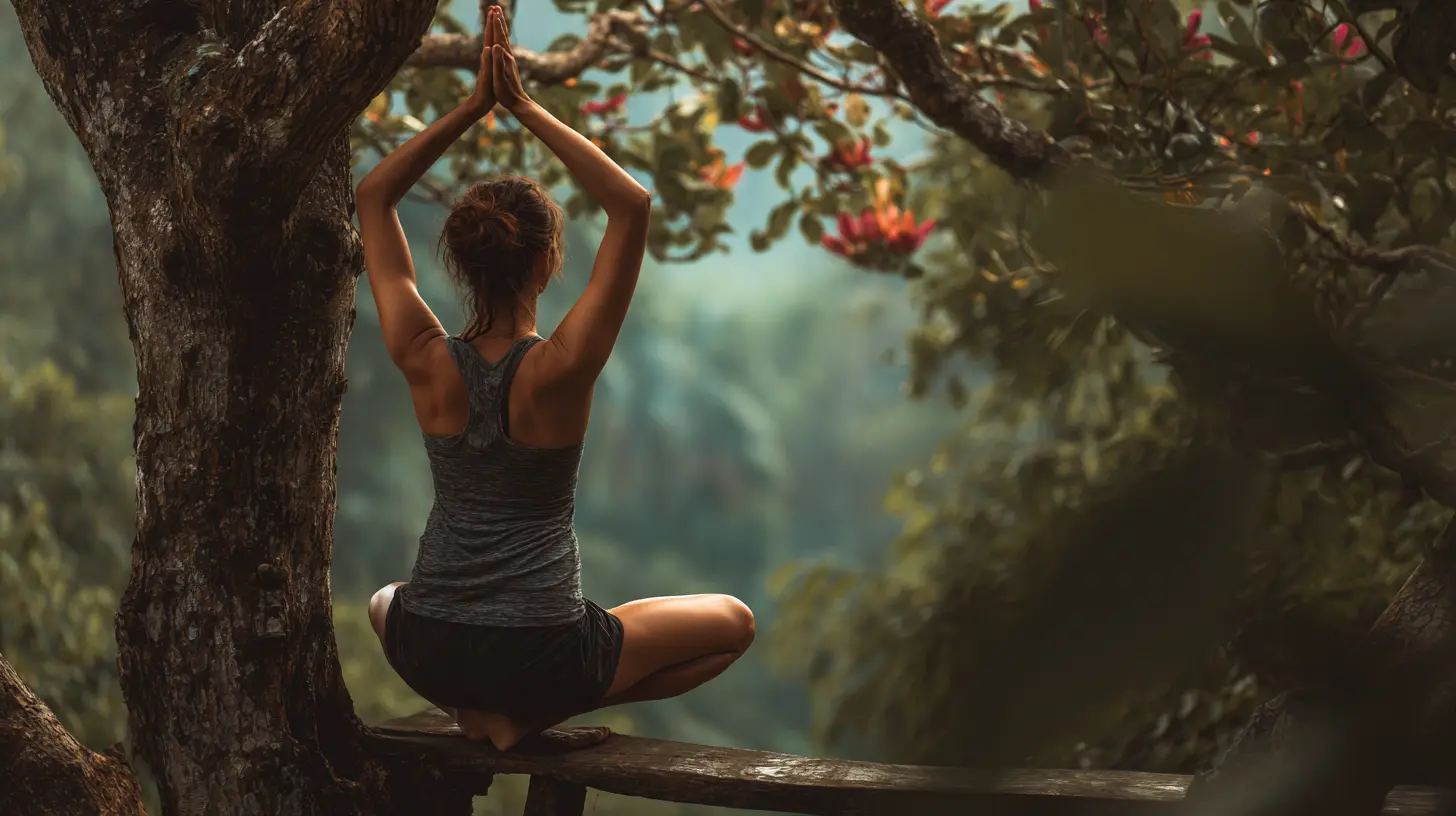
Why Practice Yoga in Nature?
Nature is the Ultimate Yoga Studio
Think about your usual yoga class—probably indoors, maybe with soft lighting and chilled-out music. Now swap that with the sound of rustling leaves, chirping birds, and distant waves crashing. You’re not just hearing nature; you’re becoming part of it.Nature automatically encourages you to be mindful. There's no need for incense or recorded ocean sounds when you're surrounded by the real deal. It’s like Mother Earth becomes your yoga teacher.
Connect to Something Bigger Than Yourself
Yoga is all about connection. In Sanskrit, “yoga” literally means “to yoke” or “to unite.” Practicing outside creates a deeper connection—not only to your inner self but to everything around you. The trees, the breeze, the sun—all of it becomes part of your flow.Have you ever felt tiny in the best way possible while staring up at the stars or watching the sun rise? That’s the vibe. It’s a gentle reminder that we’re all part of something bigger.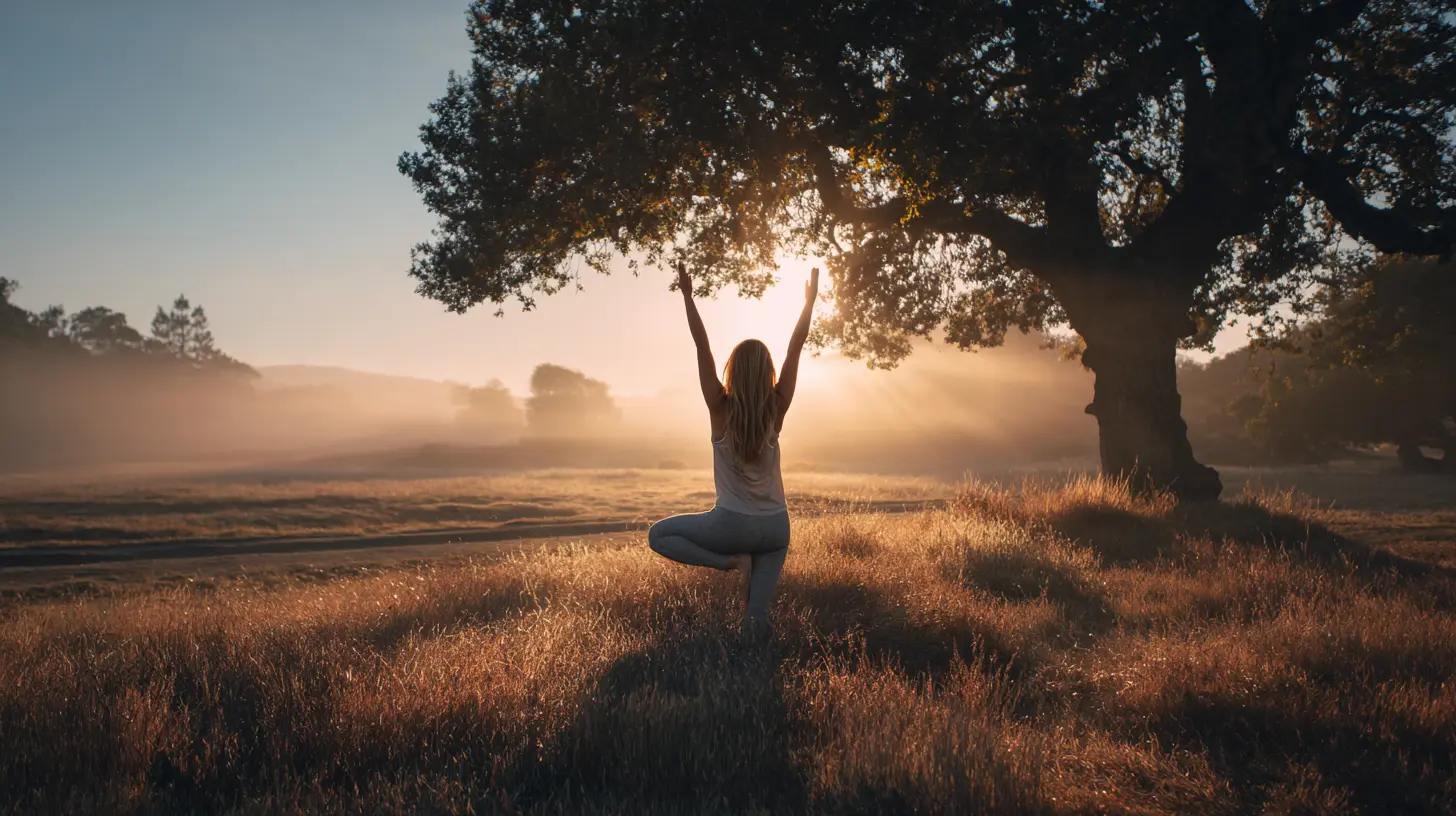
The Benefits of Outdoor Yoga
You might be wondering, “Okay, but is it actually better for me?” Let’s break it down.1. Boosts Mental Clarity and Reduces Stress
Fresh air does wonders for your brain. Practicing outside helps lower cortisol (aka your stress hormone) and clear away mental fog. You’ll find it easier to stay present—and let’s be real, we could all use a little more of that.2. Enhances Balance and Focus
The uneven ground, sounds of nature, and ever-changing environment all work your balance and concentration in new ways. Practicing tree pose on a grassy patch? Way different than inside a studio. It forces your body and mind to adapt and strengthen.3. Soaks Up That Vitamin D
Sunshine! Your body thrives on it. Just 15-20 minutes of sunlight helps your body produce vitamin D, which supports everything from bone health to mood regulation. Just don’t forget the sunscreen.4. Reconnects You to Your Breath
Air feels different outside. You’re not dealing with the recycled stuff from air vents. Instead, each inhale fills your lungs with fresh energy (and literal oxygen). Breathing becomes more intentional and nourishing.5. Builds a Stronger Sense of Gratitude
Doing sun salutations while watching an actual sunrise? That kind of beauty anchors you. You'll find yourself saying, “Wow, I'm lucky to be alive right now,” more often. And that kind of gratitude carries over into every part of your life.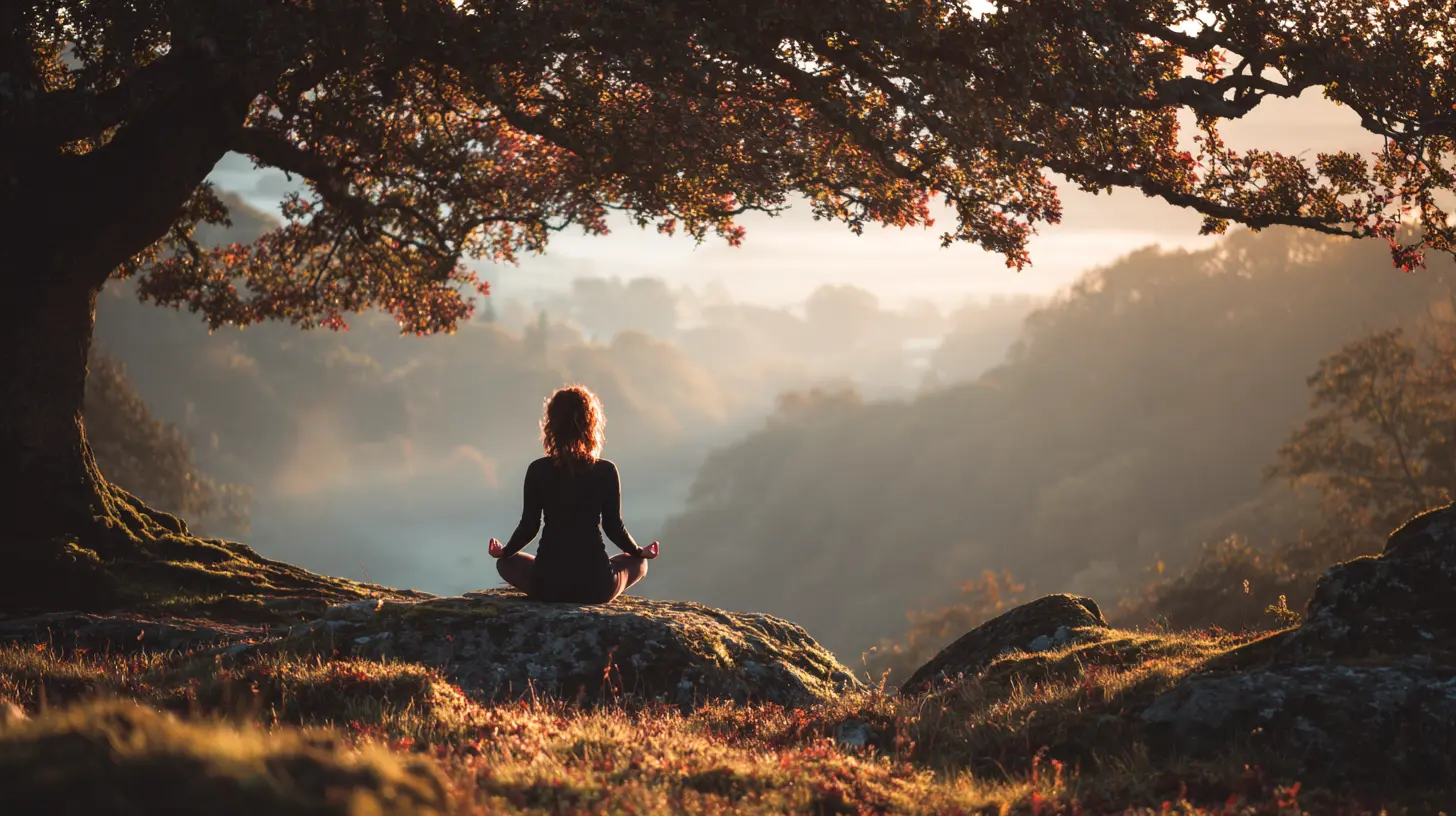
Getting Started: How to Practice Yoga Outdoors
So you're ready to take your mat out into the wilderness? Awesome. Here's how to get started without overthinking it.1. Pick the Right Spot
You don't need to hike to a mountaintop (unless you want to!). Your local park, backyard, beach, or even a balcony can work. Look for a flat, grassy area where you'll have some privacy and minimal distractions.Pro tip: Morning or evening sessions are best. You’ll avoid the harsh midday sun and enjoy cooler temps and softer lighting.
2. Bring the Essentials
Keep it simple, but don’t forget the basics:- A yoga mat (or blanket if it’s a sandy spot)
- Water bottle
- Bug spray (trust me on this one)
- Sunscreen and sunglasses
- A light jacket or towel for Savasana
3. Choose Your Flow
You can take a class outdoors with a group, stream a session on your phone (just make sure the instructor’s voice is chill—not shouty), or go freestyle. If you know a few poses, let your body guide you. Move how it feels good.Want inspiration? Try a grounding flow with lots of standing poses—think Warrior series, Tree, and Mountain. These poses draw strength from the earth beneath you.
4. Get Out of Your Head
Yes, people may walk by and glance at you. Yes, the wind might mess with your balance. That’s part of the beauty. Let go of perfection. Embrace the messiness. Laugh if a gust of wind knocks you out of a pose. There’s joy in flexibility—both physical and mental.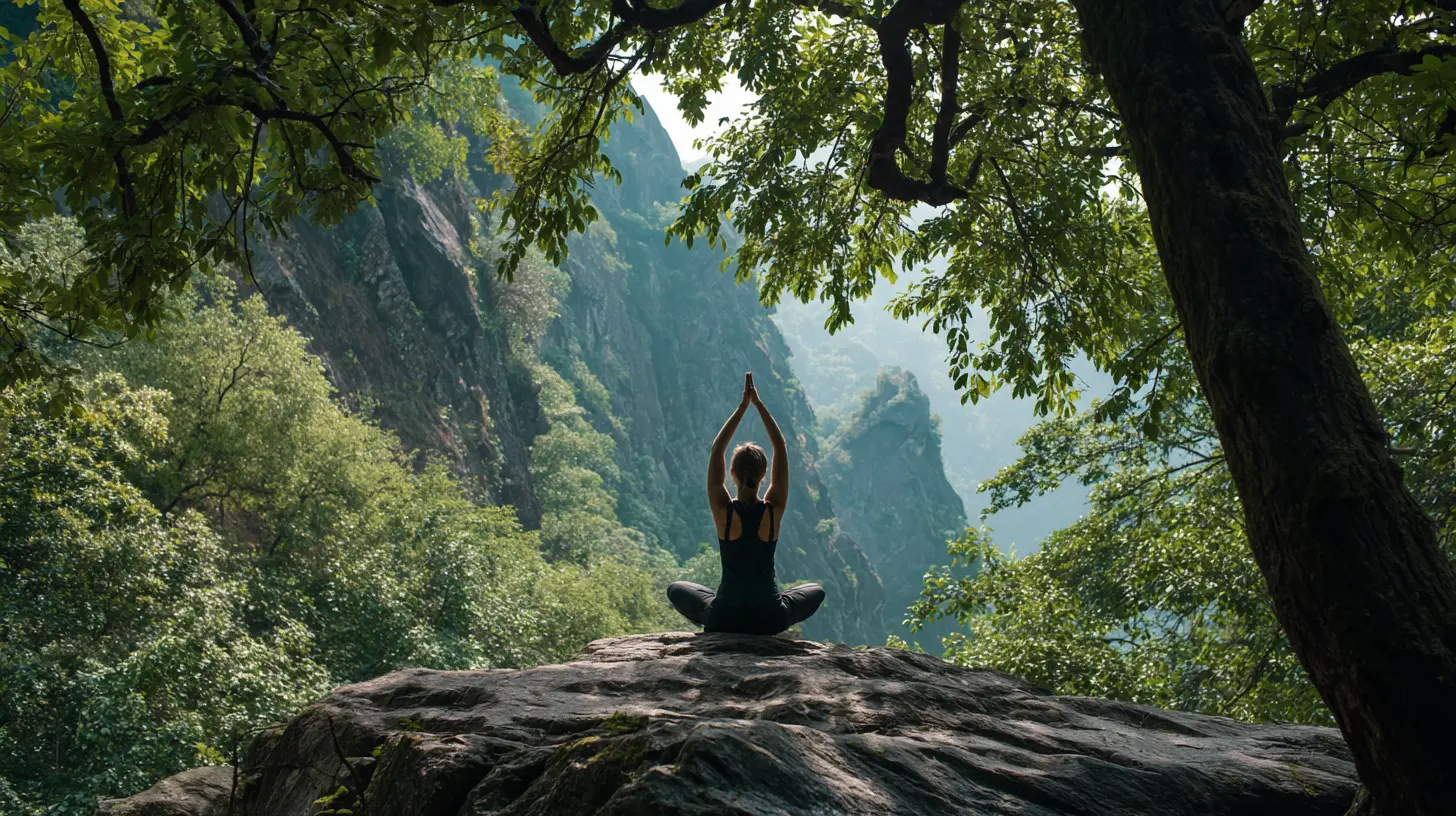
Tips to Deepen Your Outdoor Yoga Practice
Once you’ve dipped your toes in, you might want to take things up a notch.1. Practice Earthing (Yep, It’s a Thing)
Try doing yoga barefoot—no mat. Feel the grass, sand, or even dirt beneath your feet. This “earthing” practice is said to help reduce inflammation, improve sleep, and balance energy. Plus, it’s honestly just kind of fun.2. Meditate with Nature's Soundtrack
End your practice with a short meditation. Sit in stillness and really listen. What do you hear? Birds? Water? Wind in the trees? Allow those sounds to guide your breath. It’s like plugging into a natural playlist for calmness.3. Journal After You Flow
Bring a small notebook and jot down how you feel after your session. You might notice patterns—like feeling more at peace, grounded, or creative. The more you observe, the more connected your practice becomes.Which Yoga Styles Work Best Outside?
Honestly? All of them. But here are a few that shine in an outdoor setting:Hatha or Gentle Yoga
Perfect for beginners or slow, mindful movements. Syncing breath with nature’s rhythm feels amazing in this style.Vinyasa Flow
If you like movement and heat, this dynamic style pairs beautifully with a sunrise or sunset backdrop. The flowing sequences mimic nature’s fluidity.Yin Yoga
Long, passive holds on the earth under the sky? Yes, please. Just bring a blanket or bolster for comfort.Meditation and Pranayama
Breathwork and stillness feel more potent when surrounded by natural elements. The quiet amplifies everything.Common Challenges (And How to Handle Them)
Let’s keep it real—practicing outside has its quirks. But they’re manageable.Bugs, Bugs, Bugs
Mosquitoes don’t care if you're mid-downward dog. Use natural bug spray or burn a citronella candle nearby if you're stationary.Weather Mood Swings
Sometimes it’s too hot, too cold, or suddenly raining. That’s life. Check the forecast, have a backup plan, and roll with it.Distractions or Noise
Cars driving by, barking dogs, people chatting... It happens. Use it as part of the practice. Can you stay focused despite the chaos? That’s real yoga.Uneven Ground
It can throw you off at first. Accept the challenge! It’s great for ankle stability and core strength.Making It a Habit
Now that you're sold on outdoor yoga (you are, right?), how do you make it stick?- Start Small: Maybe once a week at first. Don't put pressure to be out there daily.
- Invite a Friend: Accountability + company = more fun.
- Set an Intention: Use each session to focus on something—gratitude, peace, strength. It adds meaning.
- Mix It Up: Try different locations. One day a forest, the next a beach or rooftop. Let nature surprise you.
Final Thoughts
Yoga in nature isn’t just another Instagram-worthy trend. It’s a powerful way to reconnect—to your body, your spirit, and the Earth itself. There’s no pressure, no judgment, and zero mirrors. Just you, your breath, and the world around you.So go ahead. Unroll your mat under the sky. Sink your toes into the grass. Let the sun kiss your face. Because in the great outdoors, every pose becomes a prayer, and every breath feels like a blessing.
Namaste, wild one
all images in this post were generated using AI tools
Category:
YogaAuthor:

Laurie Barlow
Discussion
rate this article
2 comments
Fern Sweeney
Practicing yoga outdoors is a refreshing way to deepen your connection with nature and yourself. The sights, sounds, and fresh air enhance your awareness and relaxation. Take your mat outside and feel the difference in both your body and mind.
June 30, 2026 at 3:45 AM
Laurie Barlow
I completely agree! Practicing yoga in nature truly elevates the experience. The natural elements bring a unique calm and clarity that enriches both body and spirit.
Carla Snow
Practicing yoga outdoors enhances mindfulness and deepens your connection with nature and self. Enjoy!
May 19, 2026 at 3:26 PM
Laurie Barlow
Thanks for your insight! I completely agree that outdoor yoga can truly elevate the experience and deepen our connection. Enjoy your practice!