The Importance of Hand Hygiene for a Robust Immune System
27 April 2026
When was the last time you really thought about how clean your hands are? We touch our faces, eyes, food, and countless other things throughout the day. If our hands aren't clean, we invite germs to enter our bodies—potentially weakening our immune system.
Hand hygiene isn't just about keeping your hands looking clean; it's about protecting yourself from harmful bacteria and viruses that can threaten your health. In this article, we’ll break down why hand hygiene is crucial for a strong immune system and how simple habits can help you stay healthy. 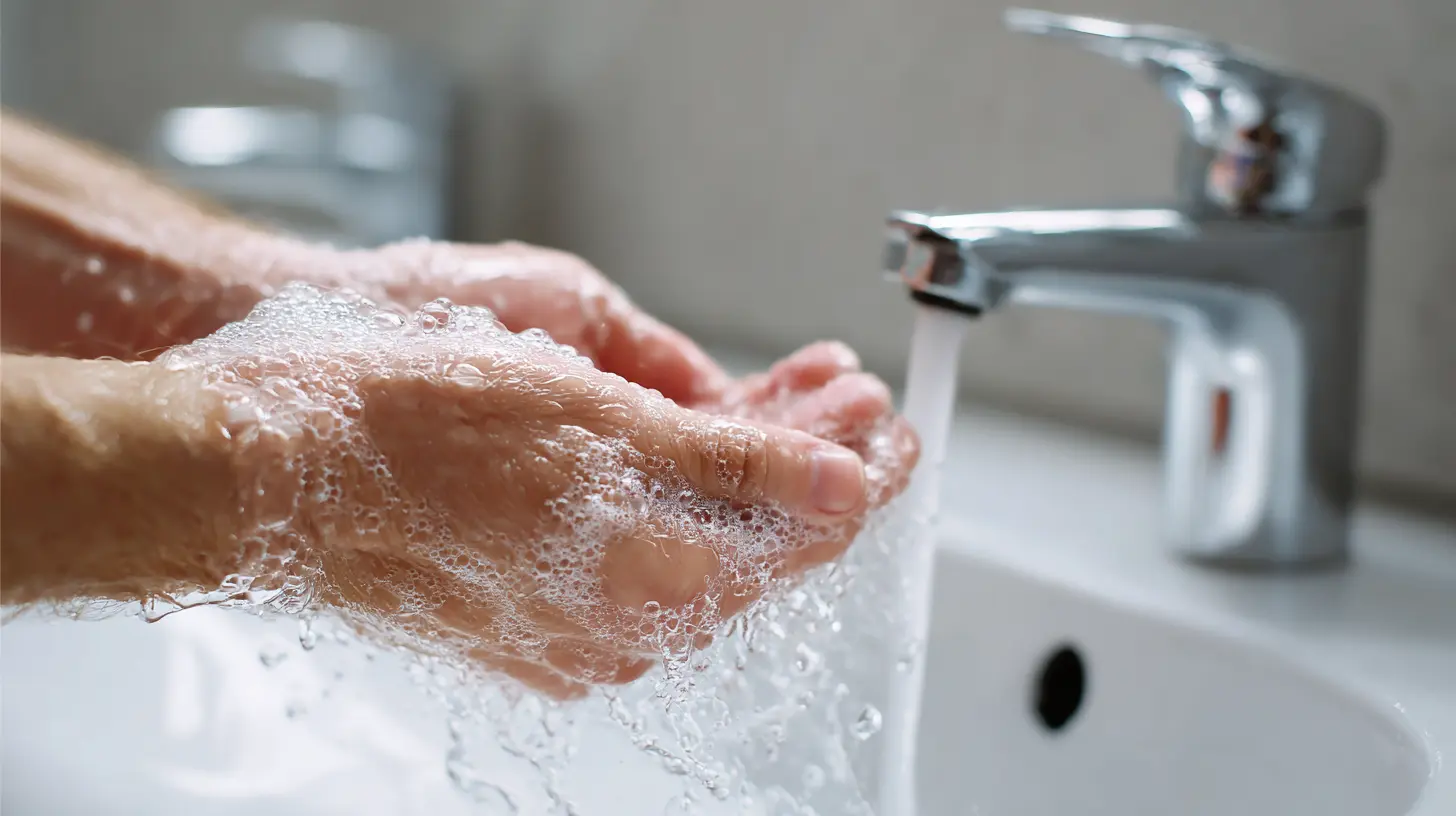
Why Hand Hygiene Matters More Than You Think
Most people associate handwashing with basic cleanliness, but it goes way beyond that. Your hands are like a bustling highway for bacteria and viruses. When you touch contaminated surfaces—doorknobs, smartphones, money—you pick up invisible invaders that can make you sick.Neglecting proper hand hygiene can lead to infections, flu, stomach issues, and even more severe illnesses. Think of it this way: your immune system is like a bodyguard, constantly fighting off harmful pathogens. But when you don’t wash your hands, you're practically holding the door open for these unwanted guests. 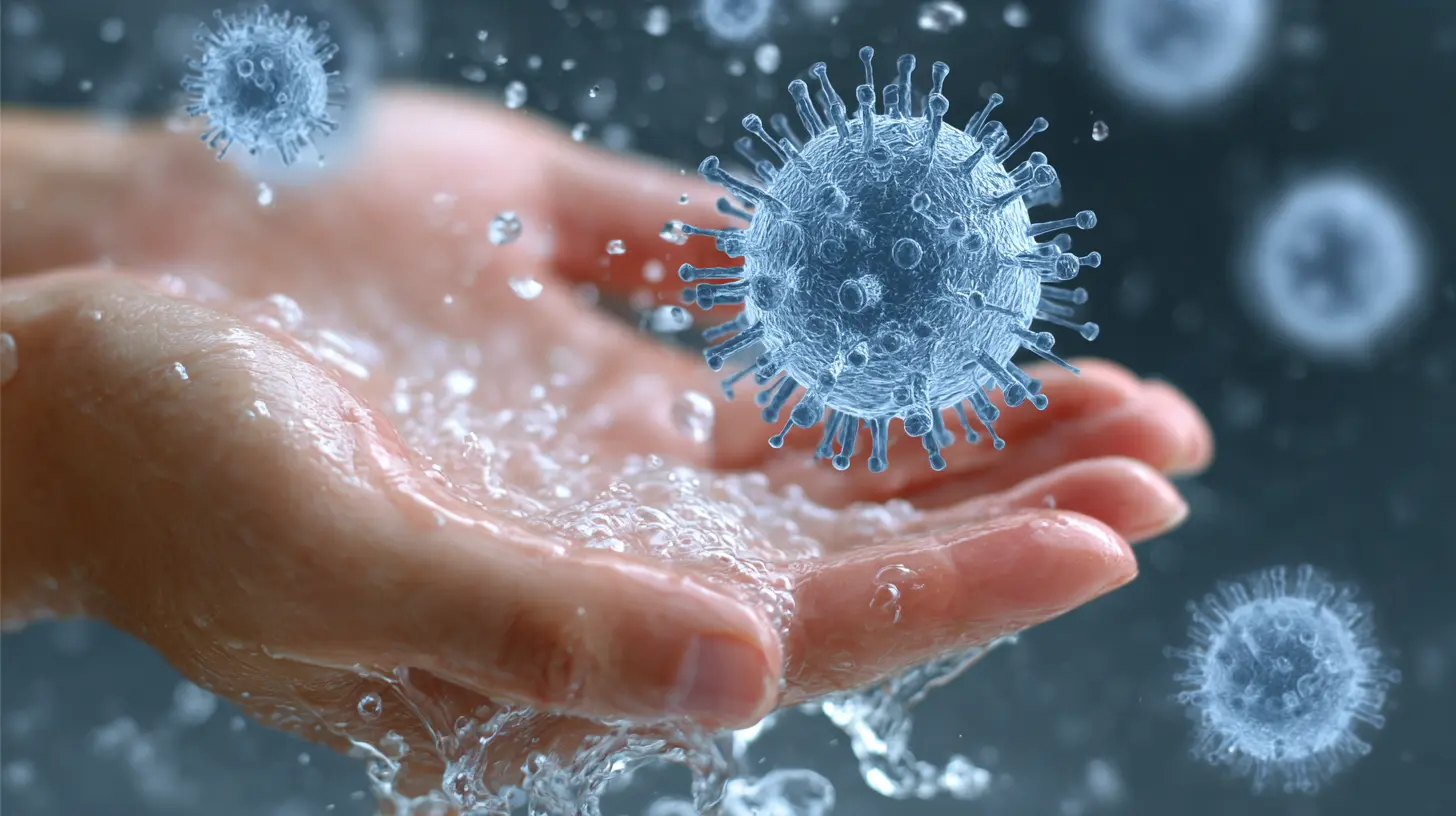
How Dirty Hands Weaken Your Immune System
1. Increased Exposure to Harmful Germs
Your immune system works tirelessly to fight off harmful bacteria and viruses. However, constantly exposing your body to germs by not washing your hands puts unnecessary pressure on it. Over time, this can weaken its ability to defend against infections effectively.2. Gut Health Disruptions
Did you know that around 70% of your immune system is in your gut? When you eat food with unwashed hands, you introduce harmful bacteria into your digestive system. This can upset the balance of good and bad bacteria, leading to infections, food poisoning, and weakened immunity.3. Higher Risk of Respiratory Infections
We touch our faces more often than we realize—rubbing our eyes, scratching our noses, or even resting our chins on our hands. If your hands are covered in germs, they can easily enter your body through your mouth, nose, and eyes, leading to colds, flu, and respiratory infections.4. Increased Antibiotic Resistance
Frequent infections due to poor hand hygiene often lead to increased antibiotic use. The more antibiotics we take, the more resistant bacteria become. Eventually, this makes it harder to treat infections when we truly need antibiotics.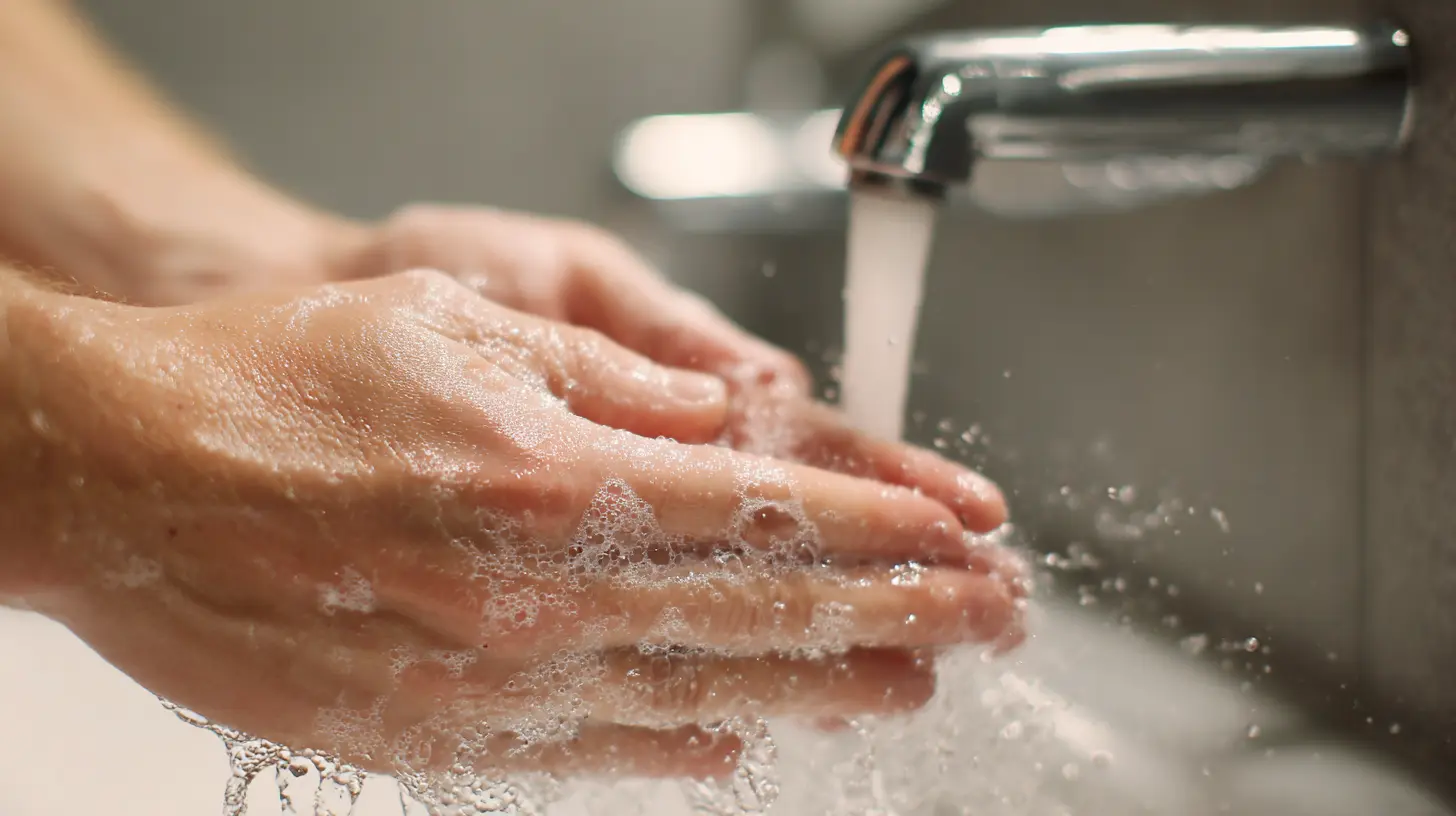
Proper Hand Hygiene: The Simple Yet Powerful Shield
Now that we understand how dirty hands can weaken our immune system, let’s talk about how to maintain proper hand hygiene.1. Wash Your Hands — And Wash Them Right
Washing your hands isn’t just about a quick rinse under the faucet. Here’s how to do it properly:- Use warm water and soap
- Lather your hands for at least 20 seconds (Sing “Happy Birthday” twice!)
- Scrub between your fingers, under your nails, and the backs of your hands
- Rinse thoroughly and dry with a clean towel
2. When Should You Wash Your Hands?
You should always wash your hands:- Before eating or preparing food
- After using the restroom
- After coughing, sneezing, or blowing your nose
- After touching shared surfaces (doorknobs, handrails, shopping carts)
- After handling pets or pet waste
- Before and after caring for someone who's sick
3. Hand Sanitizer: A Backup, Not a Replacement
Sometimes you're on the go, and soap and water aren't available. That’s where hand sanitizer comes in. Use an alcohol-based sanitizer with at least 60% alcohol, and rub it in until your hands are completely dry. However, remember that sanitizer doesn’t remove dirt and grease like soap does—so don’t rely on it all the time.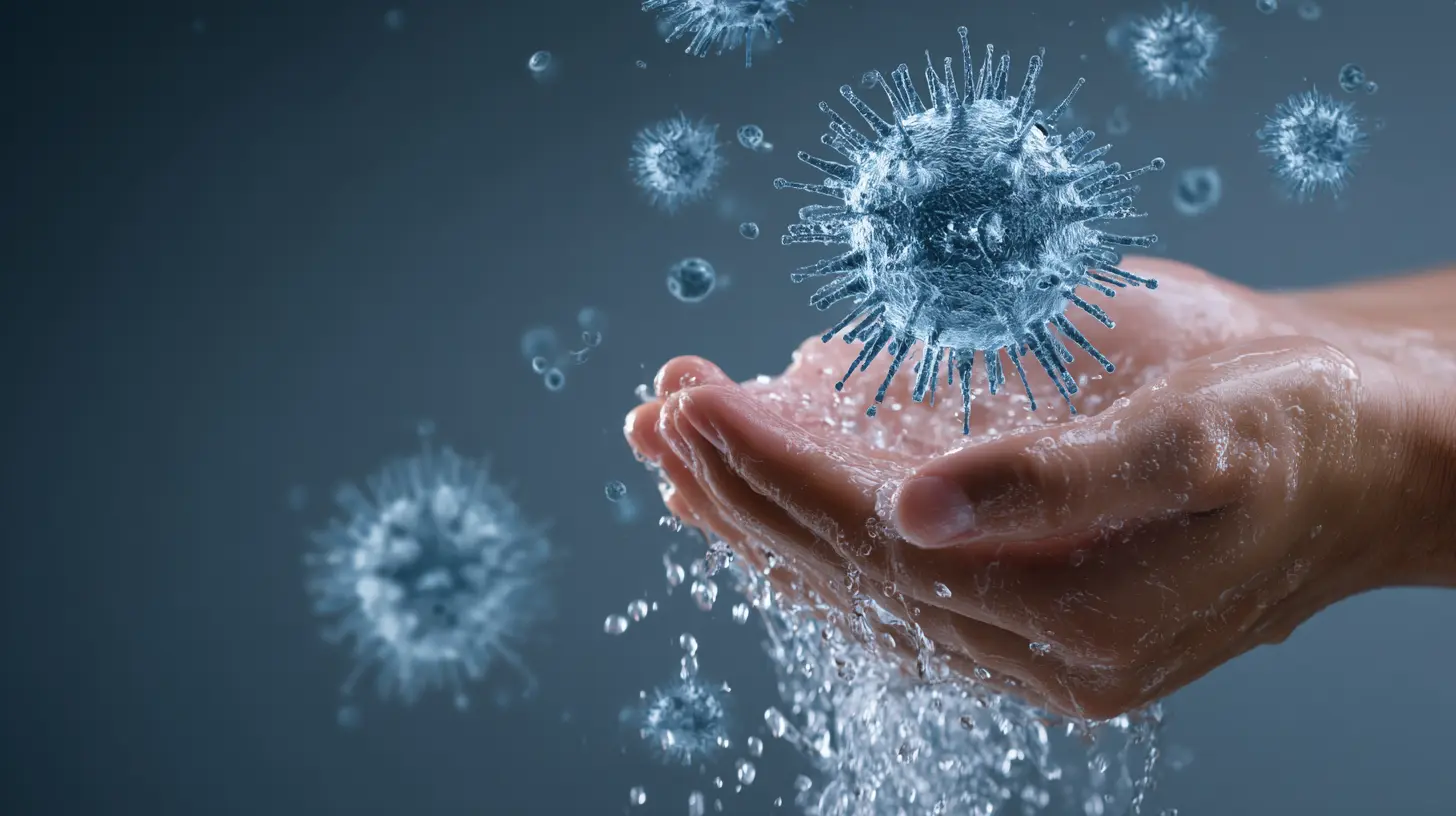
Hand Hygiene and Disease Prevention
COVID-19 and Other Viral Infections
The COVID-19 pandemic was a powerful reminder of how crucial hand hygiene is. Washing hands frequently can reduce the spread of viruses and protect both you and those around you.Preventing Stomach Issues
Many stomach bugs, like norovirus, spread through contaminated hands. Practicing good hand hygiene can significantly reduce your chances of dealing with diarrhea, vomiting, and other unpleasant digestive issues.Fighting Against the Common Cold and Flu
Cold and flu viruses can linger on surfaces for hours, waiting to hitch a ride on your hands. Keeping your hands clean is one of the simplest and most effective ways to avoid getting sick.Myths About Hand Hygiene
With so much information floating around, let's clear up some common hand hygiene myths:❌ Myth #1: You Only Need to Wash Your Hands If They Look Dirty
Wrong! Germs are microscopic and don’t always make your hands look dirty. Even if they seem clean, wash them regularly.❌ Myth #2: Hot Water Kills More Germs
The temperature of the water doesn't matter as much as using soap and scrubbing thoroughly. Warm water is more comfortable, but cold water is just as effective when used correctly.❌ Myth #3: Hand Sanitizer is Just as Good as Soap
Not quite! While hand sanitizers kill many germs, they don’t remove dirt, grease, or certain bacteria as effectively as good old-fashioned soap and water.Building Healthy Hand Hygiene Habits
Hand hygiene is one of the easiest yet most effective ways to safeguard your health. Here are some tips to make it a habit:- Keep a small bottle of hand sanitizer in your bag or car for situations where soap isn't available.
- Encourage kids to wash their hands by making it fun—use songs or set a timer.
- Moisturize your hands to prevent dry, cracked skin (which can allow germs to enter).
- Gently remind others to wash their hands before meals—healthy habits benefit everyone.
Final Thoughts
Maintaining good hand hygiene isn't just a routine—it’s a powerful tool in keeping your immune system strong and resilient. By simply washing your hands properly and frequently, you reduce your risk of infections and help your immune system function more efficiently.So, the next time you hesitate to wash your hands, think about the millions of unseen germs waiting for a free ride into your body. Your immune system does a lot for you—make its job easier by practicing proper hand hygiene!
all images in this post were generated using AI tools
Category:
Immune SystemAuthor:

Laurie Barlow
Discussion
rate this article
2 comments
Emery Black
Great article! Hand hygiene is such a simple yet powerful habit that we often overlook. By keeping our hands clean, we not only protect ourselves but also those around us. Let's make this practice a part of our daily routine for better health.
May 4, 2026 at 4:52 AM
Laurie Barlow
Thank you for your thoughtful comment! You're absolutely right-hand hygiene is a crucial habit that benefits everyone. Let's keep spreading the word!
Reece Duffy
Hand hygiene is a crucial component of maintaining a robust immune system. Regular washing with soap and water or using hand sanitizer helps eliminate harmful pathogens, reducing the risk of infections. Simple practices like these can significantly enhance overall health, particularly during cold and flu seasons. Prioritize hand hygiene daily.
April 27, 2026 at 2:50 AM
Laurie Barlow
Absolutely! Hand hygiene is key to staying healthy. Simple steps like washing hands regularly can make a big difference, especially during cold and flu season. Thanks for emphasizing its importance!