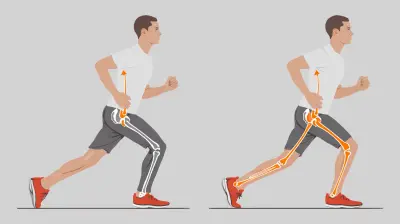
The Science Behind Meal Timing for Maximum Fat Burn
11 June 2026
Have you ever wondered if when you eat matters as much as what you eat? You’re not alone. While most people focus solely on portion sizes and calorie intake, the timing of your meals can have a massive impact on your ability to burn fat efficiently. Sounds crazy, right? But science says there’s much more to the story.
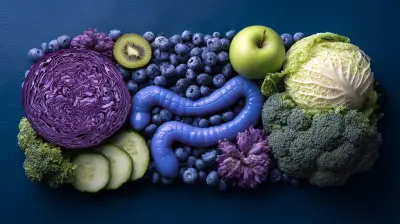
So, grab a cup of green tea, and let's dive into the fascinating world of meal timing and fat burning. You might be surprised by how your body responds when you adjust your eating schedule.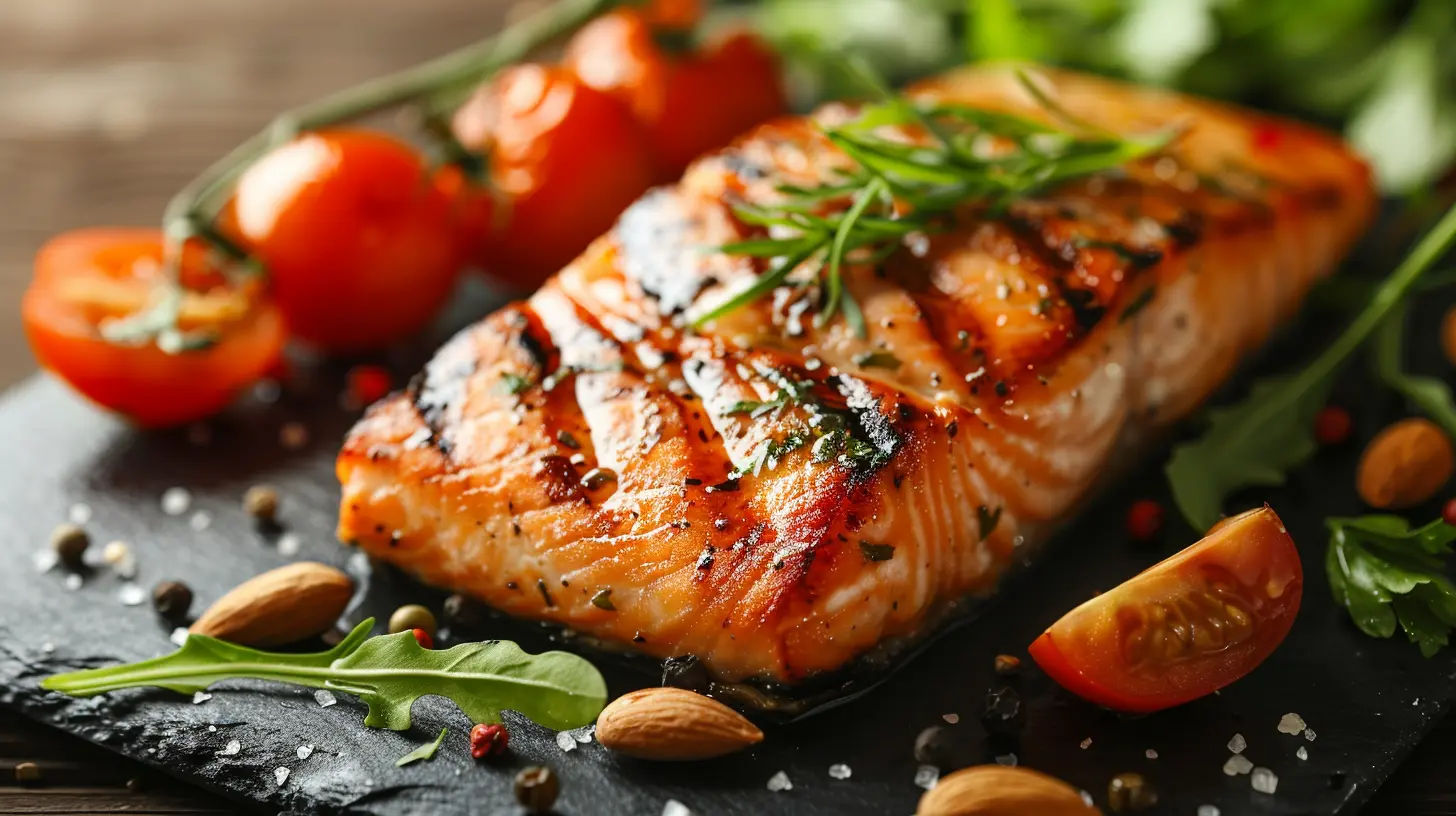
Why Meal Timing Even Matters
Before we jump into the nitty-gritty, let’s answer the obvious question: Why should anyone care about meal timing?Well, your body runs on a biological schedule called the circadian rhythm. This internal clock controls things like sleep, hormone levels, and—you guessed it—how effectively you digest and store food.
Eat at the wrong times, and you may be working against your body instead of with it.
The Role of Insulin: The Fat-Burning Brake Pedal
Picture this: insulin is like a traffic cop. After you eat, especially carbs, your blood sugar rises, and insulin comes in to shuttle that sugar into your cells for energy. But here's the catch—it also tells your body to stop burning fat.So, if you’re constantly eating throughout the day, insulin levels stay up, and fat-burning gets put on pause. Yep, you're basically telling your body, “We’ve got fuel—no need to tap into the fat stores!”
That’s why periods of low insulin (like when fasting or between meals) are your golden opportunity for fat burn.
Intermittent Fasting: Not Just a Trend
You’ve probably heard about intermittent fasting (IF)—and for good reason. This eating pattern's been around forever, and it hinges on one big principle: when you eat is just as important as what you eat.Here’s how it works: you cycle between periods of eating and fasting. Popular versions include:
- 16:8 (16 hours fasting, 8 hours eating)
- 18:6
- 5:2 (eat normally 5 days a week, restrict calories on 2)
During the fasting window, insulin drops, and your body starts burning fat. Think of it this way—fasting is like flipping a metabolic switch that says, “Okay, time to dip into the reserves.”
And yes, studies back this up. Research points to improved fat oxidation (aka fat burning), better insulin sensitivity, and even reduced belly fat with consistent fasting routines.
Breakfast or No Breakfast? Let’s Settle the Debate
Remember when everyone said breakfast was “the most important meal of the day”? That idea’s being challenged—big time.For a long time, the advice was: eat early to “kickstart your metabolism.” But recent studies suggest skipping breakfast might actually help some people burn more fat. Why? Because extending your overnight fast can trigger fat-burning mode for longer.
That said, it’s not one-size-fits-all. If morning workouts are your thing, you might need some fuel beforehand. But for sedentary mornings, pushing back that first meal can be a smart move for fat loss.
The Ideal Meal Timing Window for Fat Burn
Okay, so if fasting works, when should you eat to truly rev up fat burning?Research suggests that eating within a shorter window earlier in the day yields the best results. That means:
- Start eating around 10 AM or noon
- Finish your last meal by 6 or 7 PM
This aligns with your circadian rhythm—your metabolism’s most active in daylight hours. Nighttime eating (especially late-night snacking) confuses your body and leads to poor digestion, higher insulin levels, and—you guessed it—fat storage, not fat burn.
Pro tip: Stop eating at least 3 hours before bed. Your waistline will thank you.
Meal Frequency: Small Meals vs. Fewer Big Ones
Another myth we’ve all heard is that eating small meals every 2–3 hours boosts metabolism. But here’s the truth bomb: there’s very little scientific evidence supporting that idea.In fact, constantly eating keeps insulin elevated and your digestive system always working—leaving little time for your body to tap into stored fat.
Instead, try 2 to 3 nutrient-dense meals per day, spaced out. This gives your body a chance to mobilize fat between meals. Plus, it’s way less stressful than prepping six meals a day, right?
Pre-Workout and Post-Workout Timing: Does It Matter?
Absolutely. Knowing when to eat around your workouts can level up your fat-burning game.Pre-Workout:
Working out in a fasted state (like before breakfast) can help your body burn more fat, especially during low-intensity cardio. You’re essentially nudging your body to dip into fat stores since glycogen is lower.But it’s not for everyone. If you feel weak or light-headed, a small pre-workout snack with protein and a little fat could be a better fit.
Post-Workout:
Within 1-2 hours after exercise, your body is primed to absorb nutrients. This is the best time to have your biggest meal—especially if it includes high-quality protein and complex carbs. You’ll replenish energy and support muscle recovery without storing excess fat.Nighttime Eating: The Silent Fat Saboteur
Here’s a simple truth: late-night eating is fat loss kryptonite.Why? Because digestion slows down at night, insulin sensitivity drops, and your body isn’t primed to process food efficiently. So, those midnight snacks? They’re more likely to be stored as fat.
Plus, nighttime eating often includes low-nutrient, high-calorie foods like chips or ice cream—not exactly fat-burning fuel.
To stay on track:
- Set a “kitchen curfew” around 7 PM
- Brush your teeth early to signal you're done eating
- Drink herbal tea if hunger hits—it helps curb cravings
Chrononutrition: Eating in Sync with Your Body Clock
This might be a new term to you, but chrononutrition is all about syncing your meals with your biological rhythms.Multiple studies show that your body handles food better at certain times of the day. Eating your biggest meal when your metabolism is firing (usually midday) and having a lighter dinner can lead to better fat loss and energy levels throughout the day.
Think of it like this: you wouldn't fill up your gas tank before parking your car for the night. So why overload your body with calories right before sleeping?
Tips to Optimize Meal Timing for Fat Burn
Feeling a little overwhelmed? Don’t worry—here’s a quick cheat sheet to help you apply all this science in real life:1. Start with a 12-hour fast (e.g., 8 PM to 8 AM), then gradually extend if comfortable
2. Eat within a consistent 8–10 hour window daily
3. Avoid late-night snacks—your metabolism slows down after dark
4. Work out before your first meal when possible to tap into fat stores
5. Front-load your calories (biggest meals earlier in the day)
6. Stop eating 2–3 hours before bed for better digestion and sleep
7. Listen to your body—not every tip works for everyone
Consistency is key. Give your body time to adjust, and you’ll start to notice better energy, more mental clarity, and yes—more fat loss.
The Bottom Line
Meal timing isn’t just a fancy health trend—it’s a science-backed strategy that can seriously impact your ability to burn fat effectively. By aligning your eating habits with your body’s natural rhythms, you’re no longer just burning calories—you’re optimizing hormones, improving digestion, and setting the stage for long-term fat loss.And here’s the best part: you don’t have to obsess over every hour. Start small, stay consistent, and let your body do its thing.
So the next time you reach for a late-night snack, pause and ask yourself—am I hungry, or just out of tune with my rhythm?
all images in this post were generated using AI tools
Category:
Fat LossAuthor:

Laurie Barlow
Discussion
rate this article
1 comments
Tamara McQuillen
This article provides a clear overview of how meal timing can impact fat burning. The insights are backed by science, making it a worthwhile read for anyone looking to optimize their weight loss strategy. Simple and effective advice.
June 11, 2026 at 4:36 PM
Laurie Barlow
Thank you for your feedback! I'm glad you found the insights valuable and practical for weight loss.