Unlocking the Secrets to a Healthier Gut in 2026
17 April 2026
Let’s be honest—our gut has been having a moment for the last decade. We’ve been told to eat our yogurt, swallow our probiotics, and feed our "good bacteria." But as we speed toward 2026, the conversation is shifting. It’s getting deeper, more personalized, and frankly, a lot more fascinating. We’re moving beyond generic advice and into an era of precision gut health. So, what does it truly mean to cultivate a healthier gut in this new age? It’s not just about avoiding bloating; it’s about unlocking a core system that influences your mood, your immunity, your skin, and your long-term vitality. Think of your gut not as a simple digestive tube, but as a bustling, ancient city. The old science was like looking at this city from a satellite—we could see it was important. The new science is giving us a street-level map, a resident list, and the ability to repair individual neighborhoods. Ready for the tour?
The 2026 Gut Philosophy: From One-Size-Fits-All to Hyper-Personalization
Gone are the days of blindly following the latest "gut-health" superfood trend. The biggest secret we’ve unlocked is that there is no single secret. Your gut microbiome—that vast universe of trillions of bacteria, viruses, and fungi living within you—is as unique as your fingerprint. What sends your friend’s gut into a state of bliss might leave you feeling underwhelmed (or downright gassy).In 2026, the mantra is personalization. We’re understanding that factors like your genetics, your lifelong antibiotic use, your birth method (C-section or vaginal), even your pet ownership and childhood environment, have sculpted your inner ecosystem. The future isn’t about asking "Is kimchi good for the gut?" It’s about asking "Is kimchi good for MY gut, right now, given my current microbial citizens?" This shift is revolutionary. It means moving from guesswork to guided, data-informed choices about what you eat and how you live.
Your Gut’s New Best Friend: The At-Home Microbiome Test
How do we achieve this personalization? Enter the sophisticated, yet surprisingly accessible, world of at-home gut microbiome testing. By 2026, these kits have evolved from niche curiosities to essential health tools. Imagine swabbing a small stool sample, mailing it in, and receiving a detailed report that doesn’t just list the names of your bacteria, but interprets what they’re doing.These reports will tell you about your "functional capacity"—not just who is there, but what jobs they are capable of performing. Are your microbes excellent at producing anti-inflammatory short-chain fatty acids like butyrate? Or is your community skewed toward strains that might promote inflammation? Do you have the right workers to efficiently break down fiber, or is your city suffering from a labor shortage in that department? This intel allows you and your healthcare provider to make targeted interventions, moving from scattering probiotic seeds in every direction to strategically reinforcing your city’s weak points.
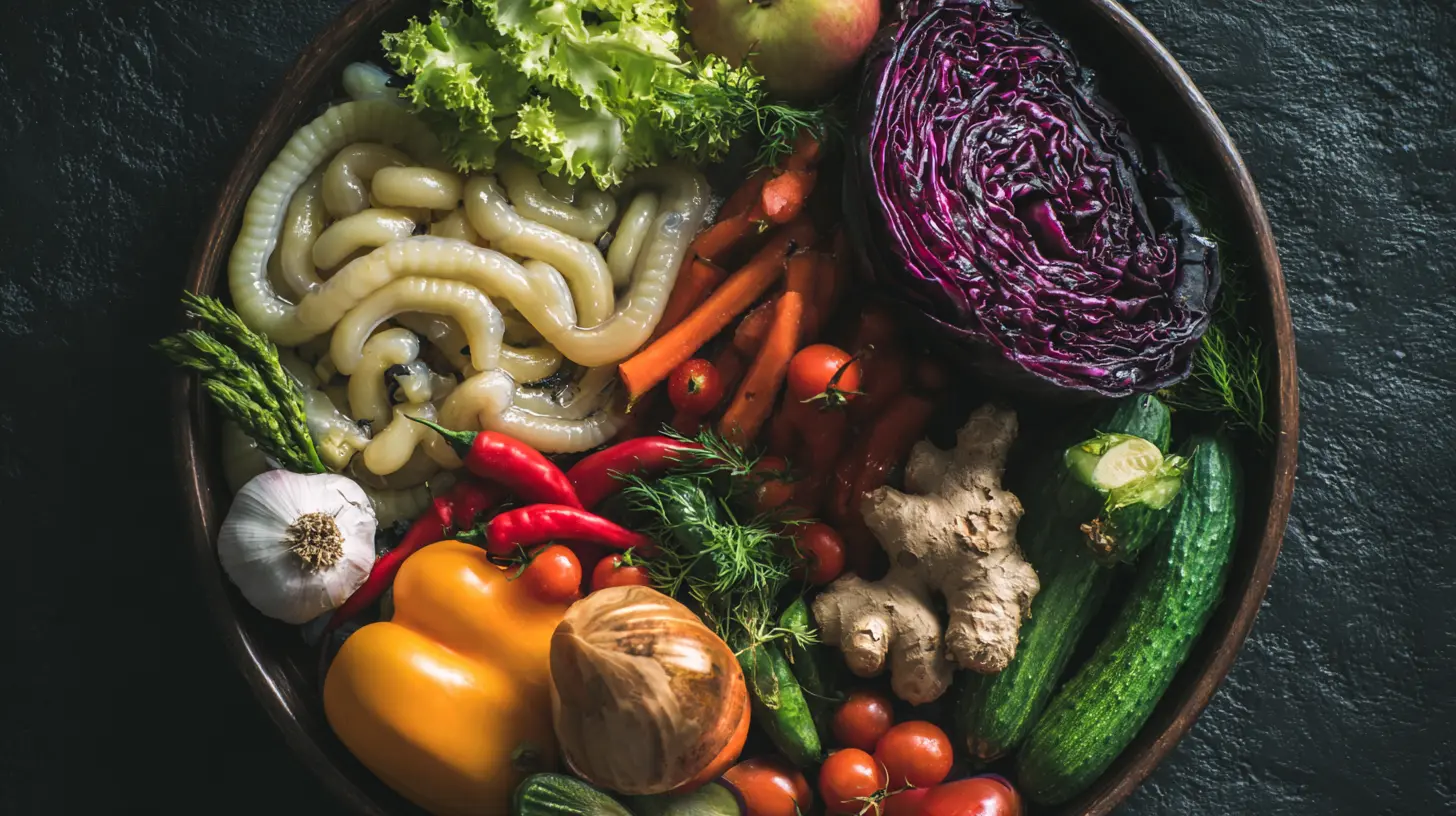
The 2026 Gut-Health Plate: Beyond Fiber, Into Phytonutrients and Ferments
Of course, food remains the most powerful lever we pull. But the "what" and "why" of our dietary choices are becoming more nuanced. The old advice to "eat more fiber" still stands as a towering truth—fiber is the primary food (prebiotic) for your beneficial gut residents. But in 2026, we’re getting specific.The Prebiotic Rainbow: Feeding Your Microbes a Diverse Diet
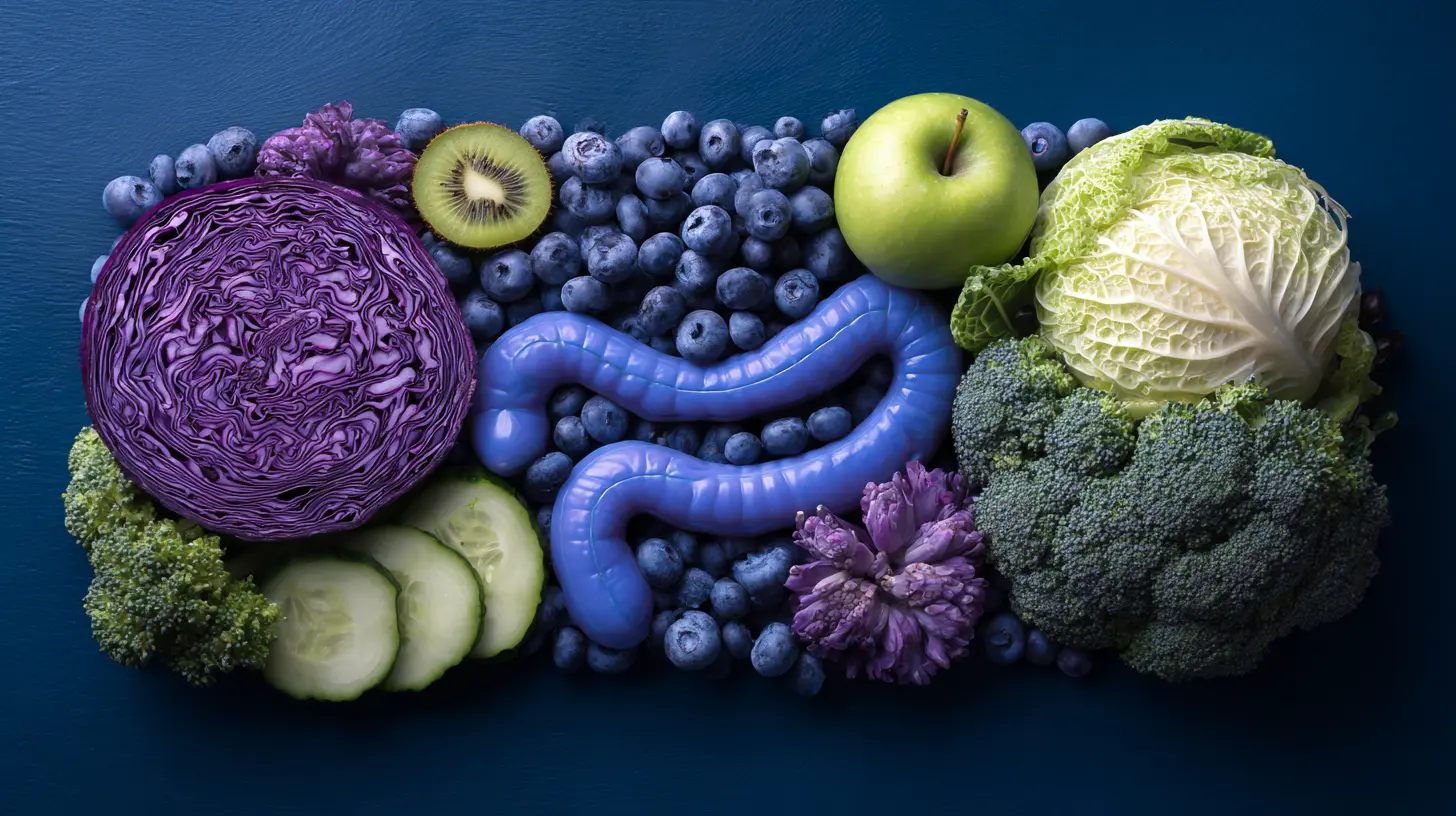
Think of your gut bacteria as a group of very picky eaters with different tastes. Just as you need a variety of vitamins, they need a variety of fibers and plant compounds. The goal is diversity on your plate, which cultivates diversity in your gut. This means:* Not just broccoli, but the whole brassica family: Kale, Brussels sprouts, cabbage, and arugula. Each offers slightly different compounds.
* Embracing alliums: Garlic, onions, leeks, and shallots are rich in inulin, a superstar prebiotic.
* Celebrating resistant starches: Found in cooled potatoes and rice, green bananas, and legumes, these "resistant" carbs travel to the colon to feed your microbes.
* Seeking out polyphenol powerhouses: These colorful plant chemicals, found in berries, dark chocolate, green tea, and red wine, are like premium fuel for your good bacteria. They’re the antioxidants your microbes love to feast on.
Fermented Foods: The Artisanal Inoculants
While probiotic supplements have their place (especially when targeted), the focus is swinging back toward traditional, food-based ferments. Why? Because a spoonful of live sauerkraut or a sip of kefir contains a complex, synergistic community of live microbes and beneficial compounds that a single-strain pill cannot match. In 2026, incorporating a small, daily dose of diverse fermented foods—kimchi, miso, kombucha, yogurt, kvass—is seen as routine maintenance, like watering a garden. It’s about regularly introducing a robust, wild-type microbial workforce to your gut environment.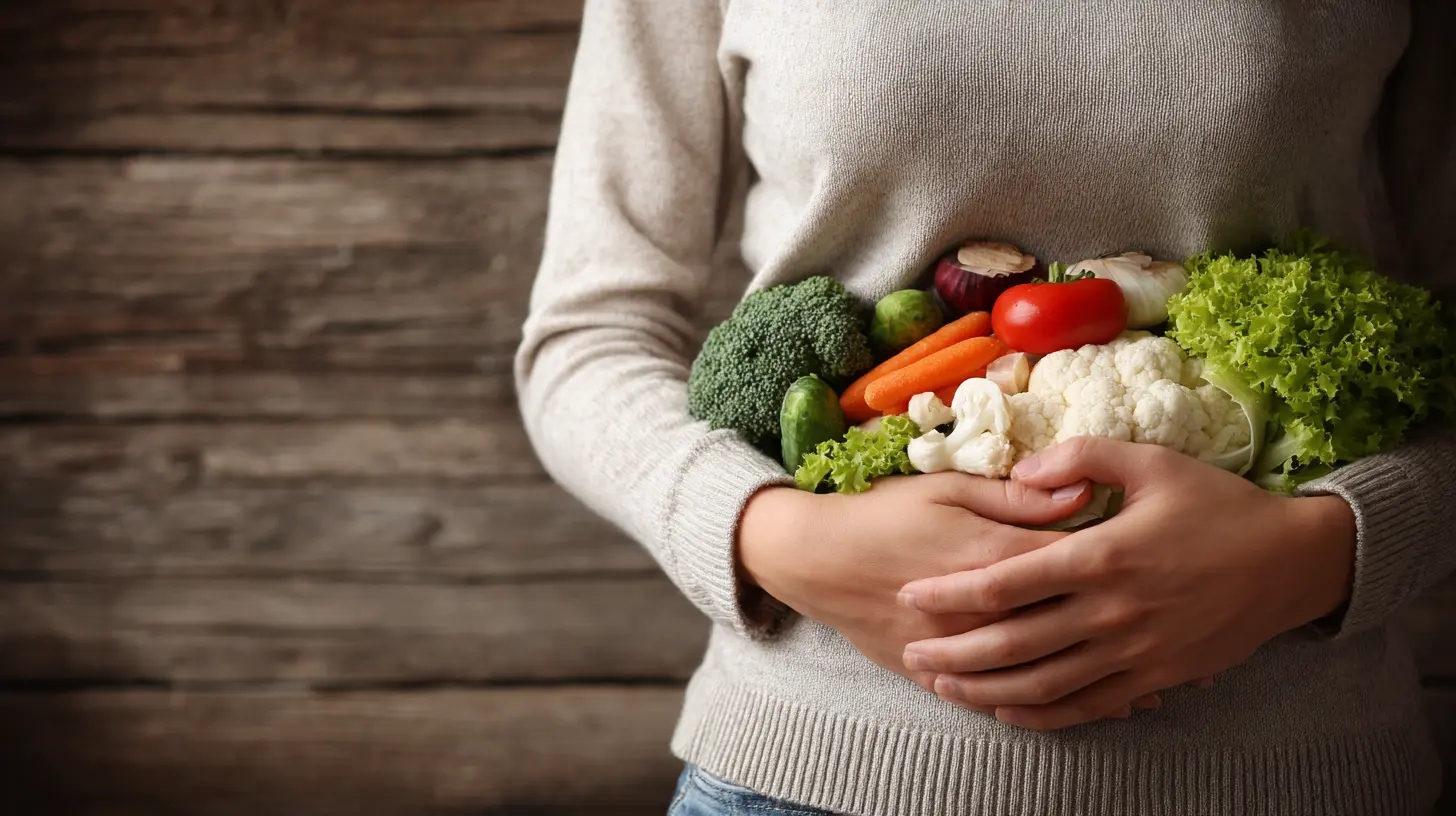
The Unsung Heroes: Sleep, Stress, and Circadian Rhythms
Here’s a gut secret that’s often overlooked: your microbiome has a circadian rhythm, just like you do. Your gut microbes expect to be fed, work, and rest on a schedule. When you eat late at night, expose yourself to blue light before bed, or skimp on sleep, you’re not just disrupting your own rhythm—you’re throwing your entire internal city into chaos.Poor sleep and chronic stress are like natural disasters for your gut ecosystem. They can increase intestinal permeability ("leaky gut"), alter microbial composition, and slash the production of those beneficial compounds we work so hard to cultivate. In 2026, a gut-health protocol is incomplete without stress-reduction techniques (like mindfulness, breathwork, or nature immersion) and strict sleep hygiene. Protecting your peace and prioritizing rest aren’t just wellness clichés; they are non-negotiable pillars of microbial health. Your gut bacteria are listening to your brain’s signals all day long. What message are you sending them?
The Cutting Edge: Postbiotics and Fecal Microbiota Transplants (FMT)
This is where the science starts to feel like science fiction—but it’s very real.The Rise of the Postbiotics
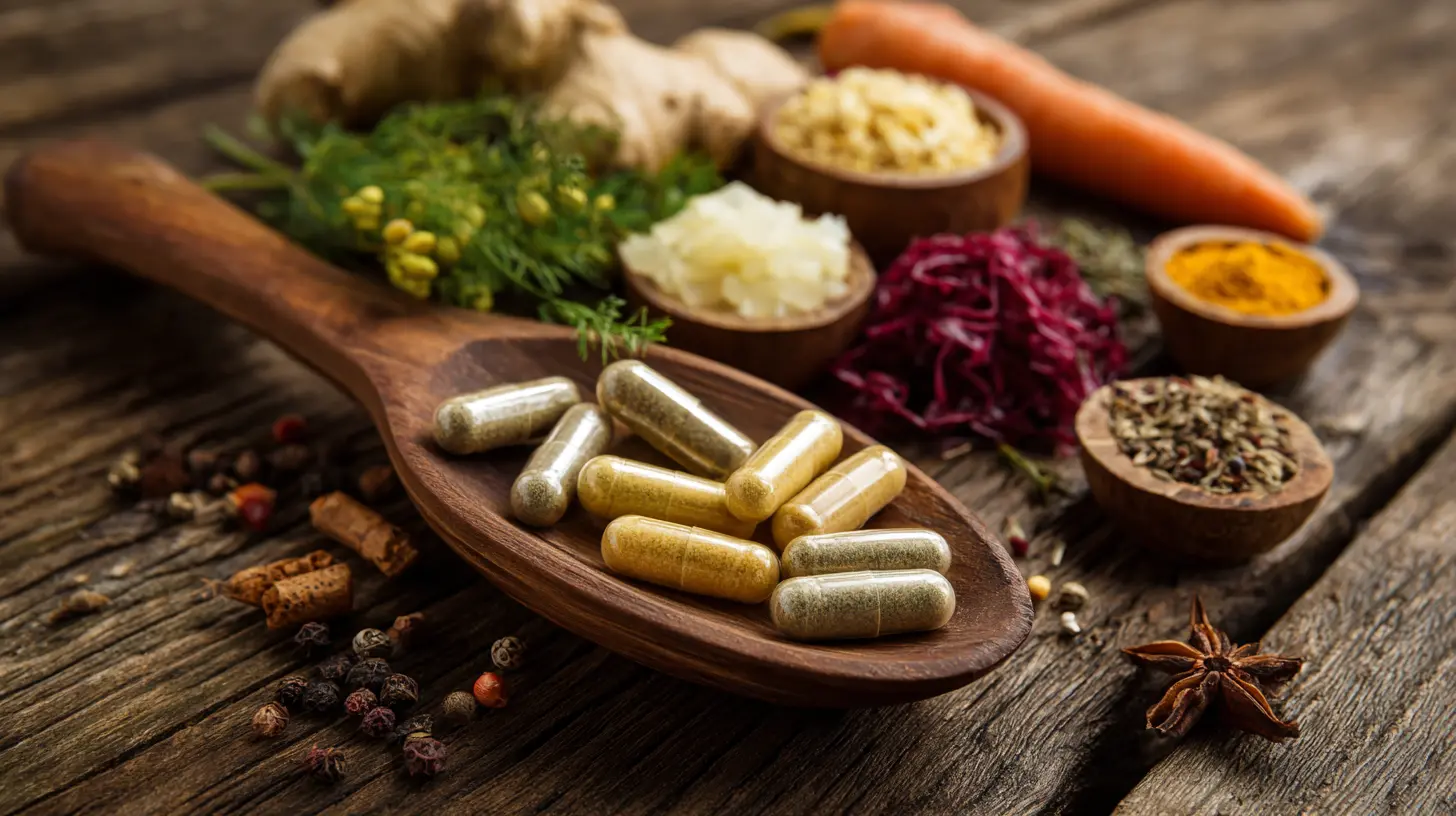
We’ve mastered prebiotics (food for bacteria) and probiotics (the bacteria themselves). The next frontier is postbiotics. These are the beneficial compounds produced by the bacteria when they ferment fiber. Think of them as the valuable waste products or "messages" your microbial workforce creates. The most famous are short-chain fatty acids (SCFAs) like butyrate, which directly nourish your gut lining, reduce inflammation, and even influence brain health. In 2026, we’re learning how to boost the production of these postbiotics through diet and, potentially, use targeted postbiotic supplements as direct therapeutic tools. It’s like bypassing the factory and delivering the finished, healing product straight to your gut.FMT: The Ultimate Microbial Reset
Fecal Microbiota Transplantation is exactly what it sounds like: transferring a carefully screened, healthy donor’s stool microbiome into a patient’s gut. It’s currently a highly effective, last-resort treatment for recurrent C. diff infections. But by 2026, research is aggressively exploring its potential for other conditions linked to gut dysbiosis, such as severe IBD, certain neurological conditions, and even obesity. The concept is a total ecosystem transplant—rebuilding the gut city from the ground up with a proven, healthy blueprint. While still in rigorous clinical stages for most uses, it represents the ultimate acknowledgment of the microbiome’s central role in disease and health.Your Action Plan for a 2026-Ready Gut
So, with all this futuristic knowledge, what can you start doing today to future-proof your gut?1. Embrace Dietary Diversity: Aim for 30+ different plant foods per week. Herbs, spices, nuts, seeds, grains, fruits, and veggies all count.
2. Make Friends with Ferments: Add one or two fermented foods to your daily routine. Start small—a tablespoon of sauerkraut, a few ounces of kefir.
3. Time Your Eating: Try to condense your eating window (e.g., 10-12 hours) and avoid late-night meals to align with your gut’s circadian rhythm.
4. Chew, Chew, Chew: Digestion begins in the mouth. Thorough chewing eases the workload for your gut and its microbial inhabitants.
5. Manage Your Stress Mindfully: Find a daily practice that downshifts your nervous system. A calm mind fosters a calm, resilient gut.
6. Consider Getting Curious: If you’re struggling with persistent issues, an at-home microbiome test could provide invaluable clues. Talk to your doctor or a registered dietitian.
Unlocking the secrets to a healthier gut in 2026 is less about finding a magic pill and more about becoming the thoughtful steward of your own inner world. It’s a journey of personalized discovery, fueled by ancient wisdom and cutting-edge science. By nurturing this complex, living ecosystem within, you’re not just improving digestion—you’re investing in the foundation of your overall health for years to come. Your gut is waiting to talk. Are you ready to listen?
all images in this post were generated using AI tools
Category:
Digestive HealthAuthor:

Laurie Barlow
Discussion
rate this article
2 comments
Sasha Jenkins
Unlocking a healthier gut is crucial for overall well-being. Embrace a diverse diet rich in fiber, prioritize probiotics, and stay hydrated. Regular exercise and stress management are essential. Take charge of your gut health today—small changes lead to significant results. Your future self will thank you!
April 23, 2026 at 4:02 PM
Laurie Barlow
Absolutely! A healthy gut truly paves the way for better overall health. It's all about those small, consistent choices. Thanks for sharing!
Yasmine Beck
Ah, the elusive healthy gut! It’s like trying to find a parking spot at the mall during the holidays. But don't worry—2026 is just around the corner! Let’s dig into those secrets, and may our guts be forever grateful (and not too gassy!).
April 22, 2026 at 2:48 AM
Laurie Barlow
Finding that healthy gut can feel impossible sometimes! But with a little effort and the right habits, we can definitely make progress. Here's to a gassy-free 2026!