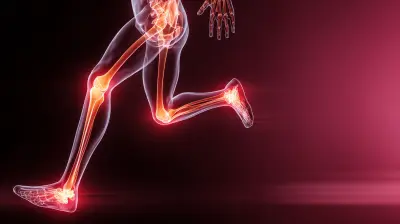
How to Safely Increase Your Range of Motion Without Stressing Joints
4 July 2026
Having a good range of motion (ROM) is crucial for daily movements, sports performance, and preventing injuries. But if you're dealing with stiff muscles or achy joints, enhancing your flexibility can feel like a challenge. The good news? You can safely improve your range of motion without putting unnecessary stress on your joints.
In this guide, we'll break down the safest, most effective methods so you can move better, feel better, and stay injury-free. 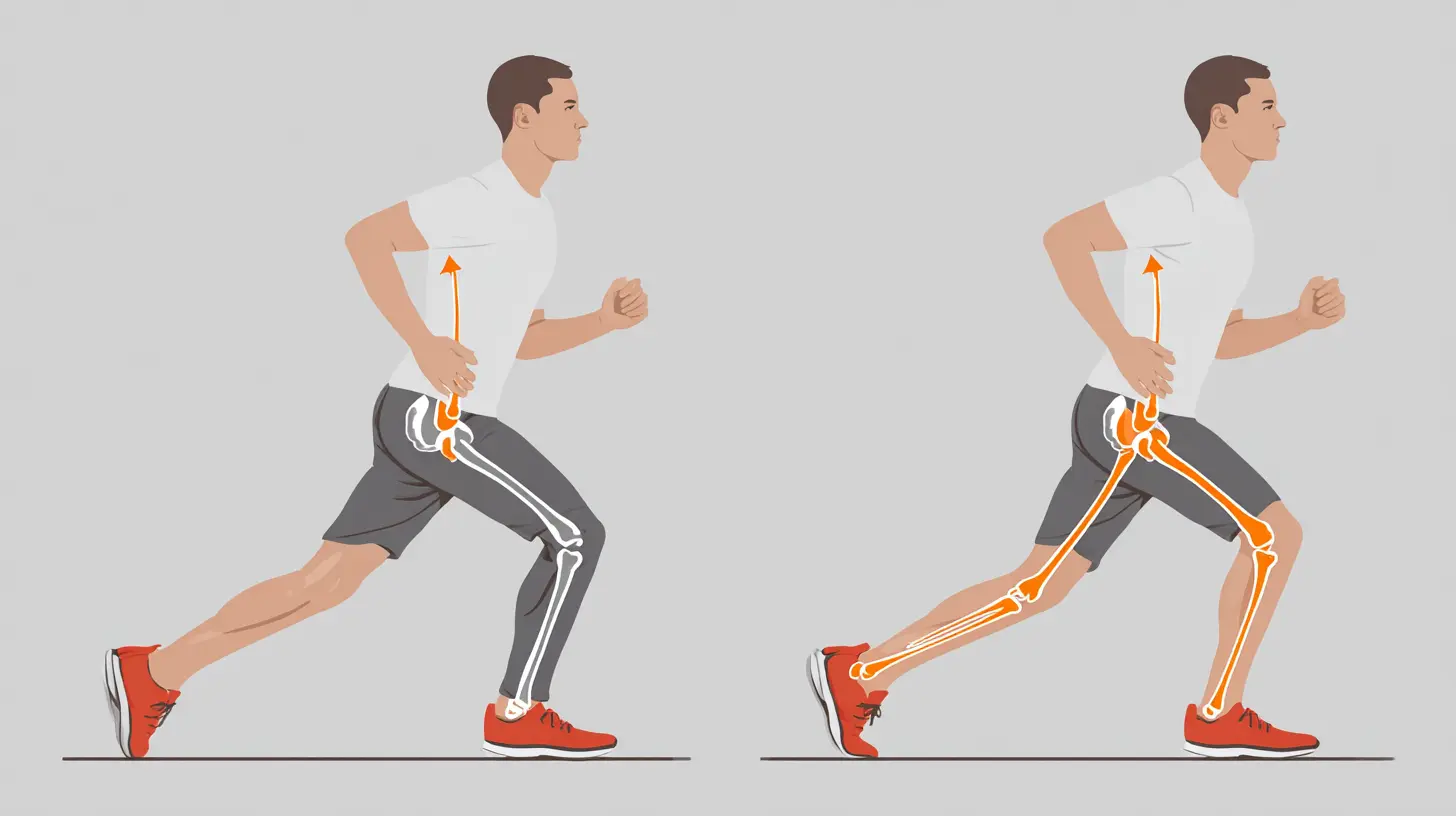
Understanding Range of Motion and Why It Matters
Range of motion refers to how far a joint can move in its normal direction. Whether it's bending your knee, lifting your arm, or rotating your neck, good ROM allows you to move freely and efficiently.Poor ROM can lead to stiffness, discomfort, and even long-term mobility issues. On the flip side, improving it can boost your athletic performance, improve posture, and reduce injury risk.
But here's the catch—you need to do it safely. Overstretching or forcing movements can put excessive strain on joints, leading to pain or injury. The key is to use techniques that gently encourage better mobility without causing harm. 
Common Causes of Limited Range of Motion
Before jumping into solutions, it's essential to understand what restricts movement in the first place. Here are some common culprits:1. Muscle Tightness
When muscles are too tight, they can limit how far a joint can move. This is especially common if you sit for long periods or don't stretch regularly.2. Joint Stiffness
Aging, arthritis, or past injuries can lead to stiffness in the joints, making movement painful or difficult.3. Poor Posture
Bad posture can shorten certain muscle groups and restrict movement, especially in the shoulders, spine, and hips.4. Lack of Activity
A sedentary lifestyle can cause muscles and connective tissues to become less flexible over time.5. Previous Injuries
Scar tissue or lingering effects from past injuries can limit your ROM, making movements feel tight or uncomfortable.
Safe and Effective Ways to Improve Your Range of Motion
Now that we know what limits your movements, let's dive into the best ways to safely increase your range of motion—without putting unnecessary stress on your joints.1. Gentle Dynamic Stretching
Dynamic stretching involves controlled, active movements that take joints through their full range of motion. Unlike static stretching (where you hold a stretch), dynamic movements help warm up the muscles and increase flexibility in a safe way.Try these:
- Leg swings – Stand on one foot and swing the other leg forward and backward.
- Arm circles – Rotate your arms in small circles, gradually increasing the size.
- Torso twists – Gently rotate your upper body from side to side.
Aim for 5–10 minutes of dynamic stretching before workouts or as part of your morning routine.
2. Controlled Static Stretching
Static stretching helps lengthen muscles and improve flexibility. However, it's essential to do it after workouts or when your body is warm to prevent injury.Key pointers:
- Hold each stretch for 20–30 seconds without bouncing.
- Breathe deeply to help your muscles relax.
- Never force a stretch—mild discomfort is okay, but pain is a red flag.
A few great stretches:
- Hamstring stretch – Sit with one leg extended, reach toward your toes.
- Chest opener – Clasp your hands behind your back and lift slightly.
- Hip flexor stretch – Step one foot forward into a lunge and sink your hips.
3. Incorporate Joint-Friendly Mobility Exercises
Mobility exercises focus on controlled movements that help maintain joint health and function. Unlike stretching, these exercises actively engage the muscles around the joint.A few beneficial mobility exercises:
- Cat-Cow Stretch – Improves spine flexibility and reduces stiffness.
- Ankle Circles – Helps with ankle mobility and prevents stiffness.
- Hip Openers (Butterfly Stretch) – Enhances hip flexibility without stressing the joints.
Doing mobility exercises at least 3–4 times a week can significantly improve your ROM over time.
4. Strength Training for Better Mobility
Many people think stretching is the only way to improve flexibility, but strengthening muscles plays a huge role too! Strong muscles support joints and help them move more efficiently.Focus on low-impact strength exercises like:
- Bodyweight squats – Keep movements controlled to improve hip and knee mobility.
- Resistance band exercises – Great for strengthening without stressing the joints.
- Pilates or yoga – Combines flexibility and strength while being joint-friendly.
Pro tip: Pair stretching with strength training to see better results in mobility gains.
5. Foam Rolling for Muscle Release
Foam rolling (also known as self-myofascial release) can improve flexibility by reducing muscle tension and breaking up adhesions that limit movement.Best areas to foam roll:
- Quads: Helps with knee and hip mobility.
- Upper back: Releases tension from poor posture.
- Calves: Improves ankle mobility.
Roll slowly over each muscle group for 30–60 seconds and focus on any tight spots.
6. Low-Impact Activities Like Yoga & Swimming
Low-impact exercises help improve flexibility without putting stress on your joints.- Yoga – Encourages flexibility, balance, and mindful movement.
- Swimming – The buoyancy of water reduces joint pressure while allowing full ROM movements.
- Tai Chi – Involves slow, controlled movements that promote mobility.
If high-impact activities cause discomfort, low-impact options are excellent alternatives!
7. Maintain Proper Hydration and Nutrition
Believe it or not, what you eat and drink affects your flexibility!- Hydration – Joints need fluid to move smoothly. Dehydration can lead to stiffness.
- Omega-3 Fatty Acids – Found in fish, flaxseeds, and walnuts, these help reduce joint inflammation.
- Collagen & Protein – Supports healthy tendons and ligaments, keeping joints in good shape.
Make sure you're drinking enough water and eating a nutritious diet to support your connective tissues.
8. Listen to Your Body and Avoid Overstretching
One of the biggest mistakes people make is pushing too hard when trying to improve flexibility.- Pain is NOT progress—if a movement hurts, stop immediately.
- Never force your joints beyond their natural limits.
- Progress gradually rather than expecting overnight results.
Think of flexibility like a rubber band—if you pull too hard too fast, it snaps. But gentle, consistent stretching over time makes it more elastic. 
Final Thoughts
Improving your range of motion is all about balance—you want to increase flexibility and mobility without stressing your joints. By incorporating gentle stretching, mobility drills, strength exercises, and proper recovery, you'll move better and feel better without risking injury.Remember, consistency is key. Make these safe and effective techniques part of your routine, and over time, you'll notice improved flexibility, better posture, and enhanced movement in your daily life.
So, are you ready to start moving better? Your joints will thank you!
all images in this post were generated using AI tools
Category:
Healthy JointsAuthor:

Laurie Barlow
Discussion
rate this article
1 comments
Capri McAuley
Ready to bend without breaking? Discover simple tips to boost your flexibility while keeping those precious joints happy. Stretching should feel good, not like a game of Twister. Let's get moving and grooving safely!
July 14, 2026 at 3:33 AM
Laurie Barlow
Absolutely! It's all about gentle progress and listening to your body. Let's stay safe and enjoy the journey to greater flexibility!