Tips to Maintain Healthy Joints as You Age
19 July 2026
Aging is a natural process, but stiff and achy joints don’t have to be a part of it. Our joints play a crucial role in mobility, and keeping them in good shape ensures an active and pain-free life. The good news? There are plenty of simple yet effective ways to take care of your joints and keep them strong for years to come.
In this article, we’ll dive into the best tips to maintain healthy joints as you age, from lifestyle tweaks to dietary choices and exercise routines. Let's get started! 
Why Joint Health Matters as You Age
Our joints act as the body's hinges, allowing movement and flexibility. As we age, wear and tear can lead to stiffness, pain, and even conditions like arthritis. Maintaining joint health is key to independence and quality of life. The stronger and more flexible your joints, the easier it is to stay active and enjoy life without limitations.So, how can you make sure your joints stay in top shape? Read on! 
1. Keep Moving – Stay Active!
Motion is lotion for your joints! Staying physically active helps maintain flexibility, reduce stiffness, and strengthen the muscles that support your joints.Best Exercises for Joint Health
- Low-impact activities – Walking, swimming, cycling, and yoga are gentle on the joints while promoting mobility.- Strength training – Building muscle around the joints reduces strain and prevents injuries.
- Stretching – Improves flexibility and prevents stiffness, making daily movements easier.
Tip: Avoid long periods of inactivity. If you sit for too long, take frequent breaks to stand up and move around. 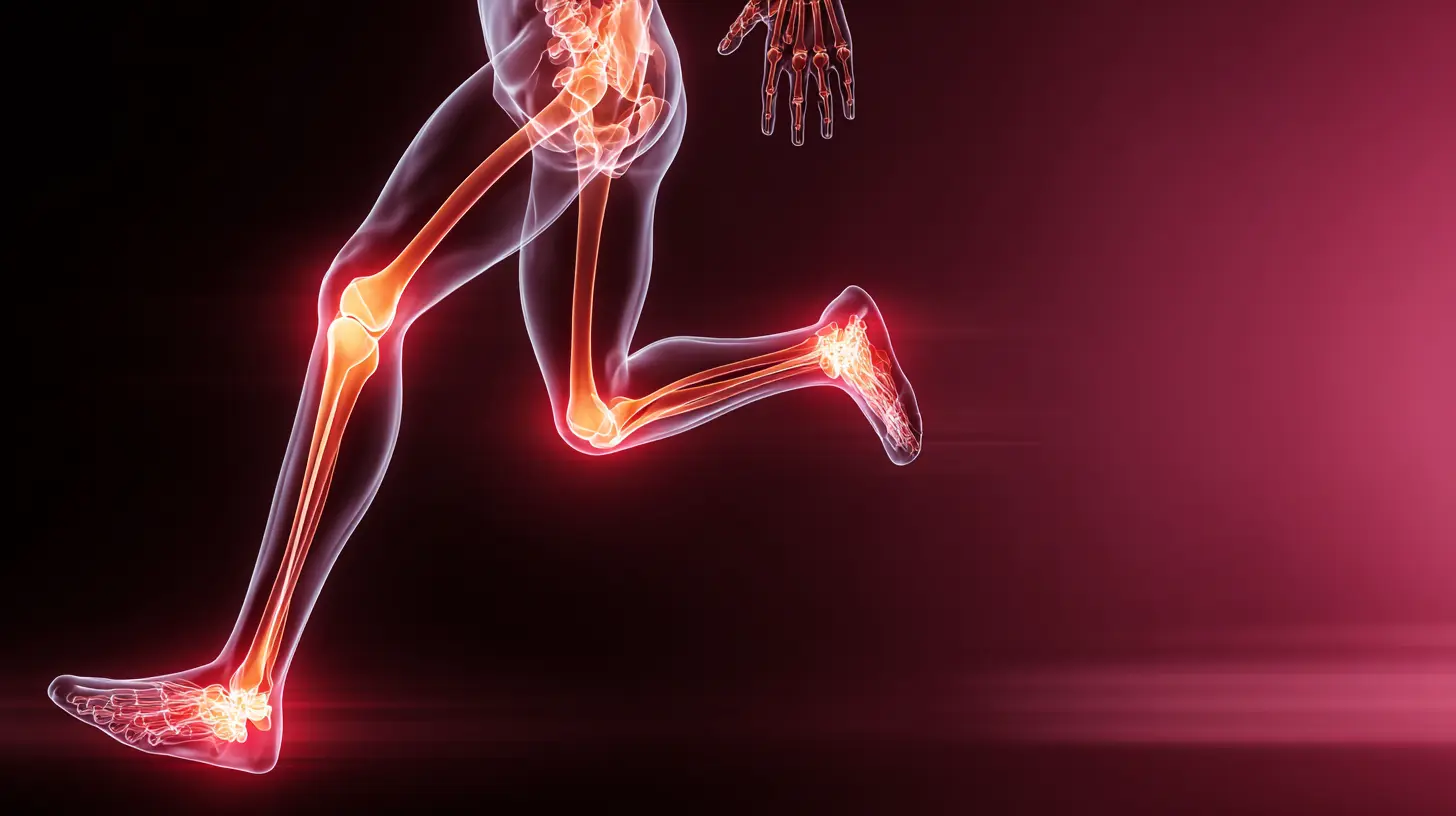
2. Maintain a Healthy Weight
Did you know that every extra pound you carry puts additional stress on your joints, especially your knees, hips, and lower back? Excess weight increases the risk of joint problems like osteoarthritis.How to Manage Your Weight for Joint Health
- Eat mindfully – Stick to whole foods, lean proteins, fruits, and veggies.- Stay hydrated – Drinking enough water keeps your joints lubricated.
- Portion control – Eating the right amount of food prevents weight gain.
Losing even a few pounds can make a big difference in reducing joint pain and discomfort. 
3. Eat Joint-Friendly Foods
What you eat plays a significant role in joint health. Some foods fight inflammation, strengthen cartilage, and keep your joints pain-free.Best Foods for Healthy Joints
✅ Fatty fish (salmon, tuna, mackerel) – Rich in omega-3 fatty acids that reduce inflammation.✅ Leafy greens (spinach, kale, broccoli) – Packed with antioxidants that protect joint tissues.
✅ Nuts and seeds (almonds, walnuts, flaxseeds) – Provide healthy fats essential for joint lubrication.
✅ Turmeric and ginger – Natural anti-inflammatory spices that ease joint pain.
✅ Dairy or plant-based calcium sources – Strengthens bones and joints.
Tip: Avoid processed foods, sugary drinks, and excessive red meat, which can increase inflammation in the body.
4. Stay Hydrated – Lubricate Your Joints
Think of your joints as a car engine—without enough oil, things start grinding and wearing out quickly. Your joints need proper hydration to stay lubricated and function smoothly.Make sure to drink at least 8 glasses of water per day (more if you’re active). Herbal teas and water-rich fruits like cucumbers and watermelon can also help keep your body hydrated.
5. Protect Your Joints from Injury
Once damaged, joints take a long time to heal. Prevent unnecessary strain by protecting your joints during daily activities.Joint Protection Tips
- Use proper posture while sitting, standing, or lifting objects.- Wear supportive shoes that cushion impact on your knees and hips.
- Avoid repetitive movements that cause stress on the same joints.
- If lifting something heavy, use your legs instead of your back.
Being mindful of how you move can prevent unnecessary strain and long-term damage.
6. Get Enough Rest and Proper Sleep
Your body repairs itself while you sleep, and your joints are no exception. A poor sleep schedule can contribute to inflammation and worsen joint pain.How to Improve Sleep for Joint Health
- Stick to a consistent sleep schedule.- Invest in a supportive mattress and pillows.
- Avoid screens before bedtime to ensure a deeper rest.
If joint pain keeps you awake at night, try using a warm compress or elevating your legs with a pillow.
7. Manage Stress – Your Joints Feel It Too!
Believe it or not, stress can wreak havoc on your joints. When you're stressed, your body releases cortisol, a hormone that increases inflammation. Over time, chronic stress can contribute to joint stiffness and discomfort.Stress-Relief Tips for Joint Health
- Practice deep breathing or meditation.- Engage in hobbies that bring you joy.
- Take short walks in nature to clear your mind.
Reducing stress not only benefits your joints but improves overall well-being.
8. Consider Supplements for Joint Support
If you're struggling with joint stiffness or pain, certain supplements may help. Always consult with a healthcare provider before starting any new supplements.Best Supplements for Joint Health
- Glucosamine and chondroitin – Help maintain cartilage elasticity.- Collagen peptides – Improve joint flexibility and skin elasticity.
- Vitamin D and calcium – Strengthen bones and support joint health.
- Omega-3 fatty acids – Reduce inflammation and keep joints lubricated.
Adding the right supplements to your diet can provide extra support for aging joints.
9. Listen to Your Body – Don’t Ignore Pain
Pain is your body's way of signaling that something is wrong. If you experience frequent joint pain, stiffness, or swelling, don’t ignore it. Early intervention can prevent more serious issues down the road.Consult a professional if:
✅ Your joint pain persists for more than a few weeks.
✅ You notice redness, swelling, or limited mobility.
✅ Pain is interfering with your daily activities.
Catching joint problems early can save you from long-term discomfort.
10. Stay Consistent – Joint Health Is a Lifelong Commitment
Taking care of your joints isn’t a one-time fix—it’s a lifelong habit. The small choices you make every day add up to better mobility, less pain, and a higher quality of life.Make it a priority to stay active, eat well, hydrate, and listen to your body. Your future self will thank you!
Final Thoughts
Aging doesn't mean you have to give up your active lifestyle. By adopting healthy habits now, you can maintain strong, flexible, and pain-free joints well into your golden years.Remember, prevention is always better than treatment. Take proactive steps today, and keep moving with ease for years to come!
all images in this post were generated using AI tools
Category:
Healthy JointsAuthor:

Laurie Barlow