Intermittent Fasting for Hormonal Balance: A Guide
26 January 2026
Hormones play a crucial role in our overall health, impacting everything from metabolism and mood to sleep and reproduction. If your hormones are out of whack, you might experience weight gain, fatigue, mood swings, or even more serious health issues. One natural way to help regulate hormones? Intermittent fasting (IF).
This eating pattern has gained popularity not just for weight loss but also for its powerful effects on hormone balance. But how exactly does skipping meals influence our hormones? Let's break it down in a simple, digestible way.
What is Intermittent Fasting?
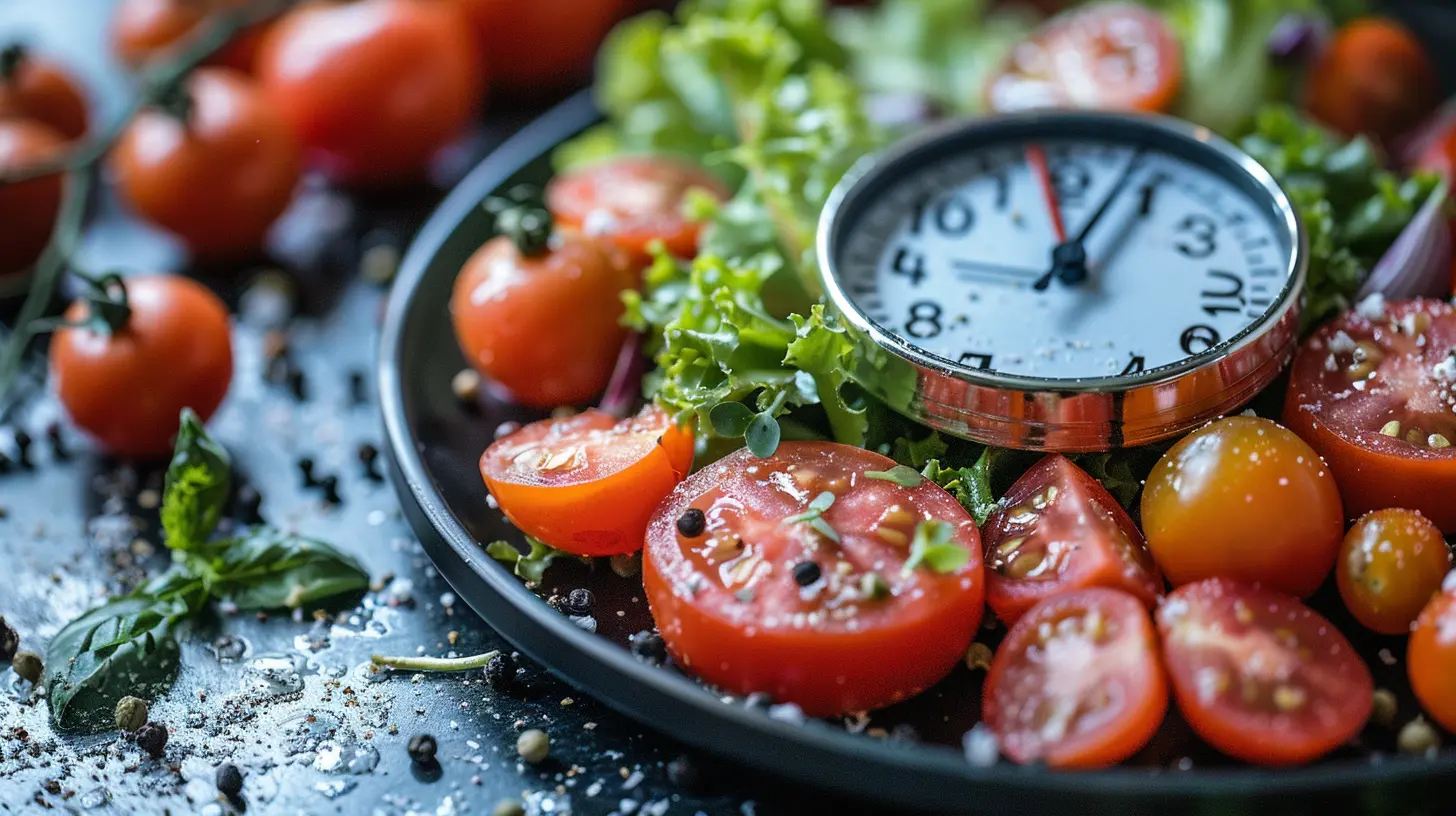
Intermittent fasting isn't so much about what you eat, but when you eat. It's a pattern of cycling between periods of eating and fasting, giving your body a break from constant digestion.The most common IF methods include:
- 16/8 Method – Fasting for 16 hours and eating within an 8-hour window
- 5:2 Diet – Eating normally for five days and drastically reducing calorie intake for two days
- Eat-Stop-Eat – Fasting for a full 24 hours once or twice a week
- Alternate Day Fasting – Alternating between fasting days and regular eating days
No matter which method you choose, IF can have a profound impact on hormonal balance. Let's dive into how. 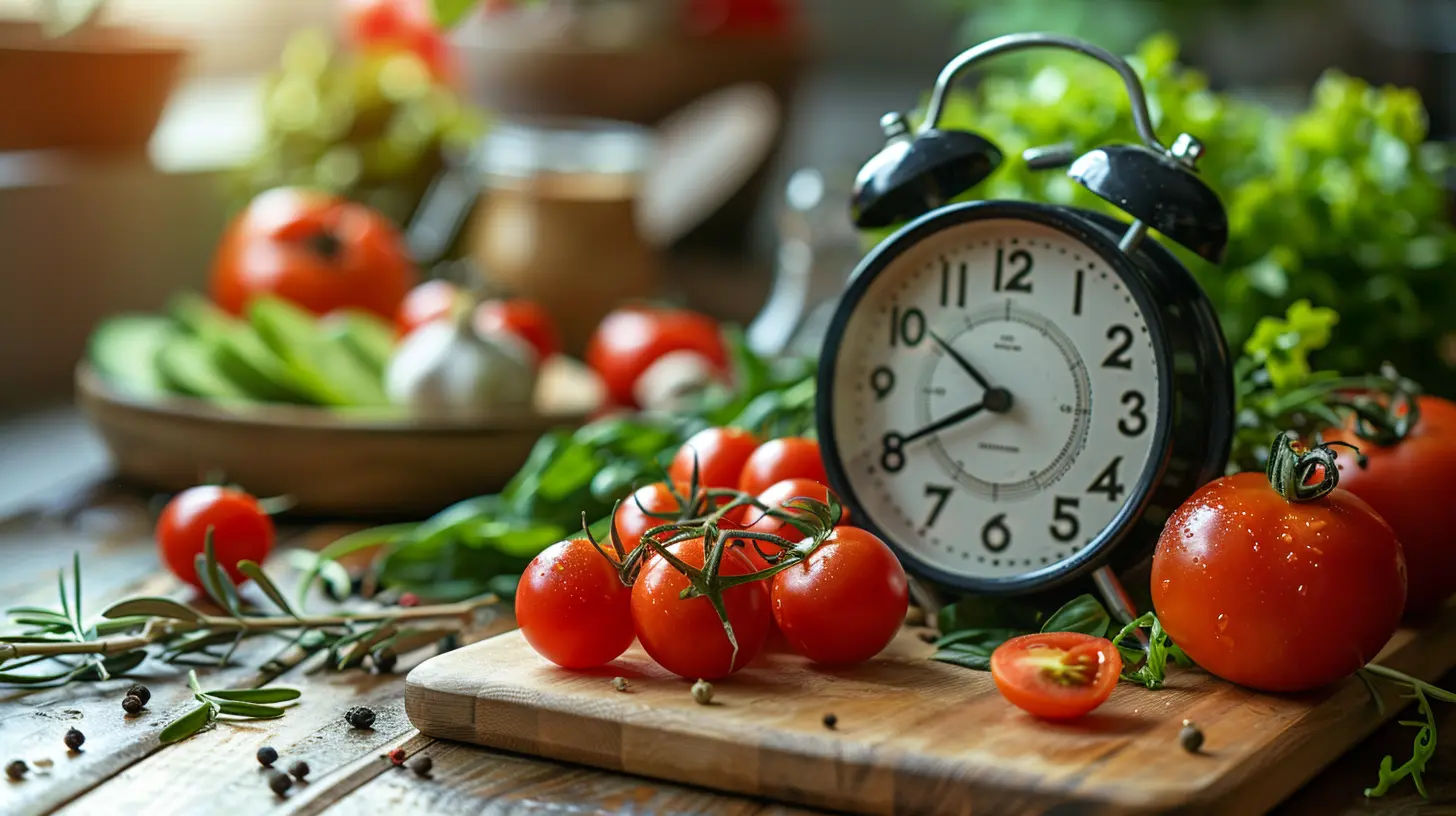
How Intermittent Fasting Affects Your Hormones
1. Insulin: The Fat-Storing Hormone
Insulin is a hormone that helps regulate blood sugar levels. When you eat frequently, insulin levels stay elevated, making it harder to burn fat.Intermittent fasting reduces insulin levels, allowing your body to tap into stored fat for energy. Lower insulin levels may also help those with insulin resistance, which is often linked to type 2 diabetes and PCOS.
How IF Helps:
✔ Improves insulin sensitivity✔ Reduces the risk of type 2 diabetes
✔ Supports fat burning and weight loss
2. Cortisol: The Stress Hormone
Cortisol is released in response to stress. While some cortisol is necessary, chronically high levels can contribute to weight gain, anxiety, and sleep disturbances.Intermittent fasting may slightly raise cortisol in the short term, but over time, it helps regulate the body's stress response, promoting better emotional and physical well-being.
How IF Helps:
✔ Supports better stress management✔ Improves sleep quality
✔ Reduces inflammation
3. Human Growth Hormone (HGH): The Anti-Aging Hormone
HGH is essential for muscle growth, fat metabolism, and overall vitality. Fasting has been shown to significantly boost HGH levels, helping with muscle preservation and fat loss.How IF Helps:
✔ Enhances muscle growth and recovery✔ Helps with fat metabolism
✔ Supports anti-aging benefits
4. Leptin & Ghrelin: The Hunger Hormones
Leptin tells your body when you're full, while ghrelin signals hunger. When these hormones are imbalanced, you might experience constant hunger and cravings.Fasting helps regulate these hormones, making you more in tune with your natural hunger signals and reducing overeating.
How IF Helps:
✔ Decreases constant hunger and cravings✔ Improves appetite control
✔ Promotes mindful eating habits
5. Estrogen & Progesterone: Female Hormones
For women, intermittent fasting can influence estrogen and progesterone levels. While some benefit from IF, others may need to approach it with caution, especially if they experience irregular periods or hormonal imbalances.Women should opt for a more gentle fasting approach, such as a 12- to 14-hour fast, to ensure they don't create additional stress on their bodies.
How IF Helps:
✔ May improve symptoms of PCOS✔ Supports healthy estrogen balance
✔ Can help with menstrual regularity (if done correctly)
Intermittent Fasting & Women's Hormones – What You Should Know
While intermittent fasting offers numerous benefits, women need to approach it differently than men. The female body is highly sensitive to calorie restriction, as it directly impacts reproductive hormones.Tips for Women Starting IF:
- Start with a 12-hour fast and gradually increase if it feels good- Avoid long fasts during your menstrual cycle if you feel fatigued
- Listen to your body—if you experience dizziness, irregular periods, or major fatigue, adjust your fasting window
- Prioritize nutrient-dense meals to support hormonal balance

What to Eat When You Break Your Fast
Fasting is only part of the equation—what you eat when you break your fast is just as important.Best Foods for Hormonal Balance:
- Healthy Fats: Avocados, nuts, olive oil, fatty fish- Protein: Chicken, eggs, lentils, bone broth
- Fiber-Rich Vegetables: Leafy greens, broccoli, sweet potatoes
- Hormone-Supportive Foods: Flaxseeds, chia seeds, fermented foods
Avoid processed sugars and refined carbs, as they can spike blood sugar levels and disrupt hormones.
Common Mistakes to Avoid
Starting intermittent fasting can feel overwhelming, and mistakes happen. Here are some common pitfalls and how to avoid them:1. Overeating After Fasting
Breaking your fast with junk food? Big mistake. Aim for balanced, nutrient-dense meals instead.2. Not Drinking Enough Water
Dehydration can lead to fatigue and headaches. Keep water and herbal teas on hand throughout your fast.3. Fasting Too Aggressively
Diving straight into a 24-hour fast? It’s better to ease in gradually to avoid unnecessary stress on your body.4. Ignoring Your Body’s Signals
If fasting makes you feel constantly exhausted or irritable, it might not be the best fit for you. Listen to your body and adjust accordingly.Is Intermittent Fasting Right for You?
Intermittent fasting isn’t a one-size-fits-all approach. Some people thrive on it, while others struggle. Your body is unique, so it's important to experiment and find what works best for you.If you have a history of disordered eating, hormonal conditions, or chronic illness, consult a healthcare professional before trying intermittent fasting.
Final Thoughts
Intermittent fasting can be a powerful tool for balancing hormones, supporting weight loss, and improving overall well-being. By understanding how it affects insulin, cortisol, hunger hormones, and female reproductive hormones, you can use IF to work with your body instead of against it.Remember, small, sustainable changes often lead to the best results. Give intermittent fasting a try and see how your body responds—you just might be surprised at how great you feel!
all images in this post were generated using AI tools
Category:
Intermittent FastingAuthor:

Laurie Barlow
Discussion
rate this article
2 comments
Kova Bailey
Ready to shake up your meal routine? Intermittent fasting isn't just a trendy diet; it's a fun way to give your hormones a little TLC! Think of it as a spa day for your body—relax, reset, and let those hormones dance the tango! 💃🍽️
February 9, 2026 at 4:36 AM
Laurie Barlow
Absolutely! Intermittent fasting can be a refreshing approach to support hormonal balance and overall wellness. Let’s embrace the spa vibes for our bodies! 🌟
Valentina Benton
Great article! Intermittent fasting is like a reset button for your hormones. It’s an exciting journey to explore! Just remember to listen to your body and enjoy the process—balance is the key to happiness and health. You've got this!
January 26, 2026 at 5:26 AM
Laurie Barlow
Thank you for your insightful comment! I completely agree—listening to your body and finding balance are crucial for a successful journey with intermittent fasting. Happy exploring!