How Eating Organic Can Support Your Weight Loss Journey
16 May 2026
Losing weight is no easy feat. With so much conflicting advice out there, it’s easy to feel lost. But what if one simple change could give you an edge? Eating organic might just be that secret weapon. Sure, it’s a little pricier, but when it comes to shedding pounds and improving overall health, it could be worth every penny.
So, how exactly does eating organic support your weight loss journey? Let’s break it down.
What Does "Organic" Actually Mean?
Before we dive into the benefits, let’s get clear on what "organic" really means. Organic food is grown without synthetic pesticides, herbicides, artificial fertilizers, or genetically modified organisms (GMOs). Organic meat, dairy, and eggs come from animals that are raised without antibiotics or growth hormones and are often given access to the outdoors.In short, organic foods are as close to nature as possible. No harmful chemicals, no artificial junk—just real, wholesome nutrition. Now, let’s see how that helps with weight loss.
1. Fewer Toxins, Better Metabolism
Your metabolism plays a huge role in how efficiently your body burns fat. When you eat non-organic foods, you’re likely consuming pesticide residues, artificial additives, and preservatives that can mess with your hormones and slow down your metabolism.Many pesticides are known as "endocrine disruptors," meaning they interfere with your body’s natural hormone functions. Some studies suggest these disruptors may contribute to weight gain by affecting how your body stores fat.
Switching to organic reduces your exposure to these harmful chemicals, helping your body's metabolism run smoothly. A well-functioning metabolism means better calorie burning and, ultimately, weight loss.
2. Organic Foods Are More Nutrient-Dense
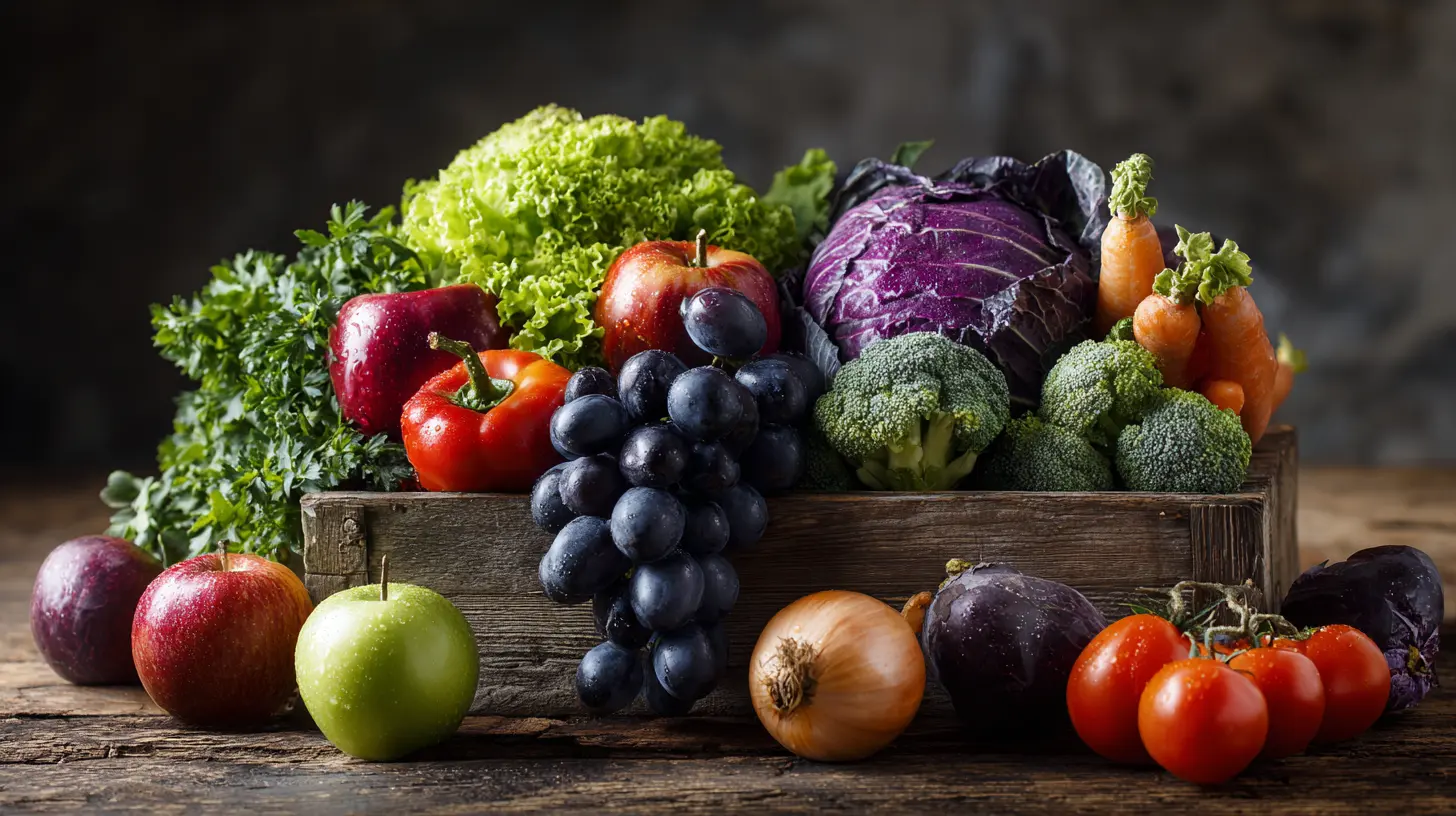
Did you know that organic produce often contains more vitamins, minerals, and antioxidants than conventionally grown produce? When crops aren’t overloaded with chemicals and synthetic fertilizers, they develop stronger natural defense mechanisms. This often results in higher nutrient content.More nutrients mean better nourishment for your body. When you're adequately nourished, your cravings for unhealthy snacks decrease. Say goodbye to those uncontrollable urges for junk food!
3. No Hidden Hormones or Antibiotics
Non-organic meat and dairy often contain artificial hormones and antibiotics, which can mess with your body's natural balance. These hormones may promote weight gain by increasing fat storage and altering hunger signals.Choosing organic meat and dairy ensures you aren’t consuming unnecessary hormones that could sabotage your weight loss progress. Instead, you get cleaner, more natural protein sources that help build muscle and burn fat effectively.
4. Organic Foods Keep You Feeling Full Longer
Ever notice how junk food leaves you feeling hungry an hour later? That’s because highly processed, non-organic foods often lack fiber and essential nutrients. They cause blood sugar spikes and crashes, leading to more hunger and unnecessary snacking.Organic foods, especially fruits, vegetables, and whole grains, are packed with fiber. Fiber is essential for weight loss because it slows digestion, keeps you full longer, and stabilizes blood sugar levels. When you feel satisfied, you’re less likely to overeat.
5. Organic Foods Help Reduce Inflammation
Chronic inflammation can make it harder to lose weight. Many processed foods contain artificial additives, preservatives, and unhealthy oils that trigger inflammation in the body.Organic foods, on the other hand, are free from these harmful ingredients and are rich in anti-inflammatory compounds. A diet lower in inflammation makes it easier for your body to burn fat rather than store it.
6. Supports a Healthy Gut
Your gut health plays a significant role in weight management. Pesticides and artificial chemicals in non-organic foods can disrupt your gut microbiome, leading to bloating, poor digestion, and weight gain.Organic foods are free from these harmful substances and are often richer in probiotics and prebiotics, which support a healthy gut. A well-balanced gut leads to better digestion, fewer cravings, and improved weight loss results.
7. Encourages Mindful Eating
When you choose organic, you naturally become more selective about what you put in your body. This mindset shift makes you more aware of portion sizes, ingredients, and overall food quality.Mindful eating helps prevent binge eating, emotional eating, and unnecessary snacking. The more intentional you are about your food choices, the easier it becomes to stick to a weight loss plan.
8. Organic Food Tastes Better!
Let’s not forget the taste. Organic food often has a richer, fresher flavor because it’s grown naturally without artificial enhancers. When food tastes better, you're more likely to enjoy healthy meals rather than crave overly processed snacks.
Tips for Incorporating Organic Foods into Your Diet
Eating organic doesn’t have to be overwhelming or expensive. Here are some simple ways to make the switch:- Prioritize Organic for High-Risk Foods: Some foods contain more pesticides than others. The "Dirty Dozen" list (like strawberries, spinach, and apples) is a good guide for choosing organic.
- Start with Small Changes: Swap conventional dairy, meat, and eggs for organic versions first, then move toward organic produce.
- Shop Local: Farmers' markets often have organic produce at lower prices than grocery stores.
- Buy in Bulk: Many organic dry goods like rice, beans, and nuts are cheaper when bought in bulk.
- Grow Your Own: Even a small herb garden or a few tomato plants can make a difference!
Final Thoughts
Losing weight is about more than just counting calories—it’s about nourishing your body with the right foods. Organic foods offer cleaner nutrition, fewer harmful chemicals, and numerous benefits that support a healthy weight loss journey.By making small, intentional changes toward organic eating, you set yourself up for long-term success. So, next time you're at the grocery store, consider reaching for that organic apple instead of the conventional one. Your body will thank you!
all images in this post were generated using AI tools
Category:
Organic FoodsAuthor:

Laurie Barlow
Discussion
rate this article
2 comments
Jillian McGuffin
Eating organic can make a real difference in your weight loss journey. Organic foods often have fewer additives and pesticides, which may lead to better digestion and nutrient absorption. It's a smart choice for overall health and wellness.
June 28, 2026 at 3:04 PM
Laurie Barlow
Absolutely, choosing organic can enhance your weight loss efforts by promoting better digestion and nutrient intake. It's a step toward healthier living.
Opal Benson
Organic food: your tasty ally in shedding those stubborn pounds.
May 26, 2026 at 4:10 AM
Laurie Barlow
Thanks for your feedback! Organic food can really make a difference on the journey to better health.