How to Stock Your Pantry When Managing Multiple Food Allergies
6 December 2025
Managing one food allergy is a challenge—but juggling multiple? That’s a whole different beast. If you've found yourself reading labels until your eyes cross, or Googling "substitutes for [insert allergen here]" every time you cook dinner, you're not alone. Stocking a safe, allergy-friendly pantry can feel like trying to solve a puzzle with missing pieces.
But here's the good news: it doesn't have to be so overwhelming. With a little planning, some smart shopping, and a dash of creativity, you can build a pantry that's both safe and satisfying. Whether you're raising a child with allergies, navigating your own dietary restrictions, or just trying to keep your household safe, this guide breaks it all down.
Let’s roll up our sleeves and talk about how to stock your pantry when managing multiple food allergies—without losing your sanity.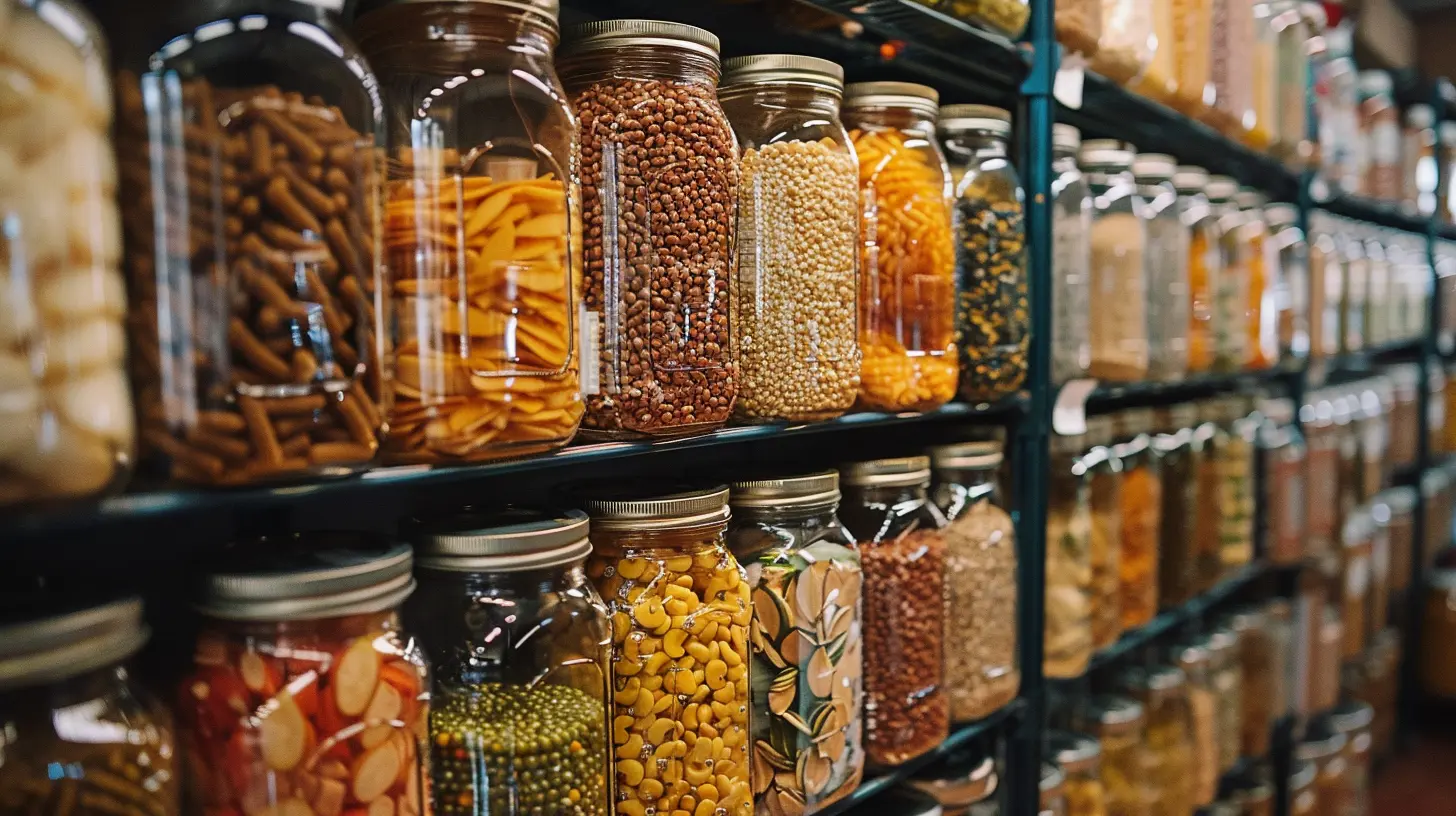
Understanding Your Allergy Landscape
Before you even start reorganizing your pantry shelves, it's crucial to get specific about the allergies you're managing. Are they yours? A family member’s? Do you need to avoid peanuts, tree nuts, gluten, dairy, soy, shellfish, eggs—or all of the above?Know Your Triggers
First things first, make a list of all the allergens you're avoiding. Seriously. Write it down. Tape it to your fridge if you have to. This list becomes your guiding light any time you shop for groceries or prepare meals.Don't forget about cross-reactive foods or ingredients that are often hidden under sneaky names. For instance, "casein" is a milk protein, and "albumin" comes from eggs. A little label-reading knowledge goes a long way.
Consult a Dietitian
If you're managing several allergies—especially the big ones like dairy, wheat, or soy—it’s worth connecting with a registered dietitian. They can help you plan balanced meals and avoid common nutrient gaps.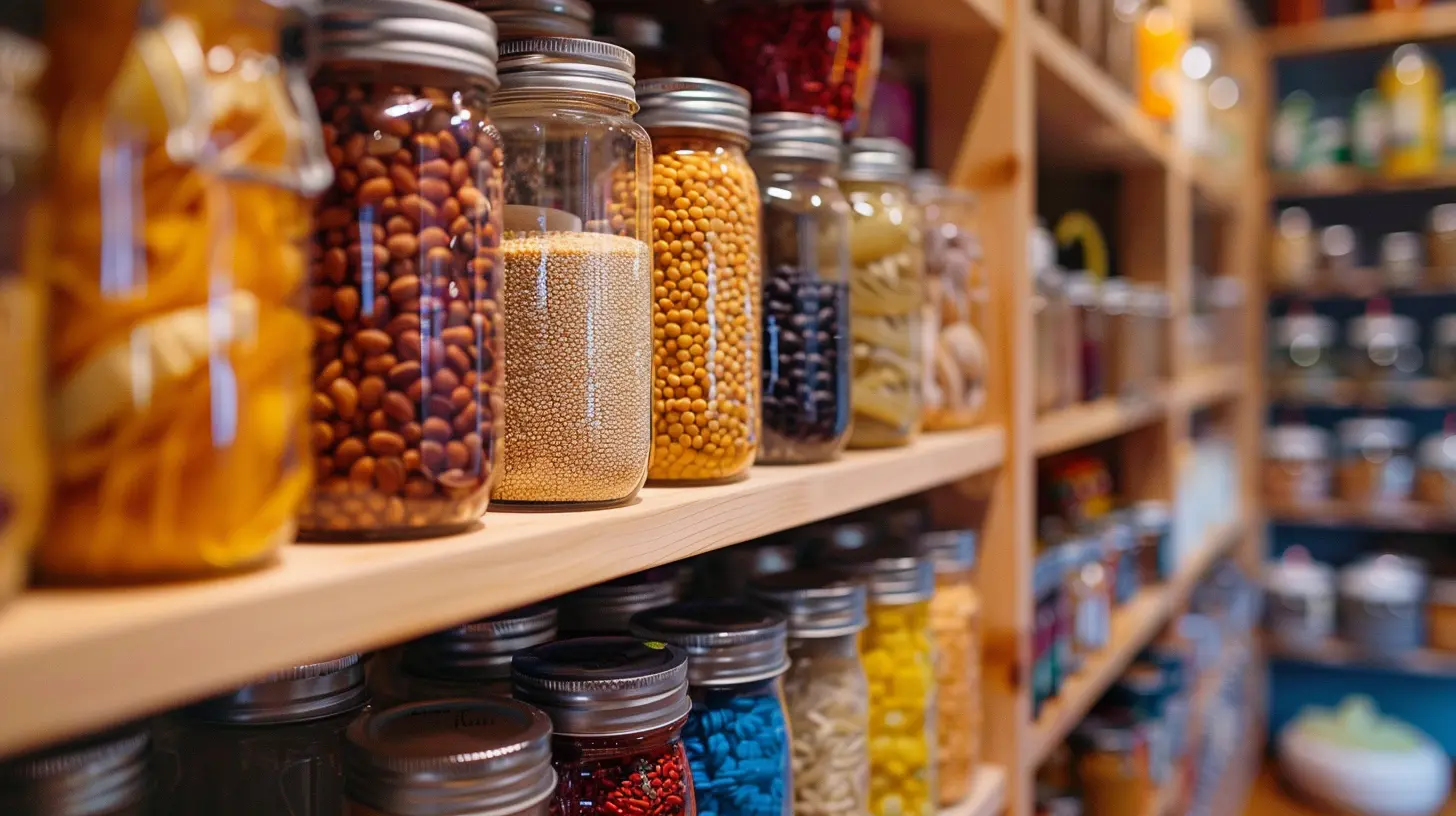
The Golden Rule: Read Every Label, Every Time
Even your favorite "safe" brands can change ingredients without notice. Manufacturers tweak formulas, ingredient sources shift, and facilities change. So yes, even if you've bought that almond-free granola for years, give the label a glance before tossing it into your cart.Bonus tip? Look for brands that are certified allergen-free or labeled with a "Made in an Allergen-Free Facility" stamp when possible. These help reduce the risk of cross-contamination.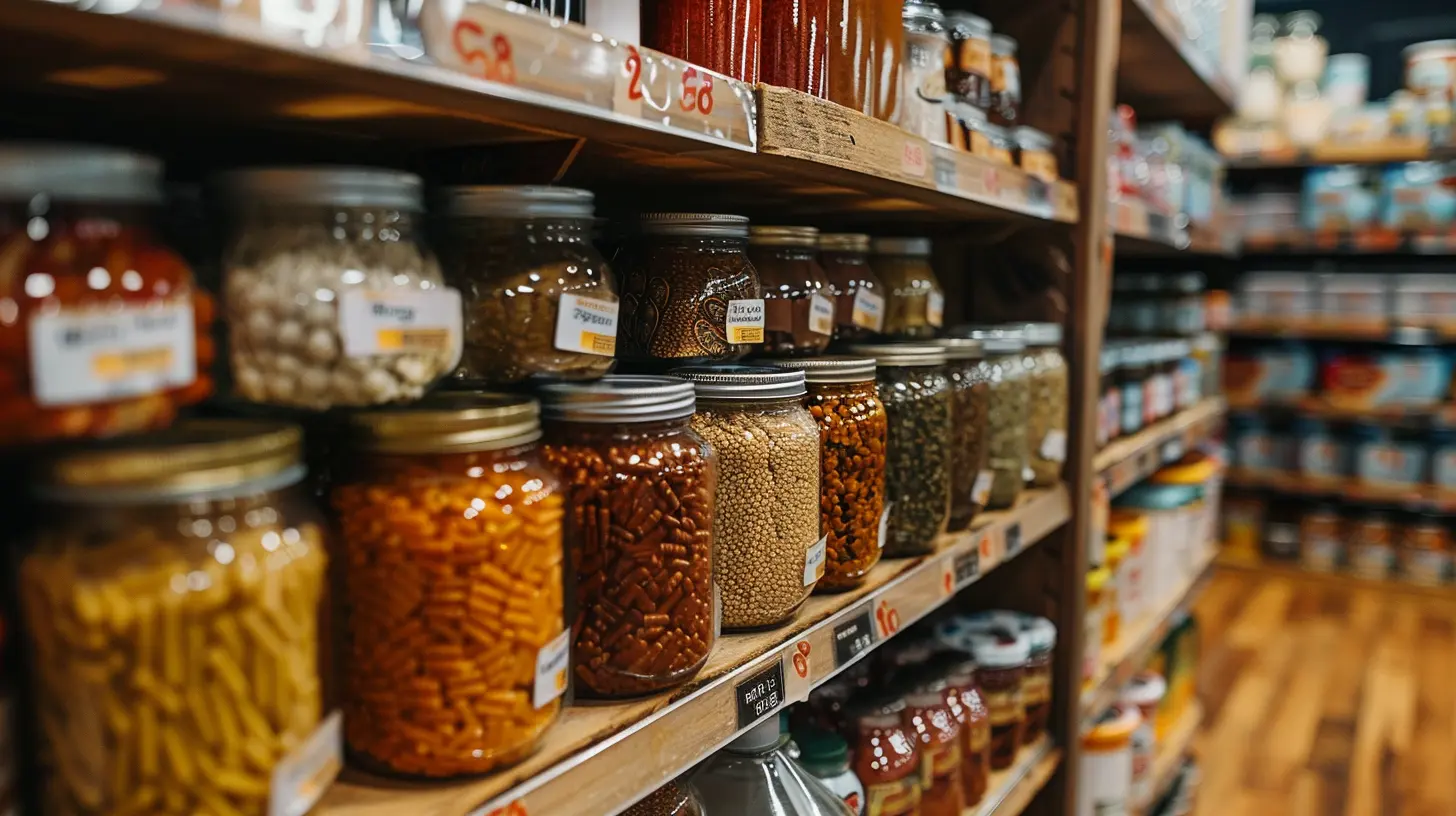
Planning Your Allergy-Friendly Pantry Staples
Okay, now onto the fun part: stocking your pantry with foods you can trust. Let’s break it down by category to make it easier.1. Grains and Flours
Bread and baking can be tricky when you’re avoiding gluten, eggs, or dairy. Keep these allergy-friendly grains and flours on hand:- Gluten-free oats (make sure they’re certified gluten-free)
- Brown rice, white rice, and wild rice
- Quinoa – it's a protein powerhouse!
- Millet, amaranth, and teff – great for variety
- Gluten-free flours like coconut, cassava, chickpea, sorghum, and rice flour
- Cornmeal and polenta (opt for non-GMO and allergen-free)
Don’t forget pre-made allergy-friendly baking mixes. Brands like Namaste or Enjoy Life often cater to multiple allergies.
2. Legumes and Plant-Based Proteins
Beans are your best friend when avoiding animal products or allergens like meat, dairy, or soy. Keep these pantry staples stocked:- Canned or dried beans (chickpeas, lentils, black beans, kidney beans)
- Canned peas
- Split peas and mung beans
- Sunflower seed butter (a great nut butter alternative!)
- Pumpkin seed butter or tahini (if sesame isn’t an allergen for you)
Just make sure those cans are BPA-free, and always rinse beans before cooking.
3. Canned and Jarred Goods
These are your pantry superheroes, especially on a busy night:- Tomato products: crushed tomatoes, paste, sauce (make sure there’s no hidden dairy or soy)
- Coconut milk (great dairy substitute for sauces and baking)
- Applesauce (a dream egg replacer in baking)
- Olives, capers, and pickles (double-check for allergens in vinegar-based brines)
- Broths and stocks (opt for allergen-free brands or make your own)
Stock a few jars of safe pasta sauce, salsa, and tahini-style spreads, too. They add instant flavor!
4. Safe Snacks and Treats
Because life without snacks? No thank you.- Rice cakes or puffed rice snacks
- Popcorn kernels
- Freeze-dried fruit
- Allergy-friendly protein or granola bars (check out brands like MadeGood or Enjoy Life)
- Allergen-free chocolate chips
- Dried fruits (unsweetened, no sulfur dioxide if you’re sensitive)
Treats are totally allowed—just make sure they’re safe!
Don’t Forget the Fridge and Freezer!
While this article’s pantry-focused, let’s be real—a well-stocked allergy-friendly kitchen also needs some fridge and freezer love.Freezer Must-Haves
- Pre-cooked rice or baked sweet potatoes- Allergy-friendly frozen waffles or pancakes
- Frozen veggies and fruits
- Safe frozen meals (make extras and freeze!)
- Frozen vegan/gluten-free bread
Fridge Staples
- Homemade salad dressings- Plant-based milks (oat, rice, hemp – depending on your allergies)
- Safe egg and dairy alternatives
- Pre-cut veggies for snacking
It’s all about having easy, go-to options at your fingertips.
Smart Swaps for Common Allergens
Let’s talk substitutions, because good food doesn’t mean you have to sacrifice taste or texture.| Allergen | Smart Alternatives |
|---------|-------------------|
| Milk | Oat, rice, hemp, or coconut milk |
| Eggs | Applesauce, mashed banana, chia "egg", flax "egg" |
| Wheat | Gluten-free flours, almond flour (if nuts are safe), cassava flour |
| Peanuts | Sunflower seed butter, pumpkin seed butter |
| Soy | Coconut aminos (instead of soy sauce), soy-free vegan cheeses |
| Shellfish | Jackfruit, hearts of palm, or mushrooms for texture |
| Tree Nuts | Seeds (sunflower, pumpkin), granola made with seeds |
Remember—what works for one person may not work for another. Trial and error is part of the process.
Organization Hacks to Keep It All Straight
Trust me, organization is your best friend when managing multiple allergies. Here’s how to keep things tidy and safe:- Label everything. Use colored tape or markers for quick allergen ID.
- Use bins or baskets. Separate allergen-free ingredients from other foods (especially if not everyone in your home has allergies).
- Ditch bulk bins. Sounds eco-friendly, but cross-contamination is risky.
- Keep a master list. Track your favorite brands and products so you’re not starting from scratch every shopping trip.
Bulk Buying Without the Risk
Buying in bulk is great for your wallet, but it can be risky if cross-contamination is a concern. Here are some low-risk options:- Purchase factory-sealed large packages from trusted brands
- Shop online from allergen-aware stores
- Store items in airtight containers with clear labels
Always prioritize safety over savings if you’re unsure. One allergic reaction isn't worth a few bucks saved.
What About Dining Out or Hosting Guests?
Let’s be honest—eating out or hosting friends when you or a family member has multiple allergies can be nerve-wracking. When in doubt:- Host the dinner! That way, you control the ingredients.
- Make a safe dish to bring to parties.
- Keep a list of go-to restaurants with allergy protocols.
- Have “emergency snacks” for events (just in case).
The pantry you build becomes your safety net in everyday life—but also gives you confidence when stepping outside your home.
Final Thoughts: Make it Work For You
Stocking your pantry with multiple food allergies feels like building a fortress—and in many ways, it is. You're creating a safe zone where you can cook, snack, and nourish yourself or your loved ones without stress.It takes extra effort, sure. But you're not just "avoiding allergens"—you're building a food system that works for you. You're empowering yourself to eat well, feel good, and enjoy food again. And isn’t that what it's all about?
So grab your grocery list, think through your go-to meals, and start building a pantry that feels like home.
all images in this post were generated using AI tools
Category:
Food AllergiesAuthor:

Laurie Barlow
Discussion
rate this article
2 comments
Yasmeen McFarlane
Navigating food allergies can be challenging, but with a well-stocked pantry, you hold the key to delicious, safe meals! Embrace creativity and explore new ingredients. Every step you take towards better health is a victory. You've got this—let your pantry empower you!
December 13, 2025 at 5:34 PM
Laurie Barlow
Thank you for your encouragement! A well-stocked pantry truly makes navigating food allergies much easier and more enjoyable. Let's get creative!
Nala McCullough
Great tips! Planning ahead really makes managing food allergies much easier.
December 10, 2025 at 4:51 PM
Laurie Barlow
Thank you! I'm glad you found the tips helpful. Planning ahead is definitely key to successful allergy management!