Why You Need Healthy Fats for Better Nutrition and Longevity
26 May 2026
When you hear the word “fat,” your mind might automatically jump to greasy burgers, clogged arteries, or that persistent belly pooch we all wrestle with from time to time. But here’s the crazy part — not all fats are the bad guys. In fact, some fats are absolutely essential to your health, especially when you're chasing better nutrition and a longer, more vibrant life.
Let’s flip the script and talk about why healthy fats need a comeback — not just in your pantry, but right into your daily plate.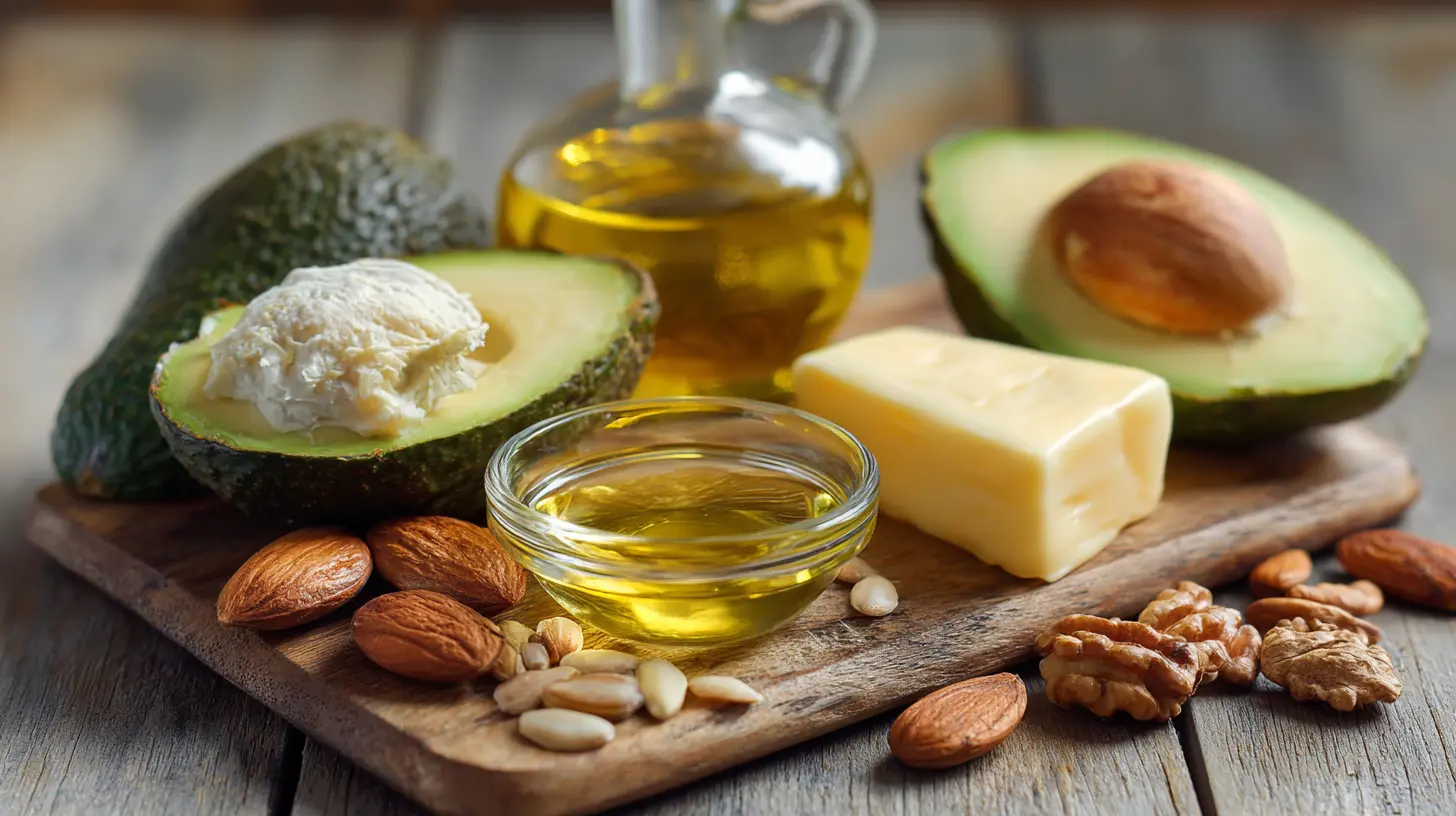
The Low-Fat Myth: Why Fats Got a Bad Rap
Remember the low-fat craze from the ‘90s? Suddenly, everything from cookies to yogurt to salad dressing dropped the fat and cranked up the sugar. That was the moment we, collectively, got it all wrong.The truth is, we were demonizing the wrong nutrient. While trans fats and processed fats are definitely not our friends, healthy fats are crucial for our brain, heart, hormones, skin — honestly, pretty much every cell in your body.
So how did this all get so twisted? It started with misinformation and snowballed into a nationwide fear of all things fatty. But lucky for us, science (and common sense) is bringing fats back where they belong — center stage in a well-balanced diet.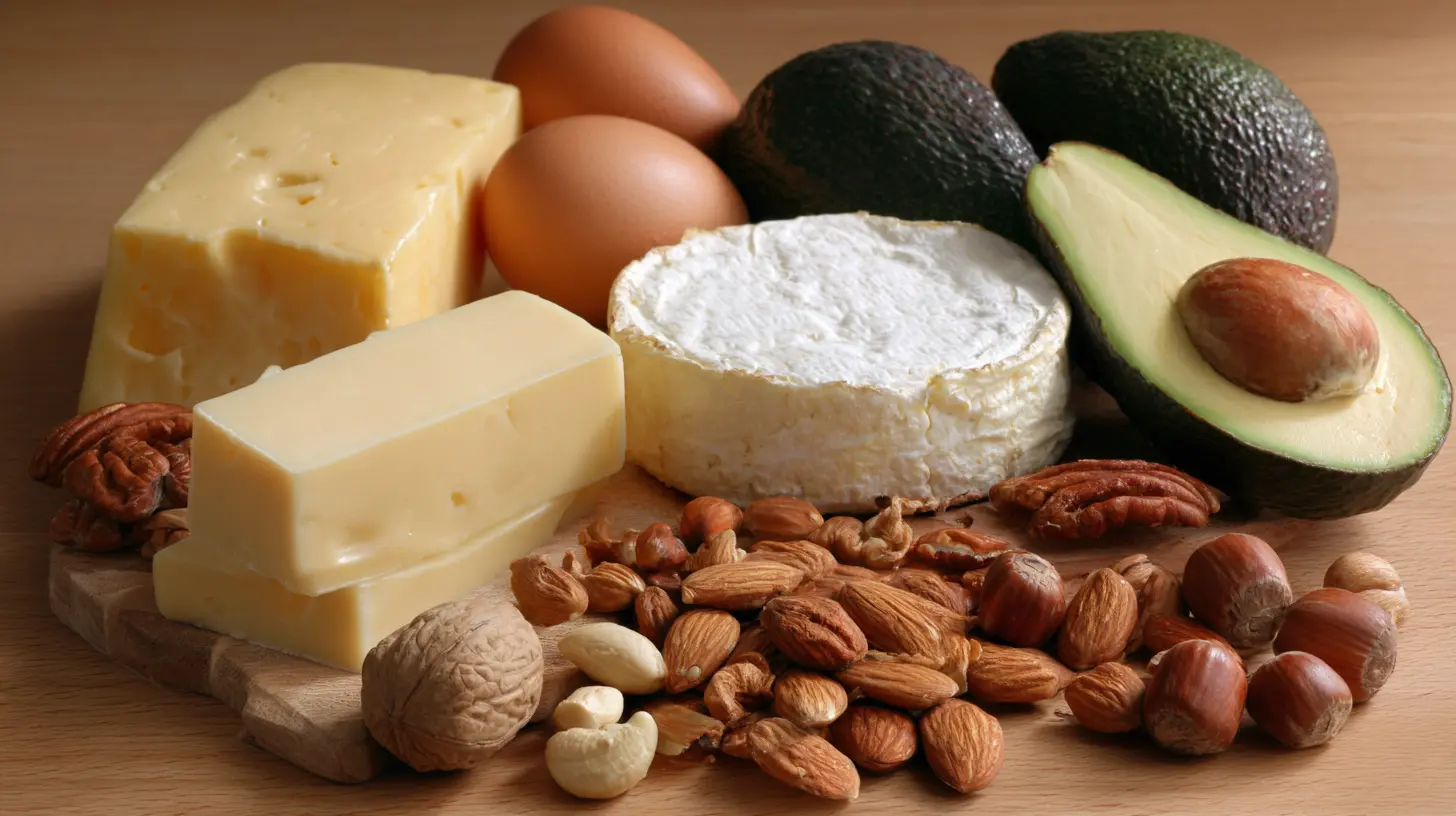
What Are Healthy Fats Anyway?
Alright, let’s clear something up. Not all fats are created equal. Here’s a quick run-through:- Monounsaturated Fats – The golden child. Found in olive oil, avocados, and nuts. Great for heart health and reducing inflammation.
- Polyunsaturated Fats – Think omega-3 and omega-6 fatty acids, found in fatty fish, flaxseeds, walnuts, and chia seeds. Vital for brain function.
- Saturated Fats – Controversial, but not evil. Found in coconut oil, dairy, and some meats. Moderation is key.
- Trans Fats – Just no. These are man-made, found in processed foods, and linked to a ton of health issues. Avoid them like that one flaky friend who only texts you when they need something.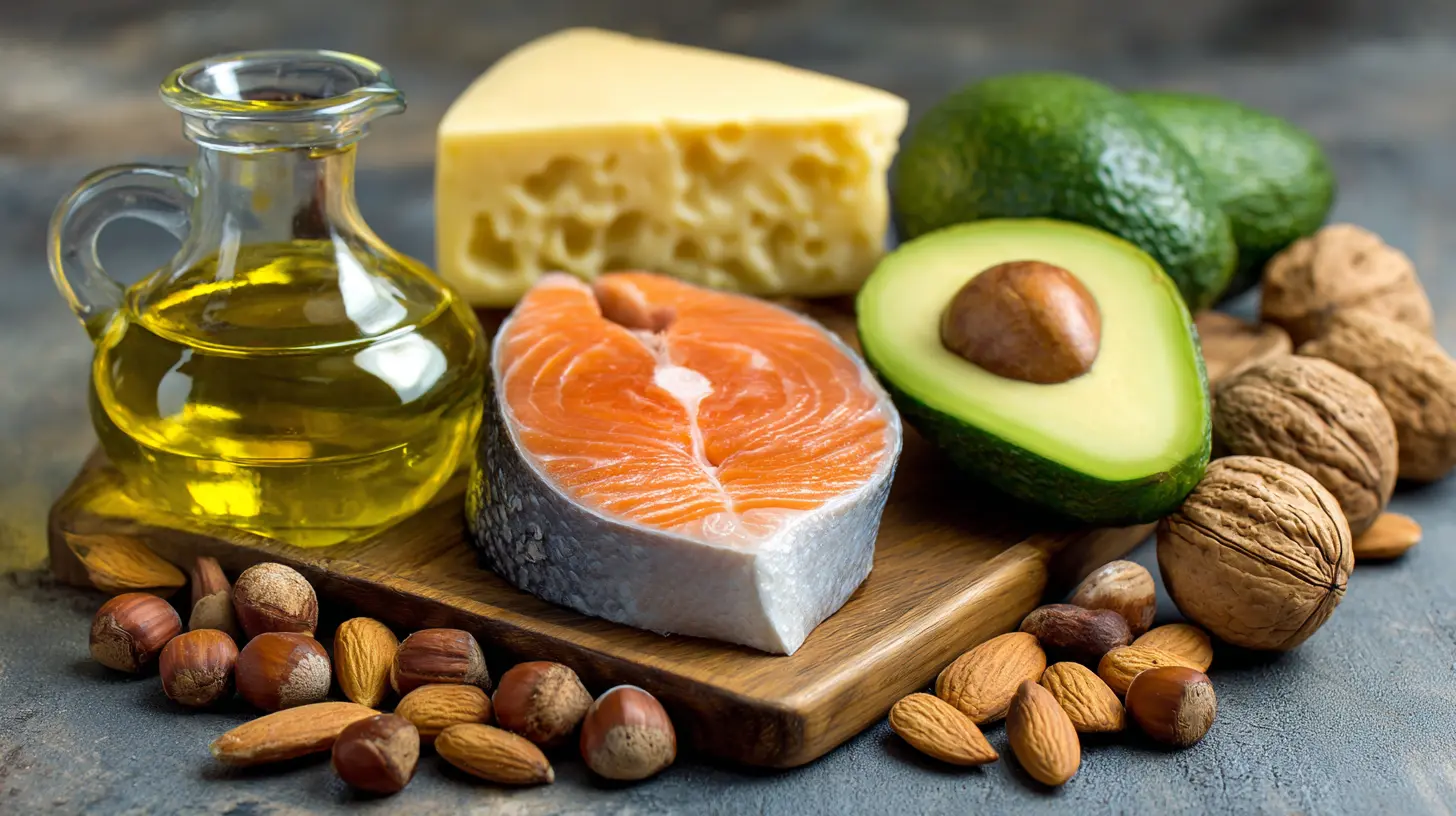
Why Your Body Needs Healthy Fats
Let’s get into the juicy details of why healthy fats are non-negotiable if you care about living a long, energetic, and balanced life.1. Fats Fuel Your Brain
Did you know your brain is made up of nearly 60% fat? So yeah, if you're skimping on healthy fats, you're literally starving your mind.Omega-3 fatty acids, in particular, are the superstars here. They boost memory, cognitive function, and even your mood. Feeling fuzzy or foggy? You might need more fat, not more coffee.
2. Hormones Love Fat
Hormones are complicated little messengers, but one thing’s for sure: they need fat to function.Cholesterol (yep, that’s a type of fat) is actually the building block for hormones like estrogen, testosterone, and cortisol. When you go too low-fat, you're basically cutting off the construction supply for your hormonal balance. Not cool.
3. Fat Helps You Absorb Essential Nutrients
Some vitamins – A, D, E, and K – are fat-soluble. Translation? Your body can only absorb them when there’s fat in the mix.So you could be eating the healthiest salad on the planet, but if you’re not adding some olive oil or avocado, you're flushing those good nutrients down the drain.
4. Fat Keeps You Full (And Sane)
Ever eat a “light” meal and feel ravenous an hour later? That’s because it probably lacked fat. Healthy fats slow digestion, keeping you feeling fuller, longer.This not only helps with appetite control but also reduces the chances of those wild blood sugar spikes that leave you cranky or craving donuts at 3 p.m.
5. Fats Support Heart Health (Surprised?)
Yes, the right fats are like bodyguards for your heart.Monounsaturated and polyunsaturated fats, especially omega-3s, help lower bad cholesterol (LDL) and raise the good kind (HDL). They also reduce blood pressure and inflammation — all major players in keeping your ticker ticking.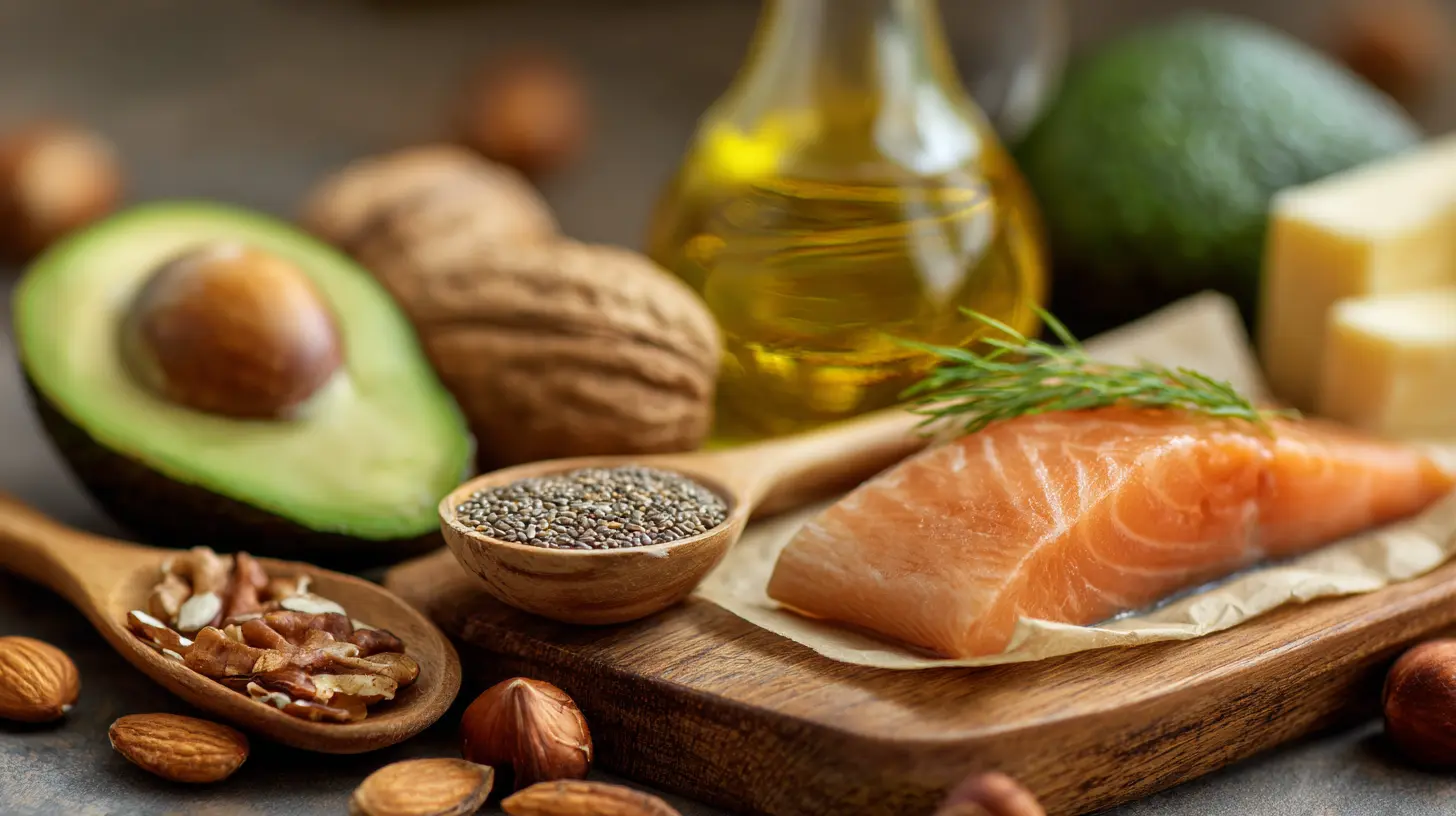
Healthy Fats and Longevity: Is There Really a Connection?
Short answer? Absolutely.Cultures known for their long lifespans — like those in the Mediterranean and parts of Japan — consume diets rich in healthy fats. We're talking olive oil, nuts, fatty fish, and more.
These populations don’t just live long; they live well. They're active, mentally sharp, and way less likely to suffer from chronic diseases like heart disease, diabetes, or Alzheimer’s. Coincidence? Hardly.
Best Sources of Healthy Fats (You Might Already Love Some)
Let’s break down your new fat-astic friends:- Avocados – Creamy, delicious, and packed with monounsaturated fats. Smash it on toast, blend it into smoothies, or spoon it straight (no shame).
- Nuts & Seeds – Almonds, walnuts, flaxseeds, chia seeds. Keep ‘em raw or lightly roasted for maximum benefit.
- Fatty Fish – Salmon, sardines, mackerel. Aim for two servings a week for a hefty dose of omega-3s.
- Olive Oil – Extra virgin is your go-to. Drizzle it like you mean it.
- Coconut Oil – Use it in moderation. Great for high-heat cooking and adds a tropical twist.
- Dark Chocolate – Yes, it counts. Just opt for at least 70% cacao and enjoy in moderation.
- Whole Eggs – The yolk isn’t evil. It’s fat-rich and loaded with nutrients.
What About Saturated Fats — Are They That Bad?
Here’s where things get dicey. Saturated fats have long been blamed for heart disease, but newer research shows the story’s more nuanced.The key? Context and balance.
Eating a grass-fed steak or full-fat yogurt is not the same as chowing down on fast food regularly. Whole food sources of saturated fat can be part of a healthy diet, especially when paired with fiber, antioxidants, and plant-based fats.
So no, saturated fats aren’t the villains we once thought — but moderation still matters.
Fats to Avoid Like the Plague
Some fats are just... no. Here's what to ditch:- Partially hydrogenated oils – A fancy name for trans fats. Check your labels.
- Highly processed vegetable oils – Think soybean, corn, and canola oils. Often oxidized and inflammatory.
- Packaged junk foods – Cakes, cookies, chips — many are loaded with the bad fats (and sneaky sugars).
Stick to real, whole-food sources of fat, and you’ll be golden.
How to Add More Healthy Fats to Your Diet (Without Going Overboard)
Ready to give your meals a fatty makeover? Here’s how to sneak more good fats into your day:- At breakfast: Add a spoonful of nut butter to your oatmeal or smoothie.
- At lunch: Top your salad with avocado and a drizzle of olive oil.
- For snacks: Swap chips for a handful of almonds or a boiled egg.
- During dinner: Go for grilled salmon, and sauté your veggies in coconut or avocado oil.
Just remember: fats are calorie-dense. They’re powerful, but a little goes a long way. Quality trumps quantity.
The Bottom Line: Fat Isn’t the Enemy — It’s the Ally You’ve Been Missing
If you’ve been afraid of fat, it’s time to change your mindset. Healthy fats are foundational to your physical and mental wellness. They balance your hormones, feed your brain, protect your heart, and even help you look better (hello, glowing skin).Including the right kinds of fats in your diet isn’t just smart — it’s vital. Because if nutrition is the symphony of your well-being, fats are the unsung heroes playing first violin.
So go ahead — embrace the good fats. Your body, mind, and future self will thank you.
Final Thought: Make Peace With Fat
Think of fat like a misunderstood character in your favorite Netflix series. At first, they seem sketchy. But as you get to know them, you realize they’re actually the backbone of the entire story.Now that you're in the know, don’t just eat food that’s low in fat. Eat food that’s rich in the right fat. Your body’s smarter than you think — feed it well, and it'll return the favor in spades.
all images in this post were generated using AI tools
Category:
Healthy FatsAuthor:

Laurie Barlow
Discussion
rate this article
1 comments
Karly Sanchez
Healthy fats are essential. Embrace them to fuel your body and enhance your longevity. Don't skip them!
May 30, 2026 at 3:18 AM