How Skipping Breakfast Might Affect Your Fat Loss Progress
30 June 2026
Skipping breakfast is a hot topic in the world of weight loss and fitness. Some swear by intermittent fasting and morning fasts to shed pounds, while others insist that breakfast is the most important meal of the day. But how does skipping breakfast truly impact your fat loss progress?
If you're trying to lose weight, you may be wondering whether ditching the morning meal helps or hurts your efforts. Let’s break it down and find out if skipping breakfast is sabotaging your weight loss or actually working in your favor.

The Role of Breakfast in Metabolism
Does Breakfast Really Jumpstart Your Metabolism?
You’ve probably heard that eating breakfast "wakes up" your metabolism. While this idea sounds convincing, science suggests that metabolism doesn’t exactly shut down overnight. Your body continues to burn calories even when you’re sleeping.However, breakfast can influence how your metabolism operates throughout the day. Eating in the morning prompts your body to start digesting food, increasing energy expenditure. On the other hand, skipping breakfast may slow down digestion and reduce calorie-burning efficiency.
The Thermic Effect of Food (TEF)
Every time you eat, your body burns calories to digest and process food. This is known as the Thermic Effect of Food (TEF). Some people argue that skipping breakfast reduces TEF, leading to fewer calories burned throughout the day.However, TEF is generally proportional to the total calories consumed rather than when you eat them. So, if you eat the same number of calories later in the day, your metabolism probably won’t take a huge hit.
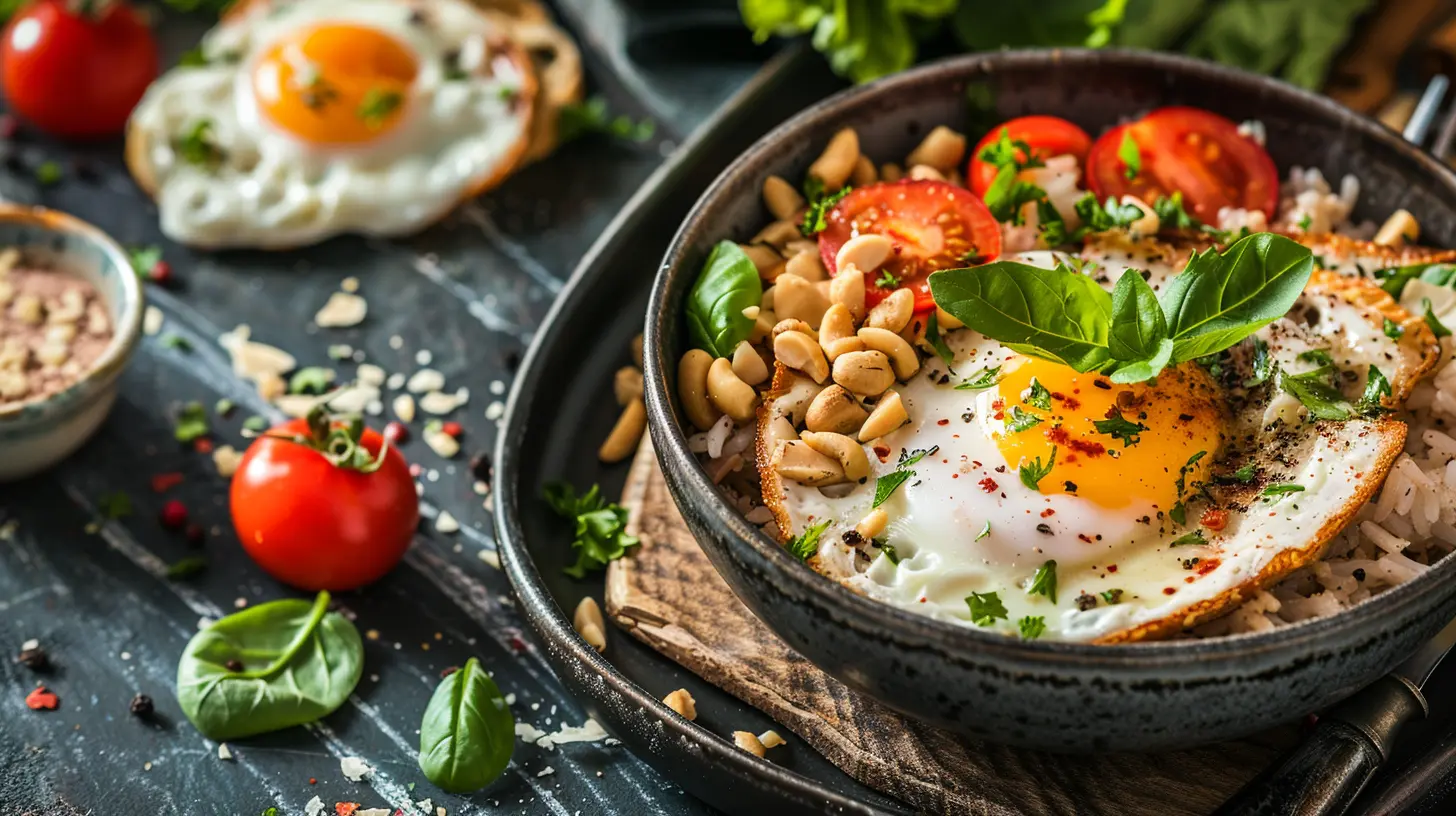
How Skipping Breakfast Affects Fat Loss
Increased Hunger and Overeating Later
One of the biggest concerns with skipping breakfast is increased hunger. When you don’t eat in the morning, your body craves energy later in the day. This often leads to overeating at lunch or snacking on unhealthy foods.By the time lunch rolls around, you might find yourself so hungry that you overcompensate by eating more than necessary. This can lead to calorie surplus, which can stall fat loss.
Hormonal Impact on Appetite
Skipping breakfast can mess with your hormones, particularly ghrelin and leptin—the hunger and fullness hormones.- Ghrelin (The Hunger Hormone): When you skip breakfast, ghrelin levels spike, making you feel hungrier and more likely to overeat later.
- Leptin (The Satiety Hormone): When you eat breakfast, leptin helps regulate appetite, preventing extreme hunger later in the day.
Ignoring these signals may cause you to crave high-calorie, unhealthy foods, leading to poor eating choices.
Blood Sugar and Energy Levels
Another downside of skipping breakfast is its effect on blood sugar levels. When you eat in the morning, it helps stabilize blood sugar levels, providing a steady source of energy throughout the day.Skipping breakfast, however, can cause blood sugar to drop, leading to:
- Fatigue
- Irritability
- Brain fog
- Sugar cravings
When your blood sugar crashes, you're more likely to reach for sugary snacks or high-carb meals, sabotaging your fat loss progress.

The Link Between Skipping Breakfast and Muscle Loss
Does Fasting Eat Away at Muscle?
Fat loss should come from burning fat, not muscle. However, skipping meals—especially breakfast—may increase muscle breakdown.When you fast for too long, your body may start using muscle protein for energy. This is particularly concerning if you’re doing intense workouts without proper nutrition. Losing muscle can slow down your metabolism since muscle tissue burns more calories than fat.
Protein Timing and Muscle Preservation
If you're trying to lose fat and maintain muscle, timing your protein intake is crucial. Eating a high-protein breakfast can:- Reduce muscle loss
- Increase satiety
- Promote fat loss while preserving lean muscle
Skipping breakfast could mean missing out on important protein intake, making it harder to achieve your fitness goals.

Does Skipping Breakfast Work for Some People?
Intermittent Fasting: A Different Approach
While skipping breakfast has downsides, some people swear by intermittent fasting (IF) for fat loss. IF involves a time-restricted eating pattern, often skipping breakfast and eating within a set window (e.g., 12 PM – 8 PM).Some studies suggest that intermittent fasting can help with:
- Calorie control (by limiting eating hours)
- Improved insulin sensitivity
- Fat adaptation (training the body to use fat for fuel)
That said, IF isn’t for everyone. If skipping breakfast leads to binge eating, cravings, or energy crashes, it might not be the best approach for you.
Breakfast and Fat Loss: The Bottom Line
So, should you skip breakfast or not? It ultimately depends on your lifestyle, body type, and eating habits.If Breakfast Helps You:
- You feel more energized- You make better food choices throughout the day
- You control hunger and prevent overeating
Then eating breakfast is probably the best choice for your fat loss goals.
If Skipping Breakfast Works for You:
- You’re comfortable with intermittent fasting- You don’t feel extreme hunger later in the day
- You still get enough nutrients in your eating window
Then skipping breakfast might not harm your fat loss progress.
Smart Breakfast Choices for Fat Loss
If you decide to eat breakfast, make sure it supports your fat loss goals. Avoid sugary cereals, pastries, or processed foods. Instead, opt for:High-Protein Options
- Scrambled eggs with avocado- Greek yogurt with nuts and berries
- Protein smoothie with spinach and almond butter
Healthy Fats
- Chia seed pudding- Nuts and seeds
- Smoked salmon on whole-grain toast
Fiber-Rich Foods
- Oatmeal with flaxseeds- Whole grain toast with nut butter
- Fresh fruit with cottage cheese
By choosing a high-protein, nutrient-dense breakfast, you set yourself up for a day of balanced energy and reduced cravings.
Final Thoughts
Skipping breakfast might not be the ultimate fat loss enemy, but it does come with potential downsides—increased hunger, muscle loss, blood sugar dips, and poor food choices.If you find that skipping breakfast leaves you sluggish and ravenous by lunchtime, it may be worth adding a balanced morning meal to your routine. But if you thrive on intermittent fasting and don’t overeat later, skipping breakfast might not hurt your fat loss progress.
The key? Listen to your body. Know what works for you, and choose a diet approach that helps you reach your fat loss goals without unnecessary struggle.
all images in this post were generated using AI tools
Category:
Fat LossAuthor:

Laurie Barlow
Discussion
rate this article
1 comments
Natalie Cain
Skipping breakfast is like trying to drive a car on empty. Sure, you might think you'll lose weight, but you'll just end up crankier and looking for snacks by noon. Eat something, folks!
June 30, 2026 at 3:45 AM