Why Whole Foods Beat Processed Every Time
6 August 2026
Let’s be real—when you’re starving and short on time, that bag of chips or frozen dinner looks mighty tempting. Who has time to wash, chop, and cook when there's a perfectly good, ready-to-eat meal waiting in the microwave? But before you wave that white flag to convenience, let’s have a heart-to-heart about why whole foods will always come out on top.
Whole foods aren’t just some trendy "clean eating" buzzword—they're what your body actually craves. They're packed with nutrients, free from scary additives, and, most importantly, they actually taste better when prepared right. Meanwhile, processed foods are like that shady friend who always lets you down. They promise quick satisfaction but leave you sluggish, bloated, and craving more.
So, let’s break it down. Why do whole foods beat processed foods every single time?
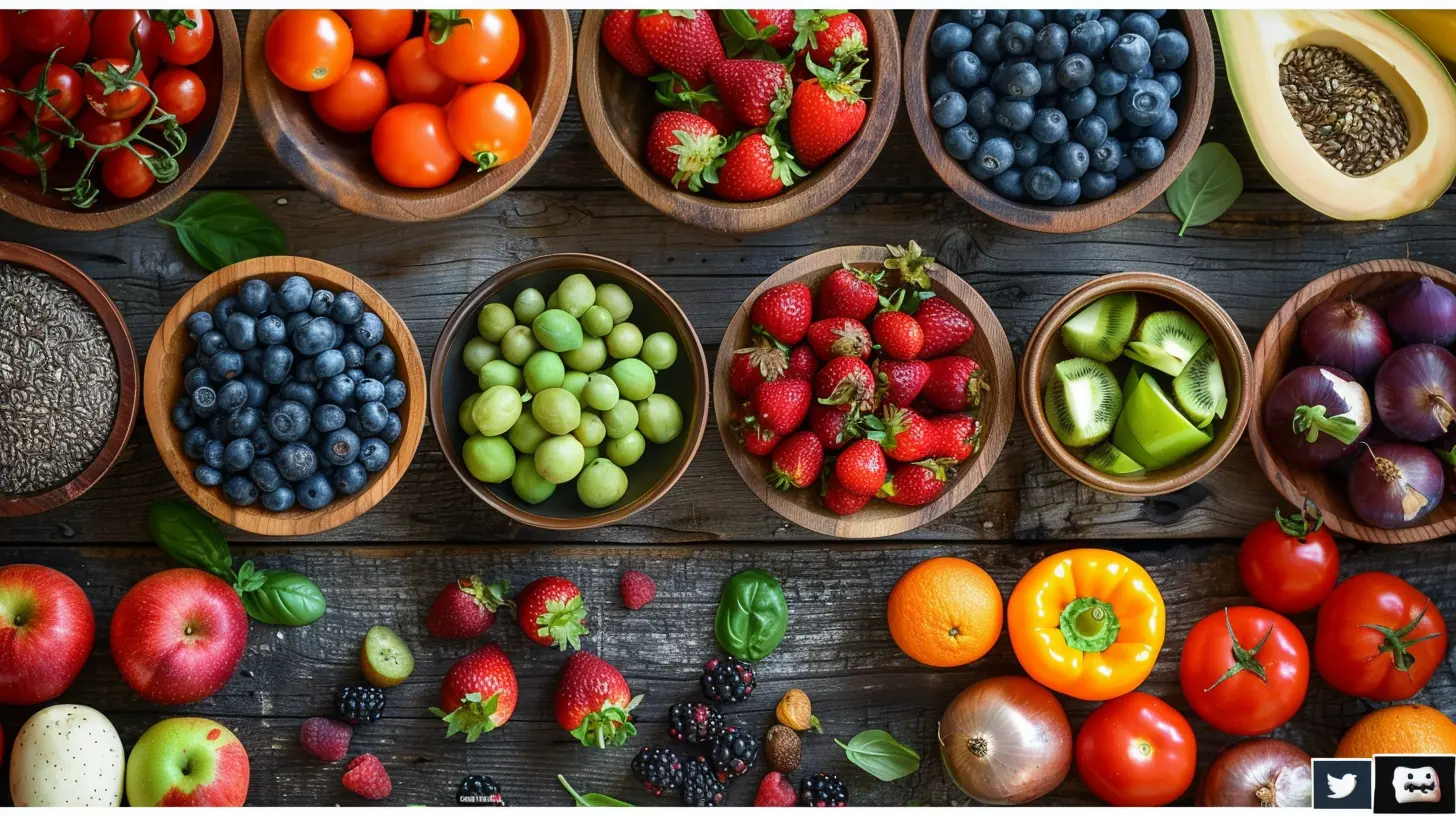
1. Whole Foods Are Nutrient Powerhouses
Ever noticed how an apple just feels healthier than a bag of apple-flavored gummy snacks? That’s because it is. Whole foods—think fresh fruits, veggies, grains, nuts, and lean proteins—contain all the vitamins, minerals, and fiber your body needs to thrive.Processed foods, on the other hand, are notorious for stripping away essential nutrients during production. That "fortified" cereal? It originally had nutrients, but they were lost in processing, only to have synthetic versions added back in. It’s kind of like losing your wallet, finding it, and realizing all the cash is gone.
The Whole Food Edge:
- Contain vitamins and minerals in their natural form- Packed with fiber to support digestion
- Provide antioxidants to fight inflammation
- Keep your energy levels steady
When you eat whole foods, you're giving your body the tools to function at its best. Processed foods, on the other hand, are often empty calories—filling you up without actually fueling you.
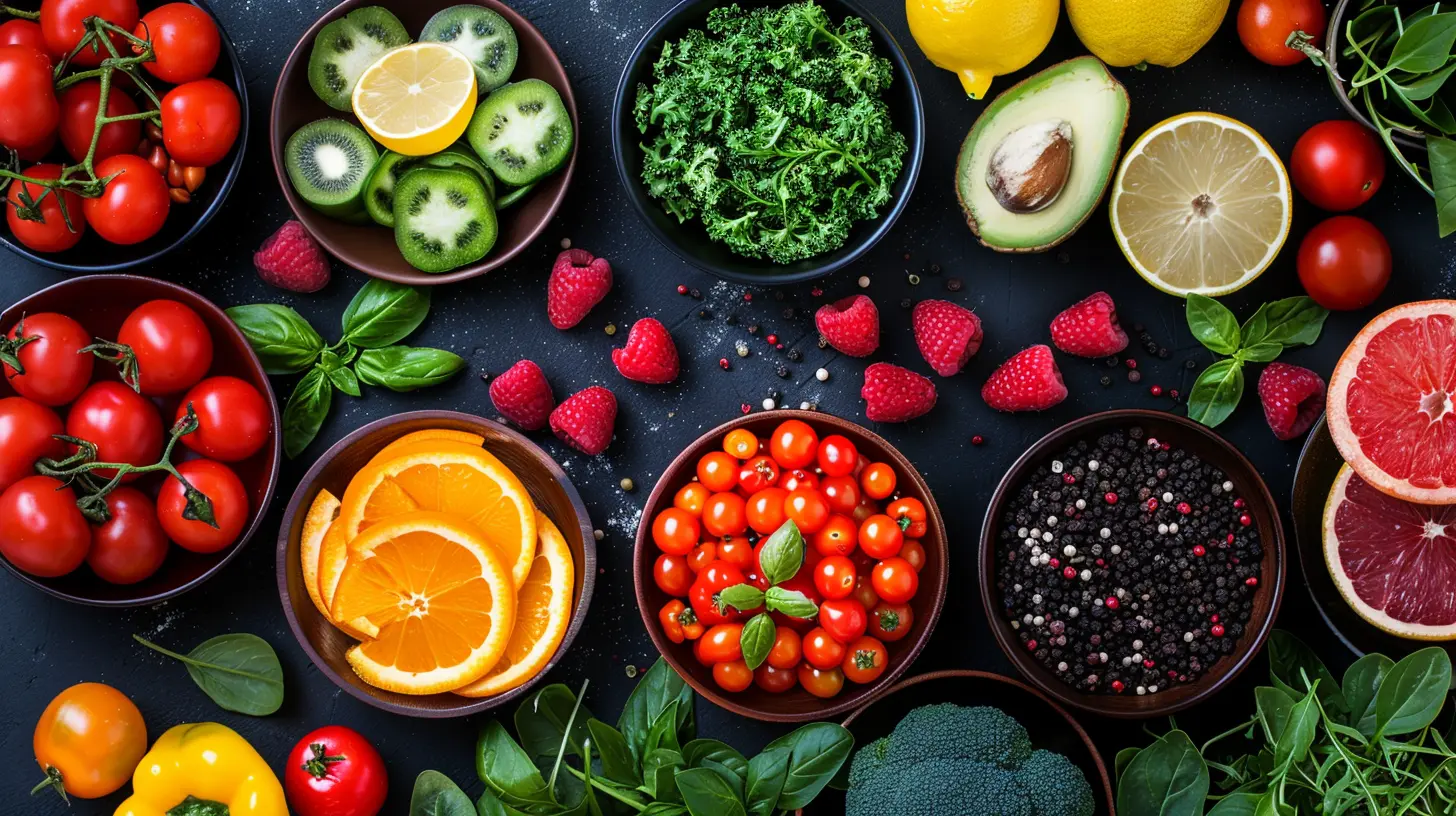
2. No Mystery Ingredients
Have you ever flipped over a processed food package and tried to pronounce the ingredients? If it sounds like a chemistry experiment, it probably is.Whole foods don't come with an ingredient list full of tongue-twisters. An apple is an apple. Broccoli is just broccoli. But processed foods? They bring in fake flavors, preservatives, food dyes, and unpronounceable additives to make them last longer and look more appealing.
Ever wondered why fast-food fries look the same even after sitting out for a week? Spoiler alert: That’s not normal.
Processed Foods' Dirty Secrets:
- Artificial flavors & colors – Because nothing screams “natural” like neon orange cheese dust!- Preservatives – To make food last 10 times longer than it ever should.
- High fructose corn syrup – A sneaky sugar that messes with your metabolism.
- Unhealthy fats – The kind that increases your cholesterol and waistline.
Do you really want to eat something with ingredients you can’t spell? The simpler the food, the better for your body.
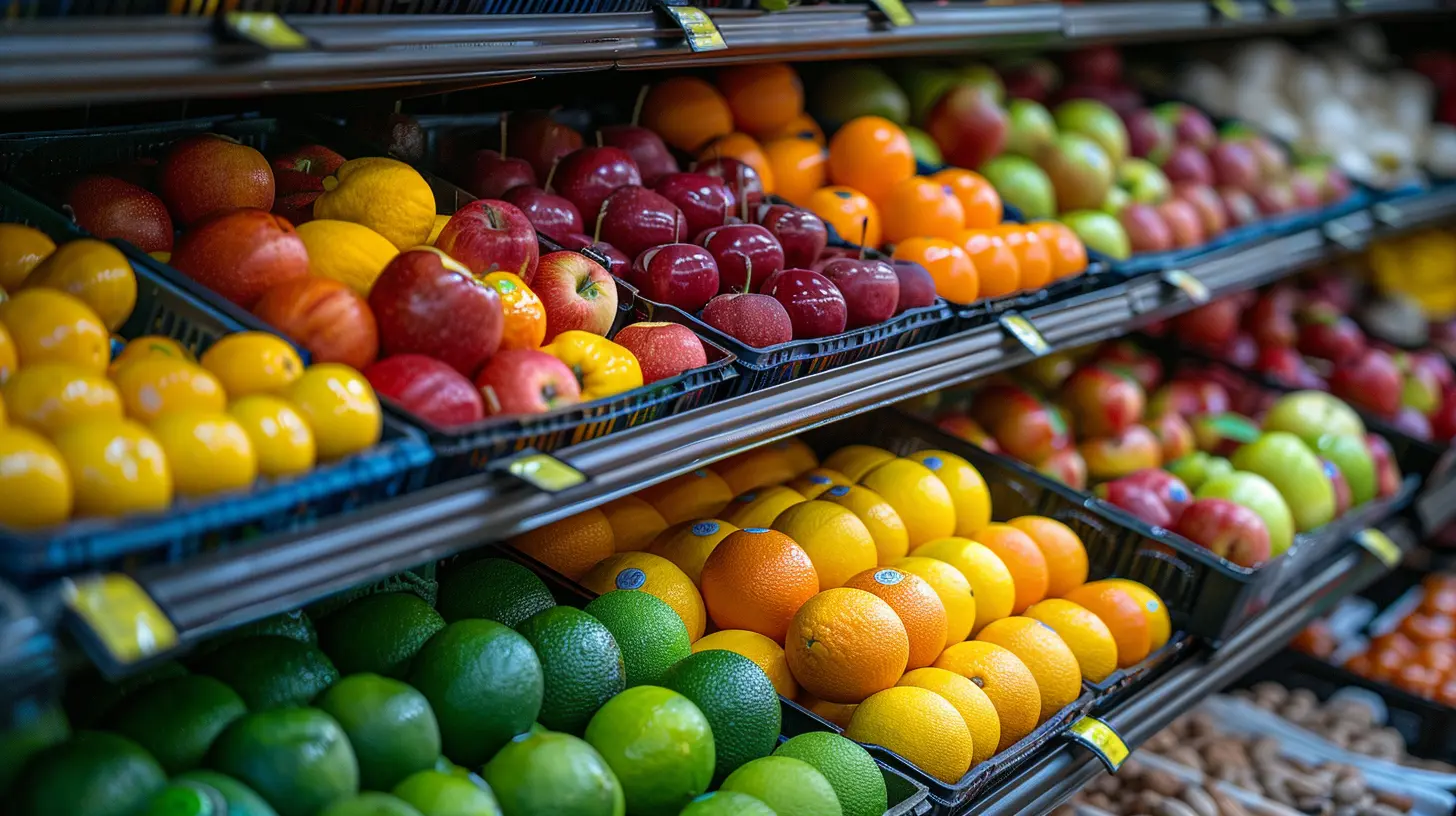
3. Whole Foods Keep You Full Longer
Ever had a sugary breakfast pastry and felt ravenous an hour later? That’s because processed foods spike your blood sugar and lead to sugar crashes.Whole foods, on the other hand, give you stable, long-lasting energy. They digest more slowly, keeping you full longer and preventing those mid-afternoon "I need chocolate NOW" moments.
Let’s compare:
- White bread vs. Whole grain bread → White bread turns into sugar quickly, giving you a quick high followed by a crash. Whole grain bread has fiber, slowing digestion and keeping you full.
- Soda vs. Water with lemon → Soda gives a quick sugar rush, then a crash. Water hydrates and naturally detoxifies your system.
- Processed snack bars vs. Nuts and fruit → Bars often contain hidden sugars and artificial ingredients. Nuts and fruit deliver natural energy and healthy fats.
See the pattern? Whole foods work with your body, not against it.
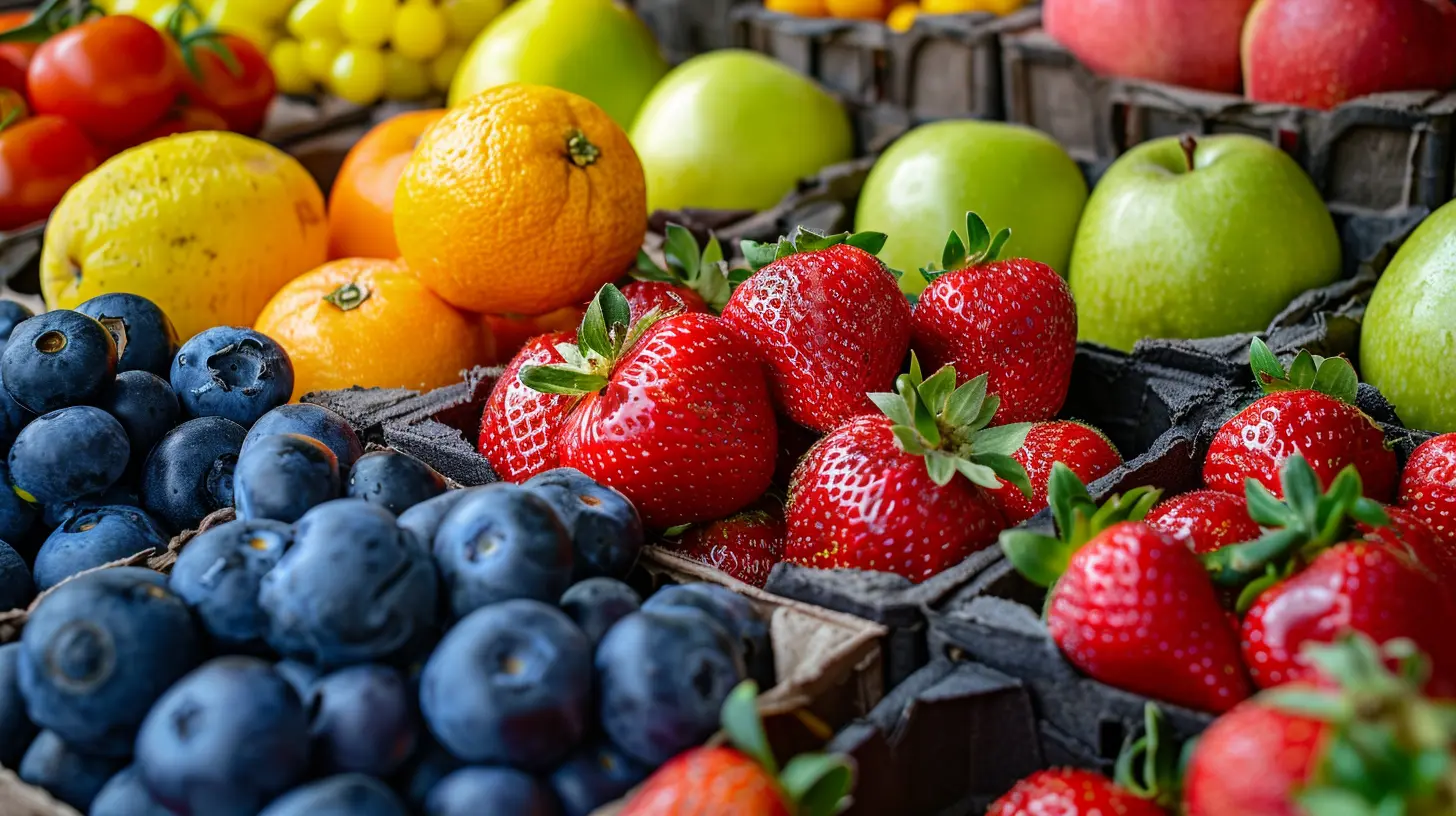
4. Whole Foods Fight Disease, Processed Foods Invite It
Want to avoid chronic diseases like diabetes, heart disease, and obesity? Your food choices play a massive role. Whole foods are naturally rich in antioxidants, fiber, and healthy fats, all of which help fight inflammation, stabilize blood sugar, and reduce the risk of disease.Processed foods? They're often loaded with excess sugar, unhealthy fats, and sodium, leading to weight gain, high blood pressure, and increased risk of illnesses.
A Quick Look at the Health Effects:
| Whole Foods | Processed Foods ||----------------|----------------|
| Reduce inflammation | Increase inflammation |
| Support heart health | Raise bad cholesterol |
| Aid digestion | Cause bloating and gut issues |
| Lower blood sugar levels | Spike insulin levels |
Eating whole foods today is an investment in your future health. Think of them as a long-term insurance policy—one that actually pays off.
5. Whole Foods Actually Taste Better
Sure, processed foods are engineered to trick your taste buds, but real, fresh food? That’s where the magic happens.A perfectly ripe mango? Bursting with natural sweetness.
A freshly grilled salmon filet? Packed with rich, deep flavor.
Crisp, farm-fresh veggies with a homemade dip? A crunchy, satisfying snack.
Processed foods may give you a temporary flavor high, but whole foods bring real, satisfying taste. And once you break free from all that artificial junk, you'll start appreciating how good real food actually is.
6. Eating Whole Puts You Back in Control
When you eat real, whole foods, you know exactly what’s going into your body. No hidden preservatives, no sneaky sugars, no artificial nonsense. You're in charge, not some food scientist in a lab.Ways to Eat More Whole Foods:
- Swap packaged snacks for nuts, seeds, or fresh fruit- Opt for whole grains like quinoa or brown rice over white rice
- Cook at home more often—it's easier than you think!
- Read food labels—if it has more than five ingredients, reconsider.
Eating whole foods doesn’t mean you have to live off salads and sadness. It’s about making small swaps that add up over time.
Final Thoughts
At the end of the day, whole foods are the MVP of nutrition. They deliver real, natural nutrients, keep you feeling full, and actually taste delicious. Processed foods? They may be convenient, but they come with a long list of health risks—and honestly, they just can't compete.Your body deserves better than artificial junk. So next time you're debating between a fresh apple and a pack of fruit snacks, go for the real deal. Your body (and taste buds) will thank you!
all images in this post were generated using AI tools
Category:
Healthy ChoicesAuthor:

Laurie Barlow