Yoga for Flexibility: Enhancing Range of Motion
23 December 2025
Let’s face it—most of us don’t wake up with the flexibility of a Cirque du Soleil performer. Touching your toes without bending your knees? That might sound like a stretch (pun fully intended). But here’s some good news: you don’t have to be uber-flexible to start yoga. In fact, yoga is one of the best tools to become more flexible, no matter your fitness level, age, or experience.
In this article, we’re diving deep into how yoga can radically improve your flexibility and overall range of motion. By the end, you’ll understand why yoga is more than just fancy poses and feel inspired to hit the mat—tight hamstrings and all.
Why Flexibility Even Matters
Before we start twisting into pretzels, let’s talk about why flexibility deserves a spot on your list of fitness goals.Flexibility isn’t just about doing the splits (although that’s pretty cool). It plays a massive role in:
- Preventing injuries
- Improving posture
- Increasing circulation
- Enhancing physical performance
- Decreasing muscle soreness
- Making everyday movements easier
Think about it—bending down to tie your shoes, reaching the top shelf, even sitting comfortably for hours. All require a decent range of motion. When your muscles are tight, your body compensates in not-so-great ways, which can lead to pain and dysfunction over time.
How Yoga Works Its Magic on Your Muscles
Yoga isn’t like your average stretching session. It’s a full-body, mind-body, breath-focused practice that eases you into flexibility through movement, balance, and patience.1. It Stretches and Strengthens at the Same Time
You might think stretching alone is enough to boost flexibility. But here’s the catch—without strength, your joints and muscles can become unstable. Yoga combines both. Silently, powerfully, yoga builds the strength needed to support your body in flexible positions.Poses like Warrior II, Downward Dog, and Cobra stretch tight muscles while engaging the core and stabilizers. This dynamic combo is gold for safe, long-term flexibility.
2. It Targets the Fascia
You know that clingy plastic wrap you can never pull off your leftovers cleanly? That’s kind of what fascia is—except it wraps around every muscle, bone, and organ in your body. When fascia gets tight, so do you. Slow, sustained yoga poses help release this connective tissue, unlocking freedom of movement that static stretching often can’t reach.3. Yoga Uses Your Breath as a Secret Weapon
Here’s where yoga stands out. Deep breathing—the kind that fills your belly, not just your chest—sends a signal to your nervous system that it’s safe to relax. That’s when stretching gets sweeter.Most of us hold tension when we stretch (you know, that grimace-face when reaching forward). But in yoga, each breath is a cue to soften. Breathe in—lengthen. Breathe out—sink deeper. It’s like slowly coaxing your muscles out of hiding with gentle whispers instead of forceful yanks.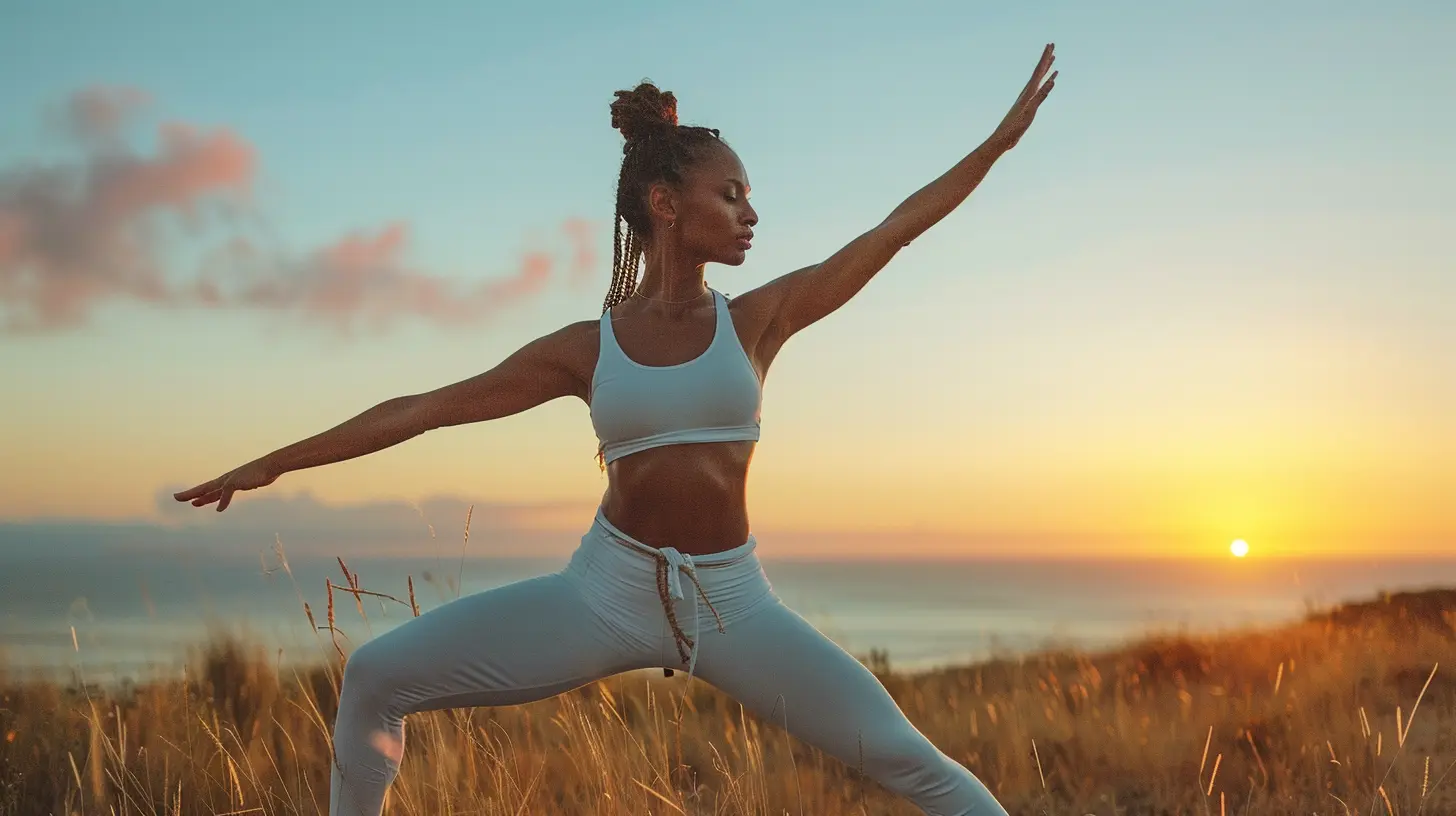
The Best Yoga Styles for Flexibility
Not all yoga styles are created equal—especially when you’re aiming to boost flexibility. So which ones should you roll with?🧘 Hatha Yoga
Great for beginners, Hatha is slower-paced and gives you time to focus on alignment and breath. It stretches tight spots without rushing, which makes it ideal if your muscles are screaming “nope” at every move.🧘♀️ Yin Yoga
Think of Yin as yoga’s deep tissue massage. Poses are held for 3–5 minutes, targeting fascia, joints, and ligaments. It’s not always comfy (deep stretching rarely is), but it’s transformative for unlocking stuck areas.🧘 Vinyasa Flow
If you like movement and rhythm, Vinyasa links breath with a flowing sequence. It warms your body up, which makes it easier to deepen your stretches and challenge your limits. Perfect for building strength and flexibility.🧘♂️ Restorative Yoga
Okay, this one’s less about intense stretching and more about relaxing into postures using props. But letting go (mentally and physically) does wonders for reducing tension, which indirectly helps you become more flexible.
Top Yoga Poses to Boost Flexibility
Ready to hit the mat? Here are some go-to yoga poses that’ll gently expand your range of motion. Do these regularly, and you’ll feel the difference. Trust me.1. Downward-Facing Dog (Adho Mukha Svanasana)
Targets: Hamstrings, calves, shoulders, spineWhy It Works: It lengthens the back body and opens up tight shoulders. Plus, it strengthens your arms as a bonus.
2. Low Lunge (Anjaneyasana)
Targets: Hip flexors, thighsWhy It Works: Sitting all day causes tight hips—this pose helps reverse that. It stretches the front of the body while building leg strength.
3. Seated Forward Fold (Paschimottanasana)
Targets: Hamstrings, backWhy It Works: A classic for a reason. It encourages the spine to lengthen and the hamstrings to open up. Pro tip: bend your knees if your back rounds too much.
4. Pigeon Pose (Eka Pada Rajakapotasana)
Targets: Hips, glutesWhy It Works: Deep hip openers like this work through emotional and physical tension. You might love it or hate it—but your hips will thank you.
5. Cat-Cow Stretch (Marjaryasana-Bitilasana)
Targets: Spine, neck, chestWhy It Works: It gently warms up the spine and improves mobility. Great as a warm-up for more intense movements.
6. Reclining Hand-to-Big-Toe Pose (Supta Padangusthasana)
Targets: Hamstrings, calvesWhy It Works: You get a serious stretch while lying on your back—no balance required. Use a strap if your leg doesn’t go very high.
Tips to Make Your Yoga for Flexibility Journey Successful
Building flexibility isn’t about hero-level poses on Day 1. It’s about consistency, patience, and listening to your body. Here's how to stay on track without burning out:Be Consistent, Not Extreme
A 15-minute stretch every day beats an hour-long class once a month. Seriously. Flexibility is about regular practice, not random heroics.Don’t Force It
Pain is not the goal. Discomfort? Sure—but sharp pain? Nope. Back off when your body says so. Flexibility comes through patience, not in spite of it.Use Props
Blocks, straps, bolsters, blankets—they're not "cheating." They're tools to make poses accessible and beneficial where you are today.Warm Up First
You wouldn’t stretch a cold rubber band, right? Same goes for your muscles. Even a few Sun Salutations or a brisk walk can prep your body for deeper stretching.Modify and Adapt
Can’t touch your toes? Who cares! Bend your knees. Use a strap. Yoga meets you where you are—not the other way around.How Long Until You Feel More Flexible?
Ah, the million-dollar question.Honestly? It depends. Some folks notice a difference in a few weeks. For others, it could take months. The key? Keep showing up. Measure progress by how you feel, not just how far you can stretch. Maybe your back doesn’t ache after sitting. Maybe you can squat to tie your shoe without grunting. That’s progress, too.
Remember, flexibility is a journey, not a destination. And yoga just makes the ride a whole lot smoother.
A Few Myths About Yoga and Flexibility—Busted
Let’s shut down some common myths that might be holding you back:"I’m not flexible enough to do yoga."
Backwards thinking, right? That’s like saying you’re too dirty to take a shower. Yoga is how you get flexible, not the result of already being bendy."Yoga is too slow to make a difference."
Sure, it’s not sprinting or HIIT. But slow doesn’t mean ineffective. The subtle, deep stretches in yoga can unstick muscles that fast-paced workouts miss."If I can’t do crazy poses, I’m failing."
Nope. Yoga isn’t about showing off. It’s not a competition. Everyone’s body is different. Focus on your progress, not the Instagram yogi with her leg behind her head.Final Thoughts: Just Roll Out the Mat
Whether you’re dealing with stiffness from sitting, recovering from an injury, or just wanting to touch your toes again—yoga can be your secret weapon. Start small. Pick a few poses. Listen to your body. And breathe like you mean it.You don’t need to be flexible to start yoga. But if you start yoga, chances are—you’ll become more flexible. Over time, with patience and practice, those tight hips, stiff hamstrings, and stubborn shoulders will begin to let go. And when they do, you’ll move through life with a little more freedom, a little more ease.
So go ahead—unroll your mat. Your body’s been waiting.
all images in this post were generated using AI tools
Category:
YogaAuthor:

Laurie Barlow
Discussion
rate this article
2 comments
Holly McCarty
Great insights on yoga’s benefits for flexibility! Incorporating these practices can truly enhance mobility and overall well-being. Thanks for sharing!
December 27, 2025 at 4:53 AM
Laurie Barlow
Thank you! I'm glad you found the insights helpful. Yoga truly does wonders for flexibility and overall well-being!
Isabella Benson
Thank you for this insightful article! It's inspiring to see how yoga can improve flexibility and overall well-being. Your tips encourage a gentle approach that makes the journey accessible for everyone.
December 23, 2025 at 4:29 AM
Laurie Barlow
Thank you for your kind words! I'm glad you found the tips inspiring and accessible. Happy practicing!