Navigating Joint Health During Weight Loss
14 June 2026
Losing weight is an amazing goal to chase — more energy, better sleep, a boost in confidence, and improved overall health. But let’s be honest: it's not all sunshine and six-packs. If you're shedding pounds, you might already have felt that sneaky twinge in your knees or a weird ache in your hips. Sounds familiar? That’s your joints tapping you on the shoulder, reminding you they’re part of this journey too.
Navigating joint health during weight loss can feel like walking a tightrope. You’re trying to move more, eat better, and reshape your body — but the very process of getting healthier can sometimes put a ton of stress on your joints. So how do you protect them while you chase your goals? Let's talk about it.

Why Joint Health Matters on Your Weight Loss Journey
Alright, real talk. Your joints are the hinges that hold your body together — literally. They let you squat, stretch, dance, walk, and even scroll through your phone. Now, imagine trying to move with rusty hinges. Not fun, right?When you're carrying extra weight, your joints — especially your knees, hips, and ankles — take on more pressure with every step you take. In fact, for every pound you lose, you take about four pounds of pressure off your knees. That’s a pretty big deal.
But here’s the kicker: when you start losing weight, especially if you're going from sedentary to active, your joints can sometimes protest. That’s why taking care of them should be just as high on your list as meal prepping or hitting the gym.
The Connection Between Weight and Joint Pain
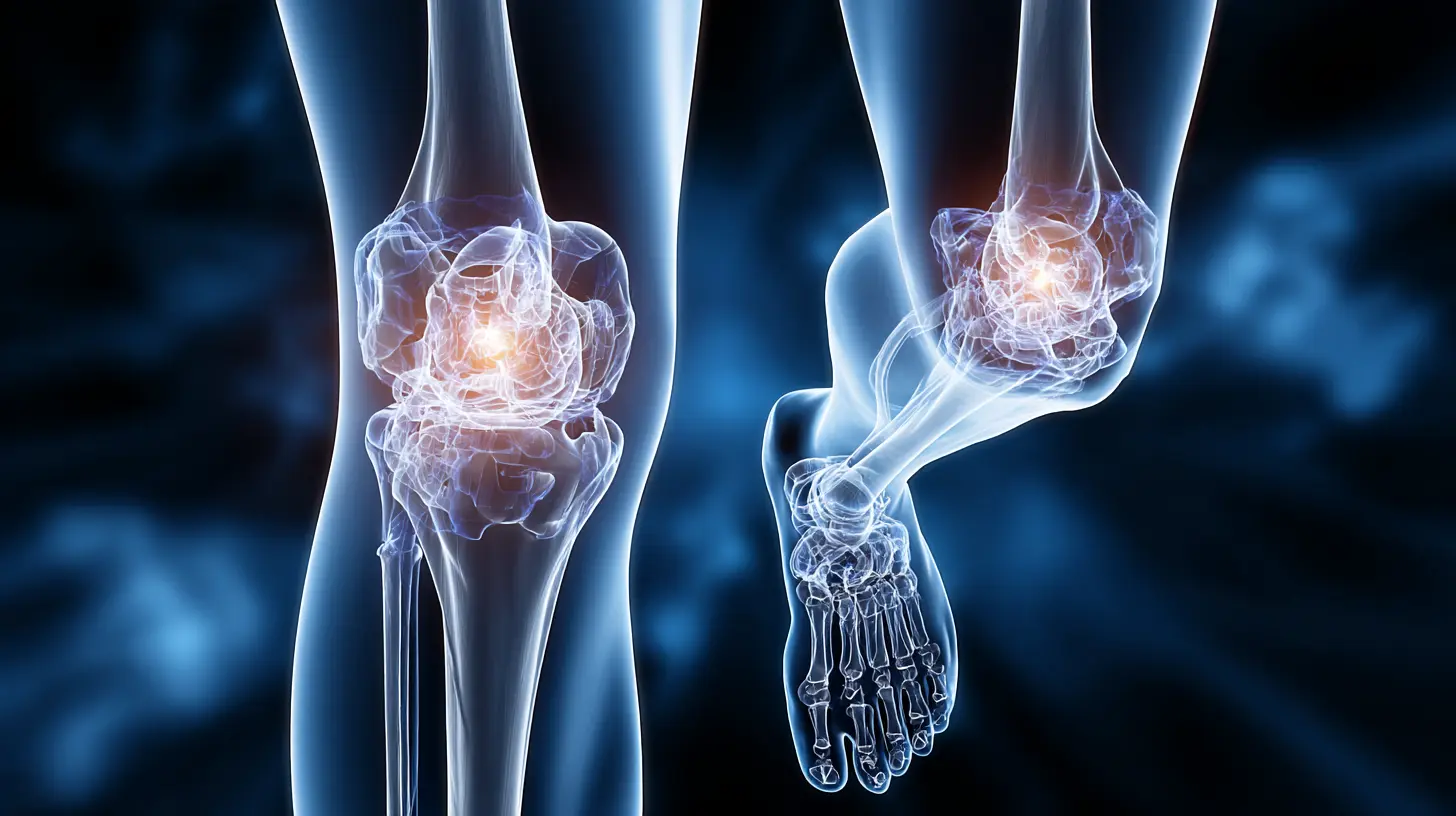
Let’s break this down.Excess weight doesn’t just sit there doing nothing. That extra mass is constantly pressing on your joints — day in and day out. Over time, this stress can lead to wear and tear, especially on weight-bearing joints. Think of it like the tires on your car. If you overload the vehicle, the tires wear out faster. Simple, right?
Carrying extra pounds can:
- Increase the risk of osteoarthritis (a fancy name for joint inflammation and cartilage breakdown)
- Amplify existing joint pain
- Decrease your mobility, making movement harder
Now here's the good news: weight loss doesn’t just relieve that pressure — it can actually help slow down joint degeneration. But only if you do it the right way.

Common Pitfalls That Can Worsen Joint Issues
Nobody’s perfect, and it’s super easy to get so caught up in weight loss goals that you overlook your body’s signals. Here are some common mistakes to watch out for:1. Jumping into High-Impact Workouts Too Quickly
Let’s say you haven’t worked out in a while, but now you’re motivated. You sign up for a boot camp class or go for long runs thinking, “No pain, no gain!” Yikes. Your joints might not be ready for all that impact just yet — and the result? Pain, inflammation, maybe even injury.2. Skipping Warm-ups and Cool-downs
It sounds boring, I know. But skipping warm-ups is like trying to drive off in the middle of winter without defrosting your windshield. You’re asking for trouble. Cold muscles and stiff joints don’t take kindly to sudden movement.3. Ignoring Joint-Friendly Nutrition
You are what you eat, and so are your joints. If your diet lacks essential nutrients that support joint health, you're missing a big piece of the puzzle.4. Not Listening to Your Body
Sometimes we confuse soreness with pain. But if your body is screaming at you every time you do a move, that’s not just “toughing it out” — that’s a cry for help.
Joint-Friendly Weight Loss: What Actually Works
So how do you lose weight while keeping your joints happy? Here’s the playbook.1. Go Low-Impact, Not Low-Effort
Moving more doesn’t mean pounding the pavement like a linebacker. Low-impact exercises are your joint’s BFF. Think of them like giving your joints a gentle hug while still getting the job done.Top low-impact exercises:
- Swimming or water aerobics: Water supports the joints while giving you resistance to build strength
- Biking: Great cardio, and easier on the knees
- Elliptical trainer: A smooth, gliding motion with less shock
- Walking: Yes, even simple walking works wonders if done regularly
- Yoga or pilates: Focuses on flexibility, balance, and core strength
2. Strengthen the Muscles Around Your Joints
Stronger muscles equal less stress on your joints. You don’t need to lift heavy to see results — resistance bands and body-weight exercises like squats, lunges, and planks go a long way.Just focus on proper form. If you're not sure, a physical therapist or trainer familiar with joint-friendly routines can be a smart investment.
3. Anti-Inflammatory Foods Are Your Secret Weapon
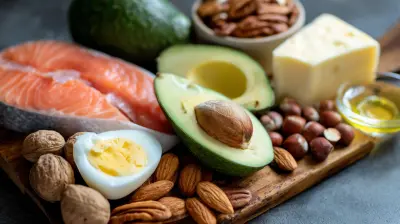
Joint pain often boils down to inflammation. And good news — you can fight it with food. Your kitchen can be more powerful than your medicine cabinet.Add these to your grocery list:
- Fatty fish (like salmon or sardines): Omega-3s are natural anti-inflammatories
- Berries: Packed with antioxidants
- Leafy greens: Full of vitamins like C and K, which your joints love
- Turmeric: Has curcumin, a powerful anti-inflammatory compound
- Nuts and seeds: Healthy fats for happy joints
And don’t forget water! Hydrated joints are happy joints.
4. Shed Pounds at a Steady Pace
I get it — you want to see results fast. But rapid weight loss can actually backfire. It may lead to muscle loss and weaken the structures supporting your joints. Aim for a slow and steady pace, about 1-2 pounds a week.It’s not just about looking slimmer — it’s about building a body that works better.
Supplements: Do They Help?
They can — but they’re not a magic pill. Always talk to your healthcare provider first.That said, some of the popular ones worth looking into include:
- Glucosamine and Chondroitin: May help with cartilage repair
- Omega-3 Fatty Acids: These reduce inflammation throughout the body
- Vitamin D: Important for bone health, especially if you don’t get much sun
- Collagen: Helps with joint elasticity and strength
Remember, supplements should support your plan — not be the plan.
Recovery Is Just as Important as the Workout
You might be tempted to go all-in, every day. But rest days are when your muscles (and joints!) recover and rebuild.Use your downtime wisely:
- Ice sore joints if needed
- Try foam rolling or gentle stretching
- Get good sleep — it’s your body’s prime repair time
- Consider a massage (yes, permission to pamper yourself!)
Mindset Matters: Be Kind to Your Body
Sometimes the journey feels long. There are days you might feel frustrated at slow progress or when old injuries flare up. Your body has been carrying the weight — emotionally and physically — for a while. So, give it grace.Acknowledge the small wins. Celebrate being able to walk farther, lift more, or just feeling better in your skin. Protecting your joints means you’re investing in your mobility for years to come. You’re not just losing weight — you’re gaining freedom.
Mixing Mental Health Into the Equation
Let’s not forget the mental game. Dealing with pain or stiffness can wear you down emotionally, especially when you’re trying so hard to improve your health. If you’re feeling down, talk about it. Whether it’s a friend, a therapist, or a support group — you don’t have to do this alone.Building a healthier you takes mental strength too. The fact that you’re learning how to care for your body better already makes you stronger than you were yesterday.
When to Seek Help
Joint pain that doesn’t quit, swelling, or limited range of motion isn’t something to ignore. If your joints are holding you back from moving forward, reach out to a doctor or physical therapist. The sooner you catch an issue, the better your chances of correcting it without major setbacks.
Final Thoughts
Navigating joint health during weight loss doesn’t have to feel like walking on eggshells. With the right moves, mindful nutrition, and a lot of self-compassion, you can protect your joints and see the results you want — safely.Your health journey is a marathon, not a sprint. Take care of those joints. They're going to carry you across the finish line.
all images in this post were generated using AI tools
Category:
Healthy JointsAuthor:

Laurie Barlow
Discussion
rate this article
1 comments
Shania Lynch
Great article! It's so important to prioritize joint health while losing weight. Simple changes can make a big difference. Thanks for sharing these helpful tips for staying active!
June 16, 2026 at 4:29 AM
Laurie Barlow
Thank you! I'm glad you found the tips useful. Joint health is crucial on this journey. Keep moving!