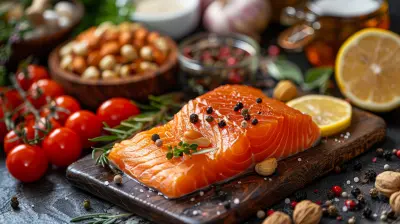
Building a Balanced Plate: A Beginner’s Guide
3 March 2026
Eating healthy doesn't have to be complicated or boring! If you've ever found yourself staring at your plate, wondering, “Is this actually good for me?”—you’re not alone. The good news is that building a balanced plate is easier than you think.
Whether you're just starting your health journey or looking to fine-tune your meals, this guide will give you everything you need to create a nourishing, satisfying, and delicious plate—without overthinking it. Let’s dive in! 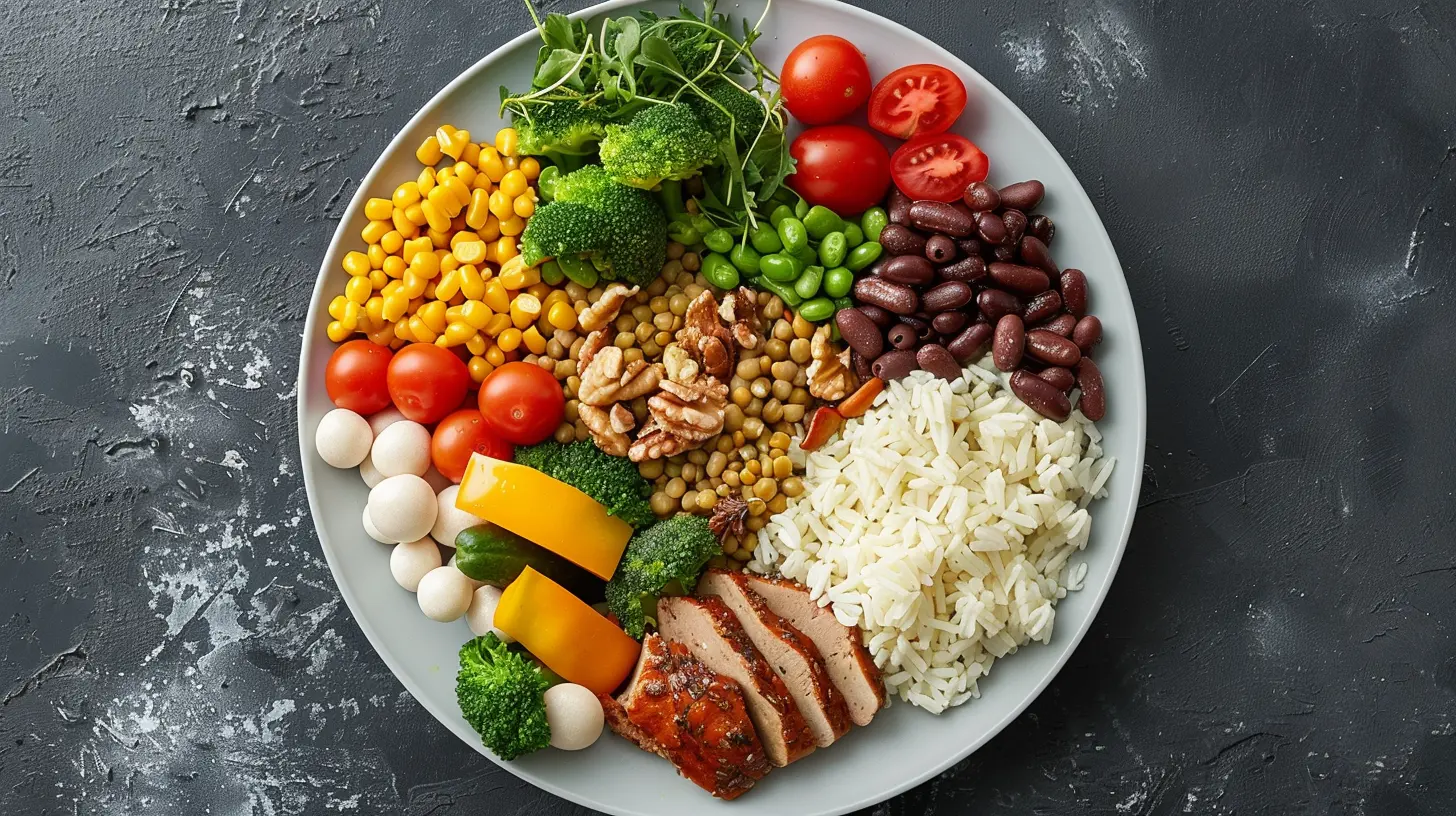
🥗 Why a Balanced Plate Matters
Think of your body as a high-performance car. You wouldn't fill a Ferrari with cheap gas and expect it to run smoothly, right? The same goes for your body! A balanced plate ensures you’re getting the right mix of nutrients to fuel your energy, keep hunger in check, and support your overall health.A well-balanced meal helps:
✅ Stabilize blood sugar levels – No more rollercoaster energy crashes.
✅ Boost metabolism – Keeps your body burning fuel efficiently.
✅ Improve digestion – Reduces bloating and discomfort.
✅ Support brain function – Helps with focus and mental clarity.
Alright, now that we know why it matters, let's break down the essential components of a balanced plate! 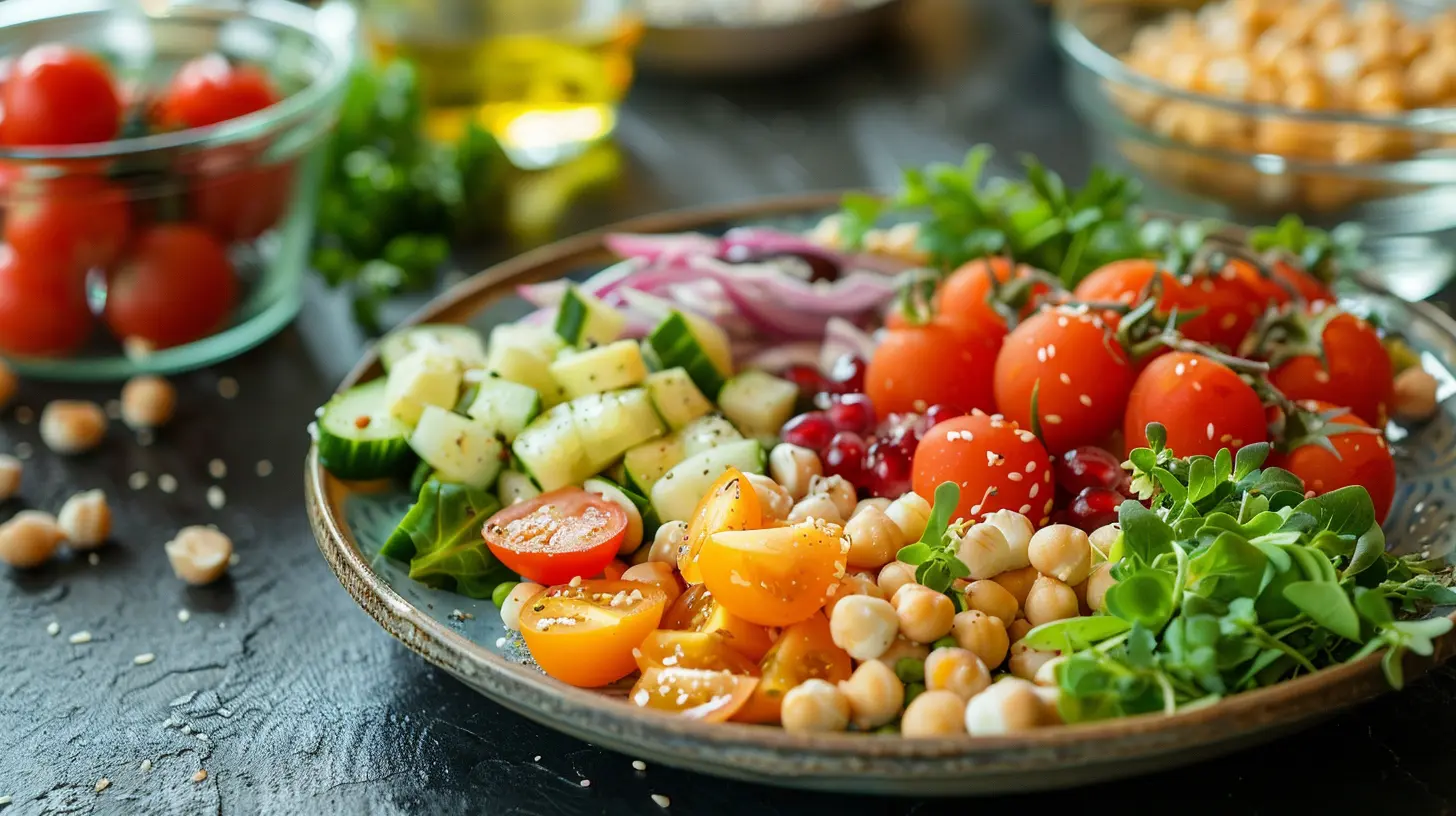
🍏 The Key Components of a Balanced Plate
A balanced plate consists of three main macronutrients:1. Protein – Keeps you full and supports muscle health.
2. Healthy Carbs – Provides energy and fiber.
3. Fats – Essential for brain health and hormone balance.
And of course, don’t forget fiber-rich vegetables to round out your meal. Let’s take a closer look at each of these.
🍗 1. Protein: The Building Block of Your Body
Protein is like the bricks and mortar of your body—it helps build muscles, repair tissues, and keep you feeling full longer.Best Sources of Protein for Your Plate
🥩 Lean meats (chicken, turkey, lean beef)🐟 Fish (salmon, tuna, cod)
🥚 Eggs (a perfect protein powerhouse)
🌱 Plant-based options (beans, lentils, tofu, tempeh)
🧀 Dairy (Greek yogurt, cottage cheese)
Aim to fill ¼ of your plate with protein to keep your meals balanced and satisfying.
🍠 2. Healthy Carbohydrates: Your Body’s Fuel
Carbs get a bad rap, but the truth is, your body needs them for energy! The key is choosing complex carbs that provide lasting energy instead of quick sugar spikes.Great Carb Choices
🍚 Whole grains (brown rice, quinoa, oats)🥔 Starchy veggies (sweet potatoes, squash, corn)
🍞 Whole-grain bread and pasta
🍎 Fruits (bananas, apples, berries)
Try to fill ¼ of your plate with healthy carbs to sustain energy levels throughout the day.
🥑 3. Healthy Fats: Don’t Fear the Fat!
For years, fats were demonized. But the truth? Healthy fats are vital. They help with brain function, nutrient absorption, and keeping you satisfied between meals.Best Sources of Healthy Fats
🥑 Avocados (creamy and delicious!)🌰 Nuts and seeds (almonds, walnuts, chia seeds, flaxseeds)
🫒 Olive oil (drizzle over salads or roasted veggies)
🐟 Fatty fish (salmon, sardines, mackerel)
A small portion of healthy fats—about a thumb-size serving—is enough to round out your meal.
🥦 4. Load Up on Fiber-Packed Veggies
Vegetables are the unsung heroes of balanced eating. They’re low in calories but packed with nutrients, fiber, and antioxidants.Best Veggies to Add to Your Plate
🥕 Leafy greens (spinach, kale, arugula)🥒 Cruciferous veggies (broccoli, cauliflower, Brussels sprouts)
🌶 Bell peppers (for a splash of color and vitamin C)
🍆 Zucchini, cucumbers, and asparagus
Aim to fill ½ of your plate with vegetables—the more colorful, the better! 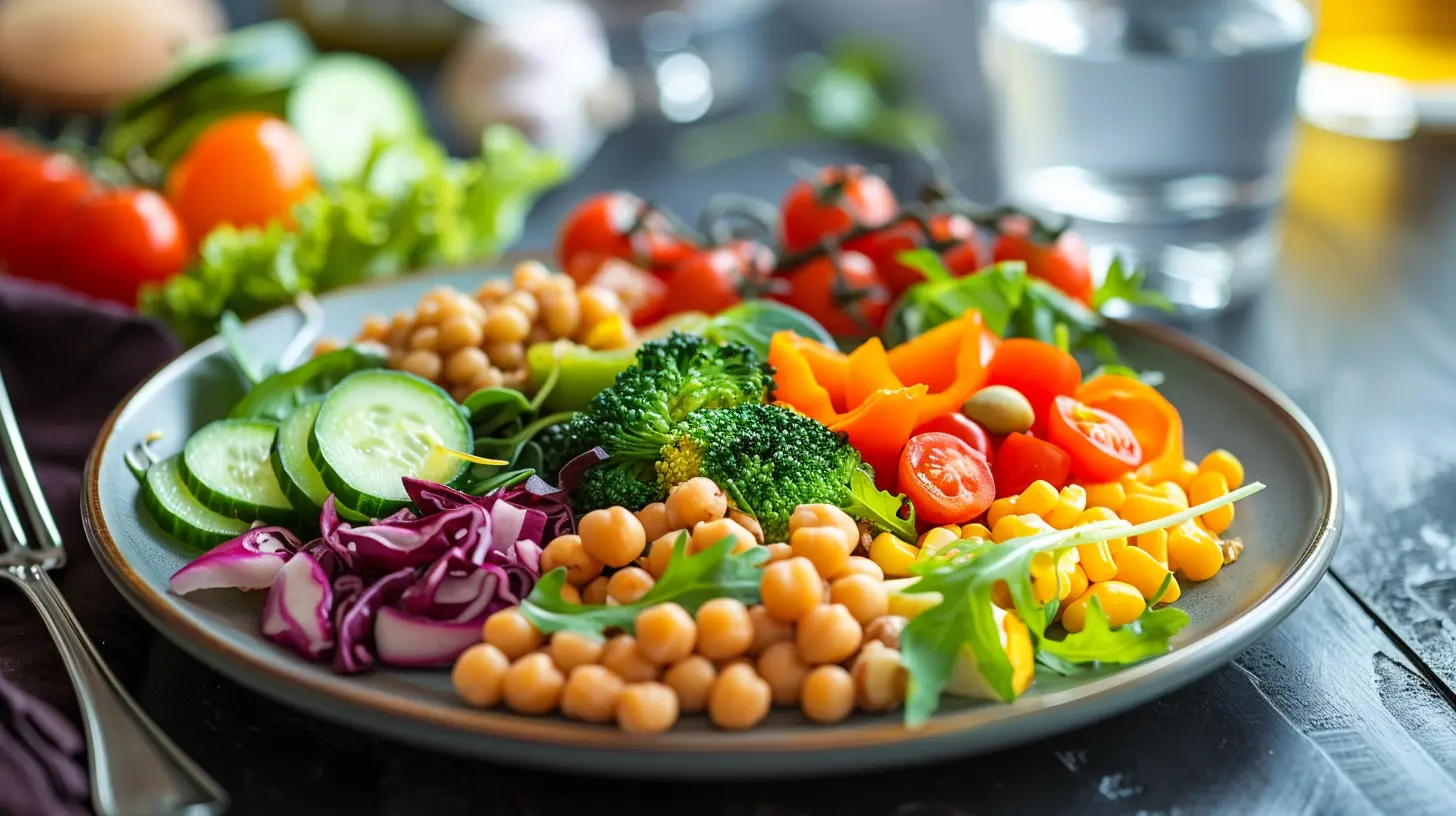
🥄 Portion Control: How Much of Each Food Group?
Now that we know what to eat, let’s talk about how much to eat. A simple way to visualize your portions is to divide your plate like this:🍗 ¼ plate protein (palm-sized portion)
🍠 ¼ plate healthy carbs (fist-sized portion)
🥦 ½ plate non-starchy veggies (as much as you want!)
🥑 A small serving of healthy fats (thumb-size)
This method keeps things effortless—no calorie counting needed! 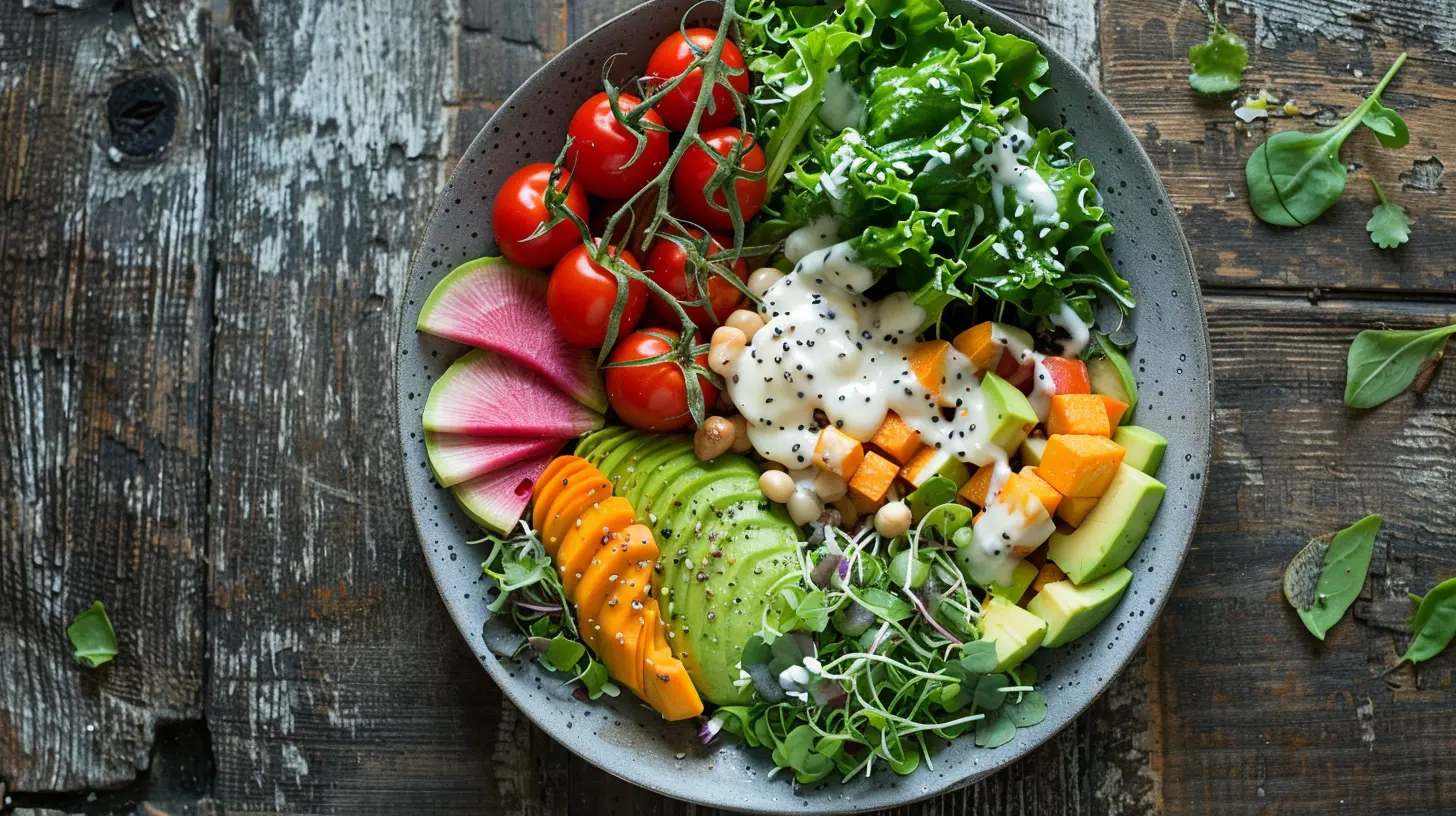
🍽 Making Healthy Eating Simple
Sticking to a balanced plate doesn’t have to be time-consuming or overwhelming. Here are some easy tips to make it a habit:✅ Meal Prep – Chop veggies in advance and cook proteins in bulk.
✅ Keep It Colorful – The more colors on your plate, the more nutrients you get.
✅ Listen to Your Body – Eat until you’re satisfied, not stuffed.
✅ Stay Hydrated – Water helps with digestion and keeps cravings in check.
Remember, progress is better than perfection. It’s okay if every meal isn’t perfectly balanced—what matters is consistency!
🍽 Sample Balanced Meals
Need some inspiration? Here are three easy, balanced meal ideas:Breakfast: Scrambled eggs with whole-grain toast and avocado, plus a side of berries.
Lunch: Grilled chicken with quinoa, roasted broccoli, and a drizzle of olive oil.
Dinner: Baked salmon with roasted sweet potatoes and sautéed spinach.
Snack Idea: Greek yogurt with almonds and a handful of berries.
Eating healthy doesn’t mean giving up on delicious food—just making smarter choices!🚀 Final Thoughts
Building a balanced plate is all about simplicity, variety, and fun. When you focus on protein, healthy carbs, good fats, and plenty of veggies, you’ll feel more energized, satisfied, and ready to take on your day!So next time you're planning a meal, think of your plate as a colorful canvas—mix and match your favorite nutritious foods, and enjoy every bite!
all images in this post were generated using AI tools
Category:
Healthy ChoicesAuthor:

Laurie Barlow
Discussion
rate this article
2 comments
Yvonne McHugh
Thank you for this insightful guide! It’s inspiring to see how simple adjustments can create a balanced plate. I appreciate the emphasis on variety and moderation—small changes can make a big difference. Excited to implement these tips for better health!
March 4, 2026 at 3:27 AM
Laurie Barlow
Thank you for your kind words! I'm glad you found the guide helpful. Excited for you to start implementing these tips!
Ivan McClintock
Thank you for this helpful guide! It’s a wonderful starting point for those new to healthy eating.
March 3, 2026 at 5:47 AM
Laurie Barlow
Thank you for your kind words! I'm glad you found the guide helpful. Happy to support your healthy eating journey!