How Protein Helps in Boosting Fat Loss and Muscle Retention
20 June 2026
Let’s talk about the magical, misunderstood, and sometimes mispronounced macronutrient—protein. Ah yes, the stuff gym bros worship, vegans cautiously measure, and the rest of us kind of toss into our shopping carts alongside instant noodles and a vague hope of eating healthier.
If you're looking to torch fat like a marshmallow at a Girl Scout bonfire while clinging to your muscle mass like it’s the last piece of pizza at a party, then buckle up. You’re about to find out exactly how protein helps in boosting fat loss and muscle retention—WITH science-ish facts, sass, and some real talk.
First Things First: What Even Is Protein?
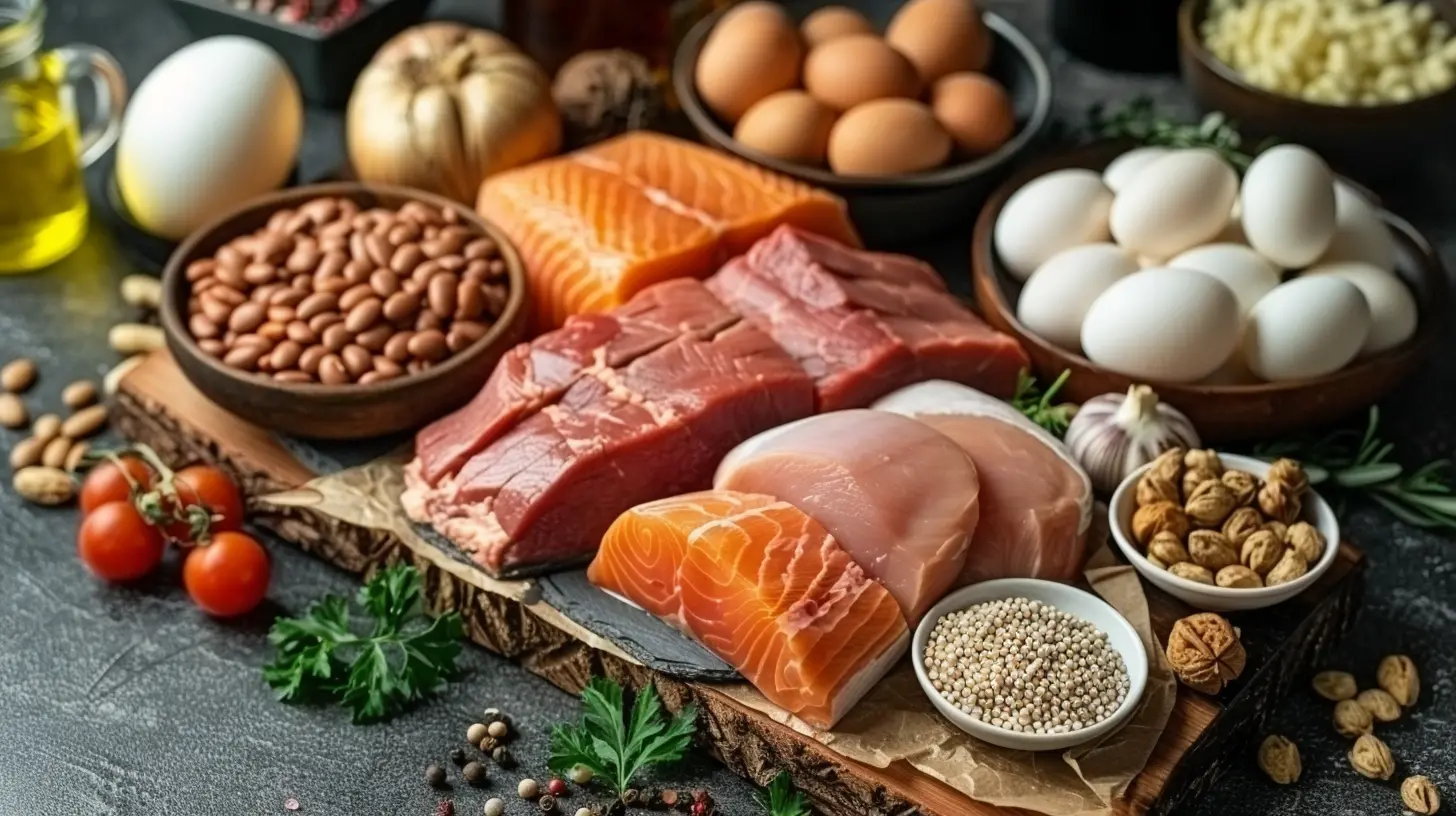
Okay, before we dive into why protein is the Beyoncé of the nutrient world, let’s break it down.Protein is made of tiny molecules called amino acids—you know, those things your body can't live without, like common sense at a midnight taco run. It’s responsible for building, repairing, and maintaining everything from your muscles to your skin to your overdramatic metabolism.
So yeah, it’s kind of a big deal.
Fat Loss Without Muscle Loss? Yes, Please.
Here’s the deal: when people go on a diet, they usually aim to lose weight. But let’s clear up a massive, soul-shaking misconception—you don’t just want to lose weight. You want to lose the right kind of weight.You want to say “boy, bye” to fat while holding onto that hard-earned muscle. Otherwise, you end up skinny-fat. You know, thinner but still squishy, like someone deflated a balloon but forgot to tie the end.
And this, my friend, is where protein waltzes in like a superhero in a tight spandex suit—saving your muscles while lighting fat on fire.
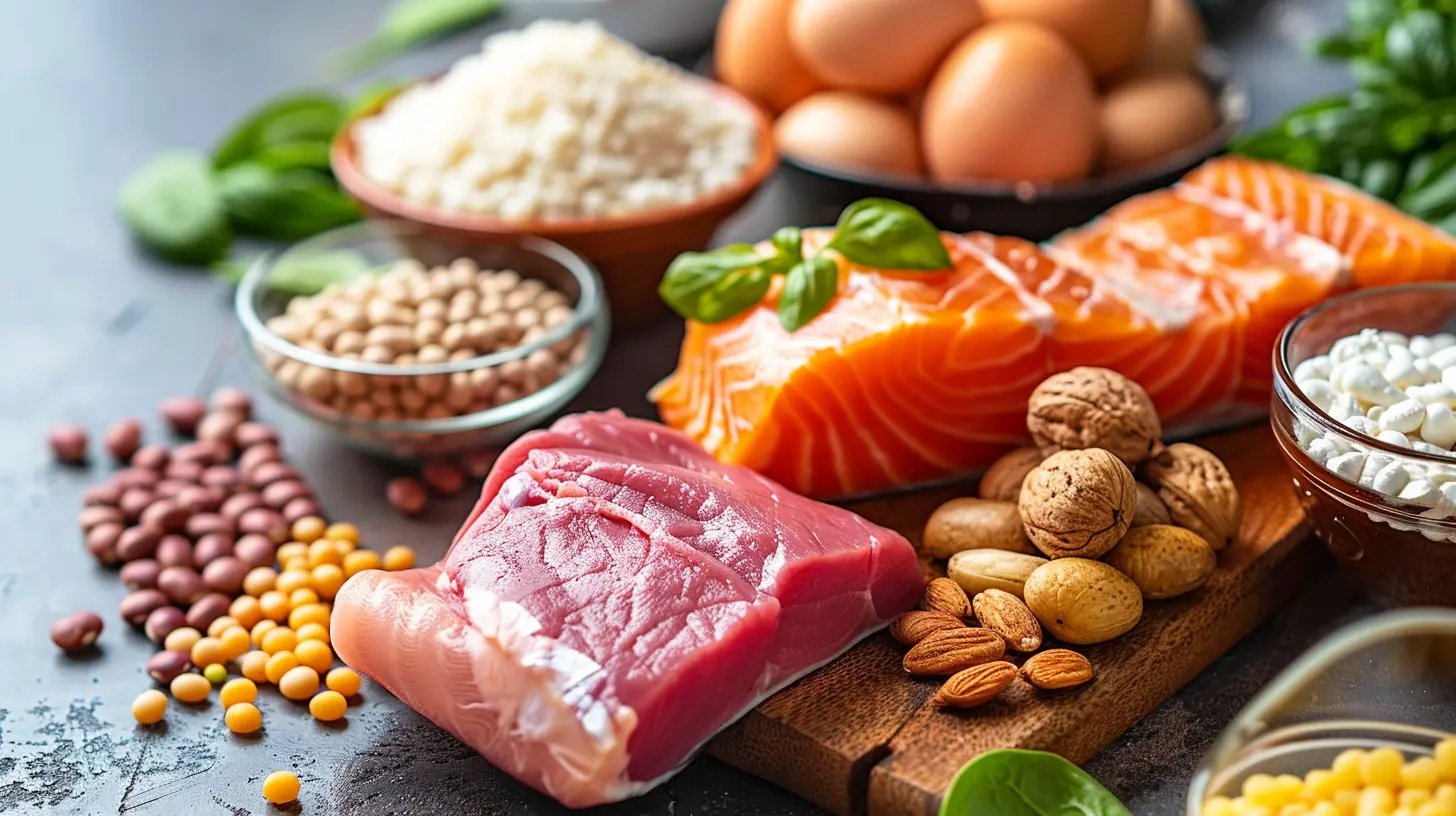
How Exactly Does Protein Help With Fat Loss?
Let’s break this down in digestible pieces (pun fully intended).1. Protein Cuts Hunger Like a Celebrity Chef
Ever feel like your stomach turns into a needy toddler the moment you start eating clean? That’s hunger hormones playing you like a fiddle.Enter protein.
Protein helps suppress your hunger by increasing levels of satiety hormones like peptide YY and reducing levels of ghrelin, the hormone responsible for turning you into an unsupervised raccoon digging through the fridge at midnight.
So yeah, protein helps you feel full longer. Which means fewer cravings. Which means less face-stuffing. Which ultimately means your jeans might actually button again.
2. Thermic Effect: Your Body Works Harder to Digest Protein
Here's a fun fact: Your body actually burns calories to digest food. This is called the Thermic Effect of Food (TEF), and protein wins this metabolic game hands down.Let’s take a look at TEF for the three macronutrients:
- Protein: 20–30%
- Carbs: 5–10%
- Fat: 0–3% (Yep. Fat burns basically nothing.)
Translation? For every 100 calories of protein you eat, your body burns up to 30 just trying to digest it. It’s like getting free fat-burning points just for eating steak. Now if only life worked that way with pizza…
3. Protein Helps Prevent Muscle Loss During Caloric Deficit
Here’s the not-so-fun part of trying to lose fat: when you cut calories, your body doesn’t discriminate—it starts breaking down fat and muscle.This is where protein says, "Not today, Satan."
By consuming adequate protein, you tell your body, “Hey, I still need these muscles, thank you very much.” This encourages muscle retention—even during a caloric deficit. And the more muscle you preserve, the better your metabolism stays. Why? Because muscle is like an energy-hungry Netflix subscription—it burns calories even at rest.
So yeah, protein helps you keep your muscle AND enhances your fat-burning engine. Double win.
4. High-Protein Diets Encourage Better Body Composition
A high-protein diet isn't just about weighing less; it’s about weighing right.Several studies have shown that folks who up their protein intake while reducing calories end up with better body composition overall—less fat, more lean mass. AKA the dream body equation.
Want to actually look fit and not just “smaller”? Then protein’s your BFF.
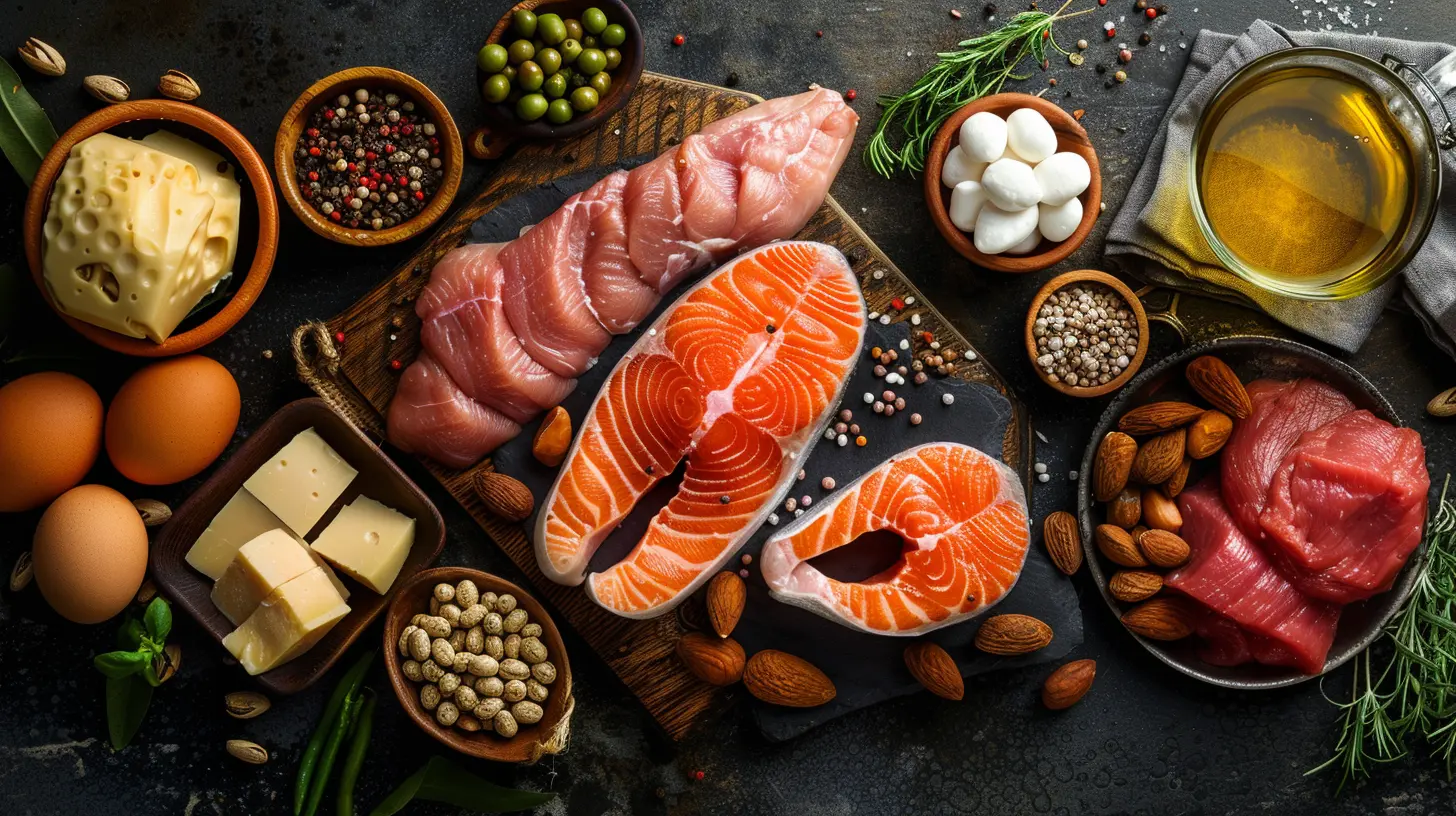
How Protein Keeps Muscle Hanging Around
Now let’s talk about muscle retention. Because what’s the point of all those grueling gym sessions if your body just says “meh” and chucks your gains when you cut back on calories?1. Protein = Building Blocks for Muscle Repair
Every time you do bicep curls, squats, or even carry all eight grocery bags in one trip (because two trips are for amateurs), you’re creating tiny tears in your muscle fibers.Sounds scary, right? But it’s actually good. These micro-tears are what make muscles grow—given the right tools.
That “tool” is protein.
Protein provides the amino acids your body needs to repair and rebuild those fibers bigger and stronger than before. Skimp on protein? Say goodbye to gains.
2. It Supports Muscle Protein Synthesis (MPS)
Think of MPS as the magic behind muscle growth. When you eat protein, your body kickstarts a process where amino acids patch up and grow your muscles like a home renovation show—except it’s your biceps getting a makeover.Eating enough protein ensures that muscle protein synthesis stays active, especially important if you're working out regularly or in a calorie deficit.
3. Combats the Age-Related “Shrinkage” (Yep, It’s a Thing)
Muscle loss isn’t just a diet thing—it’s also an age thing. (Sorry, boomers.)From your 30s onward, your body starts to naturally lose muscle mass. Thanks, biology.
The only way to slow this unwanted atrophy is with resistance training and—you guessed it—adequate protein intake. It’s like giving your muscles a daily reminder that they’re still needed.
How Much Protein Do You Actually Need?
Let’s just say it: The general recommendations for protein are laughably conservative. The whole “0.8 grams per kg of bodyweight” advice might be enough to survive, but if your goals include thriving, looking good naked, and not losing muscle every time you skip breakfast—yeah, not gonna cut it.For active folks or those trying to lose fat:
- Aim for 1.6 to 2.2 grams per kilogram of body weight.
- Or for the imperial crowd: 0.7 to 1 gram per pound of body weight.
So if you weigh 150 pounds, that’s anywhere from 105 to 150 grams of protein a day.
That may sound like a lot, but once you start tracking your intake, you'll quickly realize your chicken breast isn’t doing all the heavy lifting. Time to get creative.
Protein Sources That Won’t Make You Cry
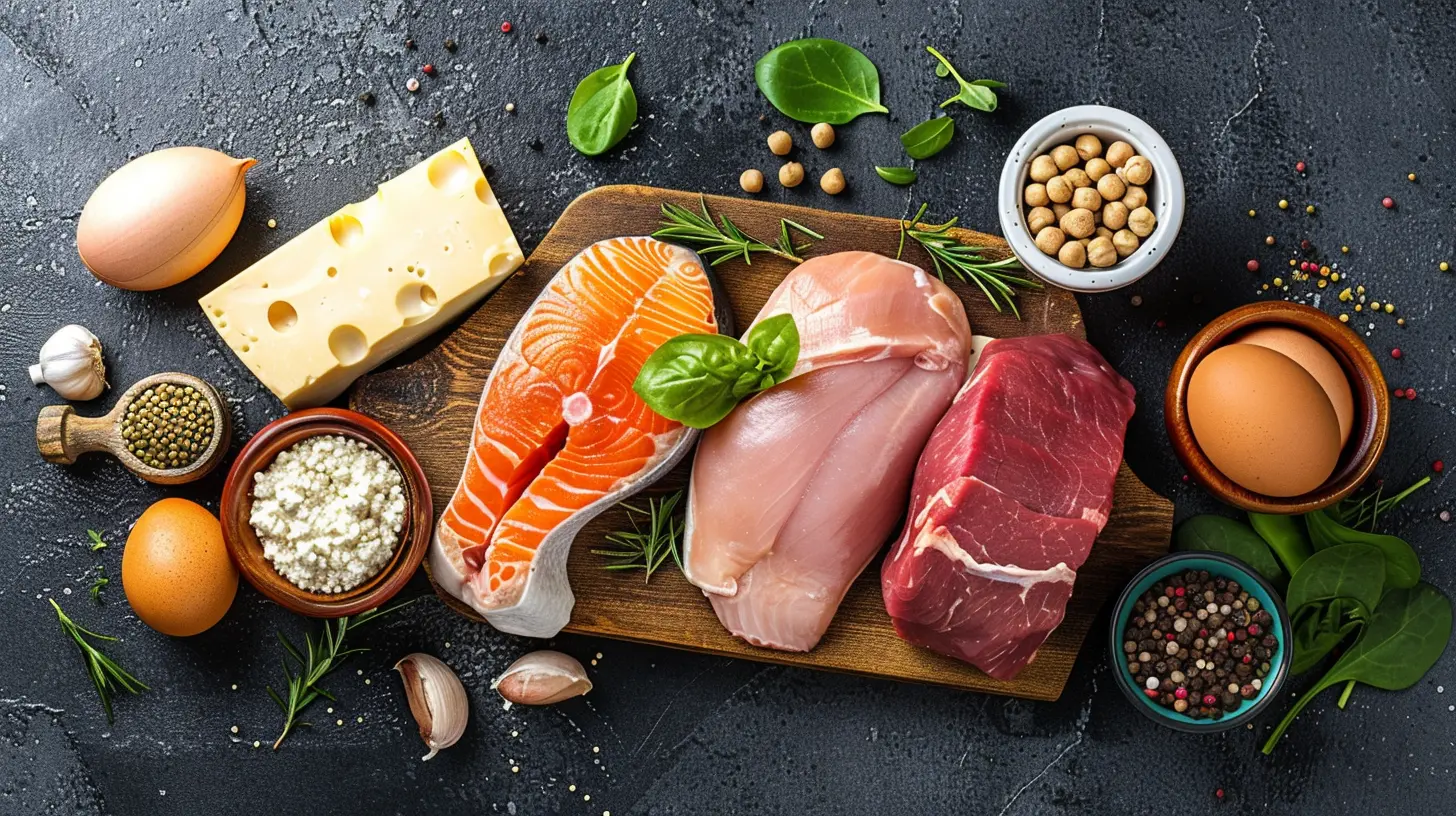
Let’s be real, nobody wants to eat dry chicken and egg whites 7 times a day. Here’s a mix of tasty (and muscle-friendly) protein sources:Animal-Based Options:
- Chicken breast (obviously)- Lean beef
- Turkey
- Eggs
- Greek yogurt (go for high-protein, low-sugar ones)
- Whey or casein protein powders
- Fish (especially salmon and tuna)
Plant-Based Champs:
- Tempeh and tofu- Lentils and chickpeas
- Edamame
- Quinoa
- Plant-based protein powders (pea, brown rice, etc.)
- Nuts and seeds (but watch the fat content)
Mix and match. Your taste buds and muscles will thank you.
But What About “Too Much Protein Damages Your Kidneys”?
Ah yes, the old “protein will wreck your kidneys” myth—still kicking around like a zombie in a low-budget horror movie.Here’s the truth: If you’re a healthy individual with no pre-existing kidney issues, high-protein diets are completely safe. You’ll be more likely to hurt your kidneys binge-watching reality TV than from eating a couple extra grams of protein.
Love your organs? Stay hydrated. That’s the actual key.
Timing Matters—But Not As Much As You Think
You’ve probably heard someone say you need to inhale protein immediately after a workout, preferably within 17.5 seconds or your whole workout was a waste. Yeah. That’s adorable.Here’s the truth: Protein timing matters, but consistency matters more.
Aim to spread your protein intake fairly evenly throughout the day. That means not hoarding your entire daily protein at dinner like it’s a Black Friday sale.
Try to get 20–40 grams per meal, 3–5 times a day. And yes, having protein within 1–2 hours post-workout is still a good idea—but you won’t vanish into thin air if you miss that window.
Final Thoughts: Protein Isn’t Just a Buzzword—It’s Your Body’s MVP
If you’re cutting calories, lifting weights, or just trying to look better in your jeans—protein isn’t optional. It’s the ultimate wingman for burning fat, preserving muscle, and keeping you full and satisfied.So toss away the carb-only dinners and sad salads. Embrace protein like the life-changer it is. Your muscles will stay intact, your metabolism will stay fired up, and best of all—you’ll feel like a total badass doing it.
Now go forth and protein like a pro.
all images in this post were generated using AI tools
Category:
Fat LossAuthor:

Laurie Barlow
Discussion
rate this article
1 comments
Harper Young
Great article! It's amazing how protein can play such a crucial role in fat loss while helping us maintain muscle. Understanding its importance can truly make a difference in our fitness journey. Looking forward to more insights like this!
June 20, 2026 at 4:46 AM