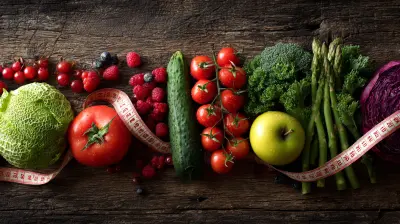
How Intermittent Fasting Affects Your Skin
16 December 2025
Intermittent fasting (IF) has gained massive popularity for its potential benefits on weight loss, metabolism, and overall health. But did you know that fasting can also have a profound impact on your skin? Yes, the way you eat—or rather, when you eat—can influence your complexion, slow down aging, and even help combat skin issues like acne and inflammation.
Let’s dive into how intermittent fasting affects your skin and why it might be the beauty secret you’ve been missing.
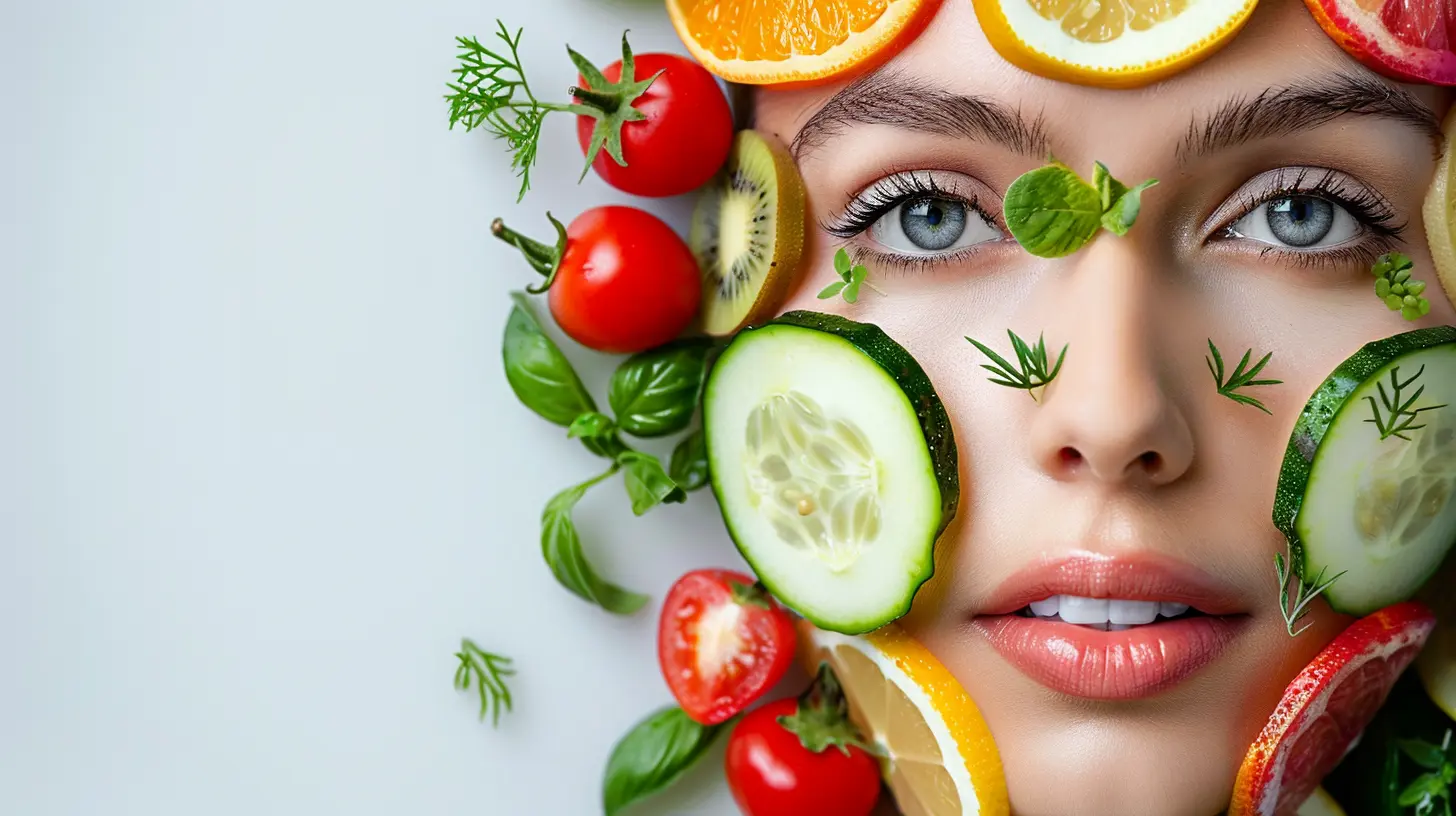
What Is Intermittent Fasting?
Intermittent fasting isn’t about what you eat—it's about when you eat. It involves cycling between periods of eating and fasting, allowing your body to repair itself during the fasting window. Some of the most common IF methods include:- 16/8 Method – Eating within an 8-hour window and fasting for 16 hours.
- 5:2 Diet – Eating normally for five days and reducing calorie intake (to about 500-600 calories) for two days in a week.
- 24-Hour Fast (Eat-Stop-Eat) – Fasting for a full 24 hours once or twice a week.
While IF is mostly used for weight management and better metabolism, its effects on skin health might surprise you.

How Intermittent Fasting Benefits Your Skin
Intermittent fasting isn't just a diet trend—it’s a way of life that can transform your skin from the inside out. Here’s how:1. Reduces Inflammation and Acne
Inflammation is one of the biggest culprits behind acne, redness, and skin irritation. When you fast, your body gets a break from constantly digesting food, allowing it to focus on healing. Studies suggest that intermittent fasting helps lower inflammation markers, which can lead to:✔️ Fewer breakouts
✔️ Reduced redness
✔️ Less puffiness
Since high-sugar diets often worsen acne, fasting can also regulate insulin spikes that contribute to persistent breakouts.
2. Boosts Collagen Production
Collagen is the secret sauce for youthful, plump skin. As we age, collagen production slows down, leading to wrinkles and sagging skin. But here’s the good news—intermittent fasting can stimulate autophagy, your body’s natural process of cleaning out damaged cells and regenerating new ones.Autophagy helps:
✔️ Reduce signs of aging
✔️ Improve skin elasticity
✔️ Maintain a smooth, radiant complexion
Think of it as hitting the reset button on your skin’s aging process.
3. Enhances Skin Hydration and Glow
Ever noticed how a clean diet makes your skin glow? That’s because when you fast, your body optimizes hydration levels, reducing water retention and improving circulation. This leads to:✔️ A healthy, dewy complexion
✔️ Fewer dry patches
✔️ Improved skin tone
Drinking plenty of water during fasting periods further enhances this glow, flushing out toxins and keeping your skin plump and fresh.
4. Balances Oil Production
If you struggle with oily skin, intermittent fasting may be your new best friend. Hormonal imbalances often trigger excess oil production, leading to clogged pores and breakouts.By stabilizing insulin and other hormones, intermittent fasting helps control sebum production, reducing:
✔️ Greasy skin
✔️ Enlarged pores
✔️ Frequent breakouts
5. Fights Free Radicals and Prevents Premature Aging
Throughout the day, our skin battles environmental stressors like pollution, UV rays, and toxins. These aggressors create free radicals, unstable molecules that damage skin cells and accelerate aging.Intermittent fasting acts as a natural antioxidant booster, neutralizing these harmful molecules and reducing oxidative stress. This means:
✔️ Fewer fine lines and wrinkles
✔️ A more youthful complexion
✔️ Protection from environmental damage
6. Promotes Faster Wound Healing
Skin cuts, wounds, and acne scars heal faster when the body isn’t overloaded with inflammatory foods. During fasting, growth hormones increase significantly, supporting faster skin regeneration and tissue repair. If you struggle with post-acne scars or sun damage, fasting might help your skin recover quicker.7. Regulates Hormones for Clearer Skin
Hormonal fluctuations are a major cause of skin issues. IF helps regulate key hormones such as:- Insulin – Lower insulin levels prevent excessive oil production and acne.
- Cortisol – Reducing stress hormones minimizes breakouts and inflammation.
Since intermittent fasting improves hormone balance, it can help keep skin clearer and calmer over time.
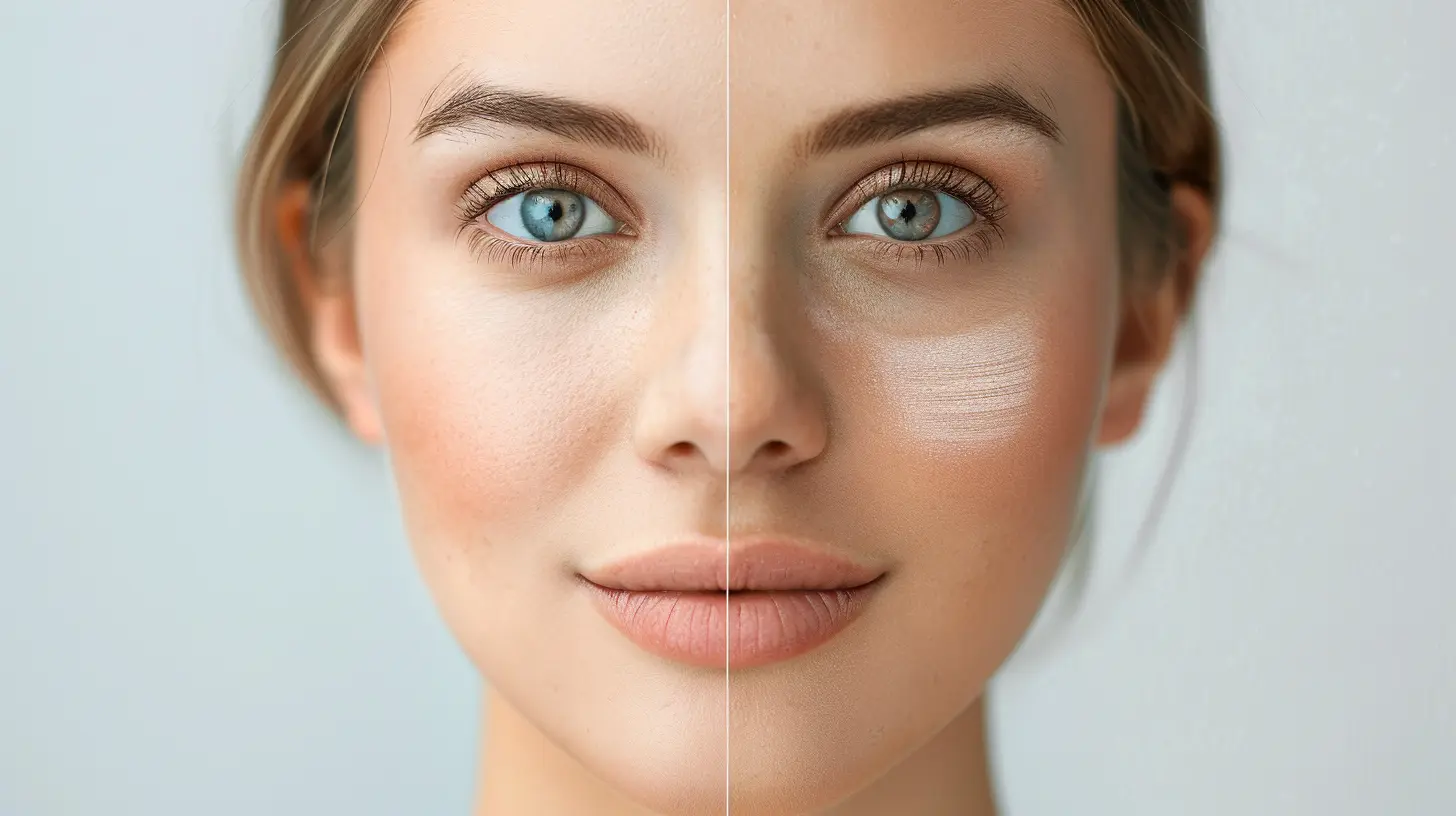
Potential Downsides of Intermittent Fasting for Skin
While intermittent fasting has impressive benefits, it’s not without challenges. Here are a few potential drawbacks:1. Initial Skin Dryness
Some people experience dryness when they first start fasting. This is often due to dehydration, so drinking enough water is crucial. Adding hydrating foods like cucumbers and avocados to your eating window can help.2. Possible Breakouts During Detox
During the first few weeks, your body purges toxins, which may lead to temporary breakouts. Think of it as an adjustment period—once your body adapts, your skin will clear up.3. Excessive Fasting Can Cause Stress
Overdoing intermittent fasting can spike cortisol levels, leading to stress-induced breakouts. Listen to your body and find a fasting schedule that works for you without feeling overly restricted.
How to Maximize Intermittent Fasting for Clear, Glowing Skin
To get the best skin benefits from IF, follow these simple tips:1. Stay Hydrated
Water is your skin’s best friend during fasting. Drink plenty of fluids to flush out toxins and maintain hydration. Herbal teas and electrolyte-rich drinks can also help.2. Eat Nutrient-Dense Foods in Your Eating Window
To nourish your skin, focus on:✔️ Healthy fats (avocados, nuts, olive oil)
✔️ Antioxidant-rich foods (berries, leafy greens)
✔️ Hydrating fruits and veggies (cucumbers, watermelon)
3. Get Enough Sleep
Your skin repairs itself while you sleep, and intermittent fasting can enhance this process. Make sure you get at least 7-9 hours of quality rest.4. Avoid Processed Foods and Sugar
Processed foods and excessive sugar can trigger inflammation and breakouts, counteracting the benefits of fasting. Stick to whole, unprocessed foods for clear skin.5. Don’t Overdo It
Intermittent fasting should feel sustainable. If you notice excessive fatigue or stress, adjust your fasting schedule to a more manageable routine.Final Thoughts
Intermittent fasting is more than just a weight-loss strategy—it’s a game-changer for your skin. By reducing inflammation, balancing hormones, boosting collagen, and fighting free radicals, IF can help you achieve clearer, healthier, and more youthful skin.That said, everyone’s body reacts differently to fasting. Listen to your skin, stay hydrated, and nourish yourself with wholesome foods to make the most out of this lifestyle.
So, ready to glow from the inside out? Give intermittent fasting a try and let your skin do the talking!
all images in this post were generated using AI tools
Category:
Intermittent FastingAuthor:

Laurie Barlow
Discussion
rate this article
2 comments
Maxwell Ward
Intermittent fasting has gained attention for its potential skin benefits. Many anecdotal reports suggest improved clarity and reduced inflammation. However, individual results can vary. It's crucial to combine fasting with a balanced diet and proper skincare for the best results. Always consult a professional before starting any regimen.
December 21, 2025 at 4:34 PM
Laurie Barlow
Thank you for your insights! It's important to highlight that while intermittent fasting may offer skin benefits, a holistic approach, including a balanced diet and skincare, is essential for optimal results. Always consult a professional before starting any new regimen.
Lorelei McAdams
Fasting: your skin's new best friend or wild prankster?
December 18, 2025 at 3:32 AM
Laurie Barlow
Fasting can be a friend for your skin by promoting detoxification and reducing inflammation, but it might also cause breakouts for some. It really depends on your body’s unique response!