Discover the Healing Power of Herbs and Spices
27 July 2026
Introduction
Ever wondered why your grandma always insisted on adding turmeric to your milk or ginger to your tea? Well, turns out, she had a point! Herbs and spices aren’t just there to make your food taste better—they come packed with incredible health benefits.
For centuries, different cultures have used them as natural remedies to fight diseases, boost immunity, and improve overall well-being. In this article, we’ll dive into the world of herbs and spices, uncover their healing properties, and show you how to use them in your daily life.
Let’s get started!
Why Herbs and Spices Matter for Your Health
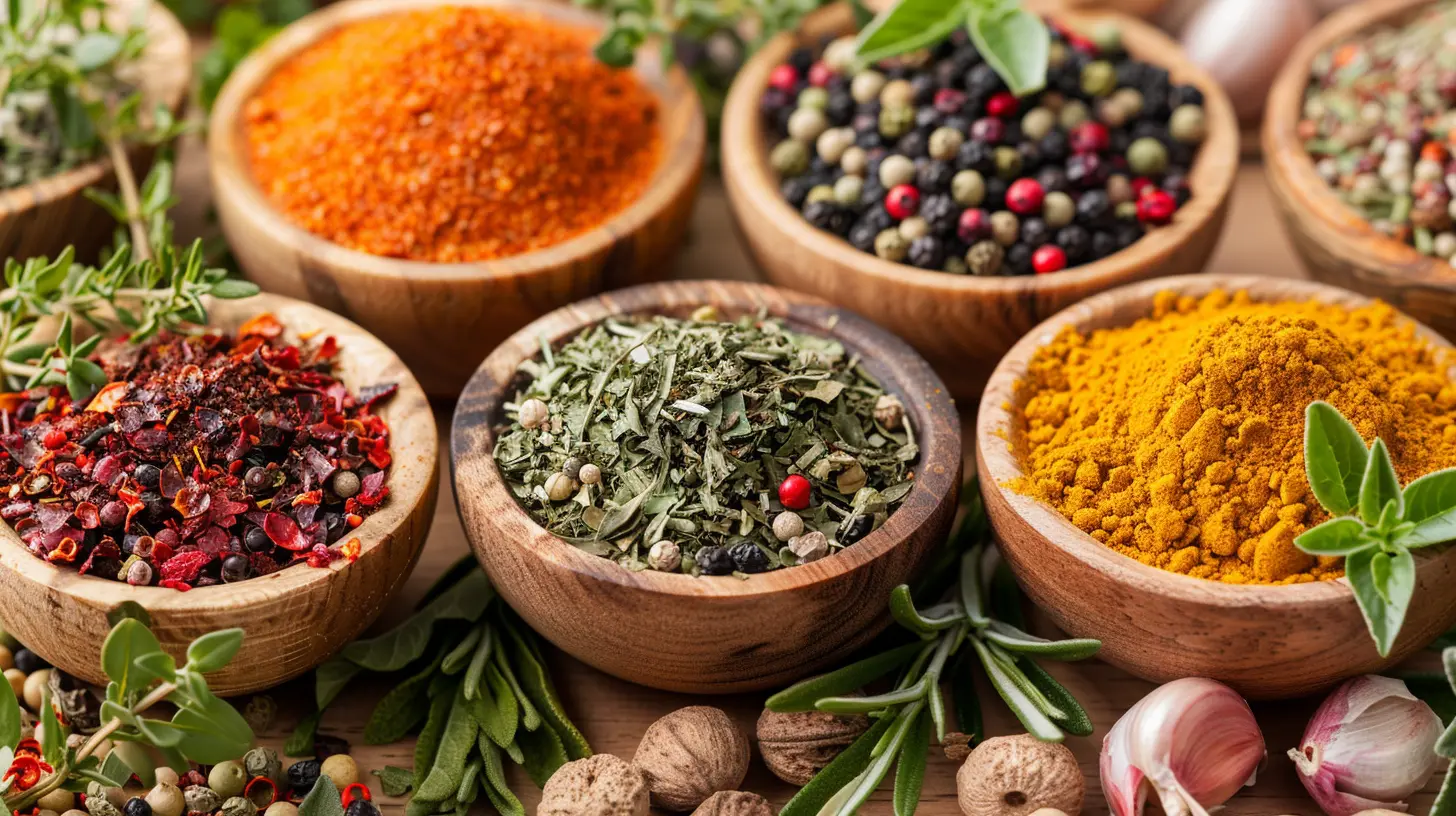
Herbs and spices do more than just add flavor to your dishes. They are loaded with antioxidants, vitamins, and minerals that can help with digestion, reduce inflammation, and even lower the risk of chronic diseases. Unlike synthetic medications, they come straight from nature, making them a safer and more holistic way to maintain health.But which ones should you focus on? Let’s look at some of the most powerful ones and how they can benefit you.
1. Turmeric – The Golden Healer
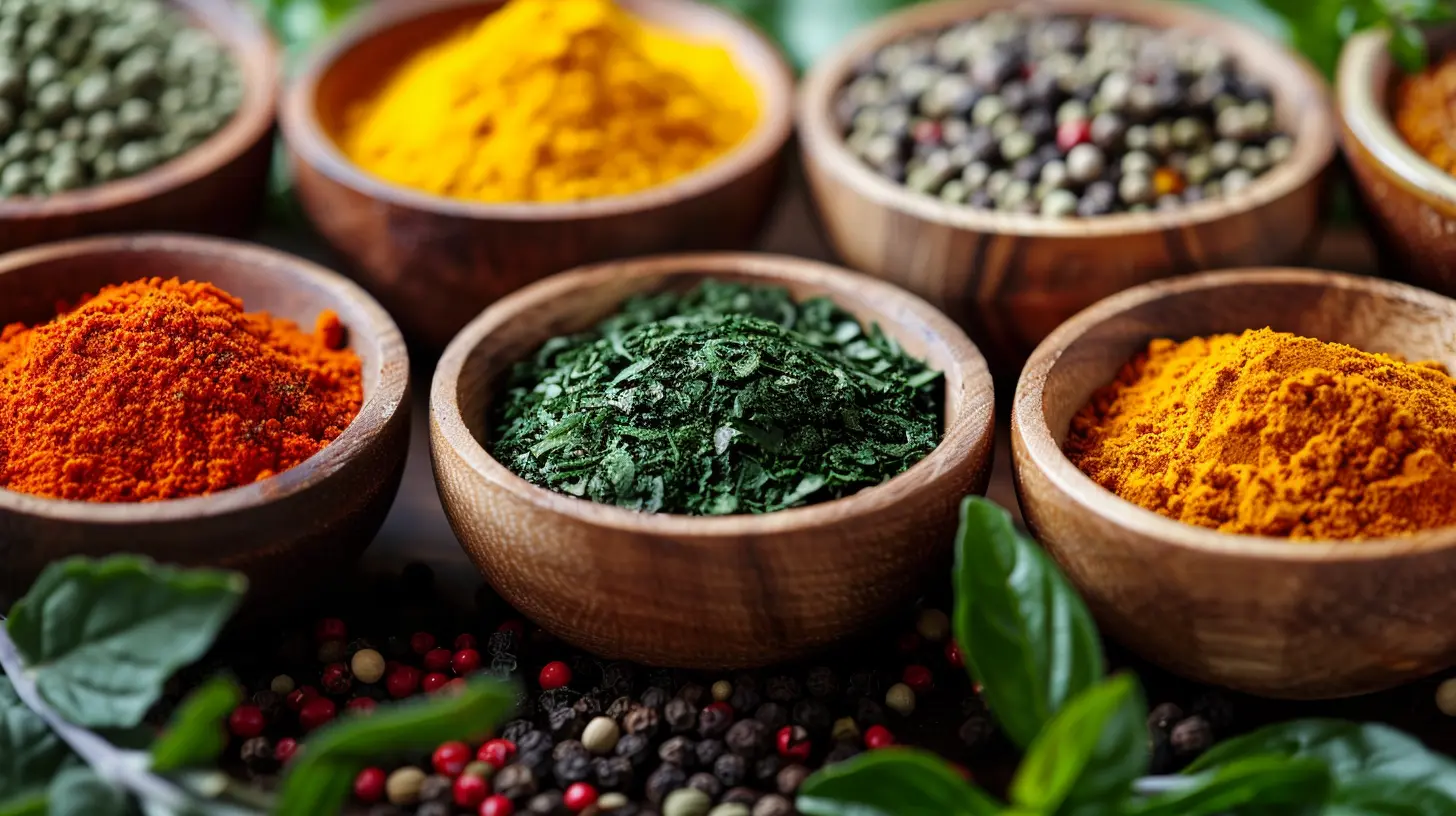
Turmeric is often called the "golden spice" and for good reason! It contains curcumin, a powerful anti-inflammatory compound. Studies suggest that curcumin can help with conditions like arthritis, heart disease, and even depression.How to Use Turmeric:
- Add a pinch to warm milk or tea for a soothing drink.- Mix it with black pepper to enhance absorption.
- Use it in curries, soups, or scrambled eggs.
2. Ginger – The Natural Painkiller
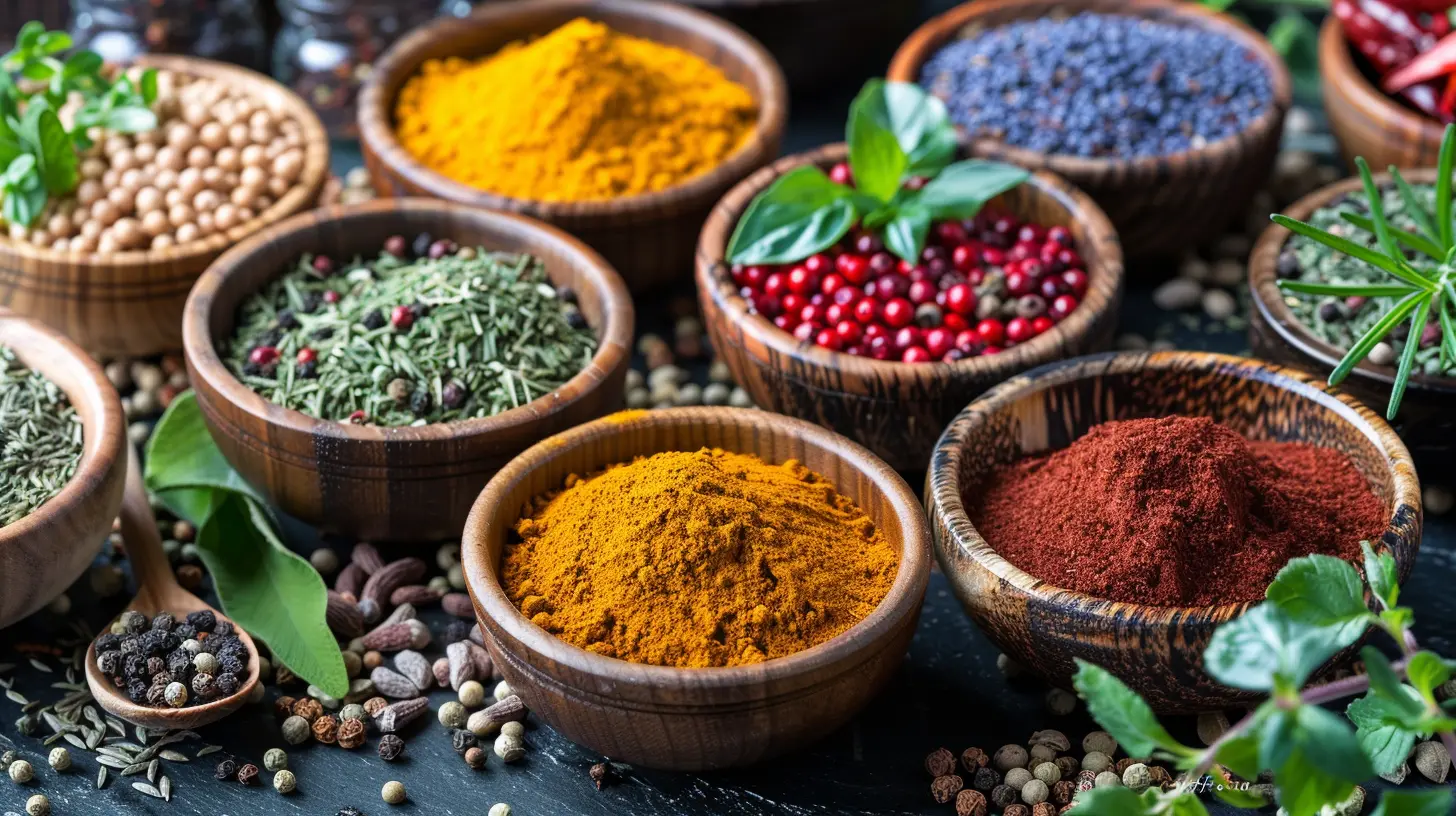
Got an upset stomach? Feeling nauseous? Ginger to the rescue! This warming spice is great for digestion and helps relieve nausea, especially during pregnancy or motion sickness. It’s also packed with anti-inflammatory properties that can ease muscle pain and joint stiffness.How to Use Ginger:
- Brew fresh ginger tea with honey and lemon.- Add grated ginger to stir-fries for an extra kick.
- Blend it into smoothies for a zingy twist.
3. Cinnamon – Regulates Blood Sugar
Cinnamon isn’t just for sprinkling on your morning latte. It has been shown to help regulate blood sugar levels, making it a great spice for people with diabetes. Plus, it has antibacterial properties that help fight infections.How to Use Cinnamon:
- Sprinkle it on oatmeal, yogurt, or baked goods.- Stir it into coffee or tea for natural sweetness.
- Add it to savory dishes like stews for a warm, earthy flavor.
4. Garlic – Nature’s Antibiotic
Garlic isn’t just for warding off vampires! It has been used for centuries as a natural antibiotic due to its compound allicin, which helps fight bacteria and viruses. Studies suggest that garlic may also lower blood pressure and improve heart health.How to Use Garlic:
- Crush fresh garlic and let it sit for a few minutes before cooking to activate its healing properties.- Use it in soups, sauces, and marinades.
- Eat it raw (if you can handle the strong taste) for maximum benefits.
5. Peppermint – A Soothing Digestive Aid
Peppermint is a lifesaver when it comes to digestion. It helps relieve bloating, gas, and indigestion. Its cooling effect can also reduce headaches and muscle tension.How to Use Peppermint:
- Brew peppermint tea after meals to aid digestion.- Add fresh mint leaves to water for a refreshing drink.
- Use peppermint essential oil for aromatherapy to relieve stress.
6. Rosemary – Boosts Memory and Focus
Need to sharpen your mind? Rosemary has been linked to improved memory and focus. It’s also known to reduce stress and may help protect against cognitive decline as you age.How to Use Rosemary:
- Infuse rosemary into olive oil for a fragrant cooking oil.- Add it to roasted vegetables, meats, or soups for extra flavor.
- Use rosemary essential oil for a refreshing aroma in your workspace.
7. Oregano – A Natural Immune Booster
Oregano is more than just a pizza topping! It’s loaded with antioxidants and has powerful antibacterial properties that can help strengthen your immune system. Oregano oil is also known for fighting infections.How to Use Oregano:
- Sprinkle dried oregano on pasta, salads, or soups.- Brew oregano tea to support immune health.
- Use oregano oil (diluted) as a natural antimicrobial remedy.
8. Cayenne Pepper – The Metabolism Booster
Want to kickstart your metabolism? Cayenne pepper contains capsaicin, which can increase fat burning and help with weight loss. It also improves circulation and may help relieve pain.How to Use Cayenne Pepper:
- Sprinkle cayenne pepper into soups, stews, or scrambled eggs.- Mix it with lemon juice and warm water for a detox drink.
- Add it to spice rubs for grilled dishes.
9. Holy Basil (Tulsi) – The Stress Reliever
Holy basil, also known as tulsi, is a sacred herb in Ayurveda known for its ability to reduce stress and promote relaxation. It has adaptogenic properties, which help the body adapt to stress effectively.How to Use Holy Basil:
- Brew tulsi tea for a calming effect.- Chew fresh basil leaves to promote overall wellness.
- Use tulsi essential oil for meditation and relaxation.
10. Fenugreek – Supports Digestion and Hormonal Balance
Fenugreek seeds have been used for centuries to aid digestion, promote weight loss, and even balance hormones—especially in women. They are also known to support lactation in breastfeeding mothers.How to Use Fenugreek:
- Soak fenugreek seeds overnight and drink the water in the morning.- Add the seeds to curries and stews.
- Use fenugreek powder in smoothies or herbal teas.
How to Incorporate Herbs and Spices into Your Daily Routine
- Start small – If you’re not used to spicy flavors, introduce them gradually.- Experiment with recipes – Try adding a new herb or spice to your favorite dishes.
- Use herbal teas – Swapping your regular tea for ginger, peppermint, or turmeric tea can be an easy way to enjoy the benefits.
- Make spice blends – Homemade spice blends can add variety and health benefits to your meals.
Final Thoughts
Nature has given us an incredible pharmacy of herbs and spices, each with unique healing properties. From easing digestion to boosting brain power, these natural wonders have been used for centuries to promote good health.So, the next time you’re in the kitchen, don’t just think of herbs and spices as mere flavor enhancers. Think of them as tiny health boosters ready to transform your well-being—one sprinkle at a time.
all images in this post were generated using AI tools
Category:
Healthy ChoicesAuthor:

Laurie Barlow
Discussion
rate this article
1 comments
Eloise Perry
What a wonderful exploration of herbs and spices! It's inspiring to see how nature offers such powerful remedies. Incorporating these into our diets can truly enhance our well-being. Keep spreading the knowledge!
July 28, 2026 at 2:53 AM