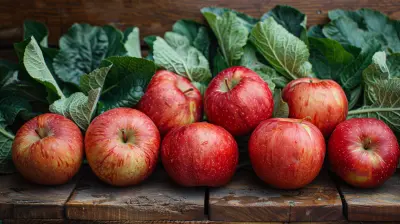
The Future of Sweetness: Top Sugar Alternatives for 2026
22 April 2026
Sweetness—it's the flavor we crave, the treat we indulge in, and for many, a daily staple. But as we become more aware of the health implications of sugar consumption, the spotlight is shifting to sugar alternatives. In this article, we’ll dive into the world of sugar substitutes that are likely to make waves in 2026. So, if you're curious about what the future holds for our sweet tooth, buckle up!
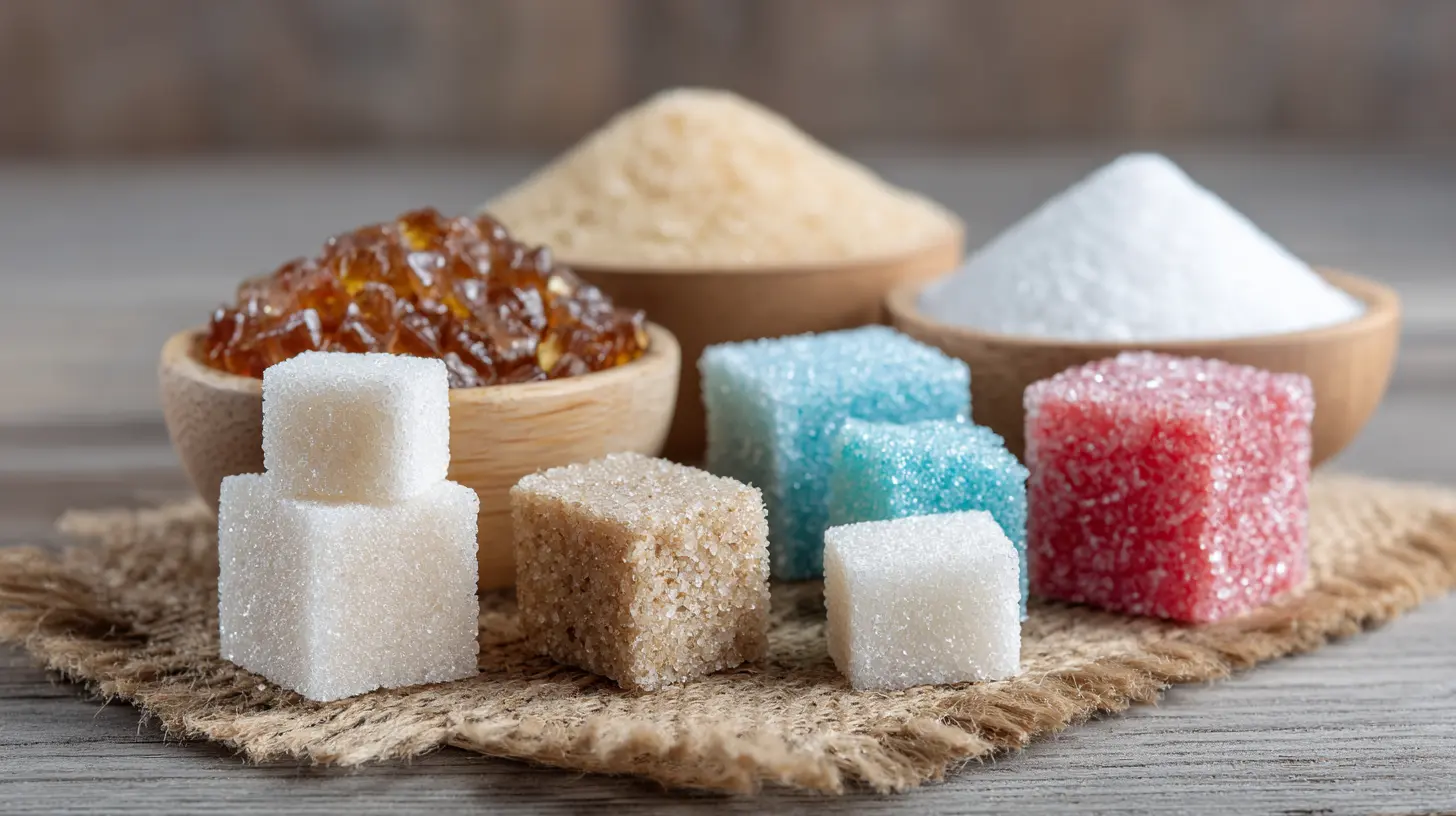
Understanding Sugar's Sweet Problem
Before we dive into the alternatives, let's take a moment to understand why sugar is such a hot topic. We've all been there: that blissful moment when you bite into a slice of cake or sip on a sugary drink. But behind that sweetness lurks a darker side—weight gain, increased risk of diabetes, and even heart disease. It's no wonder people are on a quest for better options!Why Look for Alternatives?
- Health Concerns: The link between sugar and various health issues has made many of us rethink our dietary habits.- Calorie Control: Sugar can pack in calories without any real nutritional benefits. Alternatives can help cut calories without sacrificing sweetness.
- Dietary Restrictions: People with diabetes or those on ketogenic diets often need to find ways to satisfy their sweet cravings without spiking their blood sugar.
Now that we know why we’re seeking alternatives, let’s explore what’s out there!
1. Stevia: The Green Sweetener
Stevia is derived from the leaves of the Stevia rebaudiana plant and has been used for centuries. It’s gaining traction as a sugar alternative due to its natural origins and zero calories.What Makes Stevia So Special?
- Natural Origin: Unlike artificial sweeteners, stevia is a plant-based product.- Zero Calories: It won’t add to your waistline!
- Blood Sugar Friendly: Stevia doesn’t increase blood sugar levels, making it great for diabetics.
However, stevia can have a strong aftertaste that doesn’t sit well with everyone. But as processing techniques improve, we might see a more refined taste in 2026.
2. Monk Fruit: The New Kid on the Block
Monk Fruit, or Luo Han Guo, is another natural sweetener that’s making waves. This little green fruit from Southeast Asia packs a punch—it's reportedly 100-250 times sweeter than sugar!Why Consider Monk Fruit?
- No Calories: Like stevia, monk fruit is calorie-free.- Natural: It’s derived from a fruit, making it a more appealing choice for those avoiding synthetic ingredients.
- Antioxidants: Some studies suggest monk fruit has antioxidant properties.
Despite its benefits, monk fruit can be on the pricey side, but as demand grows, prices may stabilize in the coming years.
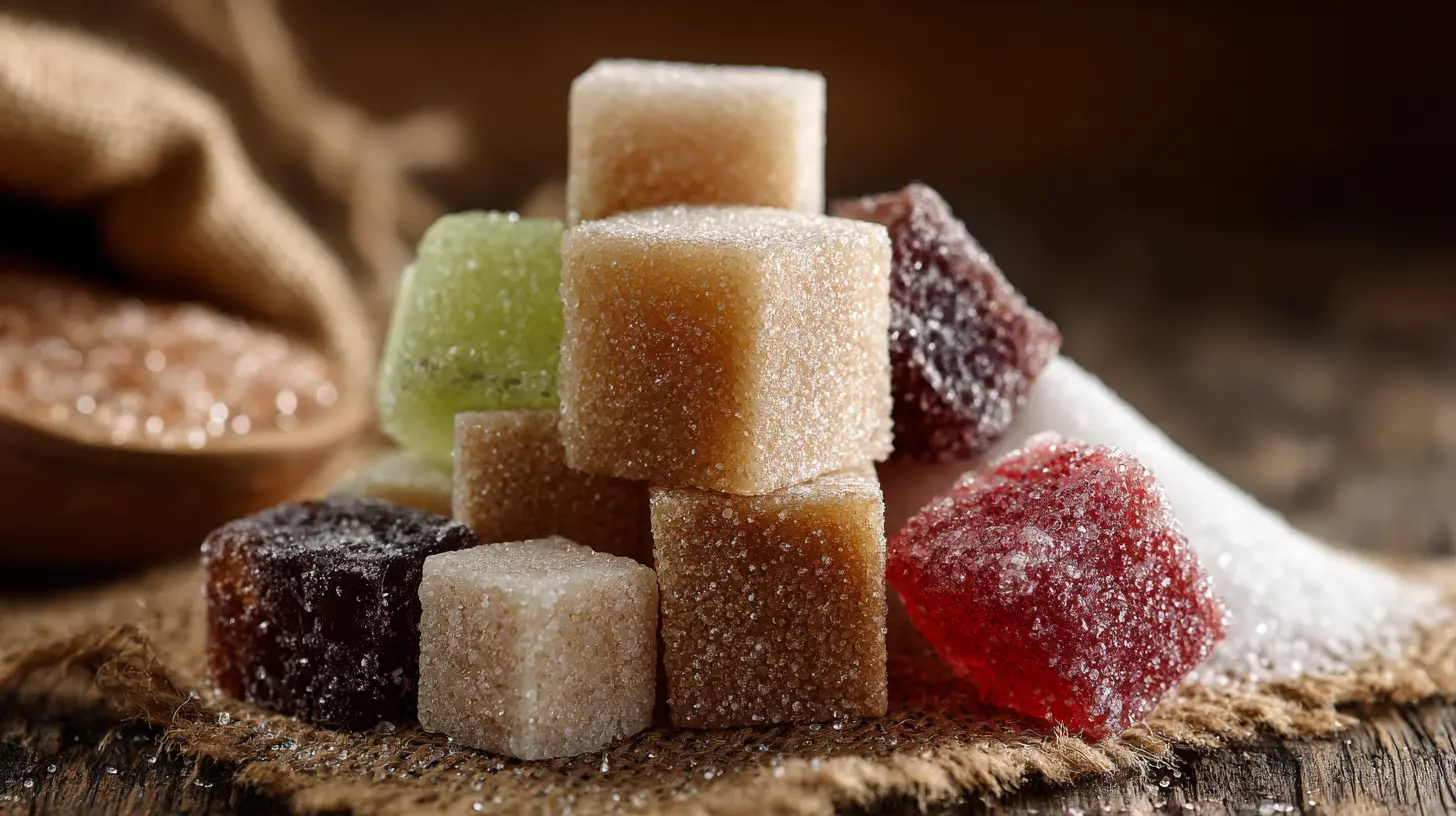
3. Erythritol: The Sugar Alcohol
Erythritol is a sugar alcohol that has gained popularity among those looking to cut down on sugar. It’s found naturally in some fruits and fermented foods, which is pretty cool, right?The Perks of Erythritol
- Low Calorie: Erythritol contains about 0.24 calories per gram, which is significantly lower than sugar.- Taste: It has a similar taste and texture to sugar, making it an easy swap in recipes.
- Minimal Impact on Blood Sugar: Erythritol doesn’t spike blood sugar levels, making it safe for diabetics.
However, some folks may experience digestive issues with sugar alcohols, so moderation is key!
4. Allulose: The Sugar Mimicker
Allulose is a relatively new player on the sugar alternative scene. It’s a rare sugar that’s found in small quantities in nature, such as in certain fruits. The amazing thing about allulose? It tastes almost exactly like sugar!Why Allulose is Worth a Try
- Low Calorie: With about 0.4 calories per gram, it’s a great option for those counting calories.- Blood Sugar Friendly: It has a negligible effect on blood glucose levels.
- Versatile: You can use it in baking, cooking, and beverages just like regular sugar.
The catch? Allulose is still somewhat obscure, and you might not find it in your local grocery store just yet. But watch this space—it’s poised for growth!
5. Yacon Syrup: The Sweet Root
Yacon syrup is derived from the yacon plant, native to the Andes mountains. It’s touted for its unique sweet flavor and health benefits.What’s So Great About Yacon Syrup?
- Low Glycemic Index: Yacon syrup is low on the glycemic index, which means it won’t cause blood sugar spikes.- Prebiotic Properties: It’s rich in fructooligosaccharides, which can aid gut health.
- Natural Sweetness: It has a deliciously rich flavor that can enhance various recipes.
That said, yacon syrup is still relatively niche, but as people look for functional foods, its popularity could rise dramatically by 2026.
6. Coconut Sugar: The Natural Alternative
Coconut sugar is made from the sap of coconut palm trees and has been gaining traction as a more natural alternative to refined sugars.The Benefits of Coconut Sugar
- Mineral Content: Unlike regular sugar, coconut sugar retains some nutrients, including iron, zinc, and potassium.- Lower Glycemic Index: It has a lower GI than regular sugar, making it a better option for blood sugar management.
- Flavor: Coconut sugar has a unique caramel-like flavor that can add depth to your dishes.
While it’s still sugar and should be consumed in moderation, it’s certainly a step up from traditional options.
7. Agave Nectar: The Sweet Siren
Agave nectar is derived from the agave plant and has been marketed as a health-conscious alternative to sugar.Why People Are Drawn to Agave
- Low Glycemic Index: It has a lower GI than sugar, making it a popular choice for those monitoring blood sugar levels.- Vegan Friendly: It’s a great alternative for those following a vegan lifestyle.
- Sweetness: It’s sweeter than sugar, so a little goes a long way.
However, it’s crucial to note that agave nectar is high in fructose, which can be problematic in large amounts. Balance is key!
8. Aspartame, Sucralose, and Other Artificial Sweeteners
While natural sweeteners are all the rage, artificial sweeteners like aspartame and sucralose are still commonly used. They’re calorie-free and incredibly sweet, leading some to believe they’re the ultimate sugar solution.The Pros and Cons
- Cost-Effective: Artificial sweeteners are often cheaper than natural alternatives.- Widely Available: You can find them in countless products, from soft drinks to baked goods.
However, concerns about their long-term safety and potential side effects have led many to shy away from them. As more natural options gain popularity, we may see a decline in the use of these artificial sweeteners by 2026.
9. The Rise of Blends
As the market for sugar alternatives grows, so does the trend of blending different sweeteners. Companies are beginning to create mixtures that combine the best qualities of various sweeteners to provide a more balanced taste and texture.Why Blends Are Beneficial
- Taste Balance: Blends can minimize aftertastes associated with some alternatives.- Functional Benefits: Combining different sweeteners can enhance their health benefits.
- Versatility: Blended sweeteners can be used in a wider variety of applications, from baking to beverages.
As consumers continue to seek out tasty yet healthier options, expect to see more innovative blends hitting the shelves in 2026.
Conclusion: A Sweeter Future
The world of sweetness is rapidly evolving. With health consciousness on the rise and technology advancing, we can expect a wide range of sugar alternatives to become mainstream by 2026. Whether you prefer natural options like stevia and monk fruit or are open to trying blends and innovative sweeteners, the future of sweetness looks promising.So, what’s your pick for a sugar alternative? Are you ready to embrace the future of sweetness?
Let’s sweeten our lives, but let’s do it wisely!
all images in this post were generated using AI tools
Category:
Sugar AlternativesAuthor:

Laurie Barlow
Discussion
rate this article
2 comments
Leona Pratt
Great insights! It's exciting to see how sugar alternatives are evolving. I can’t wait to try some of these in my recipes!
April 26, 2026 at 2:28 PM
Laurie Barlow
Thanks for the enthusiasm! Sugar alternatives are definitely changing the game. Hope you enjoy experimenting with them in your recipes!
Peter Reed
This article provides valuable insights into the evolving landscape of sugar alternatives. It's encouraging to see innovative options that cater to health-conscious consumers. However, I hope the discussion also emphasizes the importance of moderation and the potential impacts of these alternatives on our overall well-being.
April 23, 2026 at 4:13 AM
Laurie Barlow
Thank you for your thoughtful comment! I completely agree that moderation is key, and I'll ensure to highlight the importance of overall well-being in future discussions.