Cooking with Healthy Oils: Tips for Making Your Meals Nutritious
20 May 2026
When it comes to preparing delicious and nutrient-rich meals, the type of oil you use can make a world of difference. Not all oils are created equal, and choosing the right one can significantly impact your health. While some oils provide essential fatty acids and antioxidants, others may contribute to inflammation and chronic diseases.
So, how do you make the best choice? Let’s dive into the world of healthy oils and uncover the best ways to use them in your daily cooking!
Why Cooking Oils Matter in Your Diet
Cooking oils are more than just a way to prevent food from sticking to your pan. They are a crucial part of your diet, providing essential fats that your body needs for energy, brain function, and hormone production. However, the type of fat you consume can either support or harm your health.Healthy oils, such as olive oil and avocado oil, contain beneficial monounsaturated and polyunsaturated fats. On the other hand, highly processed oils, like soybean and vegetable oil, often contain unhealthy trans fats and high levels of omega-6 fatty acids, which can contribute to inflammation when consumed in excess.
Best Healthy Oils for Cooking
Not every oil is suitable for cooking at high temperatures. Some oils have a low smoke point, meaning they break down and produce harmful compounds when overheated. Here are some of the best healthy oils you should consider adding to your kitchen:1. Extra Virgin Olive Oil (EVOO)
Best for: Low to medium-heat cooking, salad dressings, drizzling over cooked foodsOlive oil is a staple in Mediterranean cuisine and is packed with heart-healthy monounsaturated fats and antioxidants. While it has a moderately low smoke point (around 375°F/190°C), it’s perfect for sautéing, roasting at moderate temperatures, and finishing dishes with a burst of flavor.
2. Avocado Oil
Best for: High-heat cooking, frying, grillingAvocado oil boasts a high smoke point of around 520°F (270°C), making it a fantastic choice for frying, grilling, and roasting. It’s loaded with monounsaturated fats and vitamin E, which help support skin health and reduce inflammation.
3. Coconut Oil
Best for: Medium-heat cooking, baking, adding flavorCoconut oil has a distinct flavor and contains medium-chain triglycerides (MCTs), which can provide quick energy. With a smoke point of around 350°F (177°C), it's great for baking, sautéing vegetables, and even making healthy desserts.
4. Ghee (Clarified Butter)
Best for: High-heat cooking, roasting, fryingGhee is a fantastic alternative to butter as it has a higher smoke point (almost 485°F/250°C). It’s rich in fat-soluble vitamins like A, D, and K and lends a rich, nutty flavor to dishes.
5. Sesame Oil
Best for: Low to moderate-heat cooking, stir-fries, saucesSesame oil adds a deep, nutty taste to dishes and contains compounds that support heart health. While the regular version has a higher smoke point, toasted sesame oil is best used for drizzling over finished dishes for maximum flavor.
6. Walnut Oil
Best for: Salad dressings, finishing touchesThis oil is loaded with omega-3 fatty acids, making it excellent for brain and heart health. However, it has a low smoke point (around 320°F/160°C), so it's best reserved for cold dishes and dressings.
Cooking Tips to Make the Most of Healthy Oils
Using the right oils is only part of the equation. How you handle and store them also plays a big role in preserving their nutrients and flavors. Here are some essential tips:1. Pay Attention to Smoke Points
Overheating oils beyond their smoke point can break down their beneficial compounds and produce harmful free radicals. Always choose the right oil for the cooking method you're using.2. Store Oils Properly
Light, heat, and air can degrade oils, making them rancid. Store oils in a cool, dark place, preferably in airtight glass bottles to maintain freshness.3. Use Oils in Moderation
Even the healthiest oils are calorie-dense. A little goes a long way, so watch your portions to avoid unnecessary calorie intake.4. Combine Oils for Maximum Benefits
Mixing different types of oils can help you get a variety of healthy fats. For example, combine olive oil and avocado oil for cooking, and use walnut oil for salads.5. Avoid Highly Processed Oils
Many refined oils, such as vegetable and seed oils, go through extensive processing that strips away their nutrients and introduces harmful chemicals. Stick to cold-pressed, extra virgin, or minimally processed oils for the best health benefits.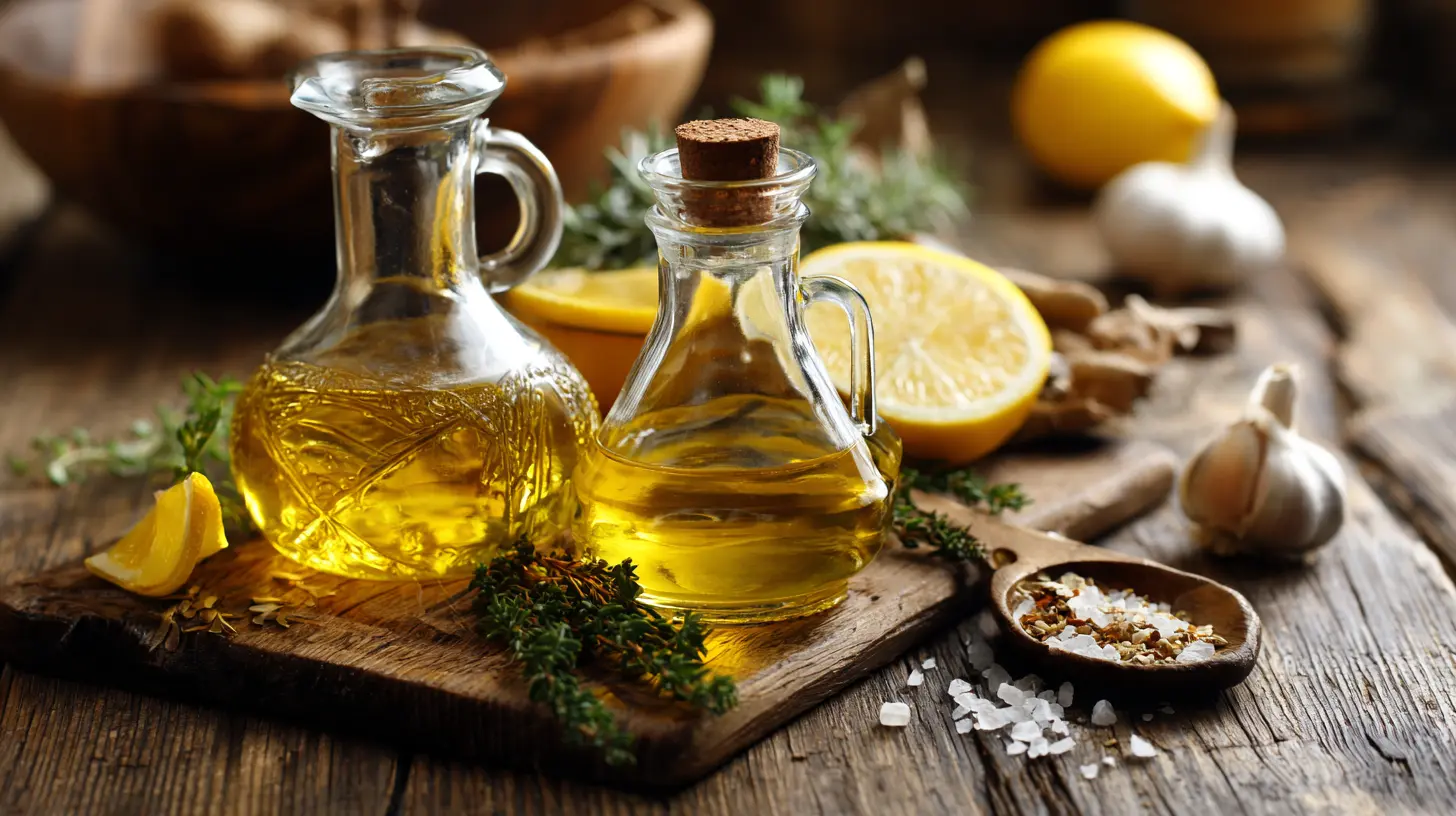
The Worst Oils You Should Avoid
While healthy oils are great for cooking, there are some you should avoid due to their high levels of unhealthy fats and extreme processing methods. Here are some of the worst offenders:- Vegetable Oil – Often a blend of highly processed oils with inflammatory omega-6 fats.
- Canola Oil – While it has a decent fatty acid profile, most canola oil is refined and contains trans fats.
- Corn Oil – High in omega-6 fatty acids, which can contribute to inflammation when consumed excessively.
- Soybean Oil – Found in many processed foods and known for its high omega-6 content.
Healthy Oil Swaps for Everyday Cooking
Making small swaps in your daily cooking routine can have a significant impact on your health. Here are some simple switches:- Instead of vegetable oil, use avocado oil for frying and roasting.
- Swap margarine for ghee for a rich, buttery taste without artificial additives.
- Replace canola oil with extra virgin olive oil for sautéing and salad dressings.
- Ditch store-bought salad dressings that contain unhealthy oils and make your own with walnut or olive oil.
Conclusion
Cooking with healthy oils is one of the easiest ways to make your meals more nutritious without sacrificing flavor. Simple choices, like using extra virgin olive oil for salads or avocado oil for frying, can have lasting health benefits. By paying attention to smoke points, storage methods, and portion control, you can maximize the nutritional advantages of these oils while creating delicious, wholesome meals.Next time you’re in the kitchen, take a moment to choose the best oil for the job—you’ll be doing your body a favor with every bite!
all images in this post were generated using AI tools
Category:
Healthy FatsAuthor:

Laurie Barlow
Discussion
rate this article
2 comments
Miriam McClellan
Embrace healthy oils in your cooking. They add flavor and nutrition, transforming meals into delicious and wholesome experiences.
July 23, 2026 at 4:48 AM
Laurie Barlow
Absolutely! Healthy oils can really enhance both the taste and nutritional value of your dishes. Experimenting with different oils can elevate your cooking in so many ways.
Thorne Acevedo
Using healthy oils can transform your cooking by enhancing flavor and nutrition. Opt for oils like olive or avocado that offer beneficial fats. Remember, moderation is key to maximizing health benefits while keeping meals enjoyable.
May 21, 2026 at 3:26 PM
Laurie Barlow
Absolutely! Healthy oils like olive and avocado not only boost flavor but also add nutritional value. Just a little goes a long way for tasty and healthy meals.