Organic Food Trends to Watch: What’s on the Rise?
2 January 2026
Alright, let’s talk about something that’s been growing faster than your neighbor’s sourdough starter obsession—organic food. Whether you’re a green smoothie devotee or someone who just likes their apples without the extra side of pesticides, organic food is having a major moment. But wait—it’s not just about bananas without the barcode stickers anymore. The organic movement is evolving, getting trendier, and trust us, you’re going to want a front-row seat to see what’s sprouting up next.
So, grab your reusable shopping bags and maybe a matcha latte, because we’re diving deep into the organic food trends that are on the rise.
🌱 Organic Is No Longer Just a Niche—It’s Mainstream Now
Remember the days when eating organic meant visiting a small, slightly overpriced co-op with a guy named Greg who only wore hemp? Those days are long gone. Organic has officially stepped into the mainstream.Supermarkets now dedicate entire aisles to organic goods, and even fast food chains are hopping on the bandwagon. Why? Because people care more than ever about what they’re putting into their bodies. Cleaner ingredients. Fewer chemicals. Real food. It's not just a phase—it’s a lifestyle shift.
📈 Trend #1: Regenerative Organic Farming Is Taking Root
Okay, hold up—regenerative what?Regenerative organic farming is like organic’s cool older sibling. It’s not just about avoiding synthetic pesticides and GMOs, but also about giving back to the soil, improving biodiversity, and creating a more sustainable food system.
Think of it like this: Instead of just not hurting the planet, regenerative farming is actively healing it.
Brands like Patagonia Provisions and Dr. Bronner’s are leading the charge here, and even big supermarket chains are paying attention. As consumers, we’re looking beyond the label and asking, “How was this grown?” And that’s a beautiful thing.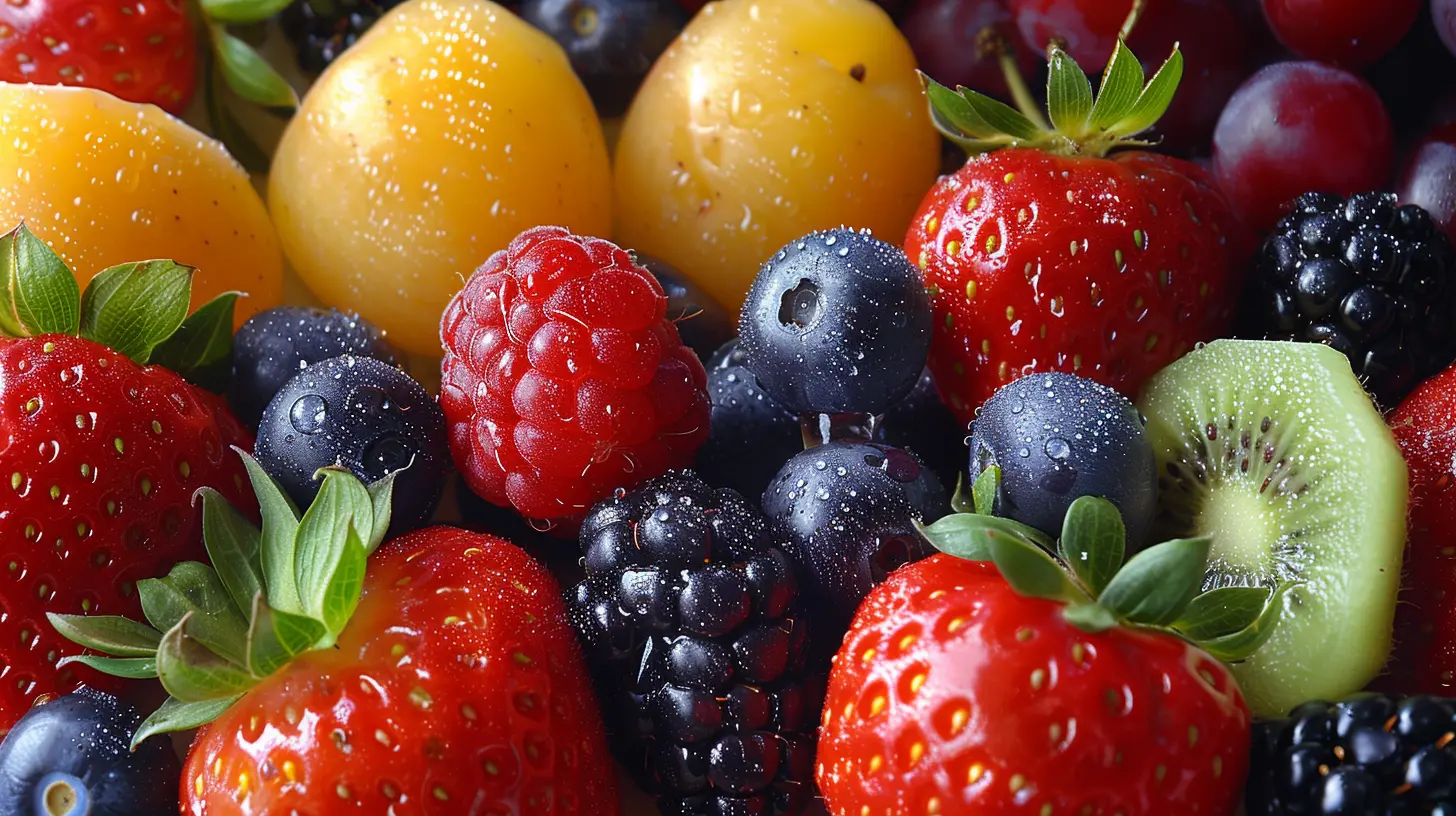
🥬 Trend #2: Indoor Organic Farming (Yep, It’s a Thing)
Farming indoors? Sounds like a futuristic sci-fi plot, right? But hydroponics, aquaponics, and vertical farming are all becoming legit players in the organic food world.Imagine a skyscraper of lettuce right in the middle of a city. That’s what vertical farming is. These controlled environments use less water, no pesticides, and can operate year-round. Plus, they shorten the distance from farm to table, which means fresher produce and fewer carbon emissions.
Urban farming isn’t just trendy—it’s necessary. As city populations grow and climate change messes with traditional farming, growing food closer to where we eat it just makes sense.
🧠 Trend #3: Functional Organic Foods Are Fueling Our Brains and Bellies
Organic food isn’t just about being clean. More and more, people are demanding that their food do more. Enter: functional foods.These are your multitasking superheroes of the grocery store. Think organic kombucha that improves gut health, mushrooms that boost brain power, and turmeric lattes that fight inflammation. It’s food with a job.
This trend is especially hot in the organic snack scene. Organic protein balls, probiotic-packed yogurts, and chia pudding with adaptogens are popping up everywhere. It’s all about optimizing health while still enjoying what you're eating. Win-win, right?
🚫 Trend #4: Organic and Allergen-Free Are Teaming Up
Have a food sensitivity? You’re not alone. Millions are turning to organic options not just for what they include—but also for what they leave out.Gluten-free? Dairy-free? Nut-free? Organic brands are getting the memo.
Organic snack and meal brands are becoming more inclusive, creating products that cater to people with allergies and dietary restrictions. And these aren’t the cardboard-tasting options of the past. Today’s allergen-friendly organics are full of flavor, taste-test approved, and totally Instagram-worthy.
🛒 Trend #5: E-commerce is Booming for Organic Foods
Raise your hand if you discovered online grocery shopping in the last few years. Yep, us too.Organic food sales online have absolutely exploded. Services like Thrive Market, Whole Foods via Amazon, and even your local CSA are bringing organic goodies straight to your doorstep.
Why does this matter? Because access is everything. People in areas without easy access to organic grocery stores can now fill their carts (and their pantries) digitally. Plus, online shops often have better transparency—ingredient lists, ethical practices, where the food came from—all just a click away.
🧃 Trend #6: Clean, Organic Drinks Are Replacing Sugary Sodas
Say goodbye to syrupy sodas and hello to clean sips.One of the fastest-growing organic food trends? Beverages. Think sparkling water with real fruit juice, kombucha with zero added sugars, herbal teas, and even organic wine (yes, please!).
People are ditching the sugar and seeking out drinks that hydrate, heal, and taste amazing. And better yet? No weird ingredients you can’t pronounce.
Next time you’re thirsty, reach for something that’s as good for your body as it is for your taste buds.
🐄 Trend #7: Organic Meat and Dairy Are Getting a Conscious Makeover
The organic meat and dairy section used to be tiny, maybe even nonexistent. But not anymore.Consumers are increasingly asking questions like, “How was this animal raised?” and “What did it eat?” And that’s turning into more organic, pasture-raised, and ethically produced options hitting the shelves.
From organic eggs and grass-fed beef to hormone-free milk and wild-caught seafood, transparency is the name of the game.
And let’s be honest—meat and dairy just taste better when you know the animals were treated humanely and fed a proper diet. It’s better for the animal, better for the planet, and better for us.
🍭 Trend #8: Cleaner Organic Kids' Foods
Parents, rejoice! Organic food trends aren’t just for adults anymore. Gummy fruit snacks and neon cereal are finally getting a clean makeover.Today’s parents are opting for organic baby formulas, snacks, and meals with real ingredients, no additives, and better sourcing. Brands are stepping up to meet that demand—and making it fun, too.
We’re talking squeezable organic yogurts, veggie-packed purees, and easy meals for picky eaters—all without the junk. Because kids deserve good food, too.
💡 Trend #9: Organic Transparency and Tech Integration
Remember when buying organic meant taking a leap of faith? Not anymore.Welcome to the digital age of organic. QR codes on packaging now let you trace your apple's journey back to the orchard. Blockchain technology is helping verify product authenticity. And apps are popping up to help you understand labels, ingredients, and sourcing.
Tech is making organic food more transparent, and it’s empowering us to make better choices. Knowledge is power, after all.
🌎 Trend #10: Climate-Conscious Organic Shopping
More and more, people aren’t just thinking about "me"—they're thinking about "we."Climate-conscious consumers want organic options that don’t just reduce chemical use, but also minimize emissions, waste, and resource consumption.
That's why we’re seeing a rise in:
- Organic brands using compostable packaging
- Bulk organic foods to cut down on waste
- Companies prioritizing carbon-neutral farming
Organic isn't just personal anymore—it’s planetary.
🍔 Bonus Trend: Organic Junk Food (Yes, Really)
Okay, nobody panic—but organic junk food is a thing now. Hear us out.Sometimes, you just want chips, cookies, or ice cream. And now, you can have those fun foods with a cleaner conscience. Organic versions of your favorite snacks are using real ingredients, less sugar, and no artificial garbage.
It’s like eating your feelings—but slightly more responsibly. Balance, right?
Final Thoughts: The Organic Revolution Is Evolving
So, what did we learn here? Organic isn't just about food—it’s a movement. It’s cleaner, smarter, and way more delicious than it used to be. From soil-saving farms to tech-savvy transparency, the organic world is expanding in all the right directions.Whether you’re all-in on organic or just testing the waters (looking at you, once-a-week kale salad), there’s never been a better time to hop on the organic bandwagon.
So the next time you’re pushing a cart (or clicking "checkout"), keep an eye out for these trends. Your body, your family, and maybe even Mother Earth will thank you.
all images in this post were generated using AI tools
Category:
Organic FoodsAuthor:

Laurie Barlow
Discussion
rate this article
2 comments
Catherine McKee
Great insights! It’s exciting to see how organic food trends evolve, reflecting our growing awareness of health and sustainability.
January 20, 2026 at 5:00 AM
Laurie Barlow
Thank you! I'm glad you found the insights valuable—it's an exciting time for organic food!
Asher Phillips
Exciting trends ahead! Embracing organic foods not only nourishes our bodies but also supports a sustainable future. Keep exploring!
January 13, 2026 at 4:13 AM
Laurie Barlow
Thank you! Exciting times indeed as we prioritize health and sustainability together!