Chronic Joint Pain? Understand the Causes and Solutions
29 June 2026
Ever felt like your joints were plotting against you? Like they’ve all had a secret meeting and decided, "Today, we shall make them suffer!"? If so, you’re not alone. Chronic joint pain is like that uninvited guest who overstays its welcome—annoying, relentless, and sometimes downright painful.
But what exactly causes this nagging discomfort, and more importantly, what can you do about it? Pull up a chair (or maybe a cushioned one if your joints are acting up), and let’s break it down in a way that won’t put you to sleep faster than a boring textbook.

What Is Chronic Joint Pain?
Before we go Sherlock Holmes on this mystery, let’s define what chronic joint pain actually means. Unlike the occasional aches from sleeping in a weird position or overdoing it at the gym (we get it, you were trying to relive your youth), chronic joint pain sticks around for the long haul—usually for more than three months.It can affect your knees, hips, shoulders, elbows, and even those tiny knuckles that make texting a challenge when they hurt. And while joint pain occasionally comes with age (looking at you, 30s and beyond), it’s not just an “old people” problem.
Let’s dig into the most common culprits behind this irritating condition.

Common Causes of Chronic Joint Pain
1. Arthritis: The Most Wanted Criminal
If joint pain had a “Most Wanted” poster, arthritis would be the prime suspect. It comes in many forms, but the most infamous ones are:- Osteoarthritis (OA): This is the “wear and tear” version of arthritis. Over time, your cartilage (aka joint cushion) starts to break down, leaving your bones rubbing together like two sticks trying to start a fire. Spoiler alert: That’s not a pleasant feeling.
- Rheumatoid Arthritis (RA): This one’s an autoimmune troublemaker. Your immune system, which is supposed to protect you, goes rogue and starts attacking your joints instead. Talk about betrayal!
- Gout: Picture tiny crystals forming in your joints like an unwelcome rock concert. That’s gout. It usually targets the big toe, but don’t be fooled—it can strike anywhere.
2. Injury and Overuse: When Your Body Says "Enough!"
Had a sports injury back in the day? Or maybe you’ve been typing like a maniac and now your wrists are protesting? Overuse and past injuries can lead to persistent joint pain. Repetitive motions (think typing, running, or even excessive scrolling) can wear down your joints over time, causing chronic discomfort.3. Inflammation: Your Body’s Unwanted Party Guest
Inflammation is like that friend who “helps” clean up but actually makes a bigger mess. While it's a natural response to injury, chronic inflammation can wreak havoc on your joints, leading to conditions like arthritis, bursitis, and tendinitis.4. Weak Muscles and Poor Posture: The Sneaky Culprits
Let’s be honest—how many of us slouch while scrolling through social media? Poor posture can put unnecessary stress on your joints, leading to long-term pain. Add weak muscles into the mix, and boom—your joints are carrying all the burden.5. Excess Weight: More Pressure, More Problems
Carrying extra weight isn’t just tough on your self-esteem—it’s brutal on your joints too. Excess weight adds pressure, especially on weight-bearing joints like the knees and hips. Just 10 extra pounds can feel like 30 on your knees!6. Weather Changes: Your Joints’ Built-in Barometer
Ever heard someone say, “I can feel it in my joints—rain is coming”? Some people with joint pain swear they can predict the weather better than the local news. Sudden changes in temperature and barometric pressure can cause joints to swell and ache. Scientists aren’t entirely sure why, but hey, maybe your grandma really is onto something.7. Diet and Nutrition: You Are What You Eat (Literally!)
Certain foods cause inflammation, making joint pain worse. If you’re a fan of sugar, processed foods, and excessive alcohol (no judgment), your joints might be suffering the consequences. On the bright side, the right foods—like omega-3-rich fish, leafy greens, and nuts—can help combat inflammation.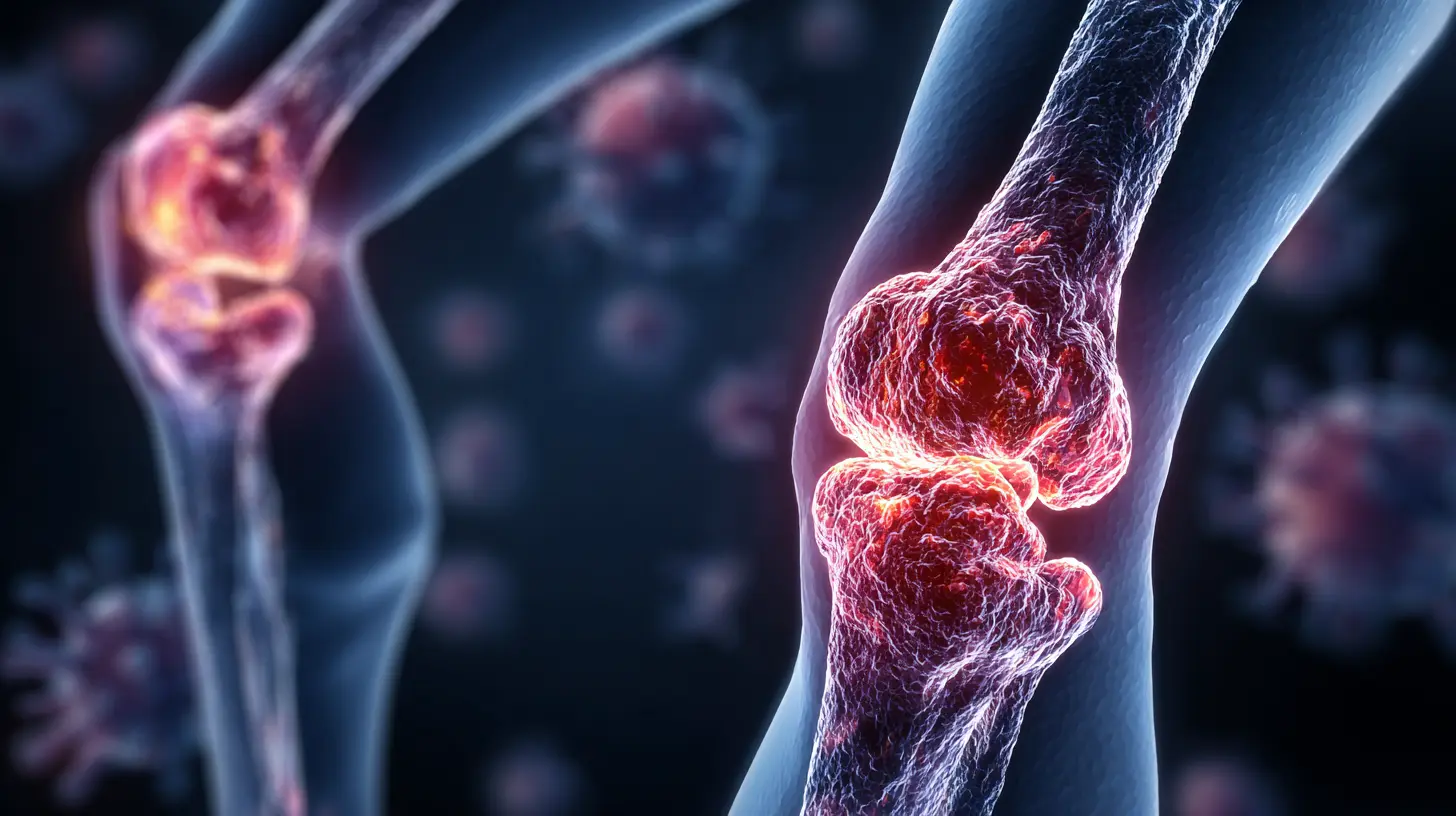
Solutions: How to Kick Joint Pain to the Curb
Enough about the doom and gloom. Let’s talk about fixing this joint pain mess!1. Move It or Lose It: Exercise Wisely
No, we’re not asking you to train for a marathon. But gentle activities like swimming, yoga, and walking can keep your joints happy. Low-impact exercises help maintain mobility, strengthen muscles, and reduce stiffness.2. Stretch Like a Cat
Ever notice how cats stretch first thing in the morning? They’re onto something. Regular stretching improves flexibility, reduces stiffness, and helps prevent further joint damage. Plus, it just feels amazing.3. Watch What You Eat
An anti-inflammatory diet can work wonders. Load up on:✔ Omega-3 fatty acids (found in salmon, flaxseeds, and walnuts)
✔ Leafy greens (spinach, kale, and broccoli)
✔ Turmeric and ginger (they’re nature’s anti-inflammatories)
Meanwhile, limit:
❌ Processed foods (bye, chips and cookies)
❌ Excess sugar (farewell, soda and pastries)
❌ Too much red meat (moderation is key!)
4. Stay Hydrated—Your Joints Love Water
Think of your joints like sponges. When they’re well-hydrated, they’re cushioned and happy. When they’re dry? Ouch. Aim for at least 8 glasses of water a day. Bonus: Your skin will thank you too.5. Maintain a Healthy Weight
We won’t sugarcoat it (because sugar isn’t great for joint pain anyway)—if you’re carrying extra weight, shedding a few pounds can significantly reduce pressure on your joints. Even a small weight loss can make a big difference.6. Consider Supplements
If your diet is lacking, supplements can fill the gaps. Some of the best ones for joint health include:✔ Glucosamine and chondroitin (great for cartilage support)
✔ Omega-3 fatty acids (hello again, fish oil!)
✔ Vitamin D and calcium (strong bones = strong joints)
7. Manage Stress (Because Life Happens)
Stress isn’t just a mental battle—it’s a body-wide issue. High stress levels lead to inflammation, which can worsen joint pain. Try meditation, deep breathing, or even just laughing at a funny meme to keep stress in check.8. Listen to Your Body (Seriously, It Knows Best)
Pain is your body’s way of saying, “Hey, something’s up!” Don’t ignore it. If a certain movement or activity worsens your symptoms, take a step back. Rest when needed and don’t push yourself to superhero levels (unless you’ve got superpowers, then proceed).9. Hot and Cold Therapy: The Ultimate Tag Team
- Heat therapy: Think warm baths, heating pads, or a cozy blanket. Helps with stiffness.- Cold therapy: Ice packs for swelling and inflammation. Just don’t freeze yourself into a popsicle.
10. Consult a Doctor When Needed
If your joint pain feels like it’s auditioning for the lead role in a horror movie, don’t hesitate to see a doctor. Persistent pain, swelling, or difficulty moving are red flags that need professional attention.
The Final Word
Chronic joint pain may be annoying, but it doesn’t have to take over your life. With the right mindset, lifestyle changes, and a little bit of patience, you can keep those joints in check. So, put on your comfiest shoes, grab a glass of water, and show that joint pain who’s boss.all images in this post were generated using AI tools
Category:
Healthy JointsAuthor:

Laurie Barlow
Discussion
rate this article
1 comments
Delilah Mitchell
Living with chronic joint pain can be challenging, but understanding its causes opens the door to effective solutions. Empower yourself with knowledge and start your healing journey today.
July 8, 2026 at 3:25 AM