What Pregnant Women Should Know About Organic Foods
17 December 2025
Pregnancy is one of the most magical (and nerve-wracking!) times in a woman’s life. There’s so much to think about — baby names, nursery themes, prenatal vitamins — and of course, what you’re eating. Diet plays a massive role in your baby’s development, and you’ve probably come across the topic of organic food more than once.
But what does “organic” really mean when you’re pregnant? Is it just a trendy label, or is there more to it? Should you switch everything in your pantry to organic overnight? Let’s dig in and get real about what pregnant women should know about organic foods — without the guilt trip or confusion.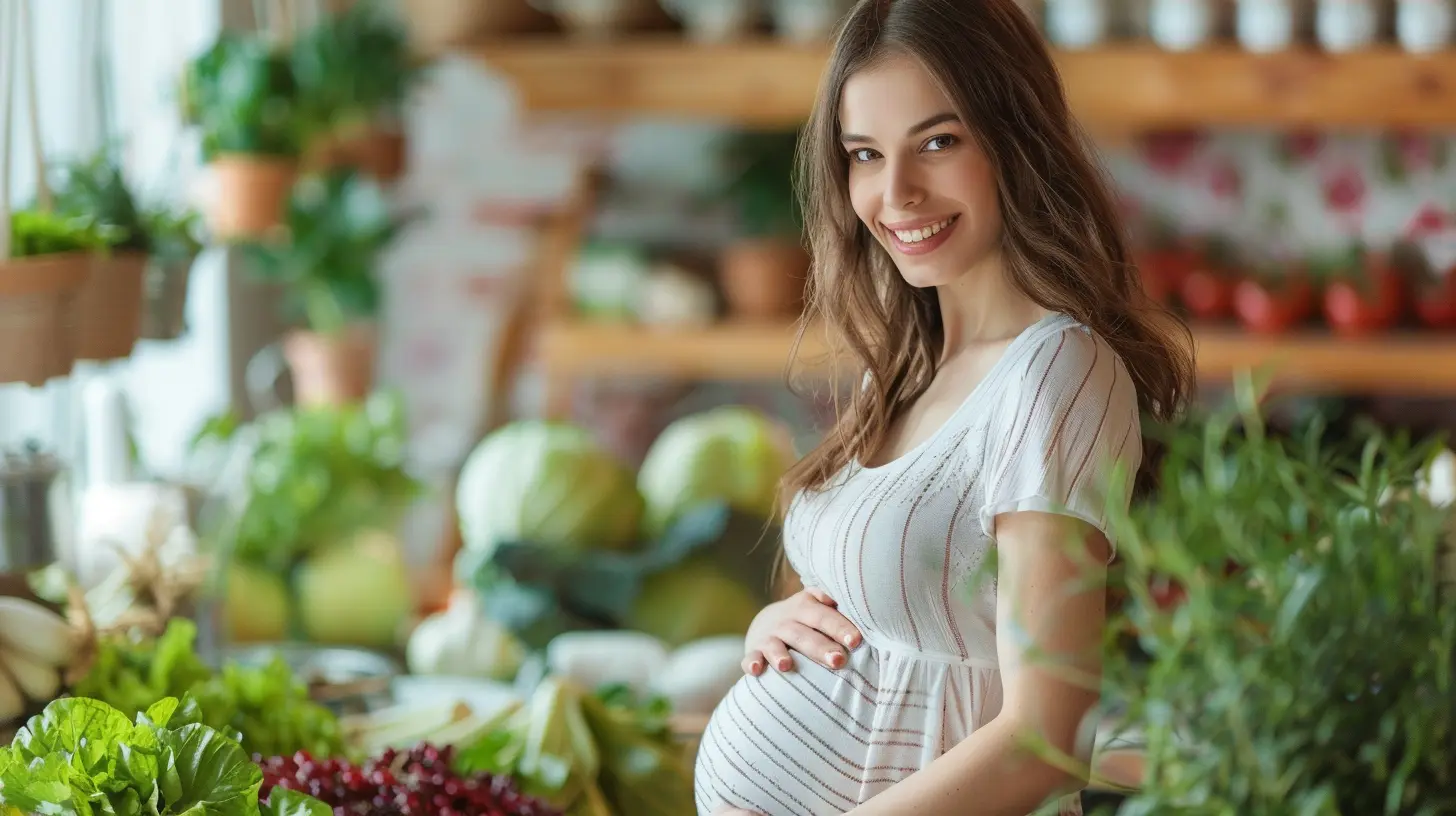
🍏 What Exactly Are Organic Foods?
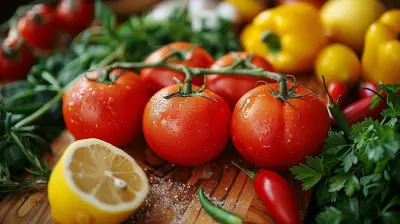
Let’s start with the basics. The term “organic,” when it comes to food, means it's grown or raised without synthetic pesticides, herbicides, GMOs, antibiotics, or artificial hormones. Organic produce is cultivated with natural fertilizers, and organic livestock munch on organic feed and enjoy more humane living conditions.Think of it as food that’s been treated more kindly — and that might treat your body kindly in return.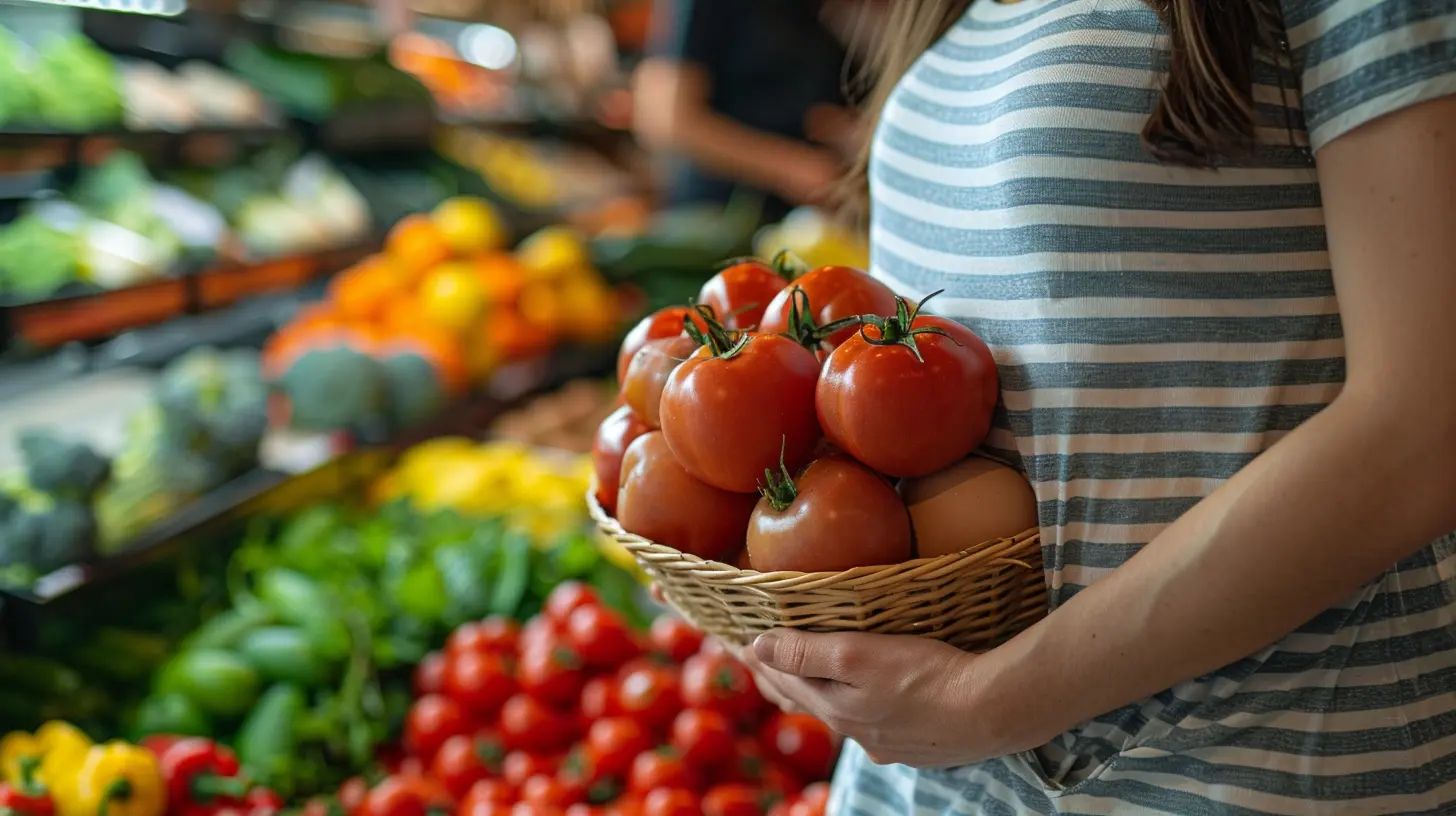
🤰 Is Eating Organic During Pregnancy Necessarily Better?
This is the million-dollar question, isn’t it?Well, here's the deal: while organic foods aren’t a magic bullet, they can reduce exposure to certain chemicals that may affect both you and your baby. Some research suggests that consuming fewer pesticides may have positive implications for fetal development.
In simple terms: less junk in your body = fewer risks for your growing baby.
Let’s break things down a little more.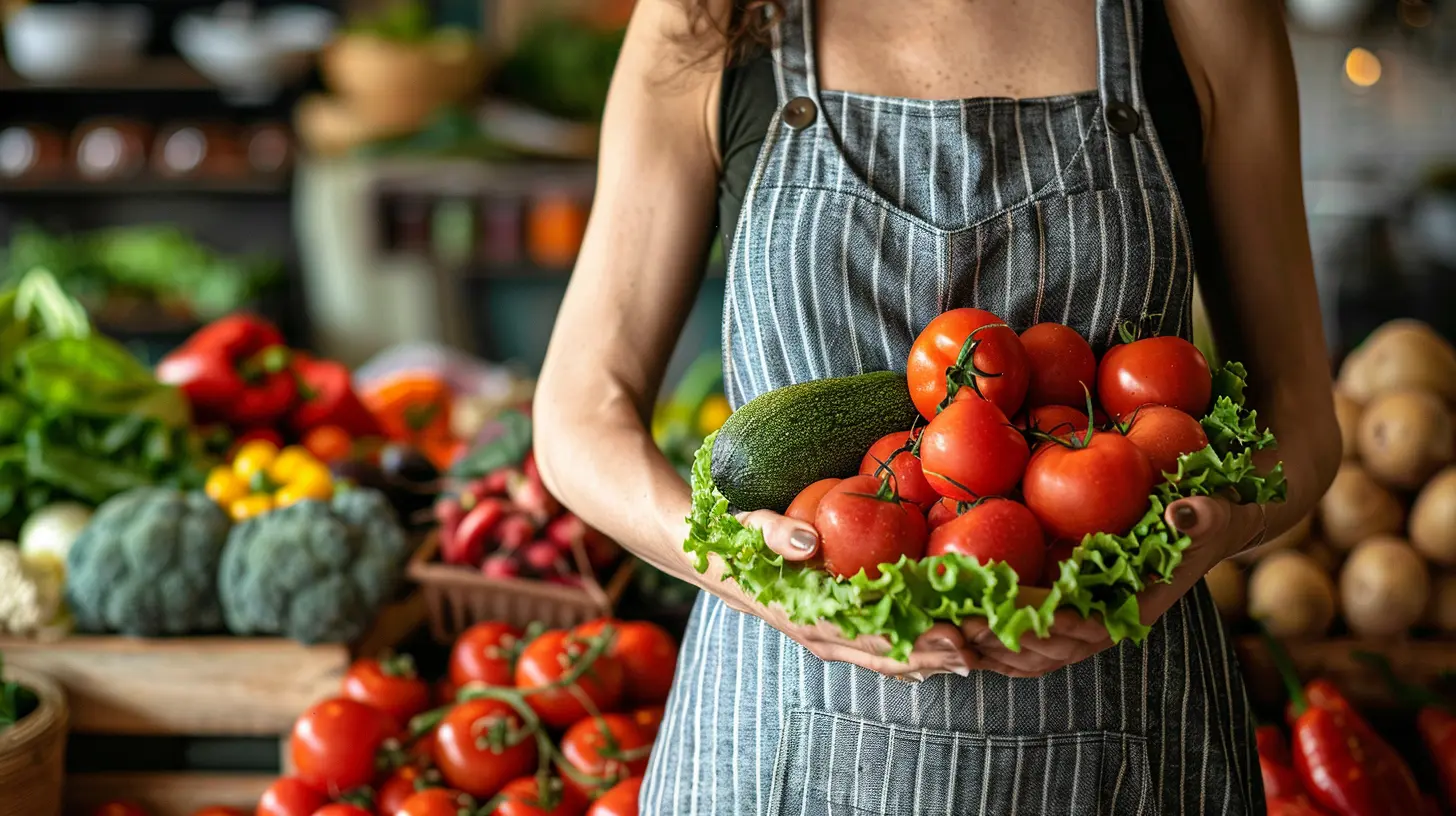
🧪 Pesticides and Pregnancy – Should You Worry?
Pesticides are used in conventional farming to kill pests and boost crop yields. Sounds practical, right? But here’s the kicker — those same chemicals can linger on fruits and veggies, and when eaten during pregnancy, they may raise risks related to:- Neurodevelopmental issues
- Low birth weight
- Preterm labor
- Hormonal disruptions
It’s not about fear-mongering, but rather about informed choices. The developing brain and body of a fetus are super sensitive, so minimizing pesticide exposure when possible is a smart move.
Organic foods usually have fewer of these residues. So when you choose organic apples over conventional ones, you’re potentially dodging a few chemical bullets.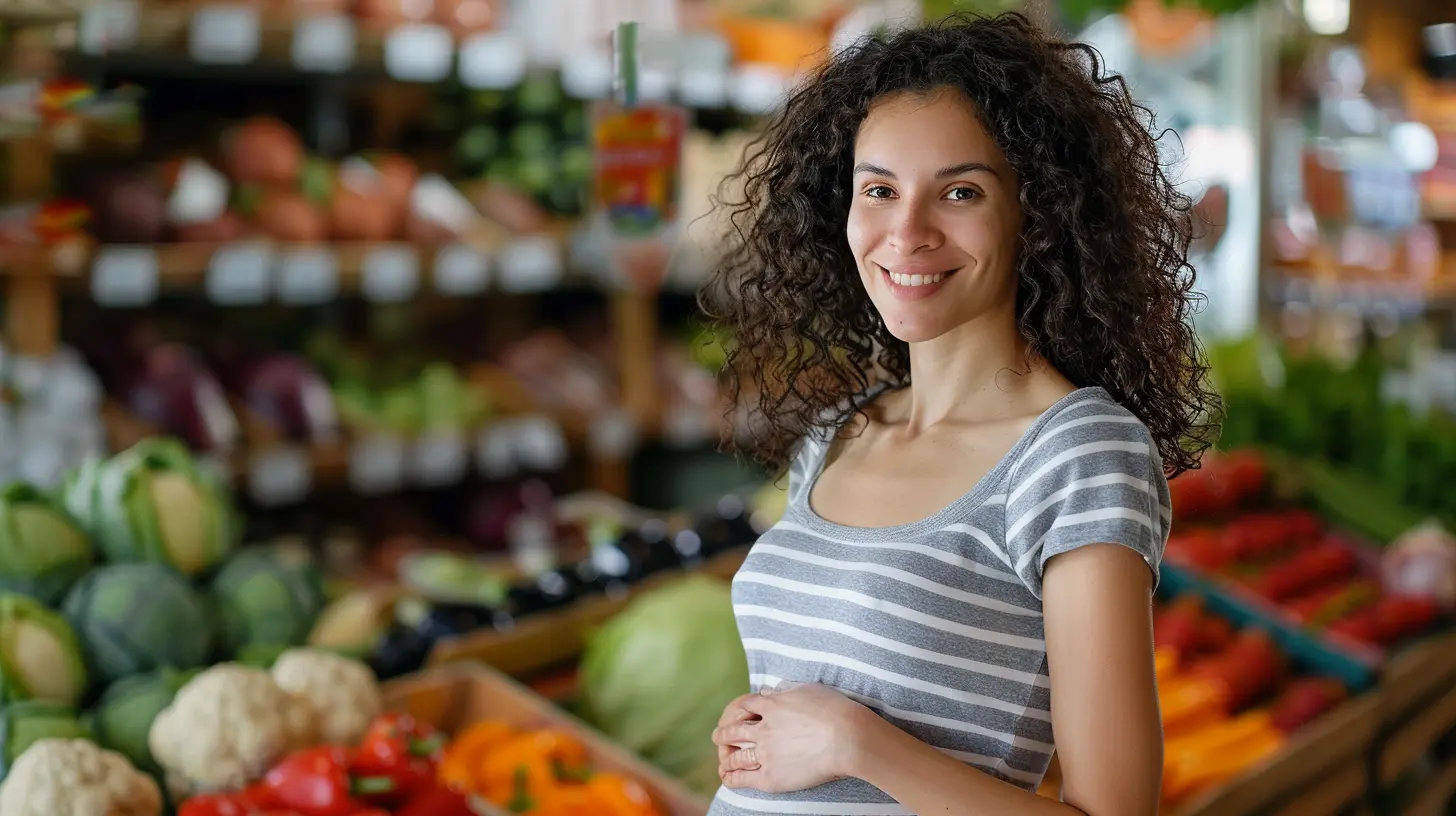
🥦 Nutritional Differences: Is Organic More Nutritious?
Another hot topic. Do organic foods really have more nutrients, or is that just clever marketing?Here’s what we know: Some studies show organic produce has slightly higher levels of certain nutrients, like antioxidants, polyphenols, and omega-3 fatty acids. These are all good for immune support, fighting inflammation, and supporting brain growth — all key players during pregnancy.
But – and this is important – eating conventional fruits and veggies is still way better than skipping them altogether. If going 100% organic isn’t realistic (hello, budget), don’t sweat it too much. The priority is to eat a balanced, colorful diet.
🍓 The Dirty Dozen vs. Clean Fifteen
Alright, if eating fully organic feels overwhelming, here’s a helpful hack: focus on the Dirty Dozen and Clean Fifteen.These are two lists created by the Environmental Working Group (EWG) that rank foods by pesticide residue.
The Dirty Dozen (Go Organic When You Can):
These are the produce items most likely to have high pesticide residues. Try to buy these organic if possible:1. Strawberries
2. Spinach
3. Kale
4. Nectarines
5. Apples
6. Grapes
7. Peaches
8. Cherries
9. Pears
10. Tomatoes
11. Celery
12. Potatoes
The Clean Fifteen (Safer to Buy Conventional):
These tend to have lower pesticide levels even when not organic:1. Avocados
2. Sweet corn
3. Pineapples
4. Onions
5. Papayas
6. Frozen sweet peas
7. Eggplants
8. Asparagus
9. Broccoli
10. Cabbage
11. Kiwi
12. Cauliflower
13. Mushrooms
14. Honeydew
15. Cantaloupes
This list can help you prioritize where to spend your organic dollars without going broke.
🐔 What About Meat, Dairy, and Eggs?
When we think of “organic,” fruits and veggies usually steal the spotlight. But what about animal products?During pregnancy, your body craves high-quality protein, healthy fats, and essential vitamins like B12 and iron.
Here’s where organic meat, milk, and eggs may have an edge:
- No antibiotics or growth hormones
- Animals are generally raised more humanely
- Typically higher in omega-3s and CLA (a healthy fat)
- Less risk of antibiotic-resistant bacteria
So if your budget allows, consider choosing organic (or at least hormone-free) versions of:
- Milk
- Yogurt
- Cheese
- Chicken
- Eggs
- Beef
It might not make your grocery bill smile, but your taste buds — and your baby — might thank you.
💵 Is Going Organic Worth the Cost?
Let’s not ignore the elephant in the room — organic foods cost more.And when you’re already prepping for diapers, doctor visits, and onesies, every dollar matters. So how do you strike a balance?
Here are a few tips:
- Shop smart: Buy organic versions of the Dirty Dozen first.
- Buy in-season: Organic strawberries in summer are cheaper than in winter.
- Visit local farmer’s markets: Many growers don’t have organic certification but follow organic practices.
- Go frozen: Organic frozen fruits and veggies are often more affordable — and just as nutritious.
- Don’t overthink it: It’s okay if you can’t go organic for everything.
Remember, eating well during pregnancy is about the big picture, not perfection.
🍼 How to Start Transitioning to Organic While Pregnant
Thinking of making the switch but don’t know where to begin? Keep it simple. No need to upend your entire kitchen in one go.Here’s a starter guide:
1. Start small: Pick 3-5 key items (like apples, spinach, milk) to buy organic.
2. Read labels: Look for the USDA Organic seal or local certifications.
3. Clean your produce: Wash fruits and veggies well, even if they’re organic.
4. Cook at home: Homemade meals give you more control over ingredients.
5. Stay hydrated: Choose filtered water and avoid sugary organic drinks — organic sugar is still sugar!
😄 Relax, It’s About Progress, Not Perfection
Let’s be real — there’s no such thing as a “perfect pregnancy diet.” You’ll have cravings, aversions, and days when all you want is a grilled cheese and pickle sandwich (hey, it happens).What matters most is doing the best you can with what you have. If going organic helps you feel better about your choices and gives your baby a cleaner start, awesome. If not, that’s okay too.
The truth is, your love, nutrition, and care are what your baby needs most — not a fully organic grocery list.
📝 Final Thoughts: What Pregnant Women Should Know About Organic Foods
Going organic during pregnancy is a personal choice, not a pregnancy must-do checklist item. While there are some clear benefits — fewer pesticides, potentially more nutrients, better animal welfare — it’s not the only path to a healthy pregnancy.Think of organic foods as one tool in your prenatal toolbox. Focus on fresh, wholesome foods, get in those leafy greens, stay hydrated, and find a balance that works for you.
And if you’re ever unsure, your OB-GYN or a prenatal dietitian can help guide your food decisions based on your unique needs.
So mama, whether your fruit is organic or not, just keep feeding that beautiful baby belly with love.
all images in this post were generated using AI tools
Category:
Organic FoodsAuthor:

Laurie Barlow
Discussion
rate this article
2 comments
Kyle McClary
This article thoughtfully discusses the benefits and considerations of organic foods for pregnant women, highlighting the importance of informed choices while acknowledging personal preferences and budgets.
December 30, 2025 at 5:16 AM
Laurie Barlow
Thank you for your thoughtful feedback! I'm glad you found the article insightful and relevant to making informed choices.
Carter McVicker
Choosing organic foods during pregnancy is a powerful step towards nurturing your baby’s development. Embrace the benefits of nature’s purest offerings, free from harmful chemicals. Remember, every bite counts! Prioritize your health and wellness, and inspire the next generation with the conscious choices you make today.
December 19, 2025 at 6:04 AM
Laurie Barlow
Thank you for your insightful comment! Prioritizing organic foods during pregnancy can indeed contribute to a healthier environment for both mother and baby. Every mindful choice truly makes a difference!