Understanding the Impact of Chronic Stress on the Brain
12 February 2026
Stress—it’s something we all experience. Whether it's work deadlines, financial worries, or relationship struggles, stress is a natural part of life. But what happens when stress lingers? When it transforms from an occasional nuisance into a constant companion?
That’s where chronic stress comes into play. Unlike short-term stress, which can actually be helpful in certain situations, chronic stress relentlessly wears away at both the body and the mind. And one of the biggest victims? Your brain.
Let’s break it down and really understand what chronic stress does to your brain, how it affects your daily life, and—most importantly—what you can do about it.

What Is Chronic Stress?
Before we dive into the brain, let's clarify what chronic stress actually is.Stress itself is the body’s natural response to challenges or threats. Your sympathetic nervous system kicks into high gear, flooding your body with adrenaline and cortisol—hormones that help you react quickly. It’s the classic “fight or flight” response.
But this response is meant to be temporary. When stress becomes chronic, your body stays in a heightened state of alert for days, weeks, or even months. This prolonged exposure to stress hormones wreaks havoc on your brain, leading to cognitive issues, emotional instability, and even structural changes.
So, what exactly happens upstairs when chronic stress takes hold?

How Chronic Stress Affects the Brain
1. Shrinking the Brain (Literally!)
Did you know that chronic stress can actually shrink your brain? Yep, prolonged exposure to cortisol has been linked to a reduction in the size of the prefrontal cortex—the part of the brain responsible for decision-making, concentration, and self-control.Think of your prefrontal cortex like the CEO of your brain. When it's functioning well, you make smart choices, control impulses, and stay focused. But when chronic stress starts breaking it down? Hello, brain fog and poor decision-making.
2. Weakening Memory and Learning
Ever find yourself forgetting simple things when you’re under stress? That’s no coincidence.Chronic stress affects the hippocampus, which plays a key role in memory and learning. When stress hormones flood the brain for too long, they interfere with the hippocampus’s ability to form and retrieve memories.
Over time, this damage can increase the risk of developing serious cognitive issues, including dementia and Alzheimer’s disease.
3. Overloading the Amygdala (Your Fear Center)
The amygdala is the brain’s emotional control center, particularly when it comes to fear and anxiety. Chronic stress causes the amygdala to become hyperactive, making you more prone to anxiety, panic, and even irrational fears.This is why people under chronic stress often feel "on edge" all the time. The brain is essentially stuck in survival mode, constantly scanning for threats—even when none exist.
4. Disrupting Sleep Patterns
When your brain is drowning in cortisol, sleep takes a major hit. Chronic stress interferes with the production of melatonin, the hormone that regulates sleep.This leads to a vicious cycle: you’re stressed, so you can’t sleep. You don’t sleep, so your brain doesn’t get the chance to recover. The next day, you’re more stressed than before. Rinse and repeat.
Poor sleep caused by chronic stress has been linked to everything from impaired cognitive function to an increased risk of depression and heart disease.
5. Increasing the Risk of Mental Health Disorders
It’s no surprise that chronic stress is a major risk factor for anxiety and depression. When the brain is constantly exposed to stress hormones, it struggles to regulate mood effectively.Think of your brain like a car engine running on overdrive. Eventually, parts start to break down. The imbalance of neurotransmitters, combined with structural changes in key areas of the brain, makes it harder to feel balanced, calm, and happy.
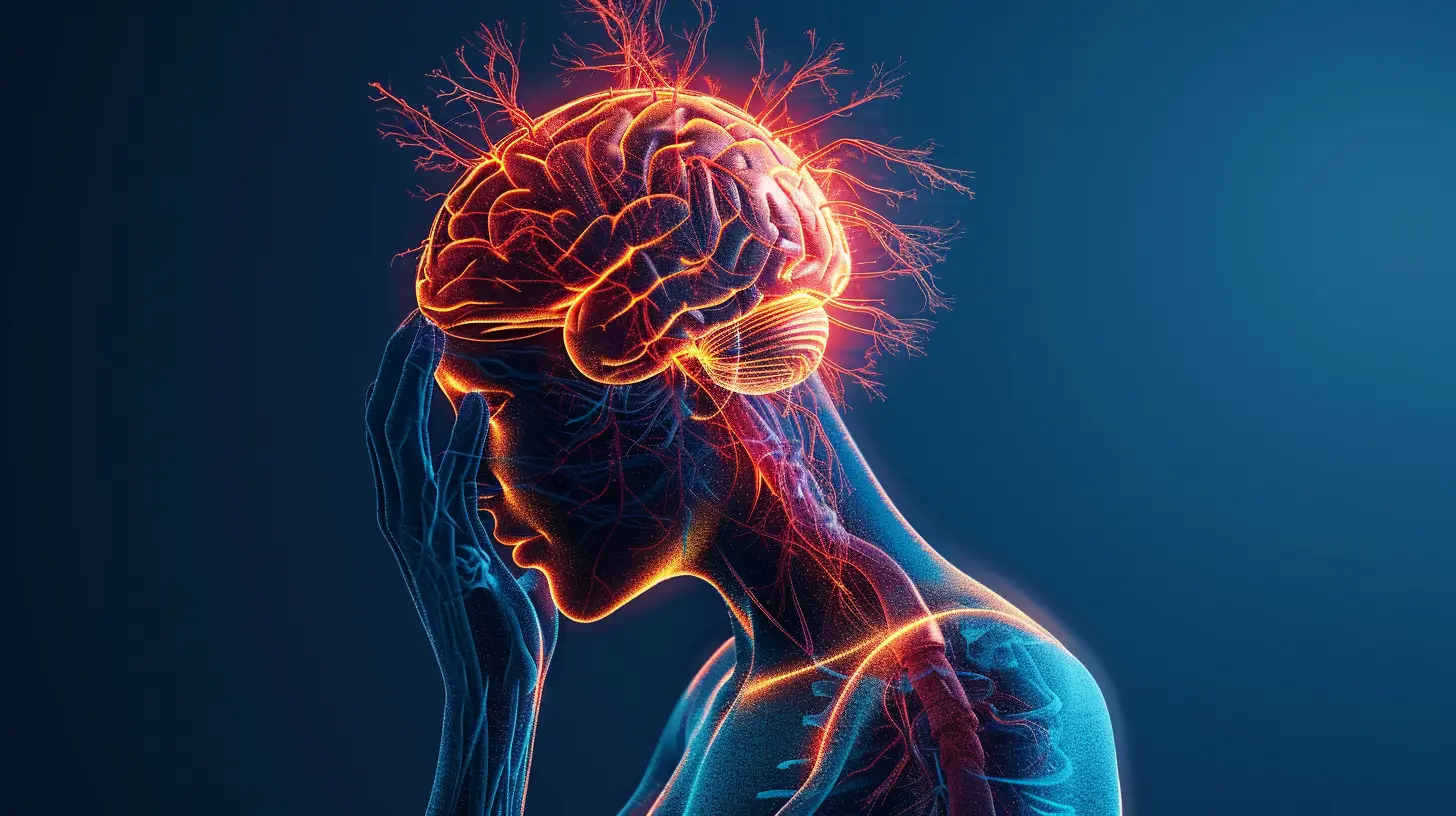
Long-Term Consequences of Chronic Stress on the Brain
If chronic stress goes unchecked, the long-term consequences can be severe. It has been linked to:- Neurodegenerative diseases (like Alzheimer’s and Parkinson’s)
- Increased risk of stroke
- Higher levels of inflammation in the brain
- Accelerated aging of brain cells
Simply put, the longer stress lingers, the more damage it does. But the good news? You can take steps to protect your brain and reverse some of the damage.
How to Protect Your Brain from Chronic Stress
Now that we know how dangerous chronic stress is for the brain, let’s talk about what you can do about it. The goal is to rewire your brain, reduce cortisol levels, and create a more balanced mental state.1. Prioritize Sleep
If you only do one thing, fix your sleep. Sleep is when the brain repairs itself, flushes out toxins, and restores balance.✅ Stick to a consistent sleep schedule
✅ Avoid screens an hour before bed
✅ Limit caffeine in the afternoon
✅ Try relaxation techniques like meditation before sleep
2. Practice Mindfulness and Meditation
Mindfulness and meditation have been proven to reduce cortisol levels and strengthen the prefrontal cortex—counteracting some of the damage caused by stress.Even five to ten minutes a day can make a noticeable difference. Think of it as a “reset” button for your brain.
3. Exercise Regularly
Physical activity is one of the best natural stress relievers. Exercise releases endorphins, which counteract cortisol and help improve mood.It doesn’t have to be intense—brisk walks, yoga, or dancing around your living room all count!
4. Connect with Others
Humans are social creatures, and connection is essential for brain health. Spending time with loved ones, talking about your worries, and laughing together all help lower stress levels.A strong support system acts as a buffer against chronic stress, helping your brain stay resilient.
5. Fuel Your Brain with the Right Foods
What you eat directly impacts how your brain handles stress. Some of the best brain-boosting foods include:🍣 Omega-3-rich foods (salmon, flaxseeds)
🍫 Dark chocolate (hello, antioxidants!)
🥑 Healthy fats (avocados, nuts, olive oil)
🍓 Berries (great for cognitive function)
🥦 Leafy greens (help reduce brain inflammation)
6. Set Boundaries and Manage Stressors
You can’t eliminate all stress, but you can control how much of it invades your life.🚫 Learn to say NO when you’re overwhelmed
📅 Manage your time effectively to reduce last-minute chaos
🧘♀️ Take regular breaks throughout the day
Setting boundaries protects both your mental health and the long-term health of your brain.
Final Thoughts
Chronic stress isn’t just an emotional burden—it physically changes your brain. From shrinking critical areas to increasing the risk of neurodegenerative diseases, its effects are serious.But here’s the silver lining: The brain is remarkably resilient. By prioritizing sleep, mindfulness, exercise, social connection, and nutrition, you can undo some of the damage and build a stress-resistant brain.
So, what small change can you make today to protect your brain’s future? Your mind—and body—will thank you for it.
all images in this post were generated using AI tools
Category:
Mental HealthAuthor:

Laurie Barlow
Discussion
rate this article
2 comments
Bianca Kane
Chronic stress and the brain: it's like trying to run a marathon while juggling! 🏃♂️🤹♀️ Let’s ditch the stress, pick up some mindfulness, and give our brains a much-needed vacation. After all, happy brains make for happy days!
February 17, 2026 at 5:24 PM
Laurie Barlow
Absolutely! Mindfulness is essential for keeping our brains happy and healthy. A break from stress can do wonders.
Lira Jackson
Thank you for shedding light on the critical relationship between chronic stress and brain health. Your insights into the neurological impacts are invaluable, especially in our fast-paced world. This article serves as an essential reminder to prioritize mental well-being and seek balance.
February 14, 2026 at 4:18 AM
Laurie Barlow
Thank you for your thoughtful feedback! I'm glad you found the article insightful and relevant. Prioritizing mental well-being is indeed crucial.