Understanding Arthritis: Prevention and Joint Care Tips
3 August 2026
Arthritis is more than just joint pain; it's a condition that affects millions of people worldwide, making everyday activities a challenge. But here's the good news—while arthritis can’t always be prevented, you can take steps to reduce your risk and protect your joints. In this guide, we’ll break down what arthritis is, its causes, and practical ways to keep your joints healthy for the long haul.
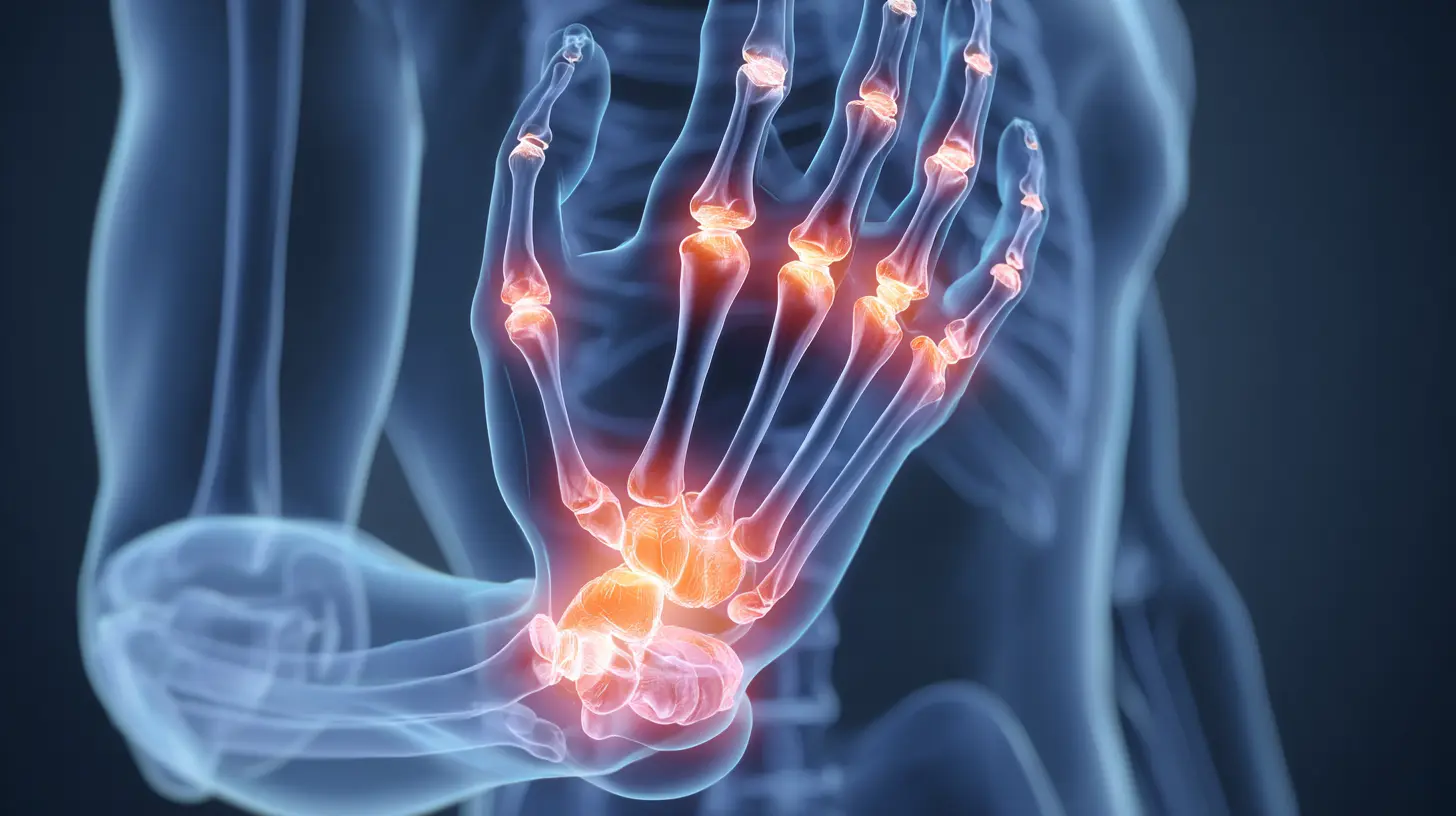
What Is Arthritis?
Arthritis is an umbrella term for conditions that cause joint pain, stiffness, and inflammation. It can affect people of all ages, and while it's often associated with aging, even young adults and children can develop it.There are over 100 types of arthritis, but the most common ones include:
- Osteoarthritis (OA) – This is the "wear and tear" arthritis that happens as cartilage between joints breaks down over time.
- Rheumatoid Arthritis (RA) – An autoimmune condition where the body's immune system mistakenly attacks the joints, causing pain and swelling.
- Gout – A form of arthritis caused by the buildup of uric acid crystals in the joints, leading to sudden and severe pain.
- Psoriatic Arthritis – A condition that often accompanies psoriasis, causing joint pain and skin issues.
Each type has its own specific causes and symptoms, but they all share one thing in common—joint discomfort that can impact your quality of life.
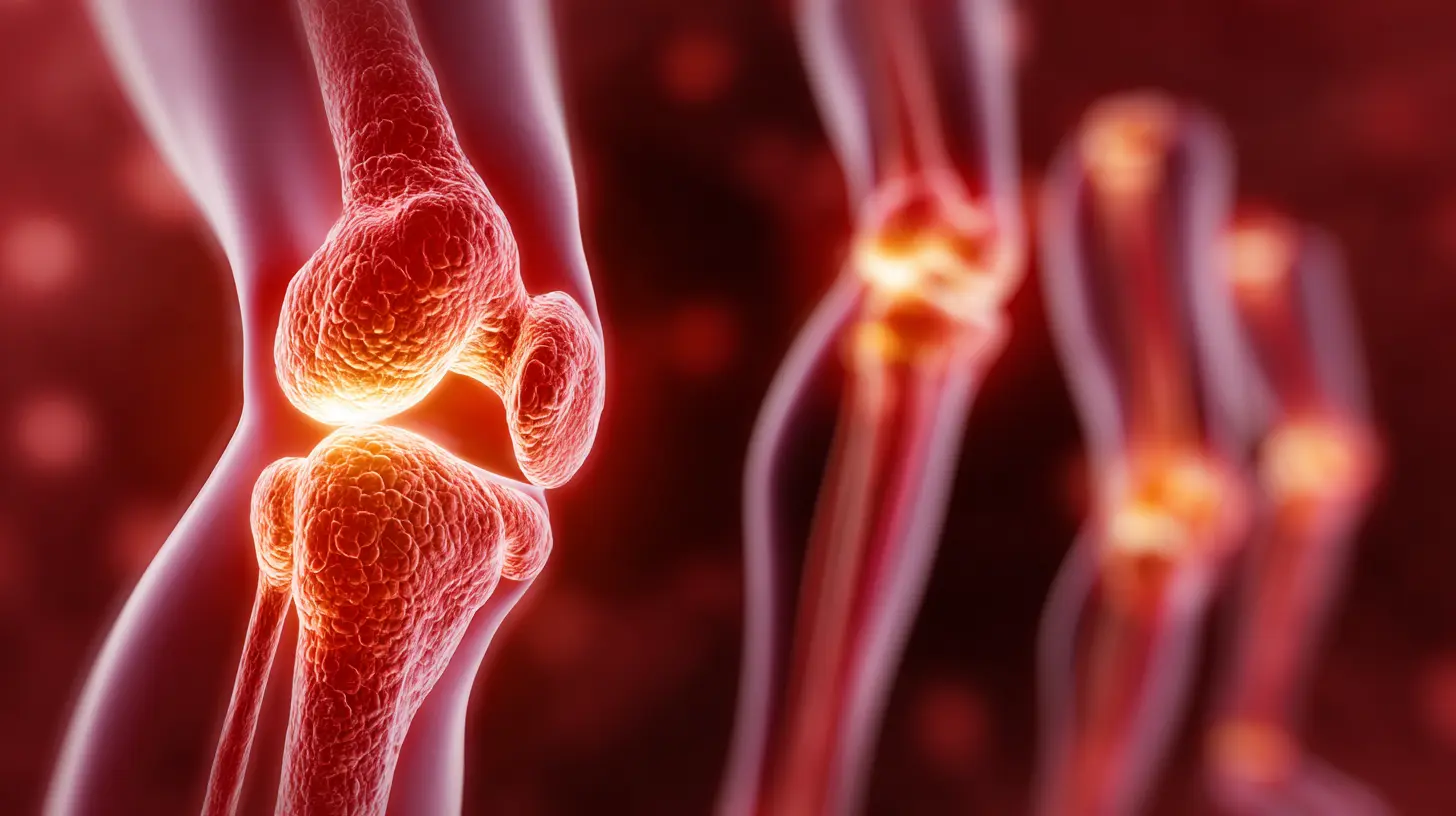
What Causes Arthritis?
Arthritis doesn’t happen overnight. Several factors contribute to its development, including:- Age: The risk of arthritis increases as you get older.
- Genetics: If arthritis runs in your family, you may be more likely to develop it.
- Injury: Previous joint injuries can lead to arthritis later in life.
- Obesity: Excess weight puts more pressure on your joints, especially the knees.
- Infections: Some infections can trigger arthritis or make existing symptoms worse.
- Autoimmune Disorders: Conditions like RA occur when the immune system mistakenly attacks healthy joint tissues.
Understanding these risk factors can help you take proactive steps to keep arthritis at bay.
How to Prevent Arthritis and Keep Your Joints Healthy
While some risk factors (like genetics and aging) are out of your control, there are plenty of things you can do to protect your joints and minimize your chances of developing arthritis.1. Maintain a Healthy Weight
Did you know that every extra pound you carry puts about four pounds of extra pressure on your knees? Over time, this wear and tear can lead to arthritis. Maintaining a healthy weight reduces stress on your joints and lowers your risk of developing osteoarthritis.2. Stay Active and Exercise Regularly
Exercise is one of the best things you can do for your joints. Regular movement helps strengthen the muscles around your joints, improves flexibility, and keeps stiffness at bay.Great joint-friendly exercises include:
- Swimming
- Walking
- Cycling
- Yoga
- Strength training (low-impact)
The key is to stay active without overloading your joints. If high-impact exercises hurt, switch to low-impact activities that are easier on your body.
3. Eat an Anti-Inflammatory Diet
What you eat can have a big impact on arthritis. A diet full of processed foods and sugar can trigger inflammation, making symptoms worse. Instead, focus on an anti-inflammatory diet rich in:- Fatty fish (salmon, tuna, mackerel) – Packed with omega-3s that fight inflammation
- Leafy greens (spinach, kale) – Loaded with antioxidants that protect your joints
- Nuts and seeds (walnuts, flaxseeds) – Great sources of healthy fats
- Berries (strawberries, blueberries) – Reduce inflammation naturally
- Olive oil – A heart-healthy fat that helps ease joint pain
Avoid processed foods, excessive sugar, and too much red meat, all of which can promote inflammation.
4. Protect Your Joints from Injury
Once a joint is injured, it’s more likely to develop arthritis later in life. Protect your joints by:- Using proper techniques when lifting heavy objects (lift with your legs, not your back!)
- Wearing supportive shoes to reduce strain on your knees and hips
- Using ergonomic setups at work to avoid repetitive strain injuries
- Taking breaks when doing repetitive activities
Small changes in your daily routine can go a long way in preventing joint damage.
5. Stay Hydrated
Cartilage, the cushioning between your joints, is mostly made up of water. When you don’t drink enough, your joints can become less flexible, increasing the risk of stiffness and pain. Aim for at least 8 glasses of water per day to keep your joints well-lubricated and functioning properly.6. Manage Stress and Get Quality Sleep
Stress doesn’t just mess with your mind—it can also worsen arthritis symptoms. Chronic stress increases inflammation in the body, which can make joint pain worse. Practice stress-relief techniques like:- Meditation
- Deep breathing exercises
- Spending time outdoors
- Engaging in hobbies you love
Getting quality sleep is just as important. Aim for 7-9 hours per night to allow your body time to repair and recover.
7. Don’t Ignore Early Signs
Many people brush off joint pain, assuming it’s just a part of getting older. However, ignoring early symptoms can allow arthritis to worsen over time. If you notice:- Persistent joint pain
- Stiffness, especially in the morning
- Swelling in the joints
- Decreased range of motion
It's time to see a doctor. Catching arthritis early can help prevent further damage.

Best Supplements and Natural Remedies for Joint Health
In addition to diet and exercise, some supplements can support joint health and reduce inflammation:- Glucosamine and Chondroitin – Help maintain healthy cartilage
- Turmeric (Curcumin) – A powerful natural anti-inflammatory
- Omega-3 Fatty Acids – Reduce joint stiffness
- Vitamin D and Calcium – Essential for strong bones
Before starting any supplement, check with your doctor to ensure it’s right for you.
When to See a Doctor
If you’re experiencing joint pain that isn’t improving or is affecting your daily life, schedule a visit with your healthcare provider. They can diagnose the type of arthritis you have and recommend treatment options, including physical therapy, medications, or lifestyle adjustments.
Final Thoughts
Arthritis doesn’t have to take over your life. While it can be painful and frustrating, many preventive steps can help keep your joints healthy and flexible. By maintaining a healthy lifestyle, staying active, and eating the right foods, you can give your joints the care they deserve. Your body will thank you in the long run!all images in this post were generated using AI tools
Category:
Healthy JointsAuthor:

Laurie Barlow