Top Fitness Gear Trends to Watch in 2026
16 April 2026
Remember when "fitness tech" meant a heart rate monitor the size of a deck of cards strapped awkwardly to your chest? Yeah, me too. The pace of change in how we equip ourselves for health is nothing short of breathtaking. We’re not just talking about incremental upgrades anymore; we’re on the cusp of a fundamental shift. The gear of 2026 won’t just track your workout—it will understand it, adapt to it, and seamlessly weave it into the fabric of your life. It’s moving from being a tool you use to a partner you train with. So, let’s pull back the curtain and dive into the fitness gear trends that are set to redefine our sweat sessions, recovery, and overall well-being in the near future.
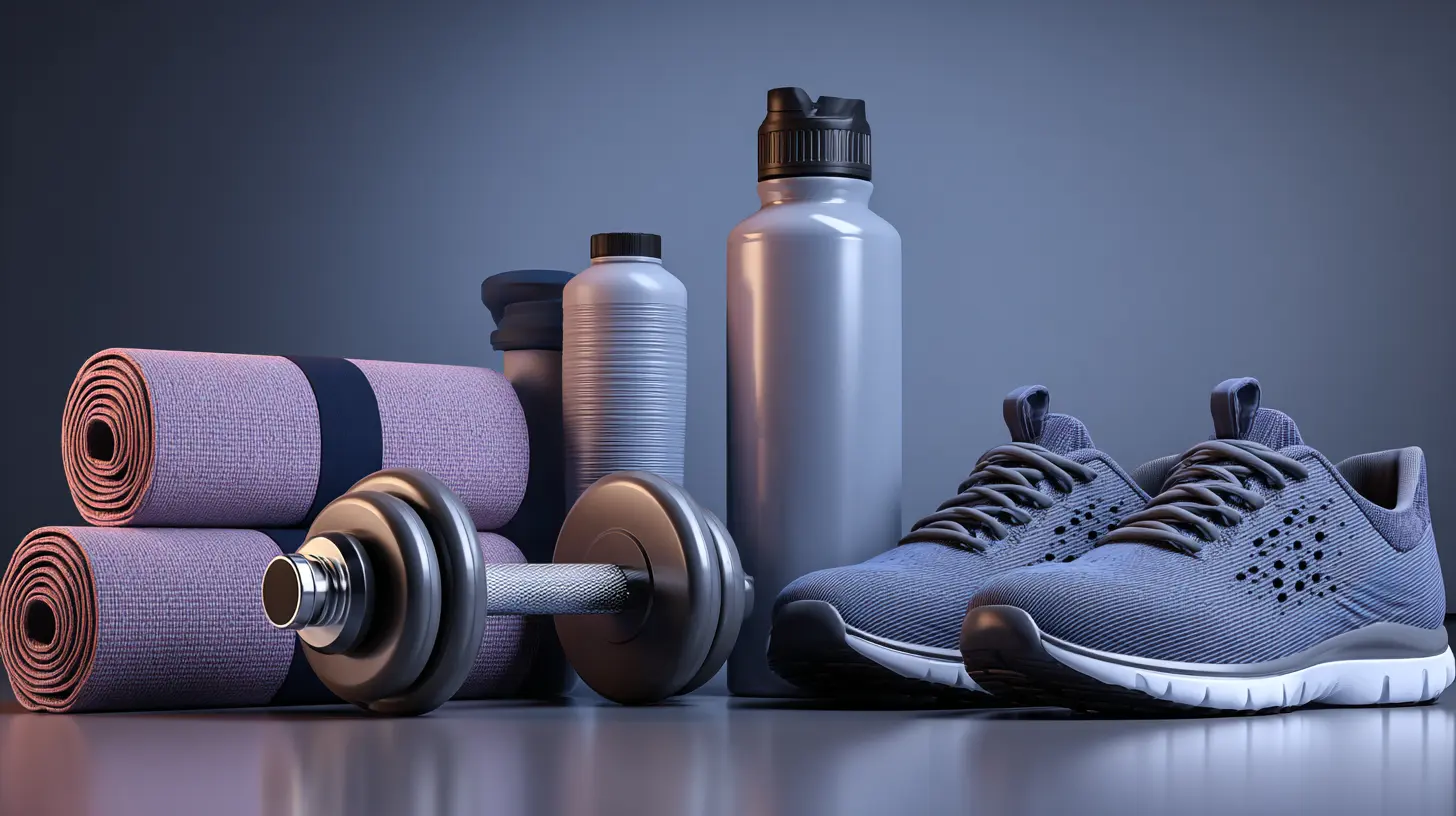
From Wearables to "Bewearables": The Rise of Biometric Smart Fabrics
Forget the watch on your wrist. The next frontier is the very clothes on your back. We’re moving beyond wearables into the era of "bewearables"—garments so integrated with technology that they become a second skin of insight.Imagine your compression shirt doing more than wicking sweat. In 2026, smart fabrics woven with microscopic sensors will monitor a symphony of biometric data in real-time: muscle activation, hydration levels through sweat analysis, core temperature, and even subtle signs of fatigue or improper form. This isn't science fiction; it’s the logical endpoint of miniaturization. These garments will communicate directly with your devices, offering a holistic health picture. Think of it like having a personal sports medicine doctor woven into your threads, whispering feedback as you move. No more guessing if your glutes fired during that squat—your leggings will tell you, with charts to prove it.
The implications are huge for both performance and safety. For the elite athlete, it’s granular data gold. For the everyday enthusiast, it’s a guardian angel preventing overtraining and injury. The challenge? Making it all washable, durable, and, let’s be honest, affordable. But by 2026, a smart athletic outfit could be as common as a pair of wireless earbuds are today.
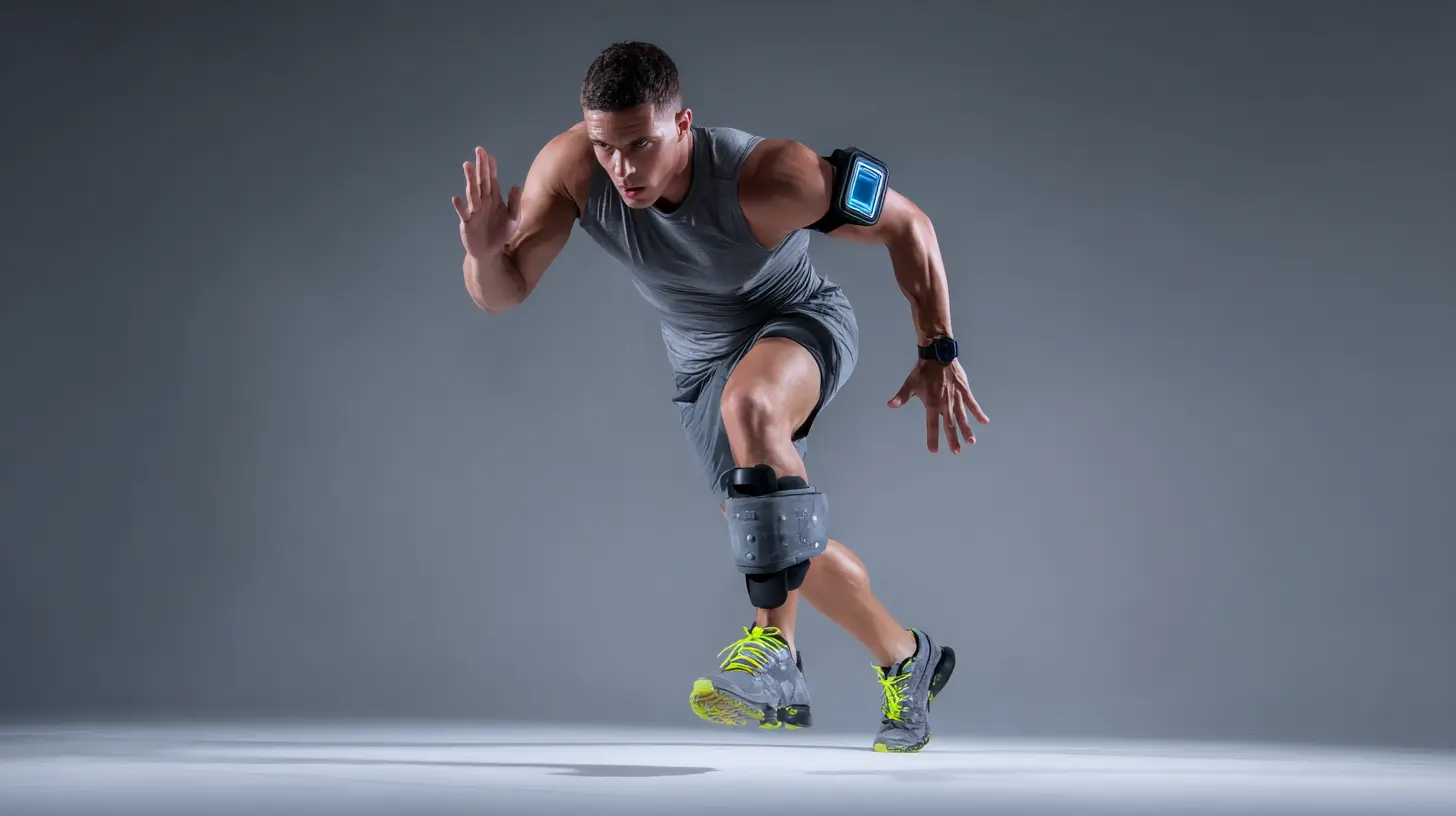
AI-Personalization: Your Gear Gets a Brain (That Knows You)
Artificial Intelligence is the buzzword of the decade, but in fitness gear, it’s shifting from a buzzword to the central nervous system. We’re past the stage of AI that simply logs data. The trend for 2026 is adaptive AI personalization—gear that learns your unique physiology, preferences, and goals, then modifies itself accordingly.Take running shoes, for example. The next generation won’t just have a generic cushioning system. They’ll feature adaptive midsoles with micro-fluidic or electro-responsive materials that stiffen for road pounding on your downhill strides and soften for impact absorption on flats, all in real-time, based on your gait pattern, weight, and fatigue. The shoe’s embedded AI learns your run, becoming more customized with every mile.
This extends to strength equipment, too. Smart resistance machines or cable systems will use AI to auto-adjust weight stacks or resistance curves based on your performance in previous sets, ensuring you’re always in the optimal rep range for hypertrophy or strength, removing the guesswork. It’s like having a world-class coach inside the machine, one that never gets distracted counting reps. Your gear will not only know you’re having an off day but will proactively adjust the workout to match your energy levels, prioritizing longevity over ego.
Immersive Fitness Ecosystems: The Gym in Your Glasses
Virtual and Augmented Reality (VR/AR) in fitness has been peeking around the corner for a while, often gimmicky and isolated. By 2026, it matures into a fully-fledged immersive fitness ecosystem. We’re not just talking about cycling through a pretty landscape. We’re talking about hybrid physical-digital environments that transform any space into a dynamic training ground.Lightweight AR glasses will overlay digital elements onto your real-world environment. Your living room floor becomes a lava-filled agility ladder. Your park jog transforms into a story-driven adventure where you’re collecting energy orbs and outpacing digital creatures. Your yoga session features a calm, holographic instructor demonstrating poses right beside you, correcting your alignment through spatial tracking.
The gear trend here is the hardware enabling this: comfortable, high-resolution AR glasses with all-day battery life, combined with haptic feedback suits or vests. Feel a gentle vibration on your left side to cue a paddle stroke in a virtual kayak, or resistance in the suit as you pull against a digital rope. This merges the engagement of gaming with the tangible benefits of physical exertion, a powerful combo for combating workout boredom and boosting consistency. It turns exercise from a task into an experience.
Hyper-Modular and Sustainable Equipment
As our living spaces shrink and environmental consciousness grows, two demands collide: versatility and sustainability. The response? Hyper-modular fitness gear. Think less of a single-purpose, bulky home gym and more of a Swiss Army knife approach to equipment.We’ll see the rise of intelligent, compact systems—a single base unit that, with different attachments and digital guidance, becomes a squat rack, a cable machine, a bench, and a storage unit. These systems will use electromagnetic resistance or compact hydraulic systems instead of giant weight stacks, saving immense space. Your entire strength-training regimen could fold into a unit the size of a bookshelf.
And this modularity dovetails perfectly with the circular economy trend. Brands will increasingly design for durability, repairability, and end-of-life recycling. You’ll see gear made from recycled ocean plastics, biodegradable composites, and with modular components you can upgrade instead of replace. Leasing models for high-tech equipment might become common, ensuring proper recycling and giving you access to the latest tech without the guilt of obsolescence. In 2026, the most coveted gear won’t just be the most powerful—it’ll be the most planet-friendly and space-smart.
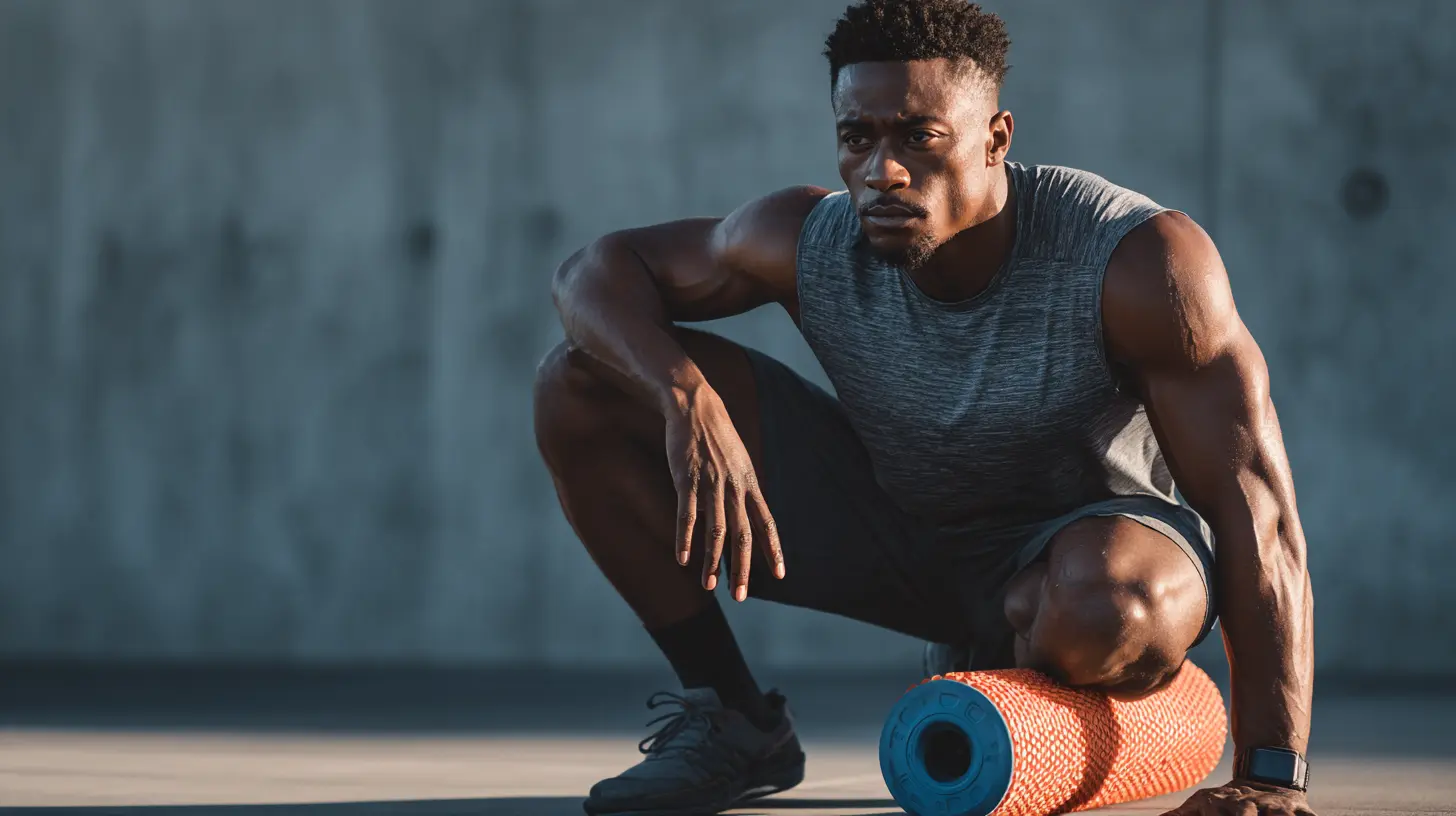
Recovery as the New Performance Frontier
We’ve spent years obsessed with gear that helps us push harder. The coming shift is a deep focus on gear that helps us rebuild smarter. Recovery is stepping out of the shadows to claim its place as the true determinant of progress, and the gear is getting seriously sophisticated.Move over, basic foam rollers. We’re entering the age of data-driven recovery tech. Think percussive therapy devices with built-in bio-sensing that identify specific muscle knots and apply targeted treatment. Imagine smart compression boots that use biometric feedback from your workout to auto-adjust pressure patterns, optimizing blood flow for your specific fatigue profile.
Even sleep, the ultimate recovery tool, gets a high-tech makeover. Advanced sleep systems will go beyond tracking to actively influence quality. Smart mattresses or pads could use subtle temperature regulation (cooling you down as per your sleep cycle) or gentle haptic cues to guide breathing and encourage deep sleep phases. Your recovery gear will create a personalized, end-to-end system: it knows how hard you trained, it measures your stress and readiness, and it deploys the optimal modality to get you back to 100%. In 2026, your post-workout ritual might be as technologically rich as the workout itself.
The Invisible Integration: Seamless Health Syncing
Here’s the meta-trend that ties it all together: invisible integration. The friction of syncing devices, checking multiple apps, and trying to piece together data from different sources will vanish. Your biometric smart fabric, your AI shoes, your AR glasses, and your recovery boots will all speak the same language, creating a unified dashboard of you.A single, intuitive platform—likely powered by a sophisticated AI health assistant—will synthesize everything. It will tell you, “Based on your muscle fatigue data from yesterday’s leg day and your sub-optimal deep sleep last night, I’ve adjusted today’s scheduled run to a Zone 2 recovery cycle, and your shoes will provide maximum cushioning. Your post-session recovery protocol is pre-loaded on the compression system.” The gear becomes a cohesive, proactive ecosystem working in concert.
This seamless flow of information is the ultimate goal. It removes the mental load of managing your fitness, allowing you to simply be present in the movement. The technology fades into the background, where it serves us best, and the human experience of effort, achievement, and well-being comes to the fore.
Conclusion: The Human Element in a High-Tech Future
As we look toward 2026, it’s easy to get lost in the shimmer of the tech. But the core truth remains: all this incredible gear is in service to you—the human wanting to move better, feel stronger, and live healthier. These trends aren’t about replacing the raw, sweaty, glorious effort of a good workout. They’re about enhancing it, understanding it, and making it more accessible, sustainable, and personalized than ever before. The future of fitness gear is intelligent, adaptive, and quietly integrated. It’s less about the flashy gadget and more about the empowered individual. So, get ready. Your workout is about to get a whole lot smarter.
all images in this post were generated using AI tools
Category:
Fitness GearAuthor:

Laurie Barlow
Discussion
rate this article
2 comments
Jade Barlow
Ah yes, because in 2026, I'll definitely need a smart yoga mat that also brews coffee. Priorities in fitness gear have really evolved, haven’t they?
April 28, 2026 at 3:55 AM
Laurie Barlow
Absolutely! The future of fitness gear is all about convenience and innovation—who wouldn’t want a coffee-brewing workout companion?
Coral Watson
Technology meets humanity’s essence.
April 16, 2026 at 4:59 AM
Laurie Barlow
Absolutely! Technology is enhancing our connection to fitness and well-being, making healthier living more accessible and personalized.