The Truth About Organic vs. Non-Organic Foods
21 August 2026
When you walk down the grocery aisle, you’re bombarded with choices. Organic apples or regular apples? Free-range eggs or conventional ones? It’s easy to feel overwhelmed. Some swear by organic food, claiming it’s healthier and safer, while others argue that non-organic options are just as good. So, what's the real deal? Is organic really worth the extra cost, or is it all just clever marketing? Let’s break it all down.
What Makes Food Organic?
First things first—what exactly does "organic" mean? Organic food is grown and processed without synthetic pesticides, herbicides, or fertilizers. Organic farmers rely on natural methods like composting, crop rotation, and biological pest control. When it comes to livestock, organic meat, dairy, and eggs come from animals that are raised without antibiotics or synthetic hormones and are often given access to the outdoors.In contrast, non-organic (or conventional) food can be produced using synthetic chemicals, genetically modified organisms (GMOs), and other industrial farming techniques aimed at maximizing yield.
Organic Certification: What’s the Standard?
To be labeled as "organic," food must meet specific standards set by regulatory bodies like the USDA or the European Union. These guidelines include:- No synthetic pesticides or fertilizers
- No genetically modified organisms (GMOs)
- No artificial preservatives or additives
- Humane treatment of livestock with access to outdoor spaces
On the other hand, conventional farming has fewer restrictions. While producers must follow safety regulations, they have more leeway in terms of the chemicals and practices used.
Is Organic Food Healthier?
One of the biggest debates around organic food is whether it’s actually healthier. Let’s break it down.Nutritional Differences
While some studies suggest that organic food contains higher antioxidants and essential nutrients, the differences aren't always dramatic. A well-balanced diet filled with fruits, vegetables, whole grains, and lean proteins—organic or not—will provide the nutrients you need.However, organic produce may have a slight edge in terms of reducing exposure to harmful chemicals. Some pesticides used in conventional farming have been linked to health concerns, especially with long-term exposure.
Fewer Pesticides, Fewer Problems?
One undeniable advantage of organic food is lower pesticide residues. While conventional produce is tested to ensure pesticide levels remain within safety limits, some argue that prolonged exposure to these chemicals could have negative health effects.Children, pregnant women, and people with weakened immune systems may be more vulnerable to pesticides, making organic food a safer option in some cases.
Antibiotics and Hormones in Meat
When it comes to meat and dairy, organic products often eliminate the use of antibiotics and synthetic hormones. Conventional animals are often given antibiotics to promote growth and prevent disease, which can contribute to antibiotic resistance in humans—one of the biggest public health concerns today.So, if you're worried about antibiotics in your food, organic meat and dairy might be the better choice.
The Price Factor: Is Organic Worth the Cost?
Organic food generally costs more than non-organic, and for good reason. Organic farming methods require more labor, have smaller yields, and avoid synthetic chemicals that boost production.But is it worth the extra money? It depends. If you’re concerned about pesticide exposure, you might want to prioritize organic versions of foods known to have high pesticide residues—like strawberries, spinach, and apples. The Environmental Working Group (EWG) releases an annual Dirty Dozen list, highlighting the most pesticide-contaminated fruits and vegetables.
On the flip side, some conventionally grown foods, such as avocados, pineapples, and onions, have low pesticide levels, making it less necessary to splurge on organic versions.
Budget-Friendly Tips for Buying Organic
If you want to eat organic without breaking the bank, here are some smart shopping tips:- Buy in-season: Organic fruits and veggies are cheaper when they’re in season.
- Shop local: Farmers' markets often have affordable organic options.
- Prioritize certain foods: Consider going organic for high-pesticide produce while sticking with conventional for low-risk items.
- Look for store brands: Many grocery stores now offer organic versions at a lower cost than name-brand options.
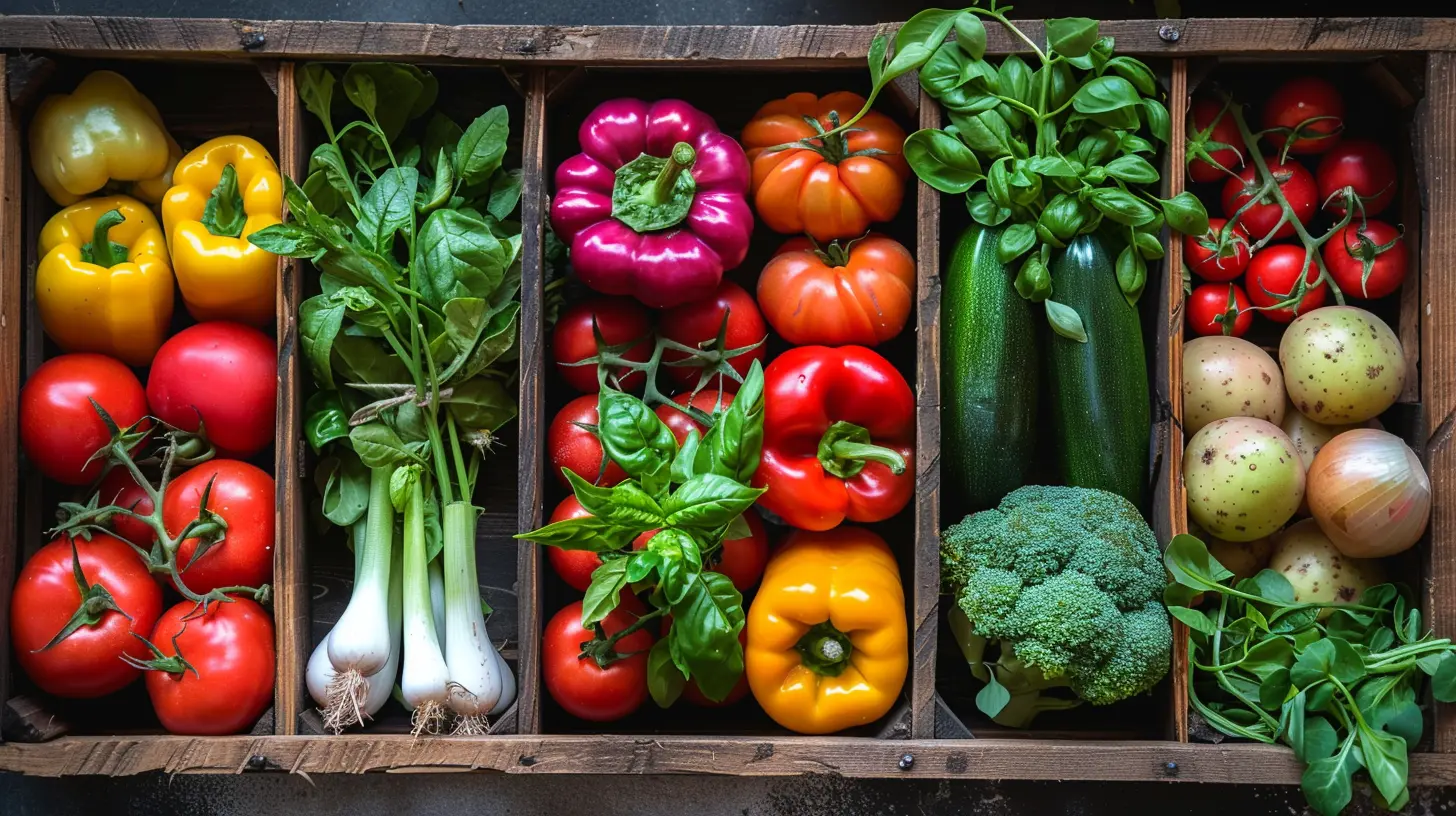
Organic vs. Non-Organic: Environmental Impact
Beyond personal health, the farming methods used to grow our food have a big impact on the planet. Organic farming is often praised for its environmental benefits, but is it really better?Soil Health and Sustainability
Organic farming focuses on maintaining healthy soil through natural methods, which can improve soil fertility and reduce erosion. Conventional farming, on the other hand, often depletes soil nutrients over time due to heavy chemical use.Pesticides and Water Pollution
Since organic farming avoids synthetic pesticides, it reduces the risk of contaminating water supplies. Runoff from conventional farms can carry pesticides and fertilizers into rivers and lakes, harming aquatic life and affecting drinking water quality.Carbon Footprint Considerations
One downside of organic farming is that it often requires more land to produce the same amount of food as conventional farming. This means that, in some cases, organic farming can have a larger carbon footprint due to lower yields.The GMO Debate: Should You Be Concerned?
Genetically modified organisms (GMOs) are another hot topic in the organic vs. non-organic debate. GMOs are crops that have been altered to enhance certain traits, such as pest resistance or higher yields. While organic foods are strictly non-GMO, conventional farming widely uses them.But are GMOs dangerous? Research indicates that GMOs are generally safe to eat, but many people prefer to avoid them due to concerns over long-term health effects and environmental impact. If you want to avoid GMOs, buying organic is a surefire way to do it.
The Verdict: Should You Go Organic?
There’s no one-size-fits-all answer. If you can afford organic and want to limit pesticide exposure, it’s a great option. But if you’re on a budget, you can still eat healthily by focusing on whole foods—organic or not.At the end of the day, the best diet is one full of fresh fruits, vegetables, lean proteins, and whole grains. Whether you choose organic or conventional, the key is making thoughtful food choices that support your health and fit your lifestyle.
Final Thoughts
Organic food has its advantages, particularly when it comes to pesticide exposure and environmental impact. However, conventional food is still safe, nutritious, and often more affordable. So, don't stress too much—just aim for a balanced diet and make the best choices for your health and budget.all images in this post were generated using AI tools
Category:
Healthy ChoicesAuthor:

Laurie Barlow