The Science Behind Immunity-Boosting Supplements
29 April 2026
When cold and flu season creeps in or a global pandemic shakes the world, everyone starts hunting for ways to “boost” their immunity. And let's be honest, the supplement aisle suddenly becomes the most crowded corner of every health store. But here's the million-dollar question: Do these immunity-boosting supplements actually work? Or are we just throwing money at a fancy cocktail of vitamins?
Let’s cut through the noise, bust some myths, and dive into the real science behind immunity-boosting supplements. We’re talking facts, not fluff. So, grab your favorite cozy drink, and let’s chat immune health.
What Is the Immune System, Really?
Before we can understand how to support immunity, we’ve got to know what the immune system actually is. Think of it as your body's personal bodyguard squad—24/7 surveillance, always on the lookout for anything shady like viruses, bacteria, or even cancerous cells.It’s made up of different parts: white blood cells, antibodies, the lymphatic system, the thymus, bone marrow, and the spleen. All of these work together like parts of a security system—some detect threats, some attack them, and others remember them in case they come back.
But like any squad, your immune system needs fuel, rest, and training. That's where nutrition, lifestyle choices, and yes—sometimes supplements—come into play.
Can You Actually “Boost” Your Immune System?
Okay, here’s the deal: The term “boosting” the immune system is a bit misleading. It's not like powering up in a video game. You don’t want your immune system running on max all the time—that’s how autoimmune diseases can start.What you do want is a well-balanced, responsive immune system that can react swiftly and effectively when a genuine threat comes along. Supplements can help support your immune system’s normal functioning, but they’re not miracle pills. Still, they offer pretty impressive support when combined with a healthy lifestyle.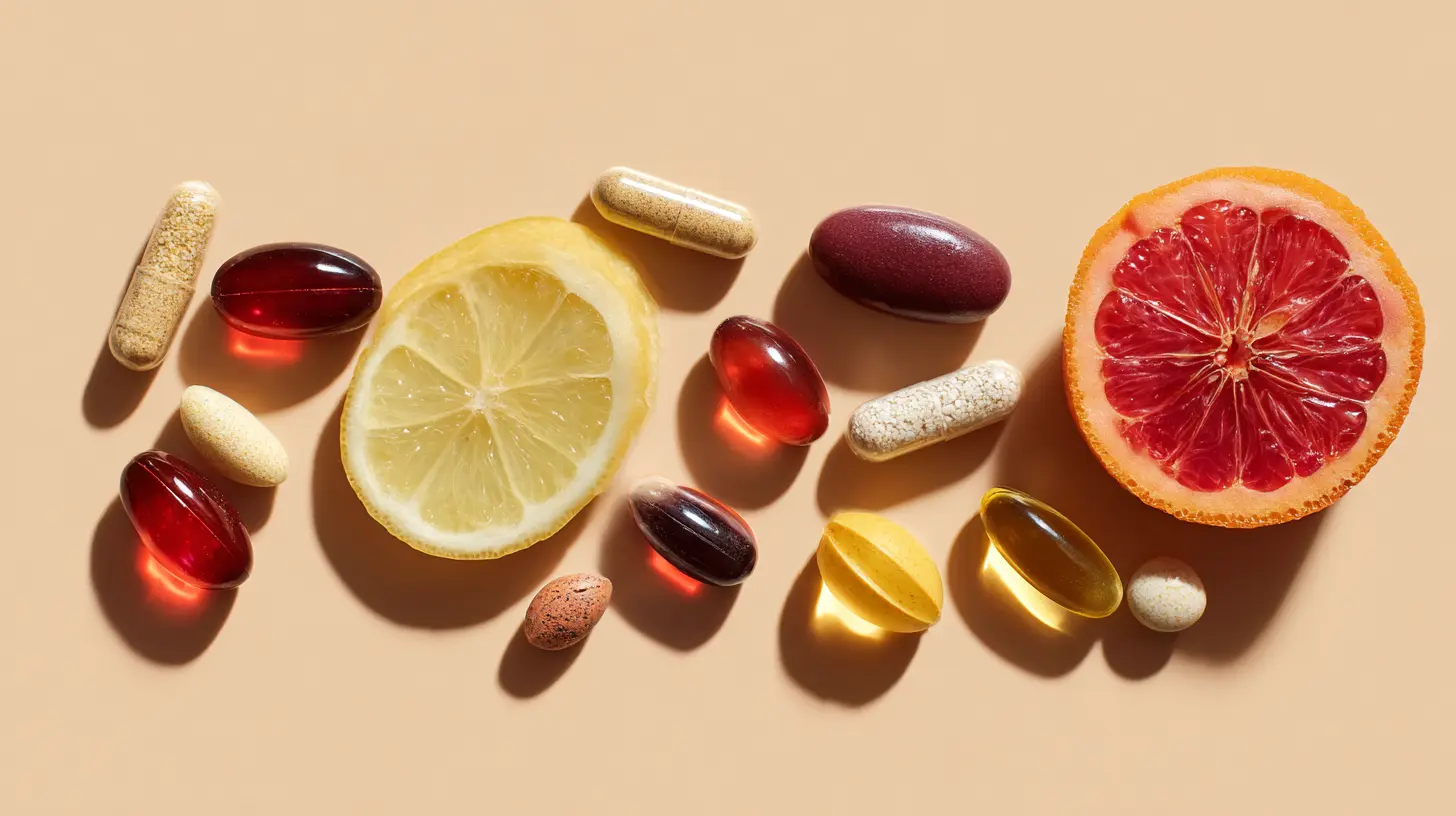
The Big Players: Top Immunity-Boosting Supplements and How They Work
1. Vitamin C: The Immune System Workhorse
You’ve heard this one a million times—Vitamin C is the “go-to” for immunity. But why?Vitamin C helps stimulate the production of white blood cells, especially lymphocytes and phagocytes, which protect the body against infection. It’s also a powerful antioxidant, meaning it helps protect immune cells from getting damaged by free radicals.
? _Fun Fact_: Your body doesn’t store Vitamin C. So, you need to get it daily—either through diet or supplements.
Best sources: Citrus fruits, bell peppers, broccoli, and supplementation.
Supplements Tip: Look for liposomal vitamin C if you want better absorption.
2. Vitamin D: The Sunshine Defender
Less sunshine = weaker immunity. No joke. Vitamin D plays a massive role in immune function, and surprisingly, many people are deficient—especially in winter months.This vitamin enhances pathogen-fighting effects of monocytes and macrophages—the white blood cells that are critical to immune defense—and decreases inflammation.
Best sources: Sunlight, fatty fish, egg yolks, and yes, supplements.
Supplements Tip: Go for D3 instead of D2; it’s more effective.
3. Zinc: The Cellular Repairman
Zinc is like that handyman who fixes up your immune cells when they’re slacking off. It helps with immune cell development and inflammatory responses. Even a mild deficiency can slow down immune function.Best sources: Meat, shellfish, legumes, and seeds.
Supplements Tip: Zinc gluconate and zinc acetate are the most absorbable forms.
But a heads-up: Don’t overdo it. Too much zinc can actually suppress immune function. Stick to the recommended daily intake unless otherwise directed by a healthcare pro.
4. Elderberry: The Ancient Remedy
This isn’t just your grandma’s flu hack. Elderberry is packed with antioxidants, especially anthocyanins, which have anti-inflammatory and antiviral properties.Some studies show elderberry extract can reduce the duration and severity of cold and flu symptoms. Sounds pretty promising, right?
Best form: Syrup or lozenges for faster absorption.
Just be mindful—raw elderberries can be toxic. Always go for prepped or supplemental forms.
5. Probiotics: Your Gut Health MVPs
Let’s be real—gut health is having a major moment, and for good reason. Around 70% of your immune system lives in your gut. Yup, you read that right.Probiotics help balance the good bacteria in your digestive tract, which in turn enhances your body’s immune responses.
Best sources: Yogurt, kefir, sauerkraut, and probiotic supplements.
Supplements Tip: Choose one with multiple strains and at least 10 billion CFUs (colony-forming units).
6. Curcumin (From Turmeric): The Natural Anti-Inflammatory
Curcumin, the active compound in turmeric, is a triple threat: anti-inflammatory, antioxidant, and antimicrobial. It helps modulate the immune system and even enhances the body’s ability to fight off invaders.Best form: Supplements with black pepper extract (piperine) for better absorption.
7. Echinacea: The Popular Kid in Immune Circles
Ah, echinacea. Probably the most hyped herb during flu season. But does it live up to the hype?Some studies suggest it may reduce your chances of catching a cold and can slightly speed up recovery time. While more research is needed, it's still a worthy addition to your immune arsenal.
Best form: Tinctures or capsules.
Supporting Cast: Other Helpful Nutrients
While not the headliners, these nutrients still deserve applause:- Selenium – Protects cells from oxidative stress.
- Iron – Essential for immune cell proliferation.
- Vitamin A – Keeps the mucous barriers in your nose and lungs healthy.
- B Vitamins – Especially B6 and B12 for energy and immunity.
Are All Supplements Safe?
Let’s not sugarcoat it—supplements aren’t one-size-fits-all. They’re not always regulated tightly, and quality can vary like crazy from brand to brand. Plus, megadosing on certain vitamins can actually backfire.Here are some quick safety tips:
- Always read the label and follow dosage instructions.
- Look for third-party testing (like USP, NSF, or ConsumerLab).
- Chat with your healthcare provider—especially if you’re taking medication or have a health condition.
And remember, supplements are meant to “supplement” your diet, not replace actual food.
Lifestyle Still Wins: Don’t Forget the Basics
Even the best supplements can’t compete with basic healthy habits. If you want your immune system to really shine, combine your supplement routine with:- ? A nutrient-rich diet
- ? Plenty of high-quality sleep
- ? Stress management
- ?♂️ Regular exercise
- ? Avoiding tobacco and excessive alcohol
Think of supplements as the backup dancers and your lifestyle as the lead singer.
The Bottom Line
When it comes to immunity-boosting supplements, the science says some definitely have benefits—especially when your body’s under stress, you're not eating perfectly, or sunshine is scarce. But these aren’t magic pills. They’re part of a bigger picture.If you’re serious about showing your immune system some love, combine targeted supplements with smart, healthy daily habits. After all, your body’s defenders deserve the best support you can give them.
So next time you’re scanning the supplement shelf wondering what to grab—now you’ve got the inside scoop. Choose wisely, and take charge of your immune health like a boss.
all images in this post were generated using AI tools
Category:
Immune SystemAuthor:

Laurie Barlow
Discussion
rate this article
2 comments
Cecilia McGinnis
Unlock your body's potential. Embrace the power of immunity-boosting supplements and cultivate a healthier, stronger you every day.
May 8, 2026 at 2:40 AM
Colin Barnes
I once tried a mushroom supplement that promised to boost my immunity. Instead, I felt like a walking pizza. Who knew my body could turn 'funga' into 'fun' while boosting defenses? Just remember, not all shrooms are for pizza or immunity!
May 3, 2026 at 2:20 PM
Laurie Barlow
That's a funny take! It's true that not all supplements work the same for everyone. Sometimes our bodies have their own ideas about what they need.