The Science Behind Food Allergies: What’s Happening in Your Immune System
13 December 2025
Food allergies—two words that can turn lunchtime into a strategy session for millions of people around the world. For some, it’s a life-threatening condition that’s always lurking in the background. For others, it remains a bit of a mystery. Why does your body suddenly decide that peanuts, milk, or eggs are public enemy number one?
Why does something as innocent as a shrimp cocktail trigger hives, swelling, or even worse, anaphylaxis?
Let’s take a deep dive into the science behind food allergies. We’ll break down what's really happening in your immune system, why it freaks out over everyday foods, and what makes your body treat something harmless as a dangerous invader.

What Exactly Is a Food Allergy?
A food allergy is basically your immune system flipping out over a false alarm.Usually, your immune system is your body’s security team—scanning for and eliminating threats like viruses, bacteria, and parasites. But with a food allergy, that same system mistakenly identifies a certain food protein as a danger. That protein, called an allergen, is treated like a criminal even though it’s totally harmless to most people.
When this happens, your immune system launches a full-scale attack with all its weapons blazing. Cue the itchy rash, the swollen lips, and the wheezing. In severe cases, it can even send you into anaphylaxis—a medical emergency where your body goes into shock and your airways tighten up like a vise.
Food Allergy vs. Food Intolerance: Not the Same Thing
This is a common mix-up. If gluten or dairy makes you bloated or gassy, that’s more likely a food intolerance—not an allergy.Here’s the difference:
- Food allergy: Involves the immune system. Reactions can be sudden and severe.
- Food intolerance: Usually involves digestion. Symptoms are uncomfortable but not life-threatening.
Think of it like this: food allergies trigger alarms in the immune system, while food intolerances are more like a digestive traffic jam.

Let’s Talk Immune System: Your Internal Security Force
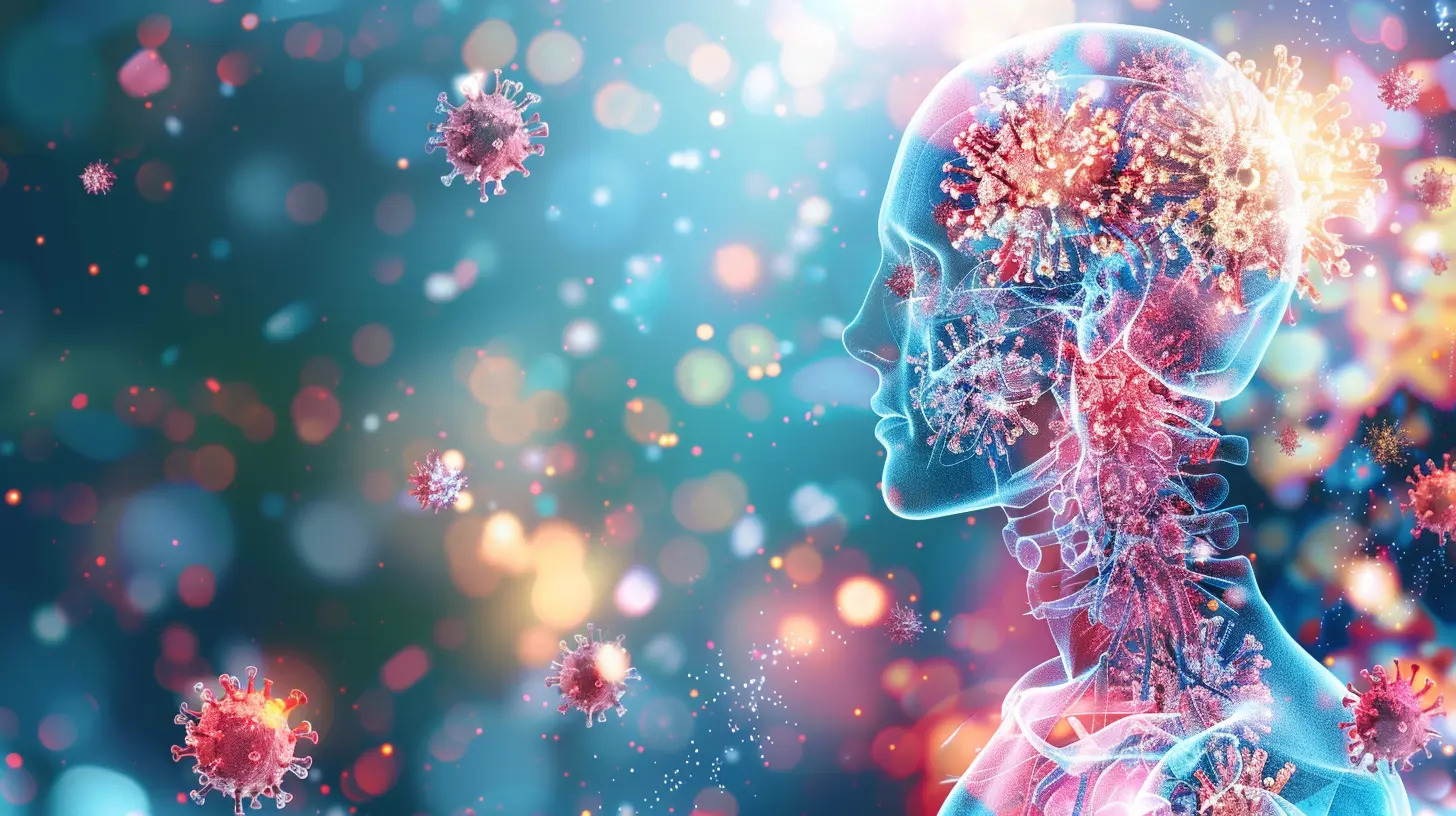
To understand what’s going on with food allergies, we’ve got to talk immune system fundamentals.Your immune system is loaded with special cells, like antibodies and white blood cells, that constantly patrol your body looking for threats. One key player in food allergies? IgE antibodies (Immunoglobulin E).
Here’s the play-by-play of what happens during an allergic reaction:
1. The First Exposure: Your Body Takes Note
The first time you eat something you’re allergic to—say, a peanut—your body doesn’t necessarily react right away. Instead, it goes into recon mode. It mistakenly identifies the peanut protein as a harmful invader and starts producing IgE antibodies designed to fight it.This is called sensitization. It’s like putting the peanut protein on your body’s "Most Wanted" list.
2. The Second Time Around: All Hell Breaks Loose
The next time you eat peanuts, those IgE antibodies are already lying in wait. They’re attached to immune cells called mast cells and basophils.When the allergen is detected, these cells release a flood of chemicals—most notably histamine. That’s the stuff behind all the nasty symptoms: hives, swelling, sneezing, stomach cramps, you name it.
Histamine is like the fire alarm of your immune system—screaming that there’s a threat, even when there isn’t one.
Why Some People and Not Others?
This is the million-dollar question: why are some people allergic and others not?Well, scientists believe it’s a mix of genetics and environmental factors.
- Genetics: If your parents have allergies, you're more likely to have them too. That includes food allergies, pollen allergies, and eczema. Your immune system might just be wired a little differently.
- Early exposure: Some research suggests that introducing certain foods early (like peanuts or eggs) might actually lower the risk of developing an allergy.
- Hygiene hypothesis: Here’s a wild theory—being too clean might mess with your immune system. If your immune system doesn’t get challenged by enough germs during childhood, it might start picking fights with harmless things instead—like food proteins.
Common Offenders: The Big 9 Food Allergens
While technically you can be allergic to just about any food, a small group of items are responsible for the majority of reactions. In the U.S., these are called the “Big 9”:1. Peanuts
2. Tree nuts (walnuts, almonds, etc.)
3. Milk
4. Eggs
5. Fish
6. Shellfish
7. Wheat
8. Soy
9. Sesame
Ever seen a packaged snack that says “may contain traces of nuts”? That’s because even a microscopic amount of an allergen can cause a serious reaction in someone who’s allergic.
What Does an Allergic Reaction Feel Like?
It varies from mild to severe, and symptoms can show up within minutes or a few hours:- Skin: Hives, itching, eczema, redness
- GI Tract: Nausea, vomiting, abdominal pain, diarrhea
- Respiratory: Sneezing, coughing, wheezing, shortness of breath
- Cardiovascular: Dizziness, light-headedness, low blood pressure
The scariest reaction? Anaphylaxis. It involves multiple systems at once and can be deadly if not treated immediately with epinephrine (like an EpiPen).
Diagnosing Food Allergies: No Guesswork Allowed
If you think you might have a food allergy, don’t just cut foods out willy-nilly. See a board-certified allergist.Diagnostic tools include:
- Skin prick test: Tiny amounts of allergens are poked into your skin to see if there’s a reaction.
- Blood test: Measures the level of IgE antibodies in response to specific foods.
- Oral food challenge: Under medical supervision, you eat small amounts of the suspected allergen to confirm a diagnosis. Yep, it’s risky—but it’s the gold standard.
Can Food Allergies Be Cured?
Right now, there’s no outright cure—but new treatments are showing promise.Oral Immunotherapy (OIT)
This involves giving allergic individuals tiny, gradually increasing doses of the allergen under careful supervision. The idea is to build tolerance over time.It doesn’t “cure” the allergy, but it can raise your threshold—so that you might not react to a small accidental exposure that once would have sent you to the ER.
Epicutaneous Immunotherapy
This uses a patch (yep, like a nicotine patch) that delivers small doses of the allergen through the skin. Pretty cool, huh?Biologics
These are lab-made antibodies (like omalizumab) that target specific parts of the immune response. They're still relatively new in the allergy scene but could be game changers.Living With Food Allergies: It’s All About Awareness
It’s a lot, honestly. Reading every food label. Asking waiters about cross-contact. Carrying an EpiPen—just in case. But the key to living with food allergies is staying informed and being proactive.Here are some practical tips:
- Always read labels (yes, even on things you’ve bought before—ingredients can change)
- Let people know you have allergies—friends, coworkers, restaurant staff
- Carry your emergency meds—EpiPen, antihistamines, etc.
- Join a support group—you’re definitely not alone in this
Can Kids Outgrow Food Allergies?
Good news for parents: some food allergies, like milk, egg, wheat, and soy, are often outgrown by the teen years.Others, like peanut and tree nut allergies, are more stubborn. But with research evolving fast and treatments like OIT becoming more common, there’s hope on the horizon.
Final Thoughts
Our immune system is designed to help us... not hassle us. But in the case of food allergies, it gets a bit overprotective—like a bodyguard who tackles every guest at the party. Still, understanding what’s happening inside your body gives you the power to manage it better.Whether you’re coping with food allergies yourself or supporting someone who is, a little science goes a long way. So next time you're scanning a menu or packing a lunch with surgical precision, remember: your immune system’s just trying to do its job... even if it's a little dramatic about it.
all images in this post were generated using AI tools
Category:
Food AllergiesAuthor:

Laurie Barlow
Discussion
rate this article
2 comments
Mason Hensley
This article provides a clear and insightful explanation of food allergies, highlighting the immune system's role in these complex and often challenging conditions.
December 22, 2025 at 3:28 AM
Laurie Barlow
Thank you for your kind words! I'm glad you found the article informative and clear.
Harmony McVicker
Food allergies: the body's quirky way of saying 'not on my watch!' Let’s dive into the science and uncover the craziness behind our immune system’s food fights!
December 15, 2025 at 3:41 AM
Laurie Barlow
Absolutely! Food allergies occur when the immune system mistakenly identifies harmless proteins as threats, triggering an exaggerated response. Let's explore how this process unfolds and the science behind these "food fights.