The Role of Fiber in Your Daily Diet
31 January 2026
Introduction
Ever wonder why your grandmother always insisted on eating your veggies? Well, she was onto something! Fiber is one of those unsung heroes of nutrition—often overlooked but absolutely essential for good health. It doesn’t just keep your digestive system running smoothly; it impacts everything from heart health to weight management.
Most people don’t get nearly enough fiber in their diets, and that’s a problem. In this article, we’ll dive deep into why fiber is so important, how much you really need, and the best ways to get it. So, grab a comfy seat, and let’s talk fiber!
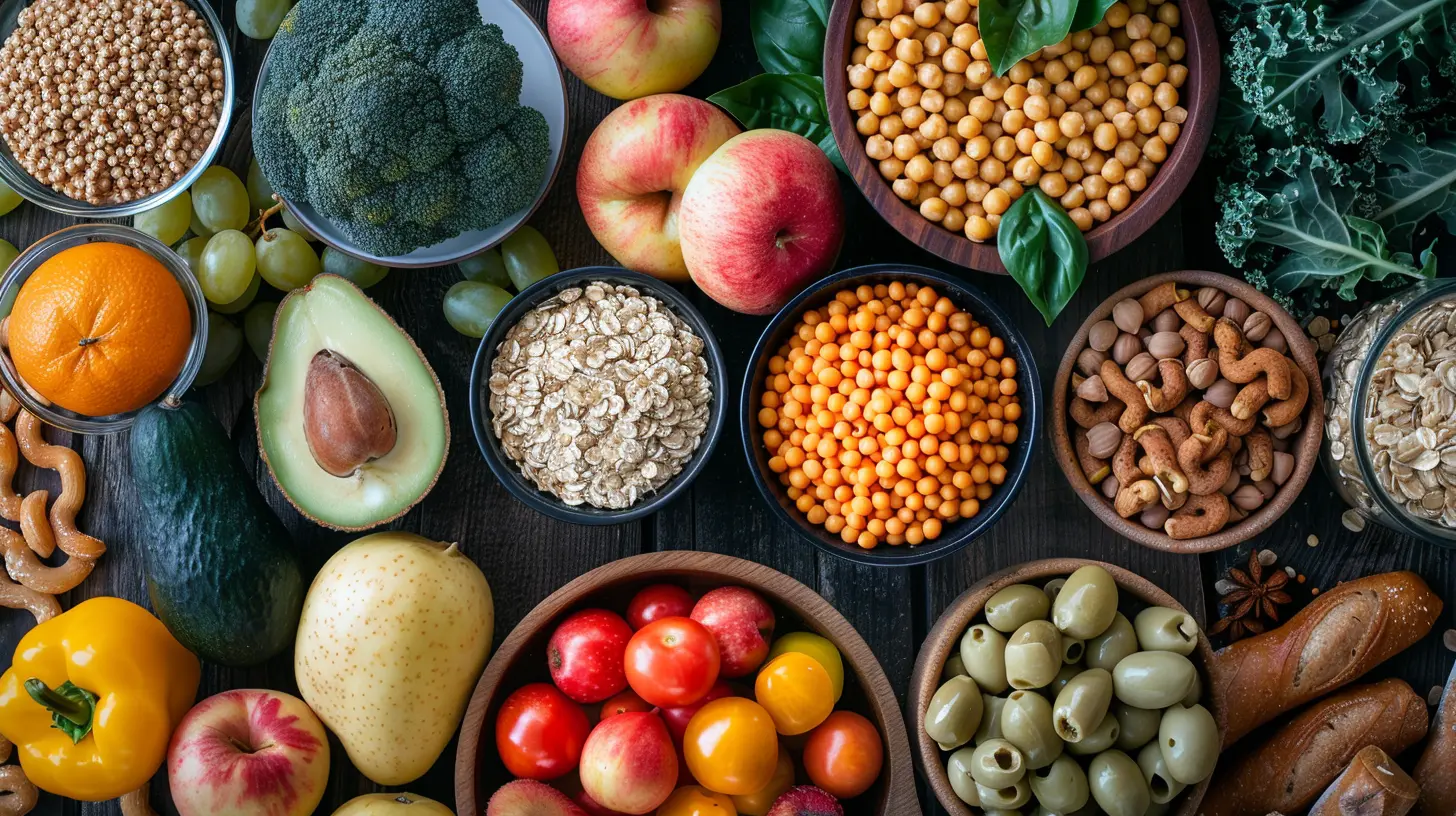
What Is Fiber, Exactly?
Dietary fiber is a type of carbohydrate that the body can’t digest. Unlike other carbs, which get broken down into sugars, fiber passes through the digestive system relatively intact. But just because it’s not digested doesn’t mean it’s useless—quite the opposite!There are two primary types of fiber:
1. Soluble Fiber – This type dissolves in water and forms a gel-like substance in your gut. It helps lower cholesterol and regulate blood sugar levels. You can find it in foods like oats, beans, apples, and carrots.
2. Insoluble Fiber – This one doesn’t dissolve in water. Instead, it adds bulk to your stool and helps keep things moving through your digestive system. Whole grains, nuts, and many vegetables are great sources of insoluble fiber.
Both types are crucial for a well-balanced diet, and most fiber-rich foods contain a mix of both.
Why Is Fiber So Important?
1. Keeps Your Digestive System Happy
Let’s get straight to the point—fiber keeps you regular. If you're no stranger to constipation, chances are you’re not getting enough fiber. Insoluble fiber helps bulk up stools, making them easier to pass, while soluble fiber helps soften them. Together, they promote a smoothly running digestive system.But fiber’s benefits go beyond just preventing constipation. It also helps maintain a healthy gut microbiome. The good bacteria in your gut feed on fiber, producing short-chain fatty acids that support gut health. In other words, fiber is like fertilizer for your gut’s good bacteria.
2. Helps Control Blood Sugar Levels
If you’ve been told to watch your blood sugar, fiber is your best friend. Since fiber slows down digestion, it prevents sudden spikes in blood sugar levels. Soluble fiber, in particular, helps control blood sugar by reducing glucose absorption. This is especially beneficial for people with diabetes or those at risk of developing it.3. Supports Heart Health
Want to keep your heart in tip-top shape? Add more fiber to your plate! Studies show that high-fiber diets are linked to lower cholesterol levels. Soluble fiber binds with cholesterol particles in the digestive system, helping to remove them from the body before they reach the bloodstream.Plus, fiber helps reduce blood pressure and inflammation, both of which are risk factors for cardiovascular disease. So, the next time you're reaching for a snack, consider fiber-rich options—your heart will thank you!
4. Aids in Weight Management
Trying to shed a few pounds? Fiber is a game-changer. Foods high in fiber are naturally more filling, which means you’ll feel satisfied longer and be less likely to overeat.High-fiber foods take longer to chew and digest, so they help with portion control. And since fiber-rich foods are often lower in calories, they’re a great way to eat more while consuming fewer calories.
5. May Reduce the Risk of Certain Diseases
Fiber does more than just keep your tummy happy. A high-fiber diet has been linked to a lower risk of several conditions, including:- Colon Cancer: Some research suggests that fiber can help protect against colorectal cancer by promoting regular bowel movements and removing harmful toxins from the digestive tract.
- Type 2 Diabetes: As mentioned earlier, fiber helps regulate blood sugar, reducing the risk of developing type 2 diabetes.
- Diverticulitis: This painful condition occurs when small pouches form in the colon. A high-fiber diet can help prevent diverticulitis flare-ups by keeping the digestive system running smoothly.
How Much Fiber Do You Need?
Most people aren’t getting enough fiber, and that’s a big problem. According to health experts, the recommended daily intake is:- Men under 50: 38 grams per day
- Men over 50: 30 grams per day
- Women under 50: 25 grams per day
- Women over 50: 21 grams per day
Unfortunately, most people only get about 15 grams per day—far below the recommended amount!
The Best Sources of Fiber
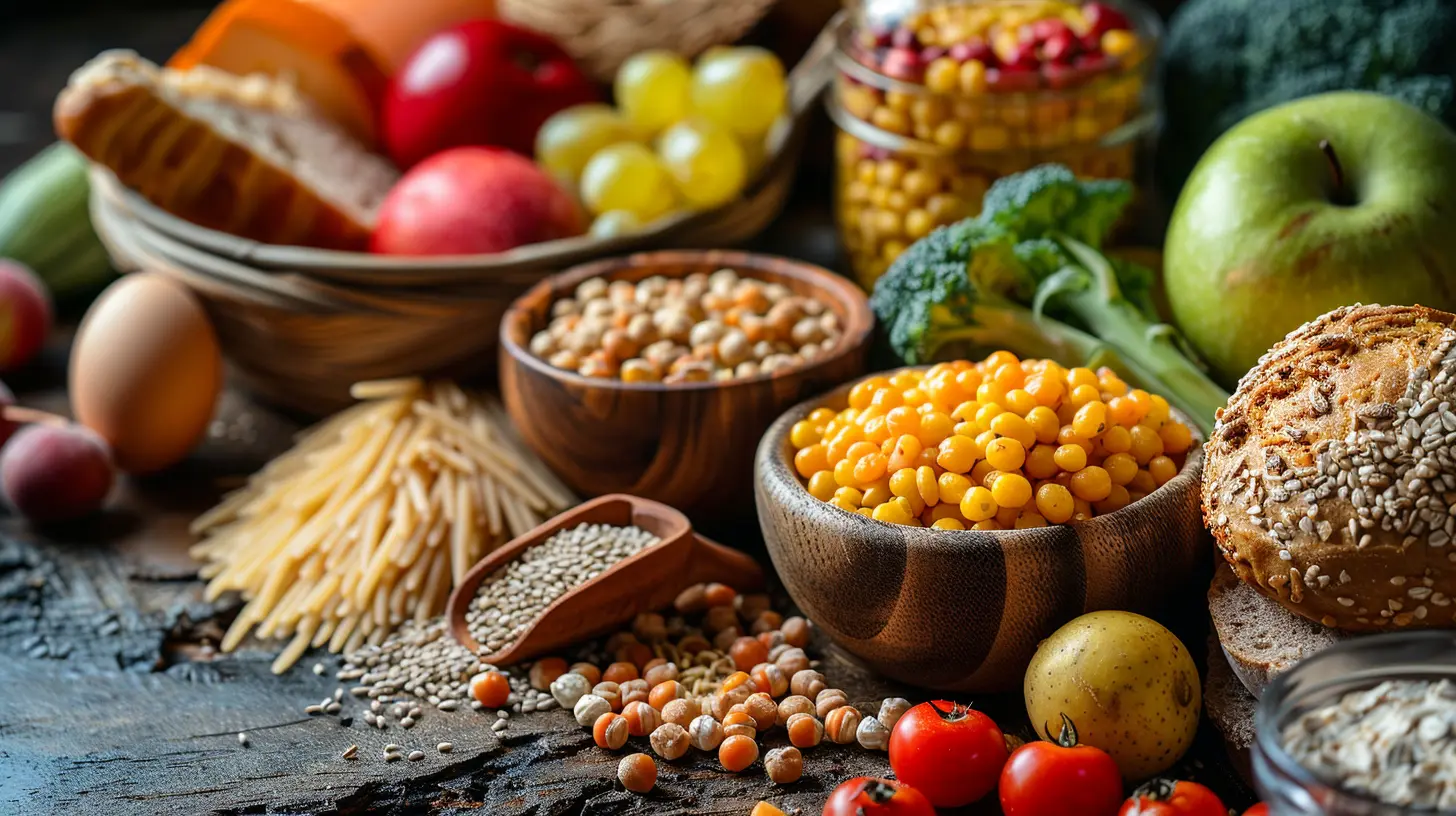
Now that we know fiber is essential, where can you get it? Here are some of the best fiber-packed foods:Fruits
- Apples- Bananas
- Berries (raspberries, blackberries)
- Oranges
- Pears
Vegetables
- Broccoli- Carrots
- Sweet potatoes
- Brussels sprouts
Legumes
- Lentils- Chickpeas
- Black beans
- Kidney beans
Whole Grains
- Oats- Brown rice
- Quinoa
- Whole wheat bread
Nuts and Seeds
- Almonds- Chia seeds
- Flaxseeds
- Sunflower seeds
Tips for Increasing Your Fiber Intake
If you’re not used to eating much fiber, don’t make the mistake of suddenly doubling your intake overnight—it can lead to bloating and discomfort. Instead, ease into it with these simple tips:- Start your day with fiber. Swap out sugary cereals for oatmeal or whole-grain toast.
- Snack smart. Choose fiber-rich snacks like nuts, fruit, or whole-grain crackers.
- Eat more veggies. Add extra vegetables to your meals—whether it’s throwing spinach into your omelet or tossing extra carrots into your stir-fry.
- Choose whole grains. Ditch white bread and pasta in favor of whole grains like brown rice, quinoa, and whole-wheat options.
- Drink plenty of water. Fiber needs water to do its job properly, so stay hydrated!
Can You Have Too Much Fiber?
While fiber is fantastic, too much of a good thing can sometimes backfire. Consuming excessive fiber (especially too quickly) can lead to bloating, gas, and stomach cramps. If you’ve suddenly increased your fiber intake and feel uncomfortable, try cutting back a little and increasing it more gradually.Also, make sure you're drinking enough water—fiber needs fluid to work effectively. Without enough water, too much fiber can actually cause constipation instead of relieving it!
Conclusion
Fiber isn’t just about keeping things moving in the bathroom—it plays a crucial role in overall health. From supporting digestion to regulating blood sugar, aiding in weight management, and reducing the risk of chronic diseases, fiber deserves a top spot in your daily diet.If you’re not getting enough, don’t worry! Small changes, like adding more fruits, veggies, and whole grains to your meals, can make a big difference. Your body will thank you—and so will your gut!
all images in this post were generated using AI tools
Category:
Healthy ChoicesAuthor:

Laurie Barlow
Discussion
rate this article
2 comments
Vienna Mendez
Fiber: the superhero of your gut! It swoops in, saves the day, and keeps those bathroom adventures thrillingly regular!
February 15, 2026 at 5:17 PM
Laurie Barlow
Absolutely! Fiber truly is essential for gut health, ensuring regularity and overall digestive well-being. Thanks for highlighting its superhero status!
Zoey Oliver
Fiber: the unsung hero of our diets! It’s like that reliable friend who always shows up to the party—helps with digestion and keeps things moving. Just remember, too much and you might need a bathroom map! 😂
February 9, 2026 at 4:36 AM
Laurie Barlow
Absolutely! Fiber truly is essential for digestion and overall health. Just like any good friend, balance is key! Thanks for the fun analogy! 😊