The Role of Fiber in Successful Weight Loss
15 February 2026
When it comes to losing weight, most people immediately think of cutting calories, running miles on the treadmill, or eliminating carbs entirely. But here’s the thing most people overlook—fiber. Yep, that stuff you usually associate with "keeping things moving" in your digestive system. It’s not glamorous, but fiber could be your secret weapon when it comes to successful and sustainable weight loss.
In this article, we're going to break fiber down in a no-nonsense, easy-to-understand way. By the time you're done reading, you’ll have a clear picture of why fiber deserves a prime spot on your plate—and how it can actually make shedding pounds easier and, dare we say, more enjoyable.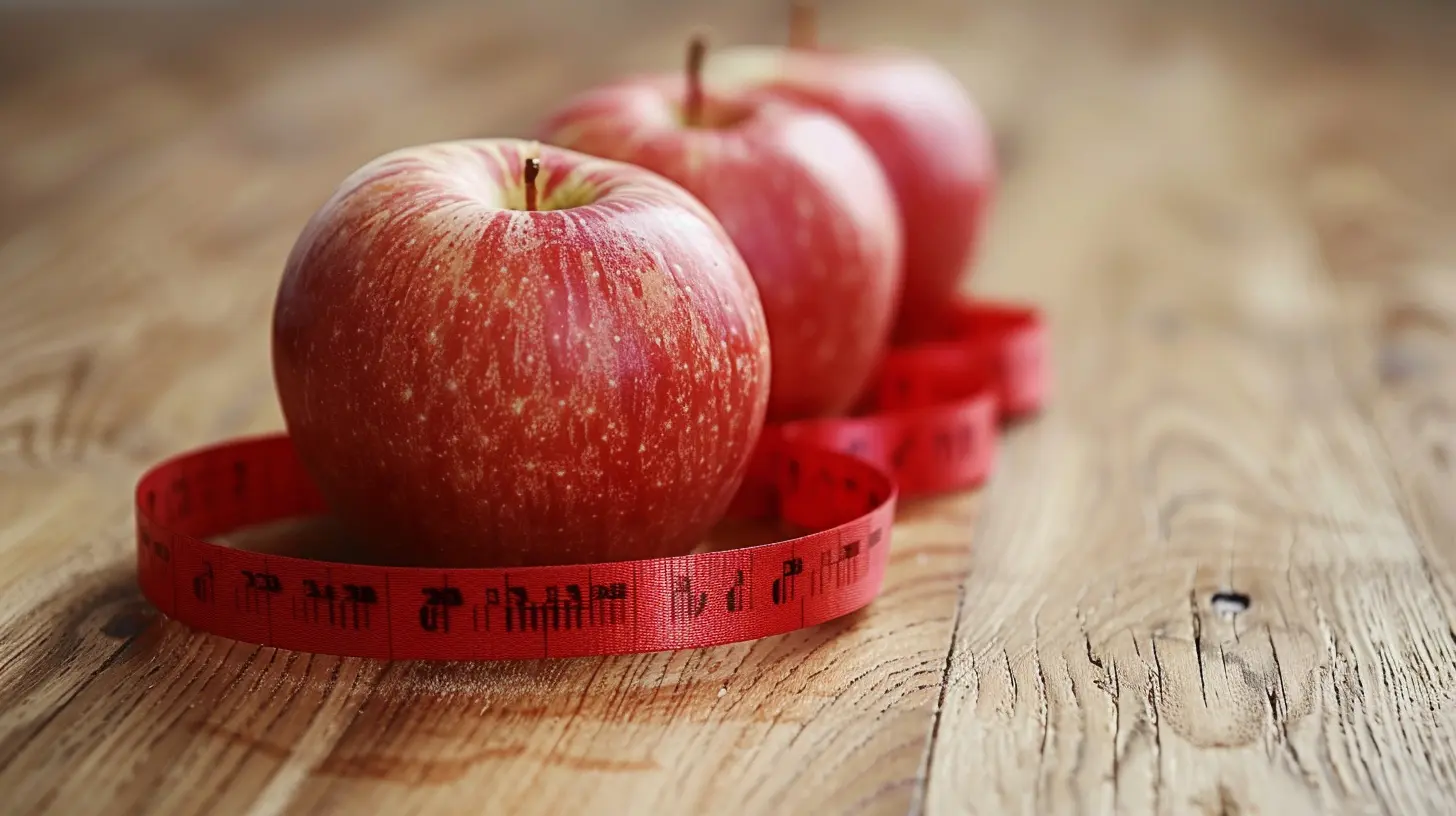
What Is Fiber, Really?
First off, let’s talk basics.Fiber is a type of carbohydrate, but unlike other carbs, your body can't fully digest it. Instead of breaking it down for energy, like sugar or starch, fiber mostly passes through your digestive system untouched. It comes from plant-based foods, and there are two main types:
- Soluble fiber: This kind dissolves in water and forms a gel-like substance. It's found in oats, apples, citrus fruits, beans, and more.
- Insoluble fiber: This type doesn't dissolve in water. Instead, it adds bulk to your stool and helps food pass more quickly through your stomach and intestines. You'll find it in whole grains, nuts, and vegetables.
Both types are important—and we’ll explain why in a minute.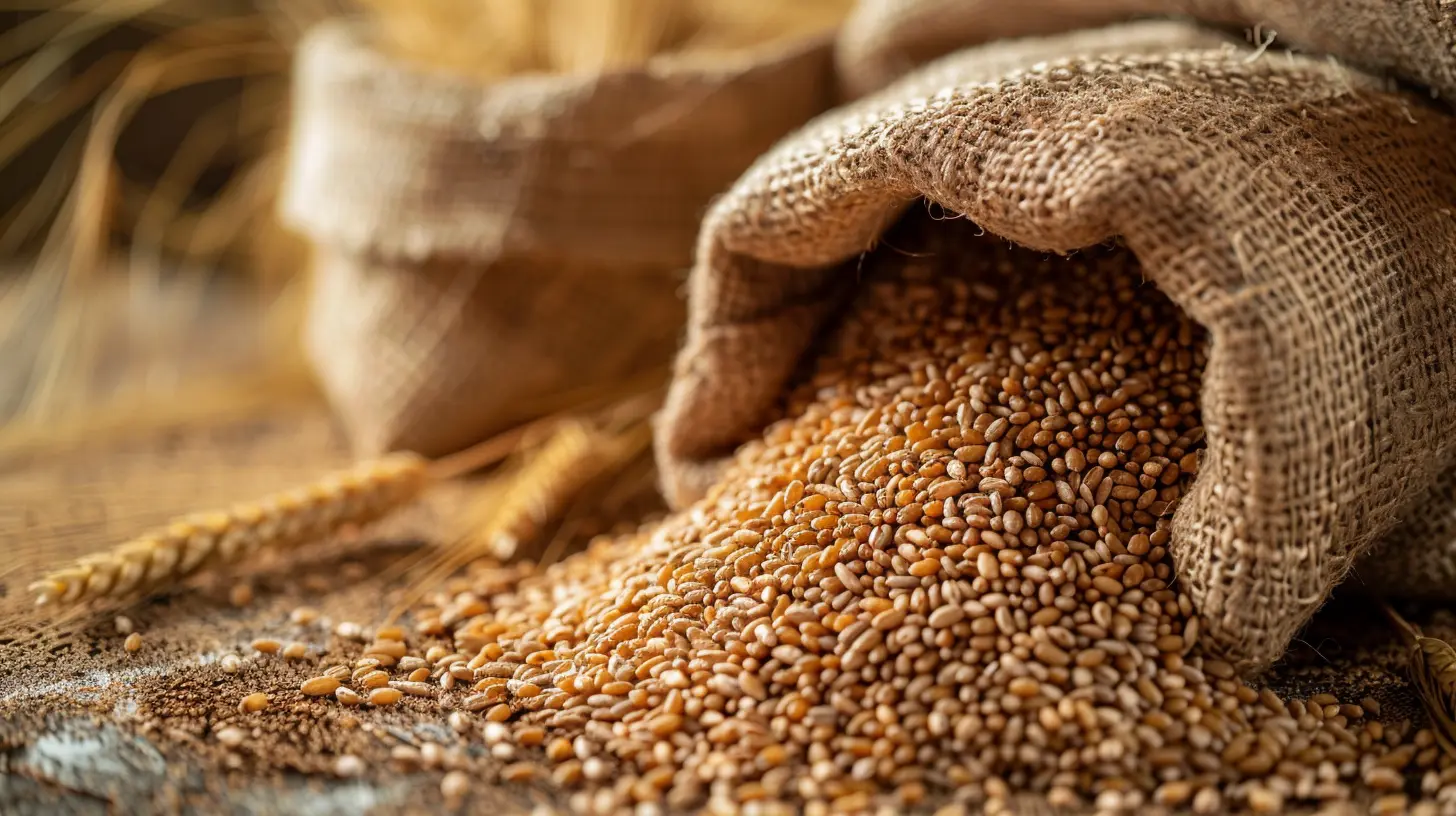
So, How Does Fiber Help With Weight Loss?
Let’s cut to the chase: You want to lose weight, and you want to do it in a way that doesn’t feel like torture. Fiber can help on multiple fronts—and the science backs it up.1. Fiber Helps You Feel Full
Ever eat a massive bowl of cereal and feel hungry 30 minutes later? That’s because it was probably low in fiber. One of fiber’s superpowers is that it helps you feel full—without adding a bunch of calories.Soluble fiber expands in your stomach and slows digestion. That means you stay satisfied for longer, and you're less likely to raid the pantry for a snack an hour after lunch.
It's kind of like putting a slow-burning log on a fire instead of a bunch of dry twigs. That log keeps burning steadily, longer—and your appetite gets the same steady burn.
2. It Reduces Calorie Absorption
Here’s a cool little bonus: Fiber can actually reduce how many calories your body absorbs from food. Say what?Researchers have found that when your gut has enough fiber, it slows the absorption of sugar and fat. Some fiber even binds with fat and carries it out of your body before it gets a chance to settle down as belly fat. That’s like having a natural calorie bouncer in your digestive tract.
3. Fiber Supports Your Gut Health (Which Impacts Weight)
We now know that gut health plays a huge role—not just in digestion, but in weight management, mood, and immune function. A high-fiber diet feeds the good bacteria in your gut, helping them thrive. These bacteria produce compounds that influence hormones, hunger, and even how your body stores fat.Think of your gut like a garden. Fiber is the fertilizer that helps the good plants (bacteria) grow strong. The healthier your gut, the better your chances at staying lean and feeling good.
4. Fiber Helps Regulate Blood Sugar Levels
Ever have a sugar crash an hour after eating a donut? Not a fun ride.Foods high in fiber slow down the release of sugar into your bloodstream. That helps keep your energy levels stable and prevents insulin spikes that can trigger fat storage and cravings. Steady blood sugar = fewer crashes and binges.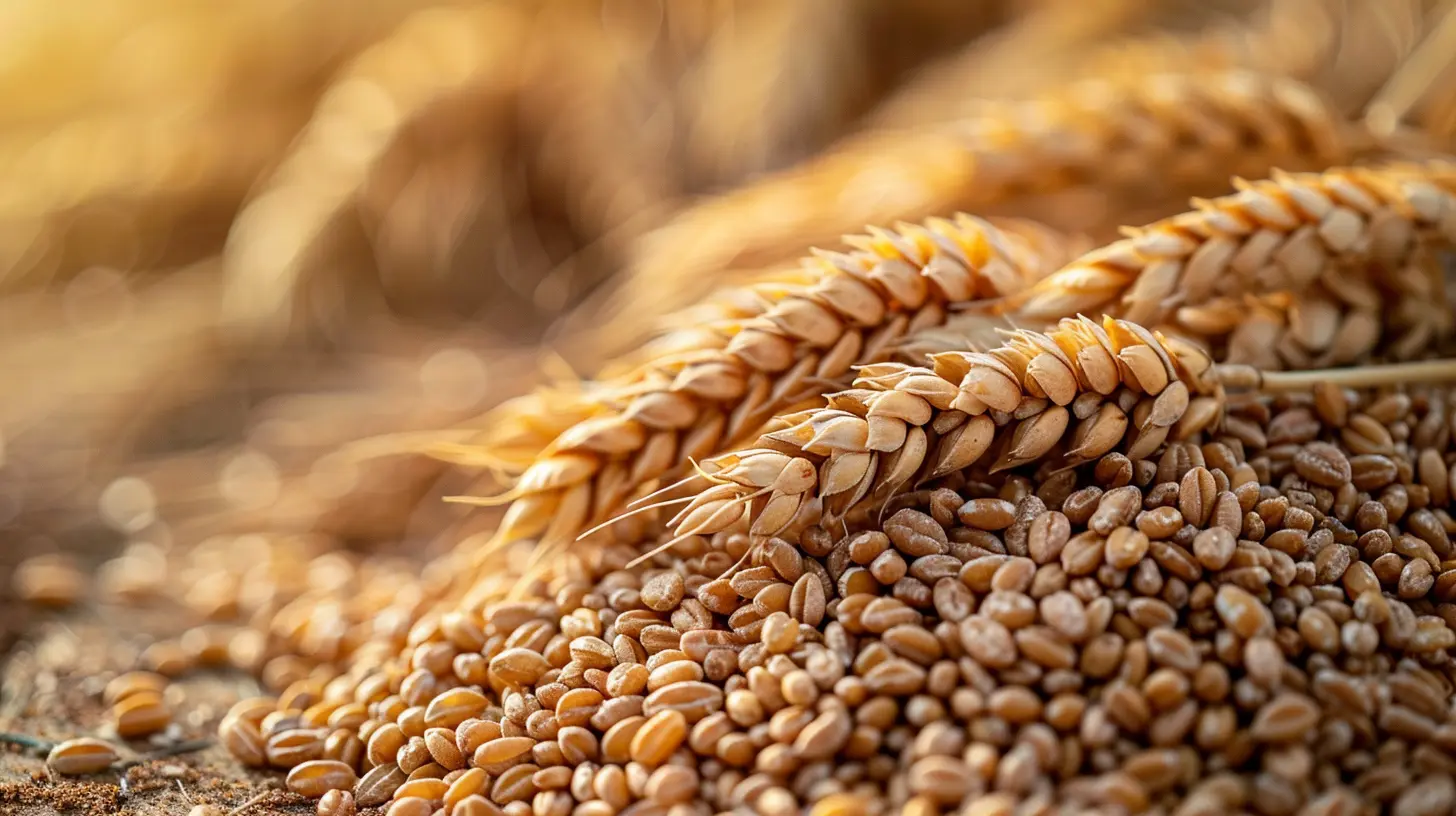
High-Fiber Foods that Are Weight-Loss Friendly
Now that you’re (hopefully) convinced fiber is the real MVP, let’s talk food. You don’t necessarily need to count grams of fiber (unless you’re into that), but you do need to be intentional about what you’re eating.Here’s a quick hit list of fiber-rich foods that also support weight loss:
Fruits:
- Raspberries (8g per cup)- Pears with skin
- Apples with skin
- Bananas
Veggies:
- Broccoli- Carrots
- Sweet potatoes (with the skin!)
- Brussels sprouts
Grains & Beans:
- Oats- Quinoa
- Lentils
- Black beans
- Chickpeas
Nuts & Seeds:
- Chia seeds (a true fiber bomb)- Flaxseeds
- Almonds
Throw some chia seeds in your smoothie, swap out white rice for lentils once a week, or snack on an apple instead of chips. Small changes = big fiber wins.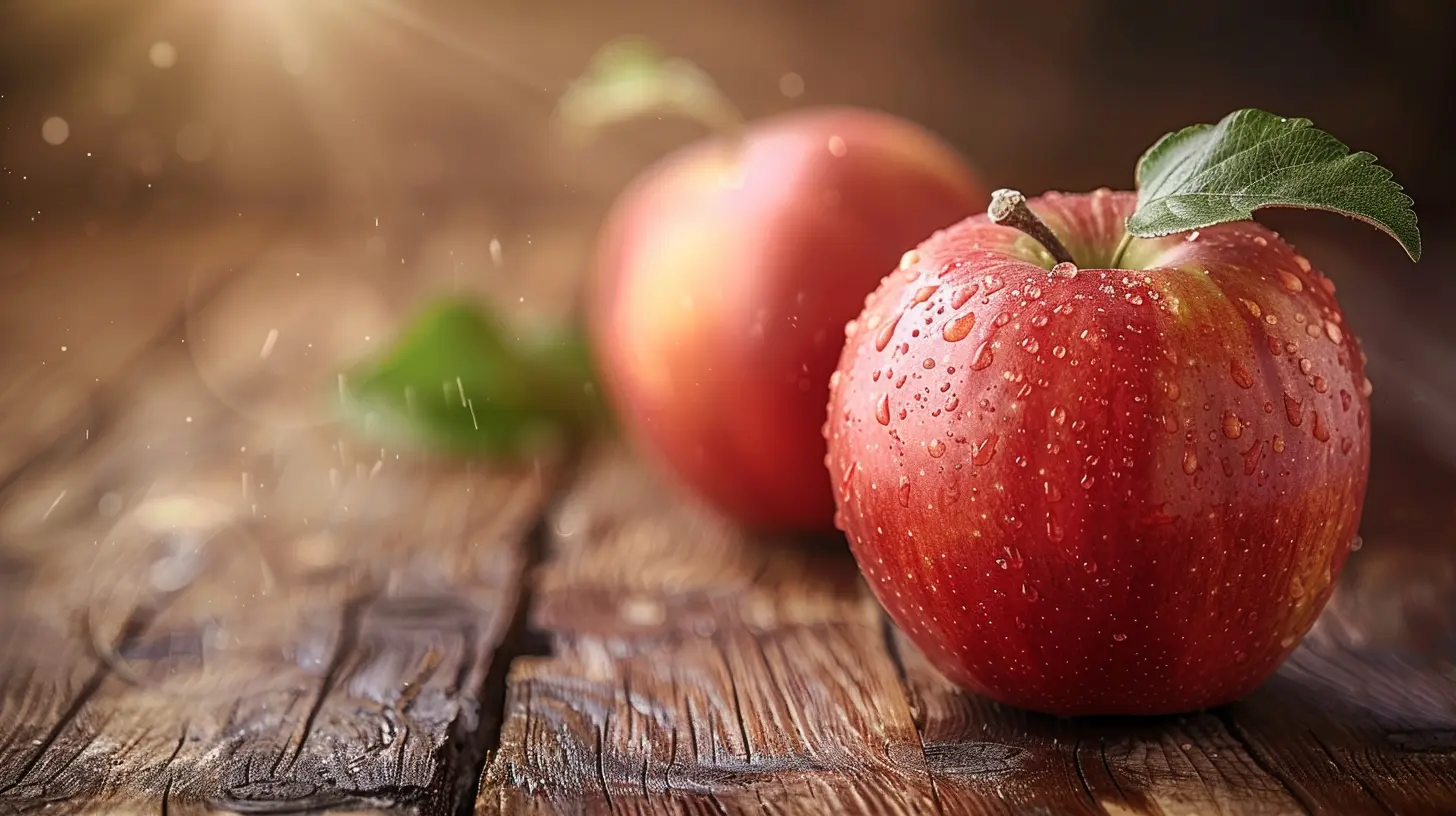
How Much Fiber Do You Need?
Most people aren’t even getting close to enough fiber.The general recommendation is:
- Men: 30–38 grams per day
- Women: 21–25 grams per day
But guess what? The average person gets around 15 grams. Yikes.
You don’t need to obsess over numbers, but if your current diet is full of processed foods and low on fruits and veggies, chances are you’re coming up short. Start slowly increasing your fiber intake, and your waistline might just thank you.
Warning: Don't Go From 0 to 100
Before you go OD-ing on fiber, here's a quick heads-up.If you dramatically increase your fiber overnight, your digestive system will not be happy. We’re talking bloating, gas, stomach cramps—the whole deal.
The key is to increase gradually and drink plenty of water. Fiber soaks up water in your gut, so you need to stay hydrated to keep things moving smoothly (and to avoid turning yourself into a gas balloon).
Fiber vs. Fancy Diets: Who Wins?
Let’s be real. There’s always going to be a flashy new diet on the scene—keto, intermittent fasting, carnivore, raw vegan—you name it.But fiber? Fiber isn’t a fad. It’s foundational.
You don’t have to give up bread, eat only plants, or fast for 18 hours a day to lose weight. Just eat more real, whole, fiber-rich foods and let them do their thing. You’ll naturally eat fewer calories without feeling deprived. That’s the kind of "diet" most of us can actually stick to.
Real Talk: Why Fiber Works Long-Term
One of the biggest problems with quick-fix diets is that they rarely stick. You lose weight fast, then gain it all back (and more) once you stop. That’s not success—that’s a rollercoaster.Fiber, on the other hand, helps you build sustainable habits. You're not starving. You're not cutting out food groups. You’re just eating smarter.
It improves your digestion, supports your mood, keeps your energy up, and helps you feel full. That’s a game plan you can live with—for life.
Simple Ways to Add More Fiber to Your Day
Looking for easy ways to sneak more fiber into your routine? Here are some simple swaps and additions you can start right now:- Start your day with oatmeal instead of sugary cereal
- Add veggies to eggs or a smoothie
- Use whole grain bread instead of white
- Snack on nuts or fruit instead of chips or granola bars
- Toss beans onto your salad
- Include a side of steamed broccoli or roasted sweet potatoes at dinner
- Try a fiber supplement if you're really struggling to get enough—but food should always come first
A Final Word (or Two) on Fiber and Weight Loss
Let’s wrap things up with some honest truth. There’s no one-size-fits-all solution to weight loss, but fiber checks a lot of boxes. It fills you up, keeps your digestion on track, stabilizes blood sugar, supports your gut—oh, and it actually tastes good when you get creative.So, instead of jumping on the next fad diet train, why not just keep it simple? Add more fiber-rich foods to your daily routine and let your body do what it was designed to do: thrive.
Your future self will thank you.
all images in this post were generated using AI tools
Category:
Weight LossAuthor:

Laurie Barlow
Discussion
rate this article
2 comments
Diesel Cannon
Fiber: the unsung hero of weight loss! It's like the party planner for your gut—keeping things moving, guests happy, and those pesky cravings at bay. Let’s get fibrous!
February 20, 2026 at 5:53 PM
Laurie Barlow
Absolutely! Fiber is essential for weight loss, promoting gut health and helping control cravings. Let's celebrate its vital role!
Audra Chavez
Great insights! Fiber really is a game-changer for weight loss. Love how you emphasized its benefits!
February 15, 2026 at 5:17 PM
Laurie Barlow
Thank you! I'm glad you found the insights helpful. Fiber truly does play a crucial role in weight loss!