The Power of Restorative Yoga for Deep Healing
24 December 2025
Introduction
Ever feel like you're constantly running on empty? Life moves fast, and sometimes, our bodies and minds struggle to keep up. Stress, anxiety, and exhaustion become the norm, leaving us drained and disconnected. But what if there was a way to hit the reset button—without intense physical exertion or drastic lifestyle changes?
Enter restorative yoga, a gentle yet powerful practice designed to promote deep healing. Unlike the more dynamic forms of yoga, this style focuses on slow, passive stretching and relaxation. It’s like giving your body a much-needed hug from the inside out. Let’s dive into the transformative power of restorative yoga and how it can help you heal physically, mentally, and emotionally. 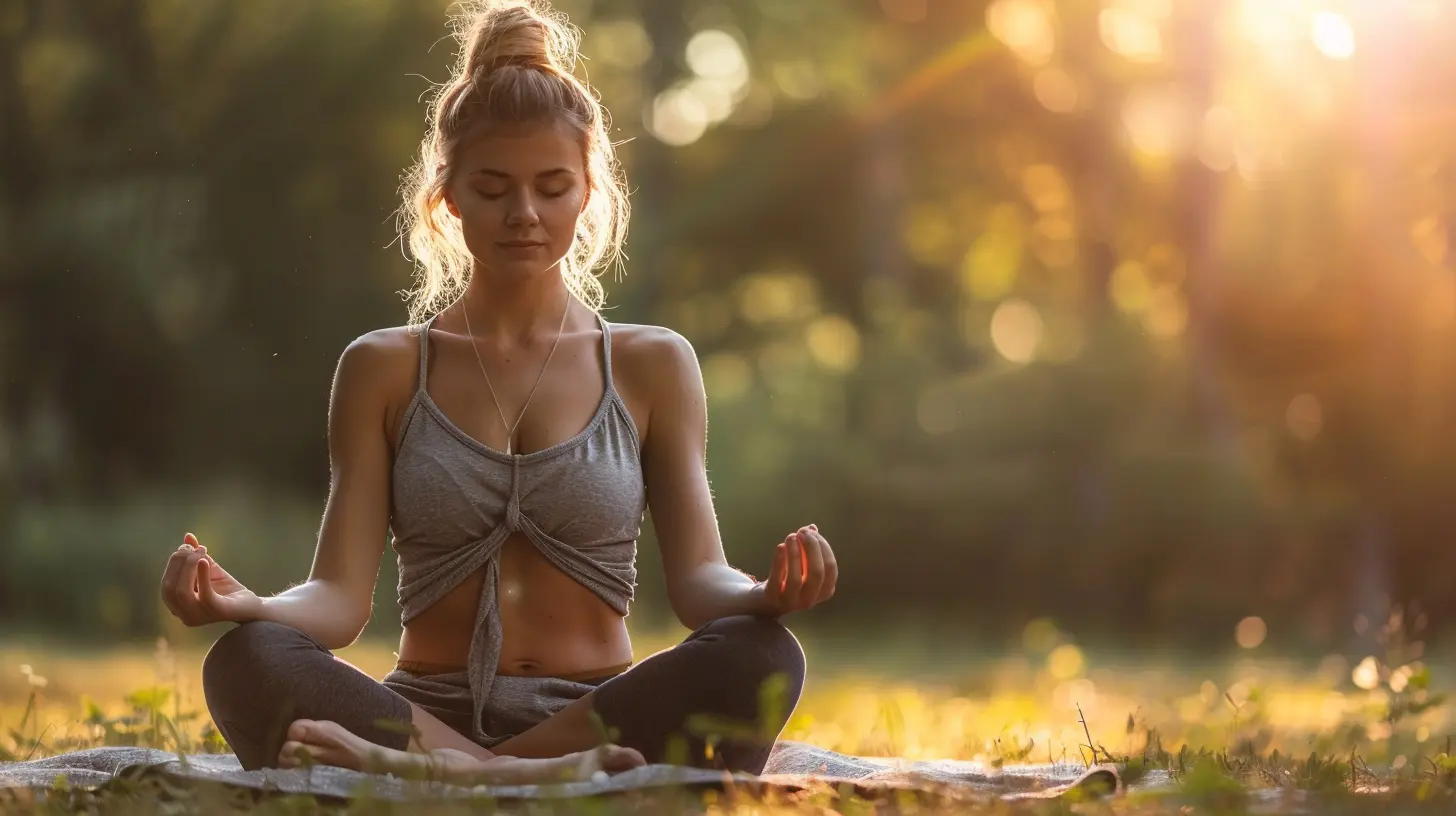
What Is Restorative Yoga?
Restorative yoga is a form of yoga that emphasizes deep relaxation, stillness, and mindfulness. Unlike vigorous yoga styles like Vinyasa or Ashtanga, restorative yoga involves holding poses for extended periods—often between five to twenty minutes—while using props such as bolsters, blankets, and blocks to fully support the body.The goal isn’t to stretch deeply or build strength; instead, it's about surrendering to complete relaxation. By doing so, you activate the parasympathetic nervous system—also known as the “rest and digest” system—which helps lower stress, reduce tension, and promote overall healing. 
The Science Behind Restorative Yoga and Healing
1. Activating the Parasympathetic Nervous System
When you’re stressed, your body enters fight-or-flight mode, releasing stress hormones like cortisol and adrenaline. While this response is essential in emergencies, chronic stress keeps your body in a constant state of alertness, leading to burnout, anxiety, and even illness.Restorative yoga flips the switch, activating the parasympathetic nervous system (PNS). This shift:
- Lowers heart rate and blood pressure
- Reduces cortisol levels (stress hormone)
- Enhances digestion and immune function
- Promotes deep relaxation for physical and emotional healing
2. Reducing Inflammation
Chronic stress is notorious for triggering inflammation, which has been linked to conditions like heart disease, autoimmune disorders, and chronic pain. Studies show that restorative yoga helps lower inflammatory markers, reducing the risk of these illnesses and enhancing the body's ability to heal.3. Enhancing Sleep Quality
If you struggle with insomnia or restless nights, restorative yoga might be your secret weapon. By calming the nervous system and slowing down brain activity, this practice prepares the body for deep, restful sleep. In fact, many restorative poses mimic the body’s natural sleep positions, making it easier to drift off into slumber.
Benefits of Restorative Yoga for Deep Healing
💙 Relieves Stress & Anxiety
Think of restorative yoga as a warm, soothing bath for your nervous system. The combination of deep breathing, gentle movement, and supported postures helps:- Quiet the mind
- Reduce anxious thoughts
- Release physical tension
- Enhance overall emotional well-being
If you’ve ever felt overwhelmed, taking just 15-30 minutes for a restorative yoga session can significantly shift your mood.
❤️ Supports Physical Recovery
Got sore muscles? Healing from an injury? Restorative yoga can be a game-changer. Since the practice requires minimal effort and no strain, it’s perfect for those recovering from illness, surgery, or chronic pain conditions like fibromyalgia or arthritis.By improving circulation, reducing inflammation, and gently stretching fascia and muscles, restorative yoga encourages the body to heal naturally.
🧘 Improves Flexibility (Without Strain)
Unlike traditional stretching, which often involves active engagement of muscles, restorative yoga uses gravity and time to encourage deep release. It allows muscles and connective tissue to soften and lengthen without force, making it an excellent practice for improving flexibility—especially for those with limited mobility.💤 Enhances Sleep & Fights Insomnia
Struggling with sleep? Restorative yoga creates the perfect environment for deep rest by calming the nervous system and bringing the body into a state of relaxation. Practicing before bed can help you fall asleep faster, stay asleep longer, and wake up feeling refreshed.🧠 Encourages Mindfulness & Emotional Healing
Restorative yoga is more than just a physical practice—it’s a mindfulness exercise. Holding poses for extended periods allows you to tune into your breath, emotions, and inner thoughts. This practice cultivates self-awareness, presence, and emotional resilience, making it a powerful tool for mental health.
Simple Restorative Yoga Poses for Deep Healing
Ready to experience the healing magic of restorative yoga? Here are a few beginner-friendly poses to try:1. Supported Child’s Pose (Balasana)
Great for: Calming the nervous system, releasing lower back tension1. Kneel on the floor with your big toes touching and knees wide apart.
2. Place a bolster or folded blanket in front of you.
3. Gently lower your torso onto the bolster, resting one cheek on it.
4. Relax your arms by your sides and breathe deeply. Hold for 5-10 minutes.
2. Reclined Butterfly Pose (Supta Baddha Konasana)
Great for: Opening the hips, relieving stress, improving blood circulation1. Lie on your back with the soles of your feet together, knees falling out to the sides.
2. Place pillows or bolsters under your knees for support.
3. Rest your arms by your sides and close your eyes.
4. Take slow, deep breaths for 5-10 minutes.
3. Legs Up the Wall (Viparita Karani)
Great for: Reducing swelling in legs, boosting circulation, calming the mind1. Sit sideways next to a wall and swing your legs up against it.
2. Adjust your hips so they’re as close to the wall as comfortable.
3. Rest your arms by your sides, palms facing up.
4. Breathe slowly and hold for 5-15 minutes.
4. Supported Savasana (Corpse Pose)
Great for: Deep relaxation, stress relief, nervous system reset1. Lie on your back with a bolster or rolled-up blanket under your knees.
2. Rest your arms at your sides, palms facing up.
3. Close your eyes and focus on your breath.
4. Stay here for at least 10 minutes—the longer, the better!
How to Incorporate Restorative Yoga Into Your Routine
The beauty of restorative yoga is that it doesn’t require much time or effort. Even just 10-20 minutes a day can make a significant difference in your overall well-being. Here’s how to make it a habit:- Create a cozy space: Use soft lighting, blankets, and props to set a relaxing vibe.
- Practice before bed: A short session can help signal your body that it’s time to unwind.
- Use guided practices: Try following along with a YouTube video or a yoga app to get started.
- Combine with meditation: Pair your practice with deep breathing or mindfulness for extra relaxation.
Final Thoughts
Restorative yoga is a powerful yet gentle practice that provides deep healing for both the body and mind. Whether you're dealing with stress, chronic pain, sleep issues, or emotional struggles, this practice offers a sanctuary of stillness, relaxation, and renewal.So why not slow down, breathe deeply, and give your body the rest it deserves? After all, healing doesn’t always happen through effort—sometimes, it happens through surrender.
all images in this post were generated using AI tools
Category:
YogaAuthor:

Laurie Barlow
Discussion
rate this article
2 comments
Cassian Warren
Thank you for highlighting the transformative benefits of restorative yoga. It's a gentle reminder of the importance of self-care and healing. Prioritizing rest and mindfulness can profoundly impact our well-being, allowing us to reconnect with our bodies and minds.
January 14, 2026 at 3:39 AM
Laurie Barlow
Thank you for your thoughtful comment! I'm glad you resonated with the message about self-care and the healing power of restorative yoga.
Zephyrine Yates
Restorative yoga nurtures body and mind, promoting profound healing.
December 25, 2025 at 4:09 AM
Laurie Barlow
Thank you! I'm glad you resonate with the healing benefits of restorative yoga. It truly complements both body and mind for holistic wellness.