The Power of Nuts and Seeds in Your Diet
13 March 2026
When was the last time you grabbed a handful of almonds or sprinkled chia seeds over your smoothie? If nuts and seeds aren’t already a regular part of your diet, you're missing out on some serious health benefits. These tiny nutritional powerhouses are packed with essential nutrients that can improve your heart health, boost brain function, and even help with weight management.
Let's dive into why you should be adding more nuts and seeds to your daily meals and how they can work wonders for your overall well-being.
Why Nuts and Seeds Deserve a Spot in Your Diet
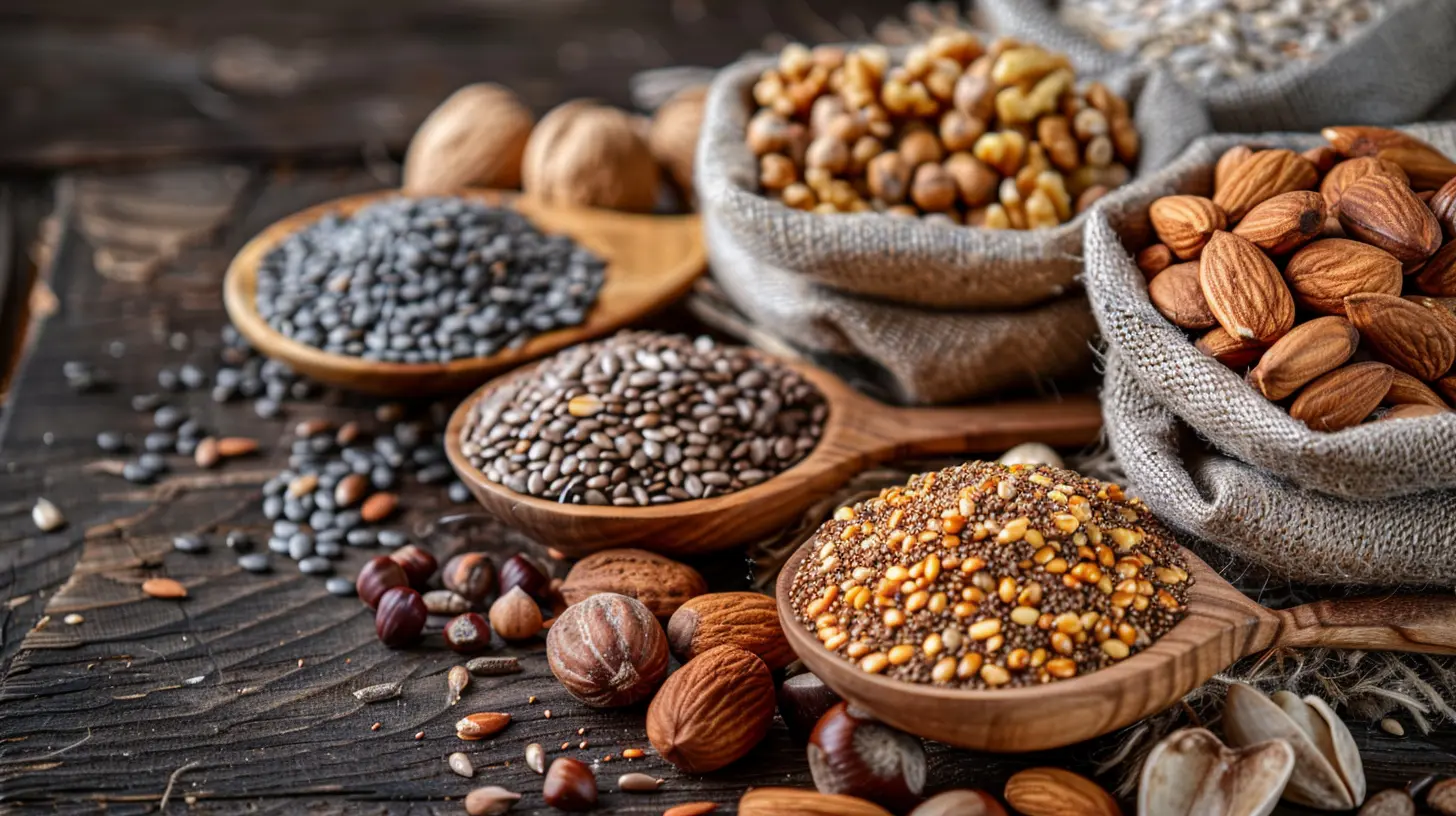
Nuts and seeds aren't just snacks; they’re superfoods. They're loaded with healthy fats, protein, fiber, vitamins, and minerals that your body craves. Unlike processed snacks that leave you feeling sluggish, nuts and seeds provide lasting energy while supporting your health in multiple ways. Here's why they deserve a permanent place in your diet:1. Heart Health Hero
One of the biggest benefits of nuts and seeds is their heart-healthy properties. They contain unsaturated fats, which help lower bad cholesterol (LDL) and increase good cholesterol (HDL). Plus, they're rich in omega-3 fatty acids, which reduce inflammation and support a healthy heart.- Walnuts are famous for their high omega-3 content, helping to lower blood pressure and improve heart function.
- Flaxseeds are another excellent source of these heart-friendly fats, playing a role in reducing the risk of heart disease.
2. Weight Management Support
Think eating nuts leads to weight gain? Think again! Despite being calorie-dense, nuts and seeds can actually help with weight management. Their combination of protein, fiber, and healthy fats keeps you full longer, reducing unnecessary snacking.- Almonds and pistachios are particularly great for weight control since they require more chewing and give you a sense of fullness.
- The fiber in chia seeds expands in your stomach, curbing hunger and helping with portion control.
3. Brain-Boosting Benefits
Your brain loves nuts and seeds! They contain antioxidants, vitamin E, and omega-3s, all of which support cognitive function and memory retention.- Walnuts look like tiny brains for a reason—they’re packed with brain-boosting compounds that may help prevent cognitive decline.
- Pumpkin seeds, loaded with magnesium, iron, and zinc, contribute to better brain function and mood regulation.
4. Rich in Essential Nutrients
Nuts and seeds are nature’s multivitamins. They provide key nutrients like magnesium, potassium, calcium, and iron, which are essential for maintaining strong bones, muscle function, and overall health.- Sesame seeds are a fantastic plant-based source of calcium, perfect for those who don’t consume dairy.
- Brazil nuts are one of the best sources of selenium, a mineral crucial for thyroid function and immune health.
5. Gut Health and Digestion
A healthy gut equals a happy body! The fiber content in nuts and seeds promotes good digestion and supports a healthy gut microbiome. They act as prebiotics, feeding the good bacteria in your gut.- Flaxseeds contain both soluble and insoluble fiber, supporting regular digestion and preventing constipation.
- Chia seeds absorb water and form a gel-like substance, which can aid in smooth digestion.
How to Incorporate More Nuts and Seeds into Your Diet
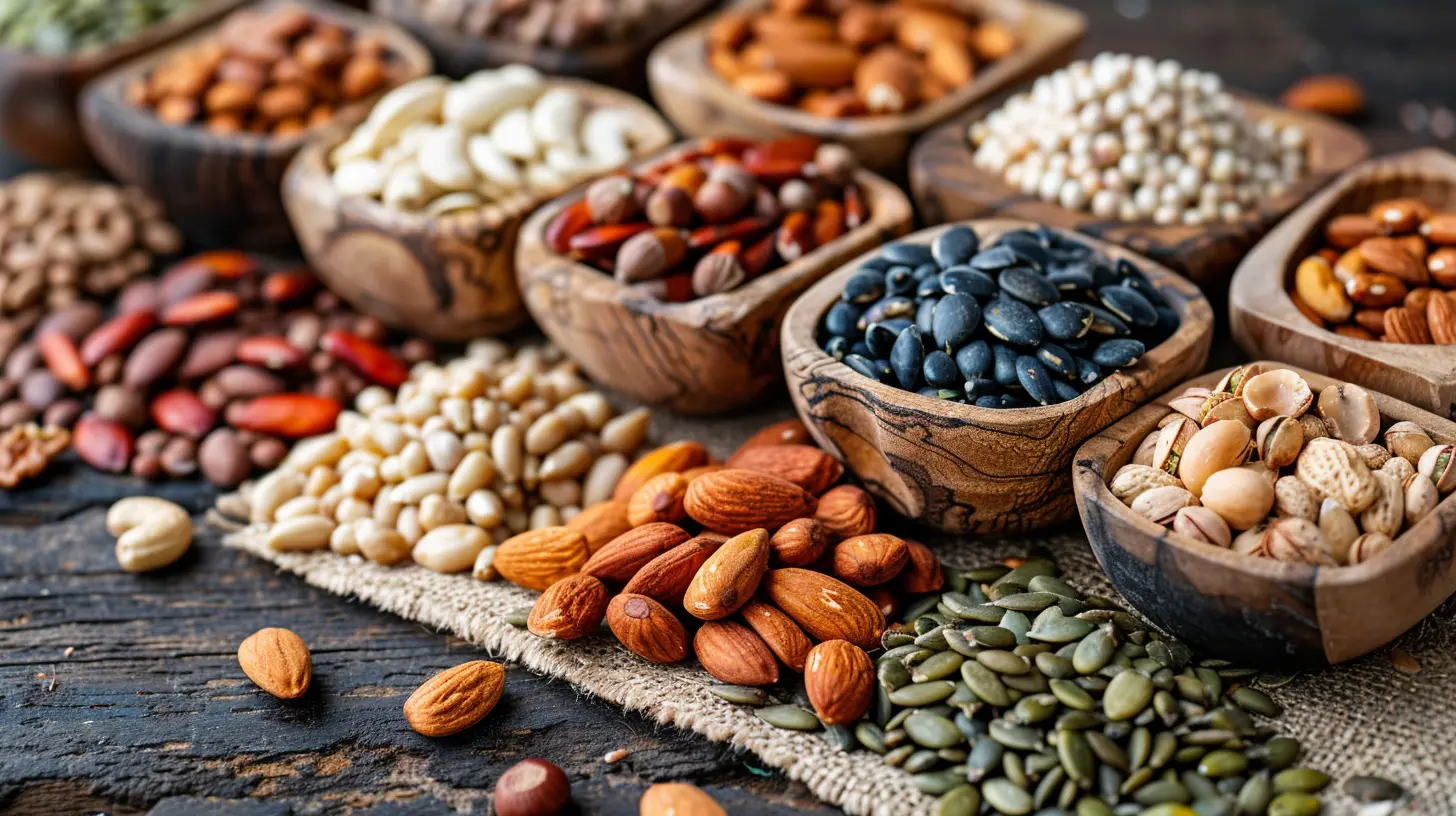
Now that you know how amazing nuts and seeds are, the next step is including them in your diet in fun and delicious ways. If you're not a fan of eating them plain, here are some tasty ideas:1. Sprinkle Them Over Meals
- Add chia seeds, flaxseeds, or hemp seeds to your morning smoothie or yogurt.- Toss sesame seeds or sunflower seeds into salads for extra crunch.
2. Use Nut Butters
- Swap regular butter for almond butter or peanut butter on toast.- Stir cashew butter into oatmeal or drizzle it over pancakes.
3. Make Healthy Snacks
- Create a homemade trail mix with walnuts, almonds, pumpkin seeds, and dried fruit.- Roast spiced pecans for a warm and crunchy treat.
4. Use Them in Cooking & Baking
- Blend cashews into sauces for a creamy, dairy-free alternative.- Bake with ground flaxseeds as an egg replacement in vegan recipes.
Choosing the Right Nuts and Seeds
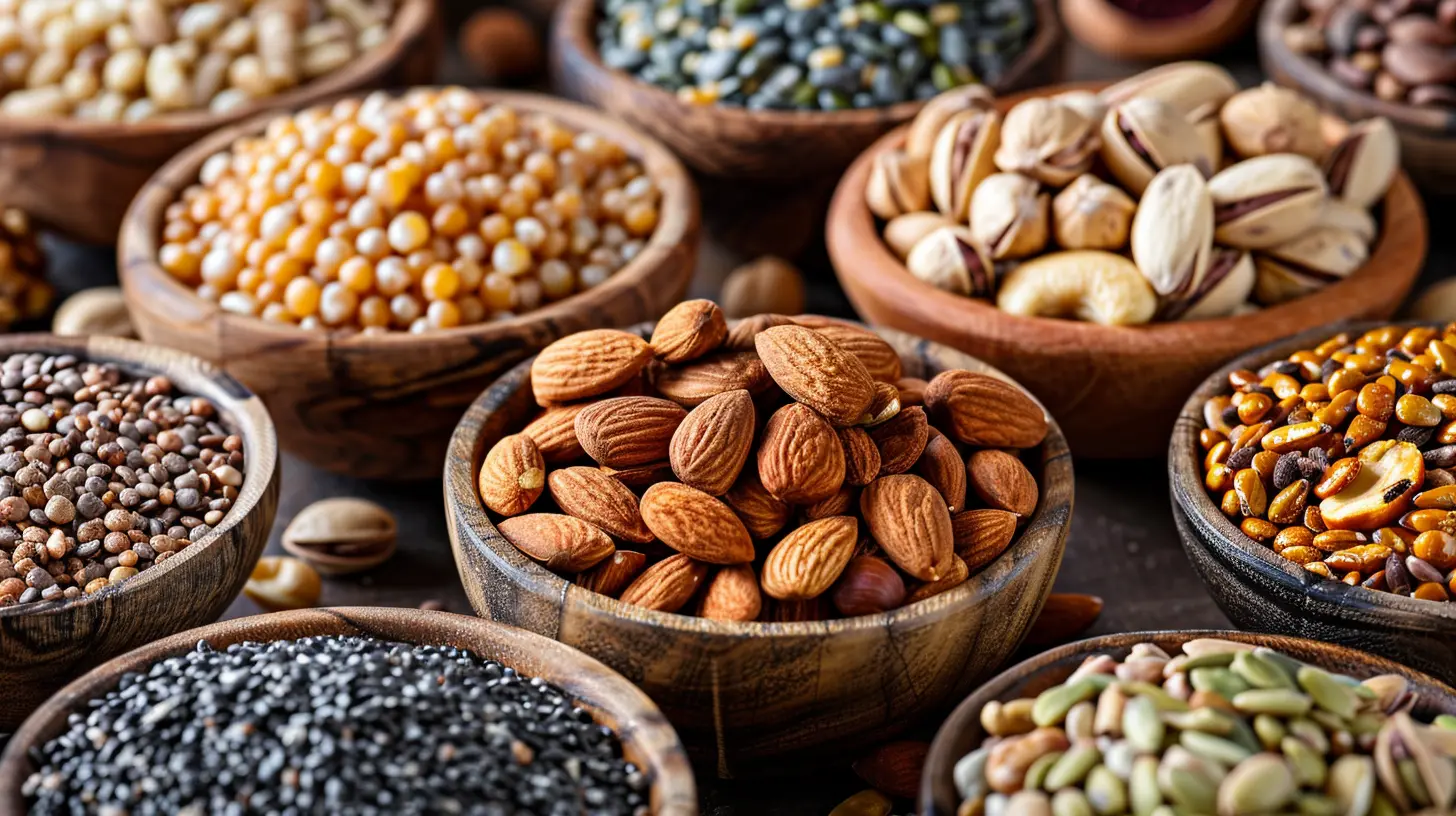
Not all nuts and seeds are created equal! While they’re generally healthy, some store-bought varieties are loaded with added salt, sugar, and unhealthy oils. When shopping, keep these tips in mind:1. Go Raw or Dry-Roasted – Opt for raw or dry-roasted nuts instead of oil-roasted versions to avoid unnecessary fats.
2. Avoid Added Sugars – Many flavored nuts and seeds come coated in sugar. Stick with plain or lightly seasoned options.
3. Buy in Bulk – Nuts and seeds can be pricey, but buying in bulk often saves money. Just store them in airtight containers to prevent them from going rancid.
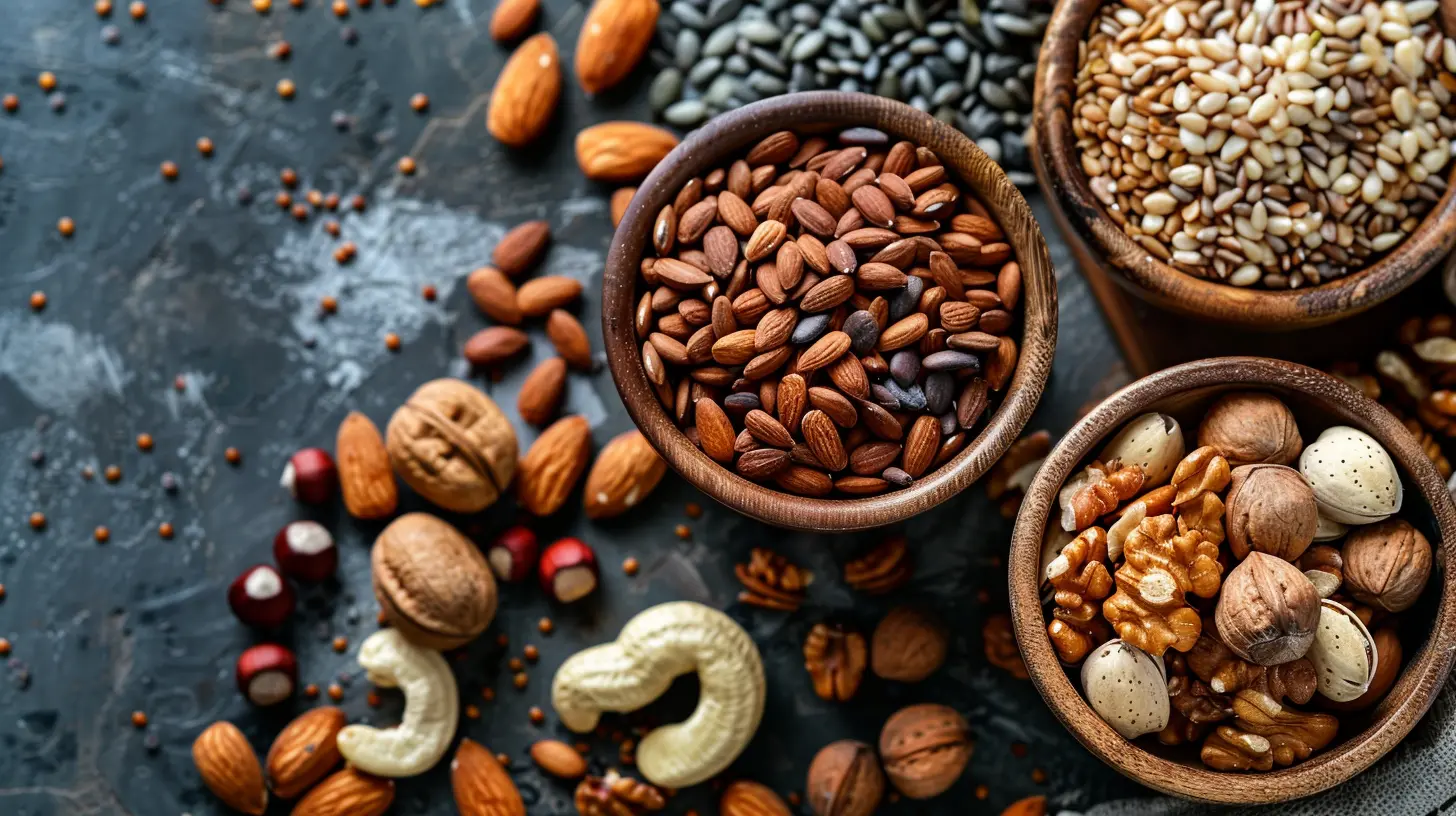
Are There Any Downsides?
Even though nuts and seeds are incredibly nutritious, there are a few things to keep in mind:- Portion Control Matters – They are calorie-dense, so moderation is key. A small handful (about 1 ounce) is usually enough to get the benefits without overeating.
- Allergies – Some people are allergic to nuts, so it's important to be mindful of that if you're introducing nuts into your diet for the first time.
- Oxalates and Antinutrients – Some nuts and seeds contain compounds like oxalates and phytic acid, which can interfere with nutrient absorption. Soaking and roasting can help minimize these effects.
The Final Nutshell
Nuts and seeds are some of the most nutrient-dense foods you can eat. Whether you're looking to improve heart health, boost brain power, or simply snack smarter, these tiny nutritional powerhouses have got you covered.The best part? They’re incredibly versatile! Whether you sprinkle them on salads, blend them into smoothies, or munch on them as a snack, there's no wrong way to enjoy the benefits of nuts and seeds.
So, the next time you’re reaching for a snack, ditch the chips and grab a handful of almonds or walnuts instead. Your body (and taste buds) will thank you!
all images in this post were generated using AI tools
Category:
Healthy ChoicesAuthor:

Laurie Barlow
Discussion
rate this article
2 comments
Savannah McConnell
Nuts and seeds are nutritional powerhouses, packed with healthy fats, protein, and essential vitamins. Incorporating them into your diet can boost heart health, support weight management, and improve overall well-being. Just remember to enjoy them in moderation, as their calorie density can add up quickly. Healthy snacking at its best!
March 24, 2026 at 4:54 AM
Laurie Barlow
Thank you for highlighting the benefits of nuts and seeds! Their nutritional value makes them a fantastic addition to a balanced diet, especially when enjoyed in moderation.
Preston McKee
Nuts and seeds are nutrient-packed powerhouses that enhance your diet with essential fats, protein, and antioxidants. Incorporate them for better health and vitality!
March 14, 2026 at 3:35 PM
Laurie Barlow
Absolutely! Nuts and seeds are fantastic additions to any diet, providing so many health benefits. They really boost nutrition in simple and delicious ways.