The Power of Daily Walks in Achieving Fat Loss Goals
25 May 2026
Let’s be real—losing fat isn’t always easy. Between trendy diets, high-intensity workouts, and a million experts telling you what’s “best,” it’s easy to get overwhelmed. But what if I told you one of the most underrated, ultra-effective fat loss tools is something you already know how to do (and can even do in your pajamas)? Yup, we’re talking about daily walks.
That’s right. Just walking.
It sounds almost too simple, doesn't it? But daily walking holds immense power in helping you burn fat, improve your health, and feel amazing—all without needing a gym membership or a closet full of fancy workout gear.
Let’s break down how a daily stroll (or power walk if you’re feeling spicy) can help you hit your fat loss goals, and why it might be the missing piece in your fitness puzzle.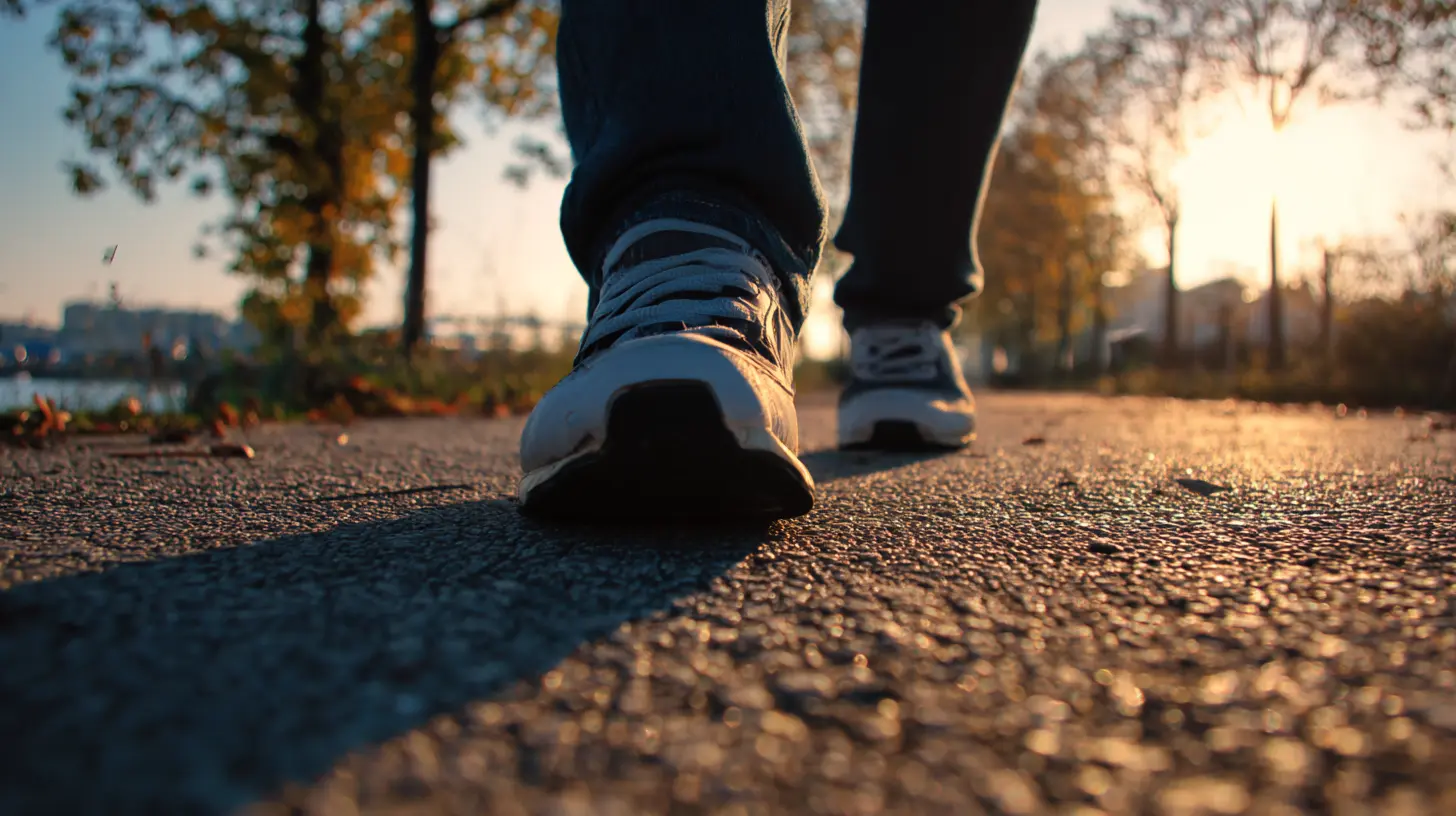
Why Walking Deserves More Respect
Think about it: walking is the OG of movement. Before workout apps and FitBits, we walked. Humans are literally built for it. It’s low-impact, free, and requires zero learning curve. But when it comes to burning fat, walking often gets pushed aside by its flashy cousin—high-intensity interval training (HIIT) or the latest boot camp trend.Here’s the thing—your body loves walking. It’s sustainable. You can do it every day without frying your nervous system or waking up feeling like you’ve been hit by a truck. And for fat loss, consistency is king.
Daily walks help you create a calorie deficit (the golden rule for fat loss), without stressing the body out. No cortisol spikes, no burnout—just steady, sustainable movement.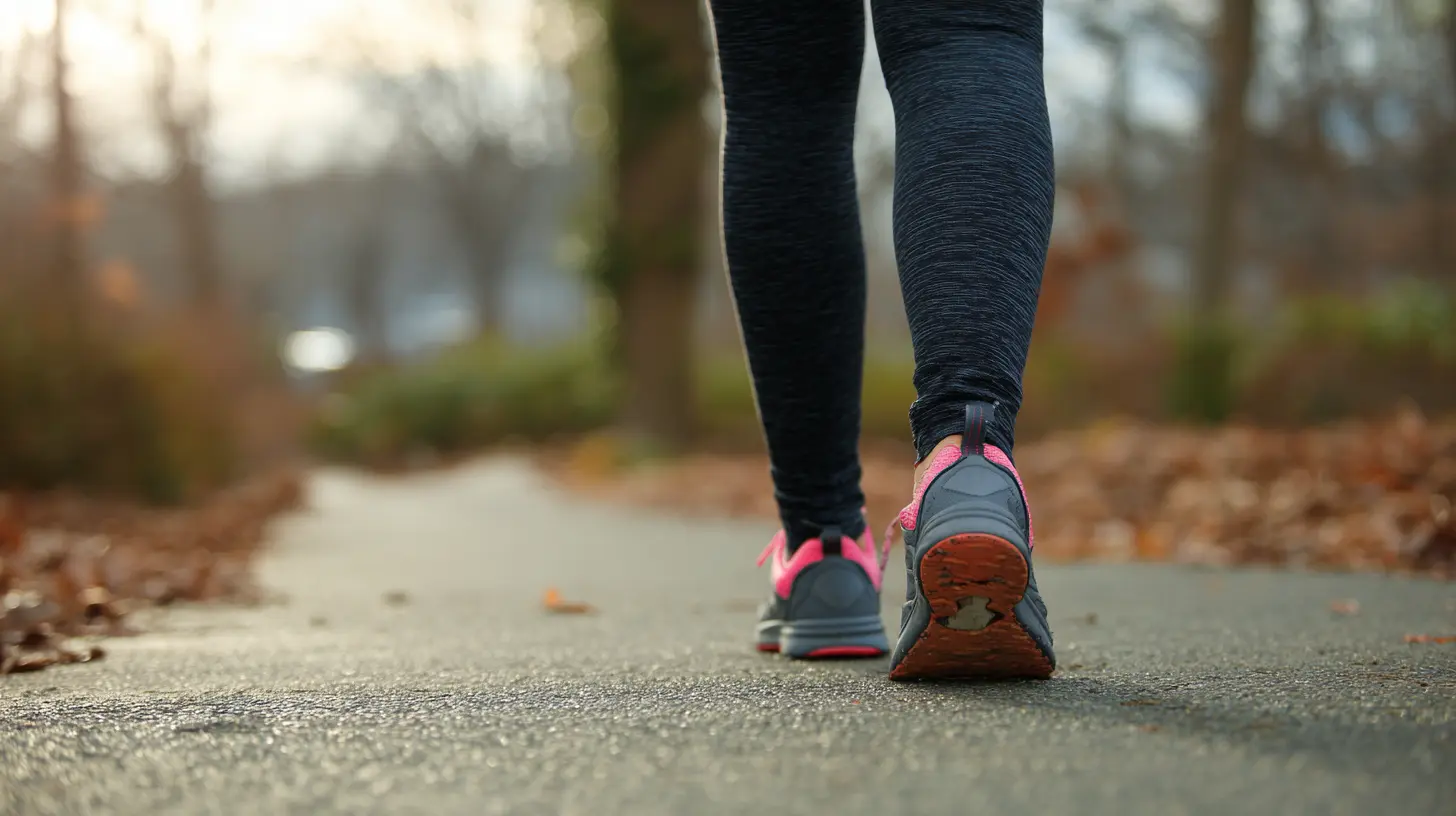
How Daily Walking Helps Burn Fat
Let’s nerd out for a second (don’t worry—it’s the fun kind of nerdy).1. ? Burns Calories without Feeling Like "Exercise"
Walking might not feel like a hardcore workout—and that’s exactly the point. It burns calories subtly, but consistently. A brisk 30-minute walk can torch 150-250 calories depending on your speed, body weight, and terrain.Do that daily, and you’re looking at an extra 1,000-1,500 calories burned per week. Stack that over a month? That’s major.
2. ?♀️ Promotes NEAT (Non-Exercise Activity Thermogenesis)
This is your body’s unsung hero. NEAT is all the energy you burn doing stuff that’s not sleeping, eating, or working out—like walking to the mailbox, cleaning your kitchen, or pacing during a phone call.Daily walking boosts your NEAT without you even realizing it, pushing your total daily energy expenditure (TDEE) up. In other words: the more you walk, the easier it becomes to burn fat without trying so hard.
3. ? Preserves Lean Muscle (While You Burn Fat)
Unlike intense workouts that can sometimes chew up muscle (especially if you’re dieting hard), walking helps preserve lean muscle mass. Why does that matter? Because the more lean mass you have, the faster your metabolic rate.So walking helps you burn fat without sacrificing muscle, keeping your body strong, toned, and efficient.
Walking vs. Running for Fat Loss
Running burns more calories per minute, no doubt. But it also ramps up appetite and recovery demands. Walking, on the other hand, is gentle and easier to recover from. This means you can do it more often and for longer periods without overtraining or getting sidelined by injuries.Let’s also face it—most of us don’t want to run miles every day. And that’s okay.
If fat loss is your goal, and sustainability is your secret weapon, walking wins the long game.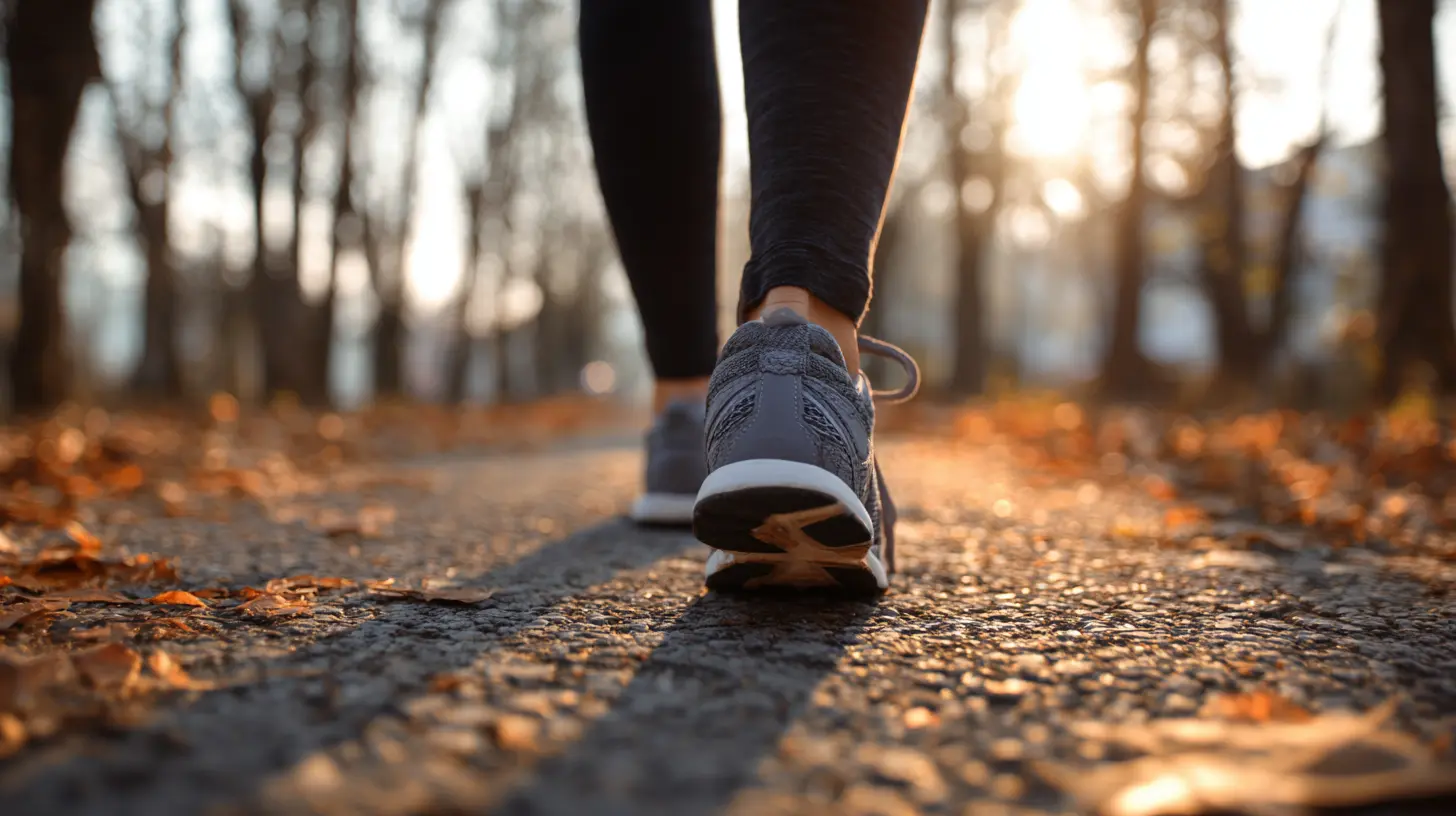
The Best Time to Walk for Fat Loss
Honestly? Anytime you can fit it in.But here are a few strategic windows that can maximize fat-burning:
1. ? Morning Fasted Walks
Walking before breakfast (a.k.a. fasted walking) may help tap into stored fat for fuel. It’s not magic, but it’s a solid way to start your day, clear your head, and get your metabolism humming.2. ? Post-Meal Walks
A short walk after meals (even just 10 minutes) helps regulate blood sugar and reduce insulin spikes. That equals less fat storage and better energy levels. It's a small habit with big payoffs.3. ? Evening Unwind Walks
Evening walks help shift your body from stress mode into rest-and-digest mode. You’re also clocking in extra steps without even realizing it. Plus, it’s a great way to wind down and get better sleep—also important for fat loss!How Many Steps Should You Aim For?
You’ve probably heard that 10,000 steps a day is the magic number. While it’s a great goal, the truth is—something is always better than nothing.If you’re starting fresh, aim for 5,000. Once that feels easy, bump it up to 7,000. Eventually, build toward 10,000 or more.
Pro tip: Break it into chunks throughout the day. 15 minutes before breakfast, 10 after lunch, another 20 in the evening—it adds up fast without feeling like a chore.
Walking Hacks to Accelerate Fat Loss
Ready to level up your walk game? Try these tips:1. ? Listen to a Podcast or Audiobook
Turn your walks into me-time. It makes the minutes fly by, and you’ll look forward to walking as part of your daily routine.2. ? Find Nature Trails
Walking outdoors, especially in green spaces, boosts mood and reduces stress—both key for fat loss. Fresh air > treadmill any day.3. ?♀️ Add Some Intervals
Speed up for 60 seconds, slow down for 2 minutes. Interval walking burns more calories and keeps things interesting.4. ? Carry Light Weights or a Backpack
Add a little resistance to your walk by carrying something small. Think of it as a gentle version of rucking—burns more calories, activates more muscles.Pair Walking with These Habits for Best Results
Walking alone is powerful—but when combined with smart lifestyle choices, fat loss becomes almost effortless.? Eat in a Calorie Deficit
You’ve heard it before, and it’s still true. You can’t out-walk a poor diet. Aim to eat nutrient-dense foods and keep your portions in check.? Prioritize Quality Sleep
Fat loss hormones (like leptin and ghrelin) depend on good sleep. Less sleep = more cravings, more fat storage.? Stay Hydrated
Drinking enough water keeps your metabolism humming and helps you avoid mistaking thirst for hunger.How Long Until You See Results?
Here’s the honest answer: it depends.Factors like diet, starting weight, walking intensity, and consistency all play a role. But most people notice mood boosts, better digestion, and lower stress within the first week.
In terms of fat loss? Expect to see noticeable results in 4–8 weeks with daily walking and clean eating. Slow and steady wins this race—and helps you keep the fat off for good.
Real Talk: Why Walking Beats Diet Fads & Burnout Workouts
Walking isn’t sexy. It’s not trendy. It won’t get you shredded in 6 days.But it works.
It’s the kind of habit that fits into real life. You don’t need to rearrange your schedule or force yourself into a gym. You just… walk. And that’s what makes it powerful.
If you’re sick of yo-yo diets, complicated workouts, and constantly feeling burnt out, make daily walking your first move. It might seem too simple to matter—but it just might be the game-changer you’ve been missing.
Sample Daily Walking Routine for Fat Loss
Here’s what a practical daily schedule could look like:| Time | Walk Duration | Purpose |
|-------|----------------|---------|
| 7:30 AM | 20 minutes brisk walk | Morning boost, kickstart metabolism |
| 12:45 PM | 10-minute walk after lunch | Digestion & blood sugar regulation |
| 6:00 PM | 30-minute casual stroll | Unwind, boost daily step count |
Total: ~60 minutes daily walking, done in bite-sized pieces. Super doable, right?
Takeaway: Walk Your Way Lean
Walking may not look like much from the outside—but make it a consistent part of your day, and it’ll quietly reshape your body, your mindset, and your health.So don’t underestimate the power of those daily steps. Lace up, head out, and let your feet do the fat-burning work.
Start small. Stay consistent. Watch the magic happen.
all images in this post were generated using AI tools
Category:
Fat LossAuthor:

Laurie Barlow
Discussion
rate this article
2 comments
Ivory Dillon
I love how simple daily walks can make such a difference! It's a great way to clear your mind while working towards those fat loss goals. Keep it up!
July 8, 2026 at 3:10 PM
Pearl McGuire
Daily walks are an easy and effective way to support fat loss. Consistency makes a real difference over time.
June 3, 2026 at 3:08 AM