The Mental Health Impact of Living with Severe Food Allergies
4 February 2026
Imagine walking into a restaurant and instead of being excited about the delicious food, you're scanning the menu like a detective. Every ingredient, every cross-contact possibility—it all matters because one wrong bite could land you in the hospital. That's the reality of living with severe food allergies. And while the physical risks are well-documented, the mental and emotional toll often gets overlooked.
Living with a food allergy isn't just about avoiding peanuts, shellfish, or dairy. It's about navigating a world that isn’t always accommodating or understanding. The constant fear, anxiety, and stress can take a huge toll on mental health. So, let's talk about it.

The Emotional Rollercoaster of Food Allergies
1. Anxiety and Hypervigilance
If you have severe food allergies, you know what it's like to be on high alert all the time. Eating out? You have to double—and triple-check—everything. Buying packaged food? You’re reading labels like a scientist analyzing data. Even social gatherings can feel like a battlefield.The fear of an allergic reaction isn't irrational. It's survival instinct. But when that fear becomes overwhelming, it can trigger chronic anxiety, making social situations and even everyday meals stressful. Some people develop food anxiety, where they avoid eating altogether because the fear of an allergic reaction overshadows their hunger.
2. Social Isolation and Loneliness
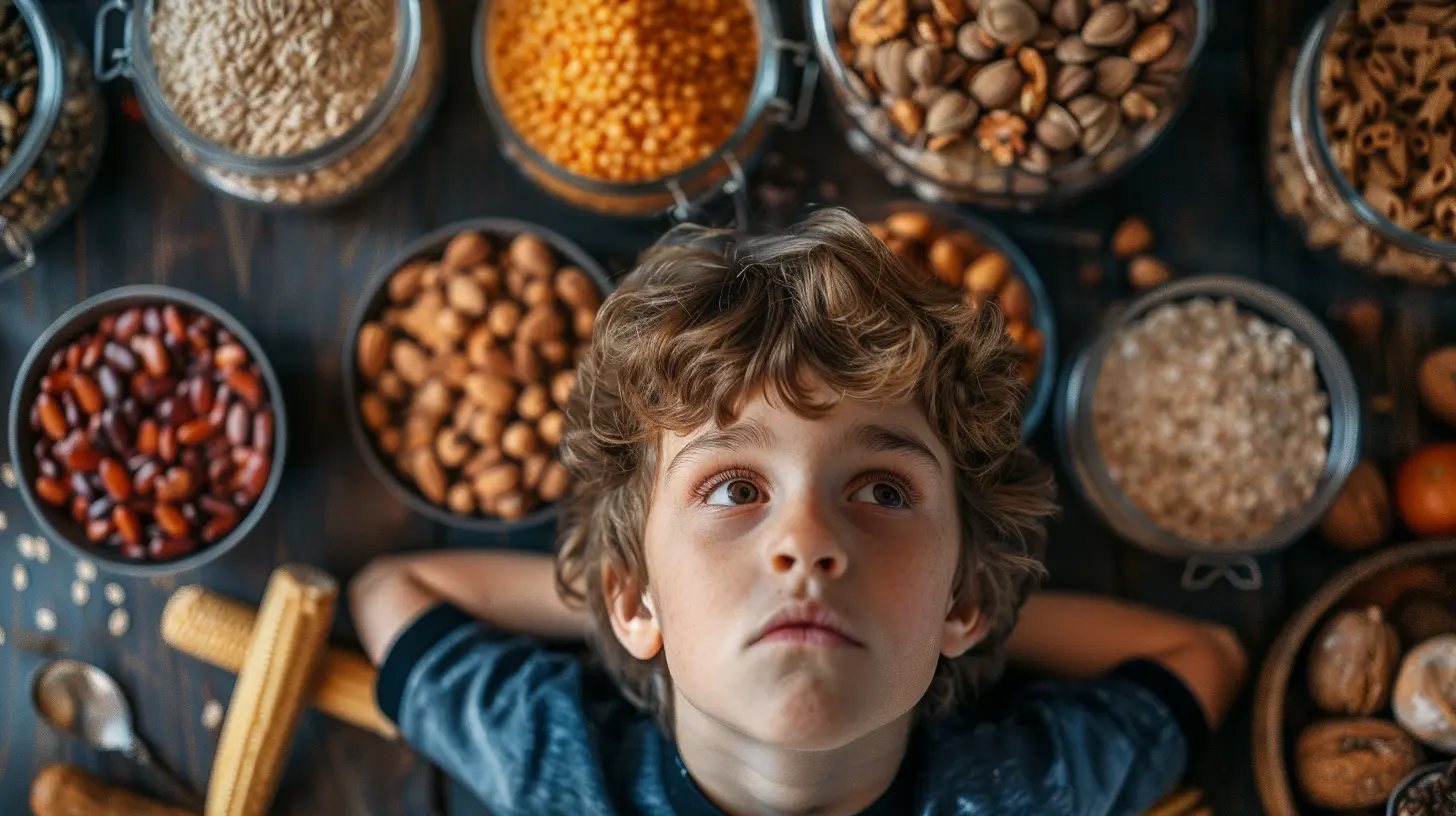
Imagine getting invited to a birthday party, but you can’t eat the cake, the snacks, or sometimes even the main course. It’s exhausting having to explain (again) why you can't just take a bite. In some cases, people with food allergies start avoiding social gatherings altogether because it's easier than constantly worrying about food safety.Kids with severe allergies often feel left out when their friends enjoy treats they can't have. And adults? They may skip dinner with friends because it's easier to cook at home where they control the ingredients. Over time, this can lead to loneliness and even depression.
3. Fear of Being a Burden
Nobody wants to feel like they're the "difficult one." But when you have severe food allergies, you often have to ask for accommodations. "Can you use a clean pan?" "Are there nuts in this?" "Could you check the label for me?"While most people are understanding, there’s always the worry of being seen as annoying or overly demanding. Some individuals even downplay their allergies to avoid inconveniencing others—something that can be incredibly dangerous.

The Mental Toll on Parents and Caregivers
It's not just the person with food allergies who suffers. Parents of children with severe allergies often experience anxiety, guilt, and even trauma. Sending a child to school, playdates, or camp can feel terrifying when you know one mistake could be life-threatening.Many parents of allergic children experience hypervigilance, ensuring their child’s environment is safe at all times. But this can lead to burnout and stress. It’s a heavy emotional load to carry, and many parents struggle with feelings of isolation or helplessness.
Long-Term Effects on Mental Health
1. Post-Traumatic Stress Symptoms (PTSS)
A severe allergic reaction (anaphylaxis) can be a traumatic experience. The sudden onset of symptoms, the rush to the hospital, and the fear of not making it in time—it’s a life-or-death situation. Studies have shown that people who experience life-threatening allergic reactions may develop post-traumatic stress symptoms (PTSS).This can result in flashbacks, nightmares, and extreme food-related anxiety. Even the smell of an allergen can trigger panic in someone who has had a serious reaction before.
2. Eating Disorders and Avoidant Restrictive Food Intake Disorder (ARFID)
Some individuals with severe food allergies develop Avoidant/Restrictive Food Intake Disorder (ARFID)—a condition where they start avoiding food due to fear of an allergic reaction. Unlike other eating disorders, ARFID isn’t about body image but rather about self-preservation.People with ARFID may avoid eating at restaurants, social events, or even meals prepared by others due to fear of contamination. This can lead to nutritional deficiencies and further compound mental health struggles.

Coping Strategies: Managing the Mental Health Effects
While living with food allergies is challenging, there are ways to support mental well-being and reduce stress.1. Therapy and Counseling
Talking to a therapist—especially one who specializes in health anxiety—can be incredibly beneficial. Cognitive-behavioral therapy (CBT) can help individuals manage fear, develop coping strategies, and reframe negative thought patterns related to food allergies.2. Building a Support System
You don’t have to go through this alone. Joining food allergy support groups, whether in-person or online, can help build a sense of community. Connecting with others who understand your struggles can be extremely validating and comforting.3. Education and Preparedness
Knowledge is power. The more you understand about your allergy and how to handle reactions, the more confident you'll feel. Always carrying an epinephrine auto-injector (EpiPen), knowing how to advocate for yourself, and educating friends and family can help ease anxiety.4. Mindfulness and Stress-Management Techniques
Practicing mindfulness, meditation, or deep-breathing exercises can help manage stress and anxiety related to food allergies. Journaling fears or emotions can also be a great way to process feelings.5. Finding Joy in Safe Foods
Instead of focusing on what you can’t eat, try to embrace what you can. Experiment with allergy-friendly recipes, find safe restaurants, and enjoy cooking meals that bring you comfort. Creating positive food experiences can help lessen the fear associated with eating.Final Thoughts
Living with severe food allergies is more than just a physical challenge—it takes a toll on mental health as well. The constant vigilance, fear of reactions, and social limitations can lead to anxiety, isolation, and even PTSD-like symptoms. But by acknowledging these struggles, seeking support, and using coping strategies, individuals with food allergies can find ways to live both safely and joyfully.If you or someone you love has severe food allergies, remember: you’re not alone. Your feelings are valid, and your safety is important. Prioritizing mental health is just as essential as managing physical health. After all, life is about more than just avoiding allergens—it’s about truly living.
all images in this post were generated using AI tools
Category:
Food AllergiesAuthor:

Laurie Barlow
Discussion
rate this article
2 comments
Riven McCray
Living with severe food allergies is like being in a relationship with a strict dietician—always checking labels and saying 'no' to cake. My social life misses carbs!
February 17, 2026 at 3:46 AM
Laurie Barlow
I completely understand! Navigating social situations with food allergies can be challenging and isolating. It's important to find ways to enjoy life while prioritizing your health.
Matteo Mercado
Living with severe food allergies can be isolating and stressful; it's crucial to address the mental health implications alongside physical health.
February 14, 2026 at 4:18 AM
Laurie Barlow
Absolutely, the mental health implications of severe food allergies are significant and deserve as much attention as physical health. It's vital to foster understanding and support for those affected.