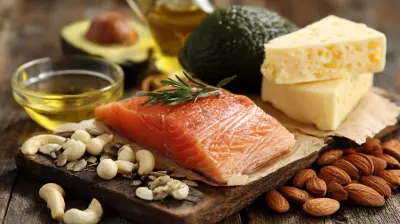
The Importance of Healthy Fats in a Ketogenic Diet
26 April 2026
The ketogenic (or keto) diet has taken the health and fitness world by storm. And there's a good reason for it! By drastically reducing carbs and increasing fat intake, the keto diet pushes the body into ketosis – a metabolic state where fat becomes the primary source of fuel instead of carbohydrates.
But here’s the real question: Are all fats created equal? Absolutely not! The type of fat you consume plays a massive role in not only your weight loss success but also your long-term health. The right fats can enhance energy, brain function, and even reduce inflammation. On the other hand, the wrong fats? They can do more harm than good.
So, let’s break it down. Why are healthy fats so essential in a ketogenic diet, and which ones should you prioritize?
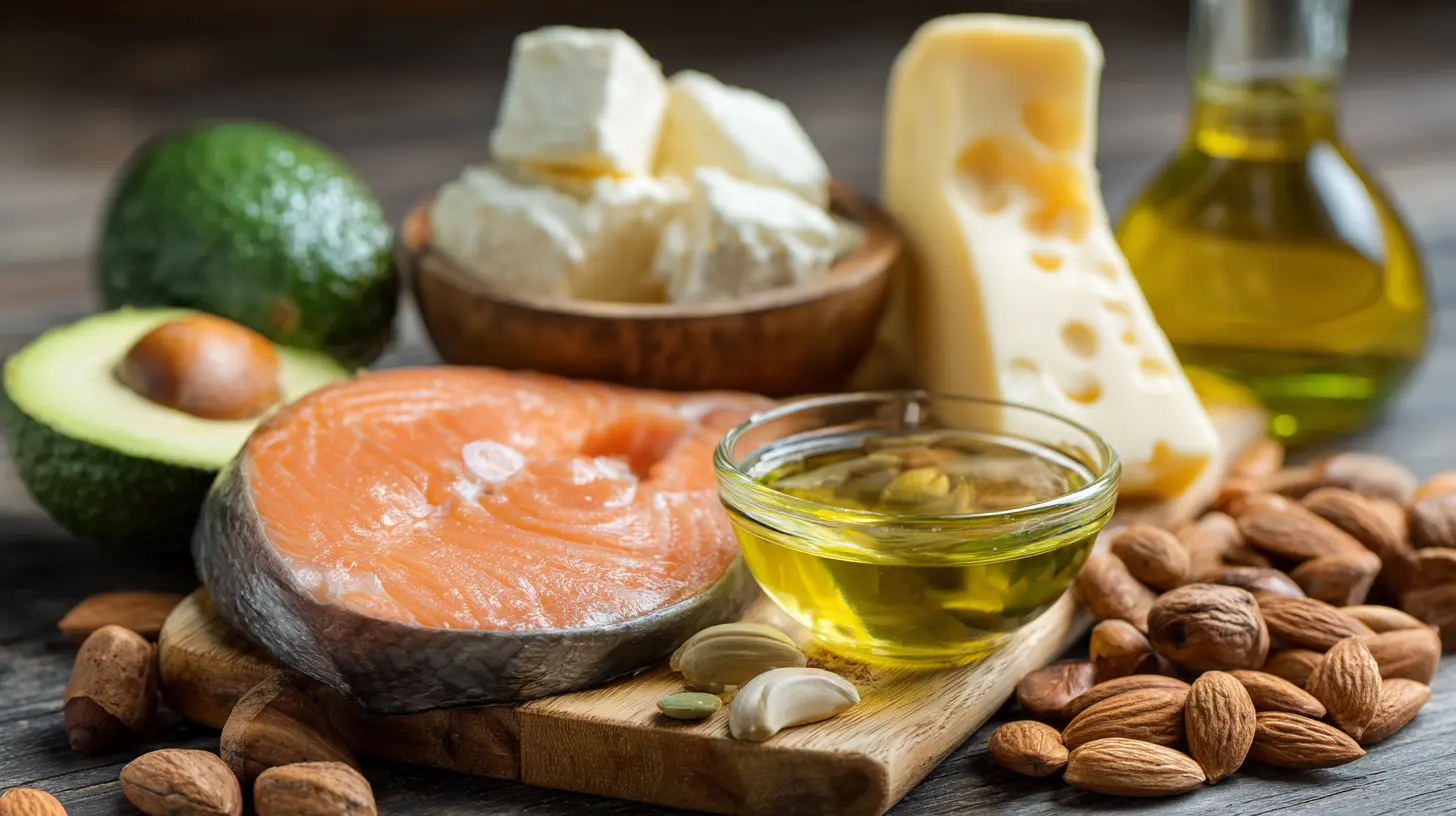
Understanding the Role of Fats in Ketosis
When you follow a typical high-carb diet, your body primarily relies on glucose (from carbs) for energy. But on a ketogenic diet, carbs are significantly reduced, and your body starts looking for an alternative fuel source. This is where fats come in.Once you cut out carbs, your liver begins breaking down fats into ketones, which then serve as the body's main energy source. This shift not only helps with weight loss but also stabilizes blood sugar levels, boosts mental clarity, and enhances overall well-being.
But here’s the catch: eating just any fat won’t cut it. Healthy fats nourish your body, while unhealthy fats can contribute to inflammation, heart disease, and other health issues.
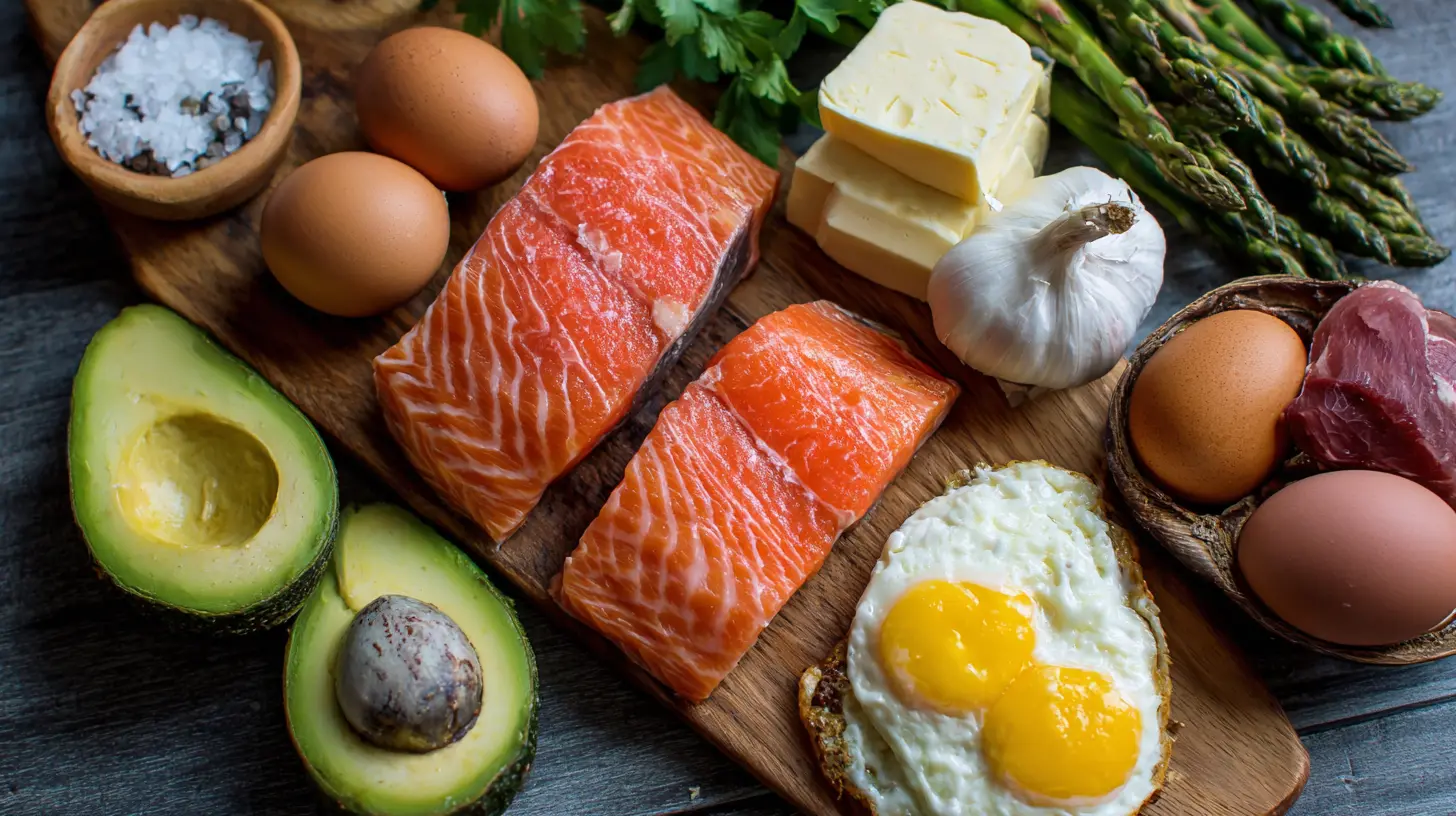
The Different Types of Fats
Before we dive into which fats are best for a ketogenic diet, it’s essential to understand the different types of fats and how they affect your health.1. Saturated Fats: The Good Guys
Saturated fats have been demonized for years, but research now shows they aren't the villains they were once thought to be. These fats are stable at high temperatures, making them ideal for cooking. They're also beneficial for hormone production, brain function, and even heart health (contrary to outdated beliefs).Best sources:
- Grass-fed butter
- Coconut oil
- MCT oil
- Ghee
- Fatty cuts of grass-fed meat
2. Monounsaturated Fats: Heart-Healthy Powerhouses
These fats are fantastic for heart health, reducing bad cholesterol while increasing good cholesterol. They’re also loaded with antioxidants and anti-inflammatory properties.Best sources:
- Extra virgin olive oil
- Avocados
- Macadamia nuts
- Almonds
- Olives
3. Polyunsaturated Fats: Omega-3 vs. Omega-6
Polyunsaturated fats are a mixed bag. They include both omega-3 and omega-6 fatty acids. While omega-3s are incredibly beneficial for brain and heart health, omega-6s can be problematic if consumed in excess (which most people do). A balanced intake is crucial.Best sources of Omega-3:
- Wild-caught fatty fish (salmon, mackerel, sardines)
- Chia seeds
- Flaxseeds
- Walnuts
Limit sources of Omega-6:
- Processed vegetable oils (soybean oil, corn oil, sunflower oil)
- Fried and processed foods
4. Trans Fats: The Ones to Avoid
Artificial trans fats are the real enemy. Found in many processed and fast foods, these fats increase inflammation, raise bad cholesterol (LDL), and are linked to numerous diseases.Worst sources:
- Margarine
- Hydrogenated oils
- Packaged baked goods
- Fast food
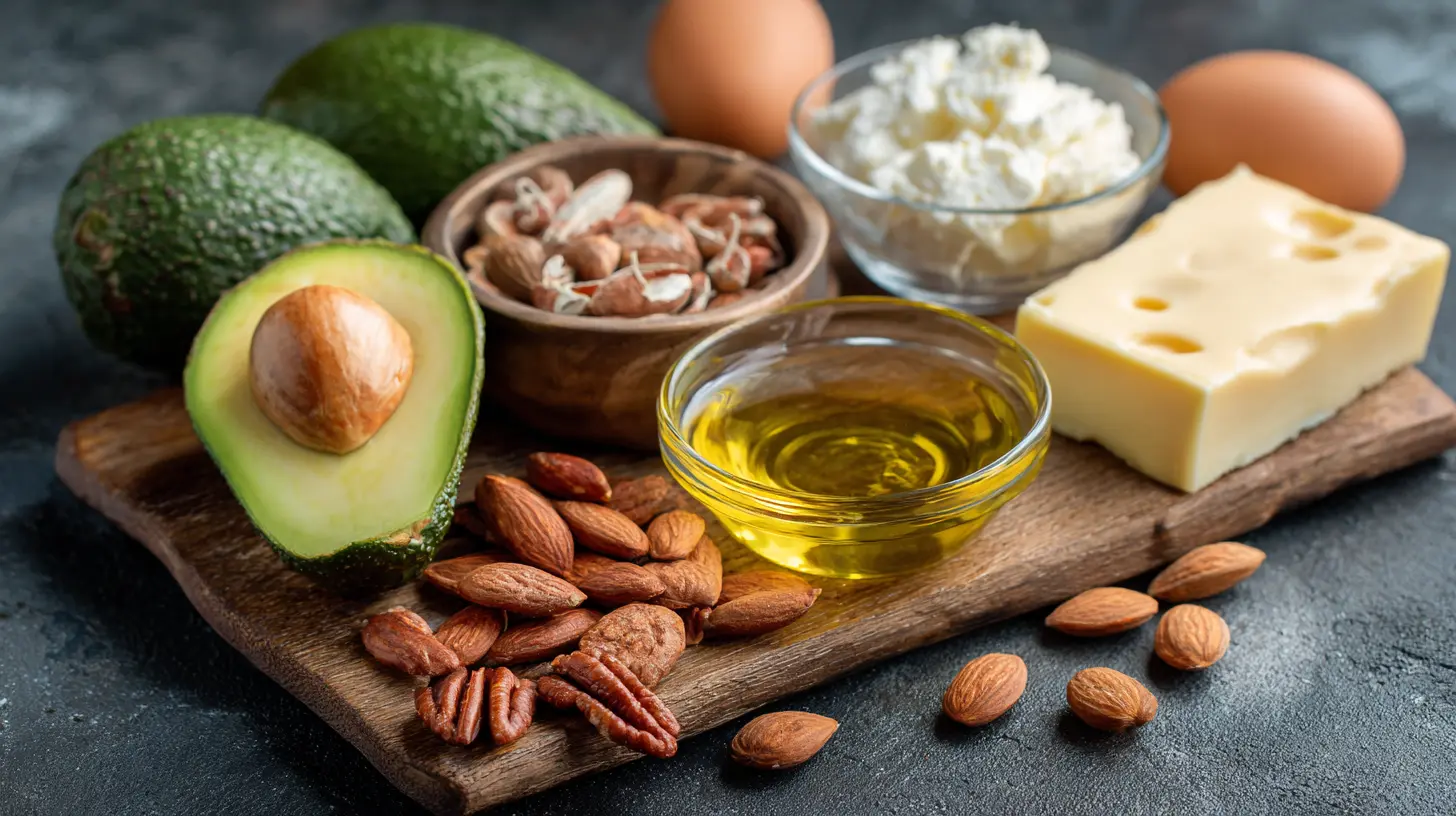
Why Healthy Fats Matter on Keto
Now that we know which fats to eat (and which to avoid), let’s talk about why healthy fats are so critical on a ketogenic diet.1. Sustained Energy and Fat Burn
Fats are the most energy-dense macronutrient, providing steady fuel without the sugar crashes that come with carbs. When you consume healthy fats, you’re essentially giving your body premium-grade fuel to burn throughout the day.2. Supports Brain Function and Mental Clarity
Your brain is nearly 60% fat, so it makes sense that the type of fat you consume directly impacts cognitive function. Healthy fats, especially omega-3s and MCTs, can improve memory, focus, and even reduce the risk of neurodegenerative diseases like Alzheimer’s.3. Reduces Inflammation
Chronic inflammation is at the root of many modern diseases, from heart disease to autoimmune conditions. Healthy fats, particularly monounsaturated and omega-3s, have powerful anti-inflammatory properties that help keep your body in balance.4. Balances Hormones and Improves Mood
Fats play a vital role in hormone production, including important hormones like testosterone and estrogen. A well-balanced fat intake can help regulate mood, reduce stress, and improve mental well-being.5. Keeps You Feeling Full and Satisfied
Ever notice how eating healthy fats keeps hunger at bay for hours? That’s because fats slow down digestion and help regulate ghrelin (the hunger hormone). Unlike carbs, which cause blood sugar spikes and crashes, fats keep your appetite stable.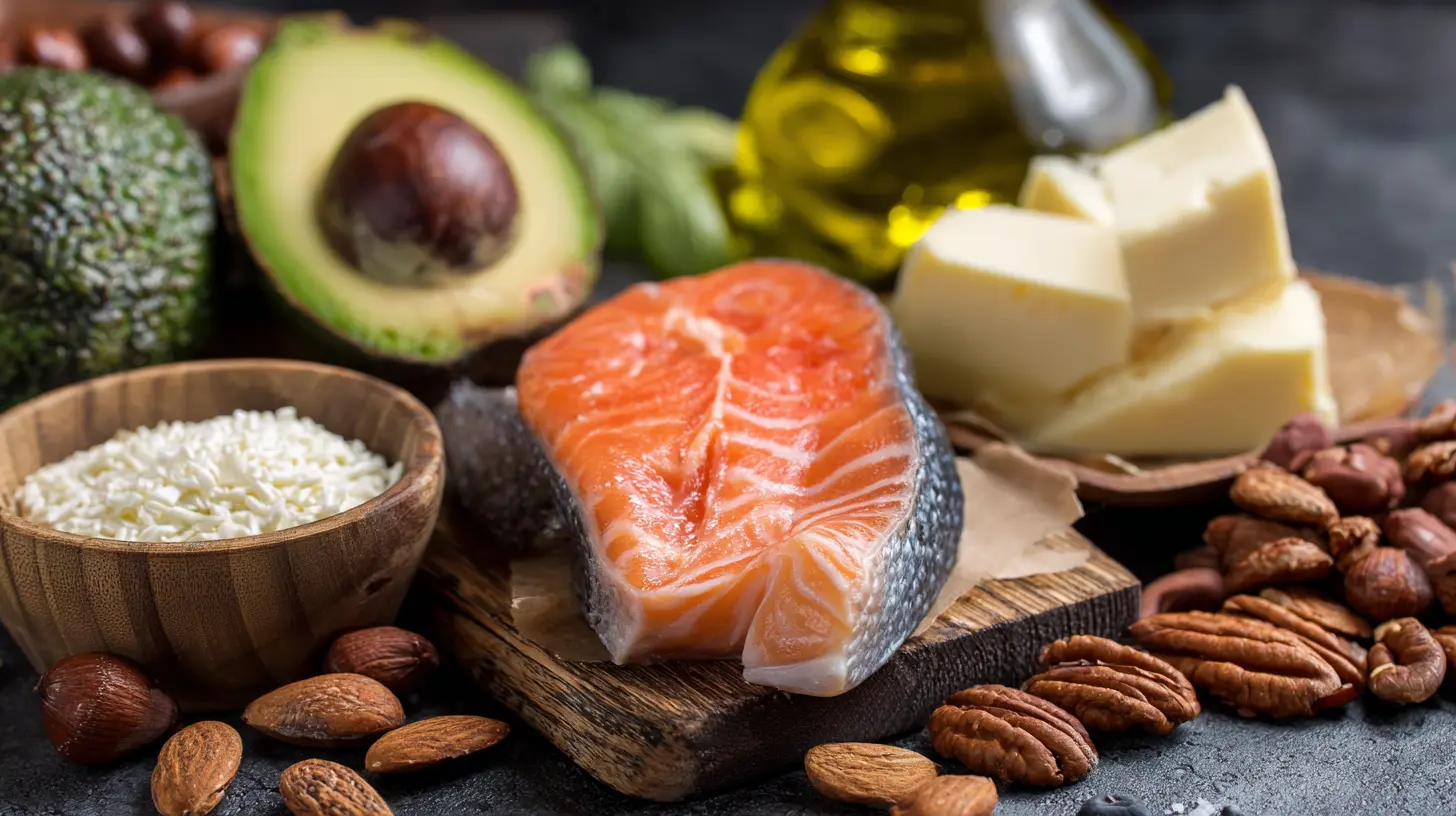
The Best Healthy Fats to Incorporate in Your Keto Diet
To truly thrive on keto, it’s essential to focus on nutrient-dense fats. Here are some of the best choices:- Coconut oil & MCT oil – Boosts ketone production and provides quick energy
- Avocados & avocado oil – Great for heart and brain health
- Grass-fed butter & ghee – Rich in fat-soluble vitamins
- Extra virgin olive oil – Loaded with antioxidants
- Wild-caught fatty fish – Excellent source of omega-3s
- Nuts & seeds (in moderation) – Healthy fats and micronutrients
Mistakes to Avoid When Eating Fats on Keto
While loading up on fats is essential on keto, there are some common mistakes to avoid:1. Overloading on Processed Fats
Just because something is high in fat doesn’t mean it’s good for you. Stick to whole, unprocessed fats instead of processed oils and packaged keto-friendly snacks.2. Ignoring Omega-6 to Omega-3 Ratios
Too much omega-6 from vegetable oils can lead to inflammation. Balance it with omega-3-rich foods like fatty fish and flaxseeds.3. Not Eating Enough Saturated and Monounsaturated Fats
Many people fear saturated fats due to old misconceptions, but they’re essential for energy, hormone production, and brain function on keto.4. Consuming Too Many Dairy-Based Fats
While cheese and heavy cream are keto-friendly, they can be inflammatory for some people. Moderation is key!
Final Thoughts
Healthy fats are the backbone of a successful ketogenic diet. Not only do they fuel your body in ketosis, but they also play a crucial role in brain function, hormone balance, and overall health. The key is to focus on high-quality sources like avocados, olive oil, coconut oil, and fatty fish while avoiding unhealthy trans fats and processed oils.So, next time you build your keto plate, remember—fat is your friend, but only if you’re choosing the right kinds!
all images in this post were generated using AI tools
Category:
Healthy FatsAuthor:

Laurie Barlow
Discussion
rate this article
2 comments
Lola McCray
Great article! It's refreshing to see the focus on healthy fats in a ketogenic diet. They really do play a crucial role in keeping our bodies energized and satisfied. I love how you broke down the benefits-definitely inspired to incorporate more avocados and nuts into my meals. Thanks for the tips!
May 17, 2026 at 3:23 AM
Laurie Barlow
Thanks for the feedback! I'm glad you found the article helpful and that you're inspired to add more healthy fats to your meals. Enjoy those avocados and nuts!
Ruby McQuaid
Healthy fats: the tasty way to keep your brain sharp and your avocado toast happy!
May 4, 2026 at 4:52 AM
Laurie Barlow
Absolutely! Healthy fats are essential not just for brain health but also for making meals like avocado toast truly enjoyable.