The Impact of Social Media on Mental Focus and How to Restart
11 July 2026
Social media is a double-edged sword. On one hand, it connects us, entertains us, and keeps us informed. On the other, it silently chips away at our ability to focus. Ever find yourself scrolling for "just five minutes," only to look up and realize an hour has vanished? You’re not alone. The truth is, social media rewires our brains, altering how we process information and maintain attention.
But here’s the good news: you can take back control. In this article, we’ll dive into how social media affects your mental focus and, more importantly, how to restart your brain for better concentration and productivity.

How Social Media Affects Mental Focus
1. The Endless Distraction Loop
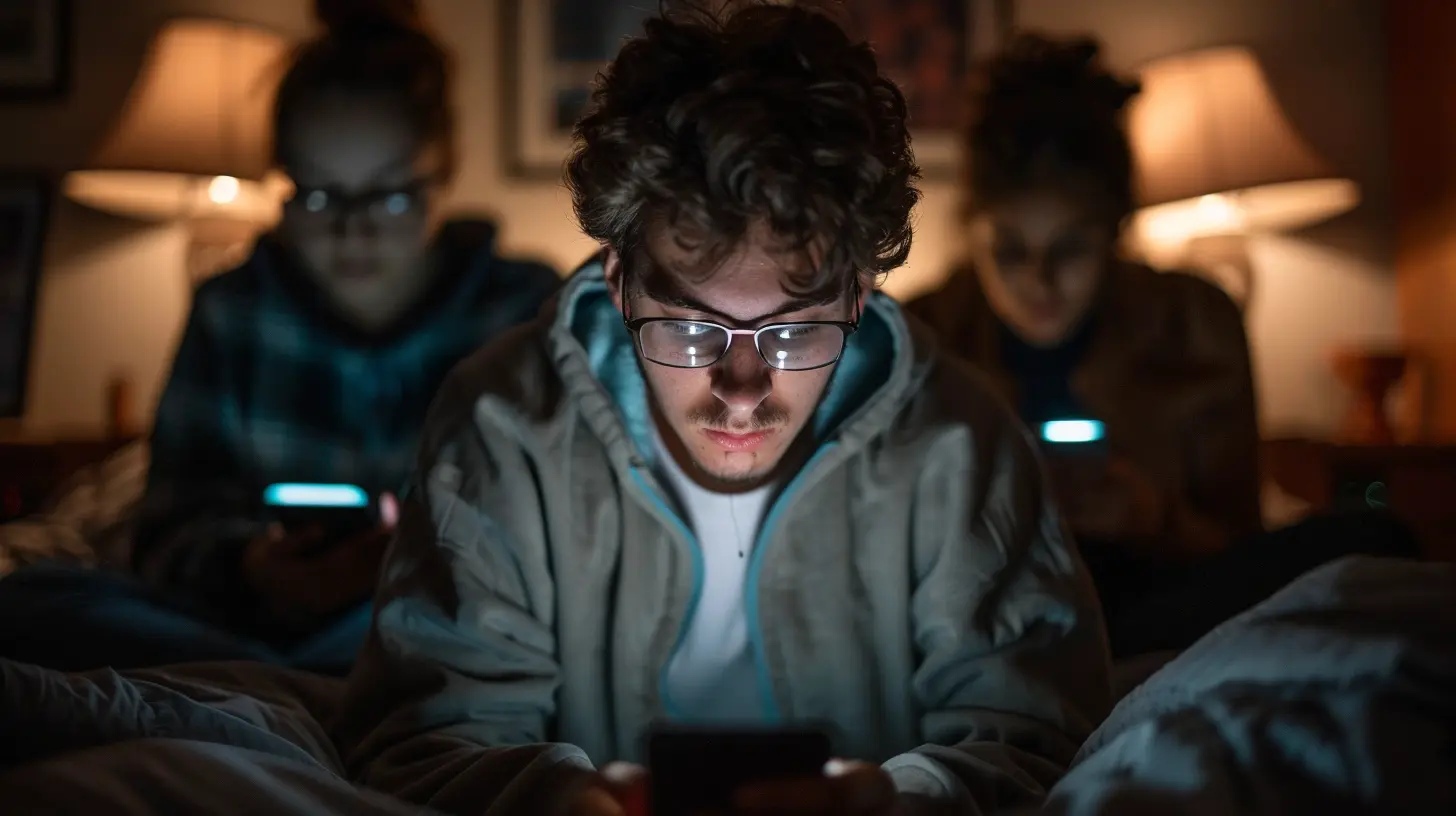
Social media platforms are designed to keep us hooked. Every notification, like, comment, and share triggers a dopamine hit—the brain’s reward chemical. It feels good in the moment, but over time, we become addicted to these quick bursts of pleasure, making it harder to focus on tasks requiring deep concentration.Think of it like snacking on junk food all day. It might satisfy you short-term, but it leaves you drained and unable to focus on real nourishment when it’s time for a proper meal.
2. Shorter Attention Spans
Ever noticed how you struggle to read long articles or stay engaged in deep conversations? Social media conditions our brains to crave fast, easy-to-digest content—think bite-sized tweets, short reels, and quick dopamine hits. The more time we spend scrolling, the harder it becomes to focus on anything that requires sustained attention.3. Increased Anxiety and Mental Overload
We are constantly bombarded with information—news, opinions, drama, and updates from hundreds (if not thousands) of people. Our brains aren’t wired to process so much at once. This leads to mental fatigue, stress, and an inability to focus on things that truly matter.Imagine your brain as a computer with too many tabs open. Eventually, it lags, crashes, or burns out.
4. Sleep Disruptions
How often do you check your phone right before bed? Scrolling through social media at night exposes you to blue light, which interferes with melatonin production—the hormone responsible for sleep. Poor sleep leads to brain fog, decreased focus, and lower productivity the next day.
How to Restart Your Brain and Regain Focus
Now that we understand how social media affects our attention span, let’s talk about solutions. The goal isn’t to quit social media altogether (although a break never hurts), but rather to create a healthier balance.1. Set Screen Time Limits
Be intentional with your social media use by setting daily limits. Most smartphones have built-in tools to track screen time. Use them! Limit your usage to specific time windows, like 30 minutes in the morning and 30 minutes in the evening.If you struggle with self-control, apps like Freedom or StayFocusd can help by blocking social media after you’ve hit your daily limit.
2. Create a Social Media-Free Morning Routine
How you start your morning sets the tone for the rest of the day. If you reach for your phone first thing, you’re training your brain to seek instant gratification. Instead, try a morning routine without social media—read a book, meditate, exercise, or journal before diving into the digital world.3. Practice the 2-Minute Rule
Every time you feel the urge to check social media, pause for two minutes. Take a deep breath, stretch, or do a quick mental check-in. More often than not, you’ll realize the urge was just a habit, not a real need.4. Use the Pomodoro Technique
If social media distractions make it hard to focus on work or study, the Pomodoro Technique can help. It involves working in 25-minute chunks with 5-minute breaks in between. After four sessions, take a longer break. This keeps your mind engaged while preventing burnout.5. Engage in Deep Work
Social media trains us to multitask, hopping from one thing to another. But real productivity comes from deep work—fully immersing yourself in a single task. Set aside distraction-free time where your phone is out of reach, and challenge yourself to focus intensely for extended periods.6. Digital Detox Days
Try dedicating one day a week to a social media detox. No scrolling, no notifications—just real-life engagement. Use this time to reconnect with nature, read a book, or have meaningful conversations. You’ll be surprised at how refreshed you feel afterward.7. Curate Your Feed
Your social media experience is only as good as the content you consume. Unfollow accounts that make you feel anxious, unproductive, or inadequate. Instead, follow pages that inspire, educate, and bring you joy.8. Replace Scrolling with Meaningful Activities
Whenever you reach for your phone out of boredom, ask yourself: “What else could I be doing right now?” Instead of mindless scrolling, channel that energy into something productive—drawing, exercising, learning a new skill, or even just sitting in silence and allowing your mind to rest.9. Prioritize Real-Life Connections
Social media creates the illusion of connection, but nothing replaces face-to-face interactions. Make it a habit to spend more time with friends and family in the real world. Go for a coffee, take a walk, or just sit and talk without the distraction of screens.10. Get Enough Sleep
Since social media disrupts sleep, set a digital curfew—at least an hour before bed, put your phone away. Instead, wind down with a book, gentle stretching, or relaxation techniques. Your brain will thank you in the morning.
Final Thoughts
Social media isn’t the enemy—it’s how we use it that matters. By setting boundaries, creating healthier habits, and prioritizing real-world experiences, we can reclaim our mental focus and live more intentional, fulfilling lives.Your brain deserves a break. It’s time to restart, regain focus, and take back control. Are you ready?
all images in this post were generated using AI tools
Category:
Mental ClarityAuthor:

Laurie Barlow