The Impact of Chronic Stress on Brain Function and Clarity
26 June 2026
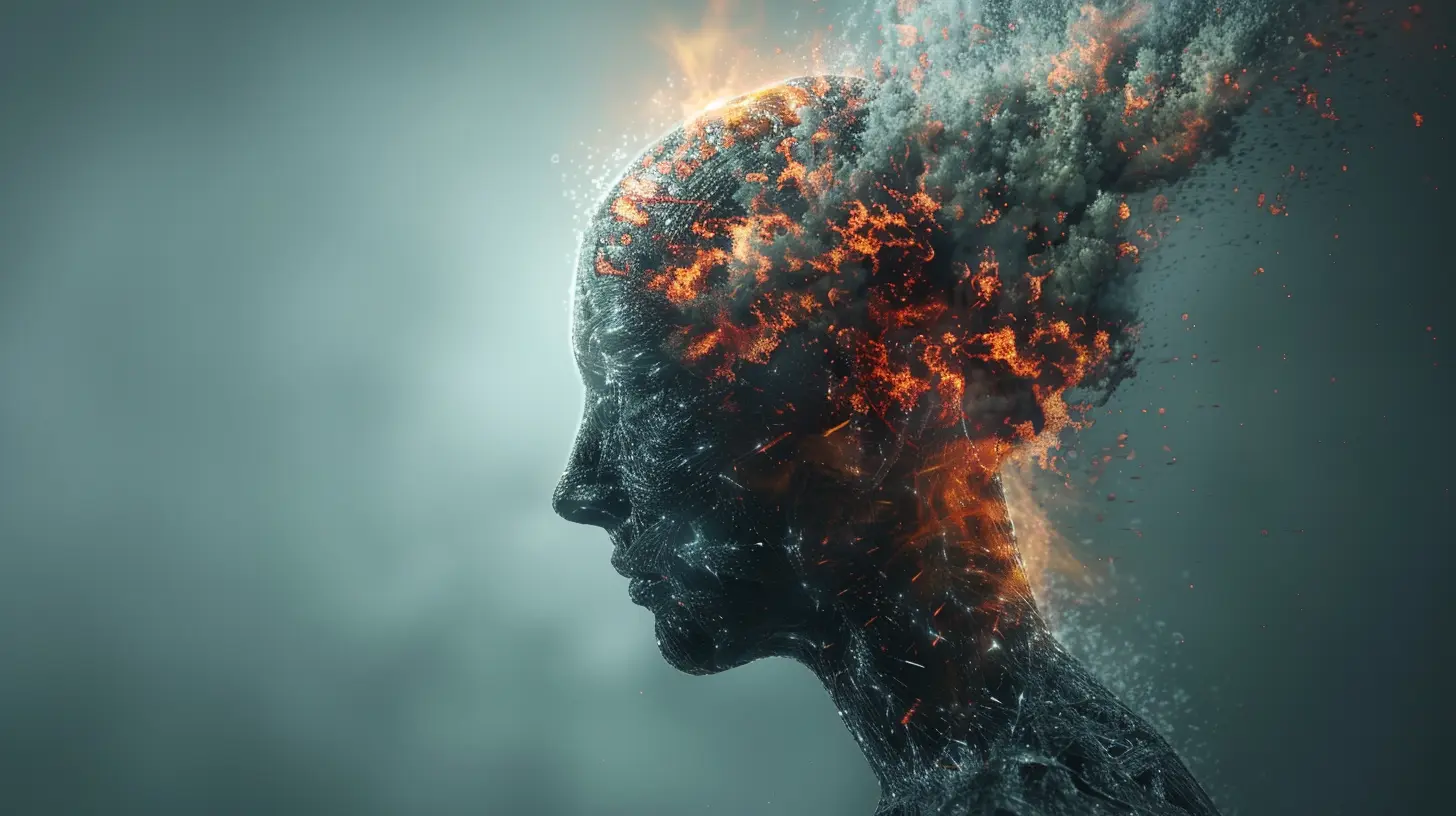
Have you ever felt like your brain is wrapped in a fog so thick you could get lost in it? You're not alone. Chronic stress does this to us—stealthily creeping in, hijacking our mental clarity, and making even the simplest tasks feel like climbing Mount Everest. But what exactly is happening inside that marvelous mind of yours? Let’s dive in and unravel the tangled mess that is chronic stress and its impact on brain function.
What Is Chronic Stress?
Before we get into the nitty-gritty, let's define what we’re dealing with. Stress, in short bursts, is actually beneficial—it’s your body’s way of keeping you alert and ready for action. But when stress lingers for days, weeks, or even months, it turns into chronic stress. And that's when things start going haywire, especially in your brain.
The Brain Under Siege: How Chronic Stress Affects Brain Function
Chronic stress doesn’t just make you feel overwhelmed—it physically alters your brain. Let's break down some of the major ways prolonged stress messes with that gray matter of yours.1. Memory Loss: Who Stole My Thoughts?
Ever walk into a room and forget why you’re there? Or struggle to recall a word that’s hanging on the tip of your tongue? Chronic stress can wreak havoc on your memory, particularly in the hippocampus—the part of the brain responsible for learning and memory.When your body is under constant stress, it releases an abundance of cortisol, a stress hormone. While cortisol is useful in short bursts, too much of it can shrink the hippocampus. This makes it harder to form new memories and retrieve old ones. No wonder you keep forgetting where you left your phone!
2. Mental Fog: The Brain's Version of a Traffic Jam
Ever feel like your brain is moving in slow motion, like wading through molasses? This is what’s commonly known as “brain fog.” Chronic stress overloads the brain with information it struggles to process, making concentration and decision-making incredibly difficult.With high cortisol levels constantly bombarding your brain, neural pathways become clogged, much like a traffic jam during rush hour. The result? Slower thinking, lack of focus, and that frustrating feeling of being mentally "stuck."
3. Increased Anxiety and Mood Swings
Have you noticed that when you're stressed for too long, you're either snapping at people for no reason or feeling anxious about things that normally wouldn’t bother you? That’s because chronic stress disrupts the balance of neurotransmitters like dopamine and serotonin—your brain’s natural mood regulators.When these important chemicals are out of whack, you're more prone to anxiety, irritability, and even depression. It’s like your brain’s emotional thermostat is broken, swinging wildly between extremes with no relief in sight.
4. Poor Sleep: The Midnight Overthinking Olympics
If you’ve ever lain in bed staring at the ceiling, replaying the day’s events or worrying about tomorrow’s to-do list, you already know the toll stress takes on sleep. Chronic stress overstimulates the amygdala—the fear-processing center of the brain—keeping you on high alert even when it’s bedtime.This leads to restless nights, grogginess during the day, and, you guessed it, even more stress. It’s a vicious cycle that keeps your brain running on fumes.
5. Weakened Decision-Making Skills
Ever made a bad decision when you were stressed? Maybe you blurted out something you shouldn’t have or impulsively bought something way out of budget. That’s because chronic stress weakens the prefrontal cortex—the part of your brain responsible for logical thinking and problem-solving.When stress kicks in, the prefrontal cortex takes a backseat, leaving the emotional, reactive part of the brain in charge. And let’s be honest, that part isn’t always the best at making rational decisions.

How to Combat Chronic Stress and Boost Brain Clarity
Now that we’ve uncovered the damage chronic stress can do, the good news is that you’re not powerless against it! Let’s explore some simple, effective ways to reduce stress and give your brain the clarity it craves.1. Prioritize Sleep Like Your Brain Depends on It (Because It Does!)
A well-rested brain is a resilient brain. Aim for at least 7-9 hours of good-quality sleep each night. Try winding down with a relaxing bedtime routine—dim the lights, avoid screens, and maybe read a book instead of doom-scrolling through social media.2. Move That Body!
Exercise is a natural stress-buster. Even a short walk can lower cortisol levels and boost happy chemicals like endorphins. So, whether it’s yoga, dancing, jogging, or even just chasing your dog around the house, get moving! Your brain will thank you.3. Practice Mindfulness and Deep Breathing
Mindfulness meditation and deep breathing exercises are like a reset button for your overstressed brain. Taking just a few minutes each day to focus on your breath can significantly lower stress and improve mental clarity. Deep breaths in… slow breaths out… see, you already feel better!4. Fuel Your Brain With the Right Foods
Your brain runs on what you feed it, so nourish it well. Omega-3 fatty acids (found in fish, nuts, and seeds), antioxidant-rich foods (like berries and dark chocolate), and nutrient-dense greens can help protect your brain from stress-induced damage.5. Laugh More, Worry Less
Laughter is one of the best (and most fun) stress reducers out there. Watch a funny movie, spend time with people who make you laugh, or even try laughter yoga (yes, it’s a thing!). A good belly laugh can lower cortisol levels and lift your mood almost instantly.6. Set Boundaries and Prioritize Self-Care
Learn to say “no” without guilt. Overcommitting yourself is a one-way ticket to Stressville. Make time for activities that make you happy and help you unwind—whether it’s reading, painting, or just sitting in silence with a cup of tea.
Conclusion: Your Brain Deserves a Break!
Your brain is an incredible machine, but like any machine, it needs regular maintenance. Chronic stress might be sneaky, but you now have the tools to fight back. Prioritize relaxation, nourish your body, and give your mind the rest it deserves.Remember, you are not a robot, and your brain isn’t a machine that can run 24/7 without consequences. So, take a deep breath, slow down, and be kind to yourself—you owe it to your magnificent brain!
all images in this post were generated using AI tools
Category:
Mental ClarityAuthor:

Laurie Barlow
Discussion
rate this article
1 comments
Lauren McGuire
This article sheds important light on how chronic stress affects our brain. Understanding these effects can help us prioritize mental health and seek effective strategies for better clarity and function.
July 1, 2026 at 3:54 AM