The Hidden Dangers in Your Favorite Snacks
24 March 2026
Let’s be real — who doesn’t love a good snack? Whether it’s salty chips, sugary gummies, or that innocent-looking granola bar sitting in your bag, snacks are everywhere. They’re easy, tasty, and let’s face it, comforting. But here’s the thing — many of these tasty little bites are hiding something. And no, it’s not just extra calories. We’re talking about actual health hazards… lurking in your pantry or purse right now.
In this article, we’re pulling back the curtain on your go-to munchies. This isn’t about guilt-tripping you for enjoying a treat — it’s about awareness. Let’s unpack the sneaky ingredients, tricky marketing, and health risks hidden inside those tempting snack packs.
Snacks: Convenience in a Package
Let’s start here. Snacks are built for convenience. In a world where we barely have time to sit down for lunch, grabbing a snack seems like the smart thing to do. They’re quick, portable, and don’t need prep. Win-win, right?But convenience comes at a cost. Manufacturers aren’t just making snacks to satisfy our cravings — they’re creating products to last long on shelves, taste addictive, and be super cheap to produce. That means loads of preservatives, artificial stuff, and ingredients you can’t even pronounce.
We’re not pointing fingers here — we’ve all indulged. But being mindful of what’s really in that shiny wrapper is the first step towards smarter snacking.
1. High Fructose Corn Syrup: Sweet But Sinister
Let’s talk sugar — specifically high fructose corn syrup (HFCS). This sweetener is hiding in everything from flavored yogurt to granola bars and fruit snacks. It sounds harmless, right? It’s just sugar, after all.But HFCS is different. It’s super cheap and much sweeter than regular sugar. That’s why manufacturers love it. Unfortunately, our bodies? Not so much.
So, what’s the big deal?
HFCS has been linked to a bunch of health issues — from obesity and fatty liver disease to increased risk of type 2 diabetes and even heart disease. Unlike natural sugar, HFCS gets processed by the liver — which, when overwhelmed, turns it into fat. Yikes.Even scarier? It doesn’t trigger the same “I’m full” signals in your brain. That means you can keep munching on those HFCS-laced snacks and never feel satisfied.
Look for it in: Soda, flavored drinks, snack cakes, sweetened cereals, fruit-flavored snacks.
2. Trans Fats: Sneaky and Dangerous
Trans fats are like the villains of the nutrition world — and yet, they’re hanging around in some of your favorite snacks.These artificial fats are made by turning liquid oils into solids (think margarine or shortening), and used in processed foods to extend shelf life. They’re also terrible for your heart.
Here’s why you should care:
Trans fats raise your LDL ("bad") cholesterol and lower your HDL ("good") cholesterol. That’s a double whammy. Long term, this increases your risk of stroke, heart attacks, and other cardiovascular issues.And here’s the kicker — even if a label says “0 grams trans fat,” the food can legally contain up to 0.5 grams per serving. So if you eat multiple servings (who hasn’t eaten half a bag of chips?), it adds up quickly.
Look for it in: Microwave popcorn, frozen pizzas, crackers, baked goods, and some fried snacks.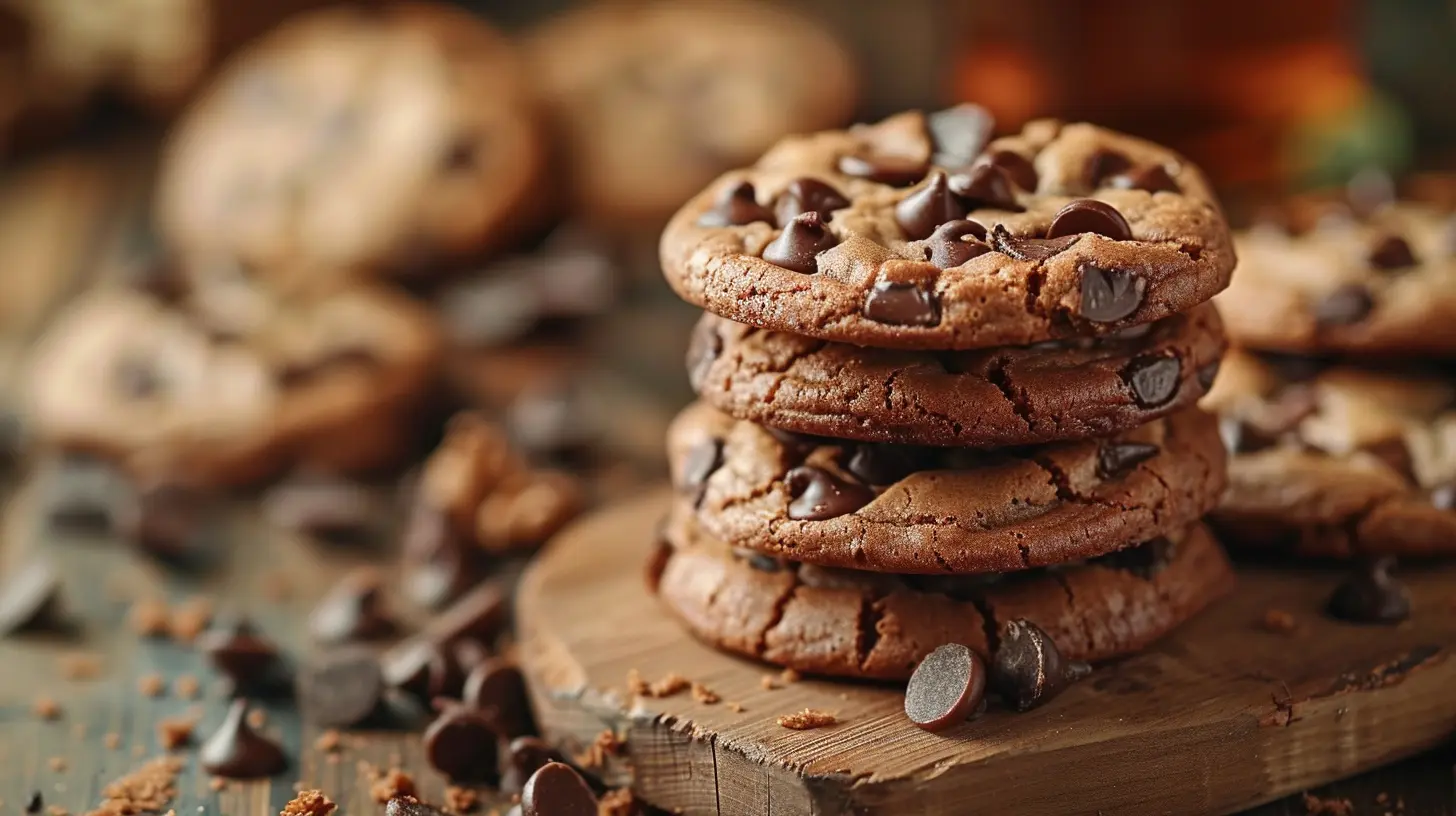
3. Artificial Colors and Flavors: What Are You Really Eating?
Bright red fruit snacks. Electric blue sports drinks. Neon orange cheese puffs. They’re fun, sure. But all those colors? They’re not natural — and they’re not harmless.Artificial colors have been tied to behavioral issues in children, allergic reactions, and even potential cancer risks. While the science is still evolving, many countries have banned certain dyes that are still allowed in the U.S.
Same goes for artificial flavors — they’re chemically engineered to mimic real tastes but often come with side effects, especially for those with sensitivities.
Think about this:
If your food has to be dyed to look delicious, what does that say about what’s really inside?Look for it in: Candy, colorful cereals, sodas, cookies, chips, and gum.
4. Excess Sodium: A Salty Truth
Most of us don’t think twice about salt. A little flavor goes a long way, right? But when it comes to processed snacks, it's not just a little — it's a whole lot.Sodium isn’t inherently bad. Our bodies need it. But the average person eats way more than the recommended amount, mostly thanks to snacks and processed foods.
Why too much sodium is a problem:
High sodium intake is linked to high blood pressure, kidney problems, and increased risk of heart disease. Not to mention, it leaves you bloated and super thirsty.Even snacks that don’t taste super salty — like cereal or baked crackers — can be packed with sodium.
Look for it in: Pretzels, chips, crackers, flavored popcorn, and even “healthy” snack bars.
5. “Natural” Claims: Marketing Trickery
Ever pick up a snack because it says “natural” or “organic” on the label? You’re not alone. But let’s clarify something — marketing doesn’t always mean health.Here’s the deal:
The term “natural” isn't regulated in the same way as you might think. A product can contain “natural flavors” and still be full of sugar, hydrogenated oils, and synthetic preservatives.Organic? A better choice, sure. But even organic snacks can be high in sugar, fats, or sodium. Organic cane sugar is still sugar.
Bottom line — just because the label sounds healthy, doesn’t mean the product is.
What this means for you: Always flip the package and read the ingredients. Don’t let buzzwords do the thinking for you.
6. Portion Distortion: The Deceptive Serving Size Game
Let’s say you grab a snack-sized bag of trail mix. You check the label: 150 calories. Not bad, right?Now take a closer look. That’s per serving. And that “one bag” actually contains two — maybe even three — servings. Suddenly, you’re looking at 300-450 calories. And you didn’t even realize it.
The trick here?
Manufacturers often shrink serving sizes to make the numbers look good. It's misleading and easy to fall for. So don’t just glance at the big numbers — dig into the details.Tip: If the package looks like one serving but says otherwise, do the math yourself before diving in.
7. “Healthy” Snacks That Aren’t So Healthy
Now, let’s talk about those snacks wearing a health halo — the ones we grab when we’re trying to make better choices.Granola bars, fruit leathers, rice cakes, veggie chips — they sound like smart picks, but many of them are loaded with sugar, salt, or unhealthy fats.
Why this matters:
A granola bar can have as much sugar as a candy bar. “Fruit” snacks may have never seen a real fruit. Veggie chips? They’re mostly potato starch with a sprinkle of spinach powder and a ton of oil.These snacks trick us into thinking we’re nourishing our bodies while quietly contributing to the same problems as their junkier cousins.
Pro Tip: If health is the goal, the simpler the better. Go for whole foods like sliced fruit, nuts, or plain popcorn over processed imposters.
8. The Addictive Factor: Engineered to Hook You
Did you know that many snacks are specifically formulated to be addictive?Food scientists literally create the perfect combo of fat, sugar, and salt — also known as the “bliss point” — to light up the reward centers in your brain. That’s why “just one” chip or cookie turns into ten. It’s not a lack of willpower — it’s chemistry.
Ever felt like a snack was calling your name?
You’re not imagining it. Your brain remembers that pleasure hit and craves it again. The more you eat, the more you want. And the cycle continues.This doesn’t mean you’re powerless, but being aware gives you back control. If you know a snack is designed to be irresistible, you can be more intentional about when and how you enjoy it.
So… What Should You Eat Instead?
Alright, let’s not end this on a depressing note. Snacks aren’t all bad. You just need to choose wisely.Smarter snacking ideas:
- Fresh fruit with nut butter- Plain Greek yogurt with a drizzle of honey
- Air-popped popcorn with olive oil and herbs
- Nuts and seeds, unsalted and raw or roasted
- Hummus with cucumber slices or carrot sticks
- Hard-boiled egg with a pinch of sea salt
Keep it simple. Keep it real. Your body will thank you later.
Final Thoughts
We get it — snacks are a part of life. They’re fun, easy, and sometimes even necessary to get through the day. But the hidden dangers in your favorite snacks are real, and the more aware you are, the better choices you can make.You don’t have to swear off chips forever or ban cookies from your house. Just be more mindful, read labels, and know what you’re putting into your body. Think of it like cleaning out your digital junk folder — it’s all about keeping what's useful and tossing what’s harmful.
You’re not alone in this — we’re all just doing our best. Let’s snack smarter, one bite at a time.
all images in this post were generated using AI tools
Category:
Healthy ChoicesAuthor:

Laurie Barlow
Discussion
rate this article
2 comments
Otis Lopez
Snack attack alert! 🥨🥳 Who knew our beloved treats were plotting against us? While we munch away happily, let’s keep an eye out for those sneaky hidden dangers lurking in our favorite crunchy companions! 🕵️♀️🍫
March 29, 2026 at 4:45 AM
Laurie Barlow
Absolutely! While we indulge in our favorite snacks, it's crucial to stay aware of hidden ingredients and excessive sugars that can impact our health. Enjoy responsibly! 🍿✨
Oriel Walker
Great read! It’s eye-opening to see how our favorite snacks can hide unwanted ingredients. I’m definitely going to be more mindful about my choices. Let’s snack smart and stay healthy together! 🍏✨
March 25, 2026 at 3:32 AM
Laurie Barlow
Thanks for your thoughts! It's great to hear you're inspired to make mindful choices. Let's keep the conversation going about healthier snacking!