The Healing Power of Coloring and Art for Stress Reduction
1 January 2026
Let’s be honest—life gets overwhelming. We juggle work, family, personal goals, and social obligations, all while trying to carve out some time for ourselves. And somewhere between yesterday's to-do list and tomorrow's expectations, stress sneaks in and takes up permanent residence in our minds and bodies.
But what if I told you there's a simple, creative, and surprisingly powerful way to tackle stress that doesn’t require a therapist's couch or expensive wellness retreats?
Let’s talk about the deeply soothing, healing power of coloring and art.
Why Stress Needs an Outlet—Fast
First things first: stress isn’t just “all in your head.” It weaves its way through every inch of your being—tight shoulders, sleepless nights, irritability, digestive issues. Sound familiar?When left unchecked, chronic stress can wreak havoc on your health, mood, and relationships. That’s why managing it isn’t a luxury—it’s a necessity. And while we’ve all heard about meditation, yoga, and deep breathing (which are amazing, by the way), not everyone finds peace in silence or stillness.
This is where art steps in.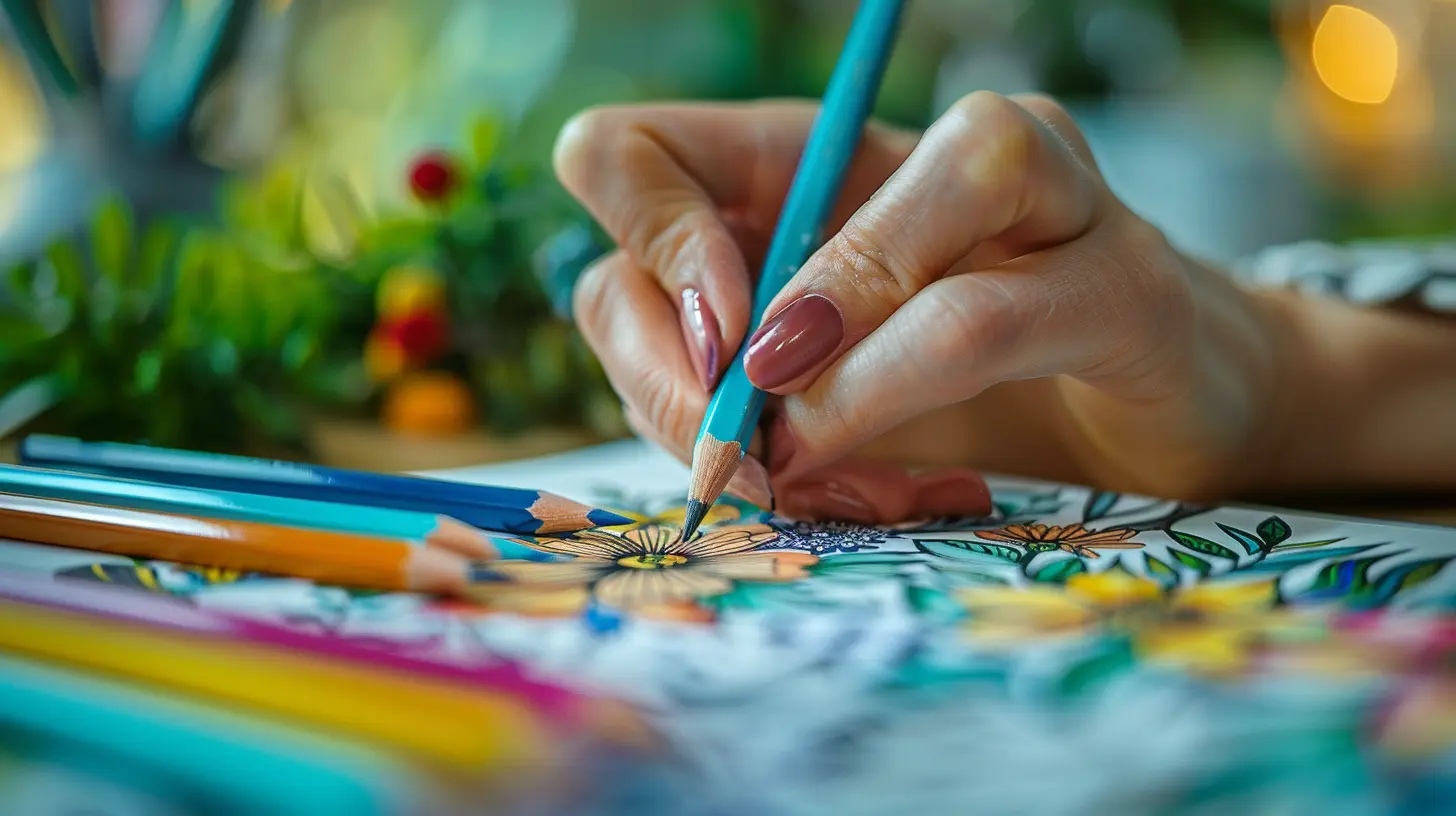
The Science Behind Art and Stress Relief
Now, you might be thinking, “Art? Like, painting and coloring? Come on.”Yes, exactly that—and here's why.
When you engage in artistic activities, your brain undergoes a shift. You enter a “flow state,” a fancy term for being so absorbed in something that time disappears and your worries take a backseat. It’s like mental yoga.
According to studies published in the journal Art Therapy, just 45 minutes of creative activity can significantly lower cortisol (your body’s main stress hormone). Your brain gets flooded with dopamine—the feel-good chemical—whenever you create, color, doodle, or paint.
No talent required. No artistic experience necessary. Just you, some colors, and a desire to feel better.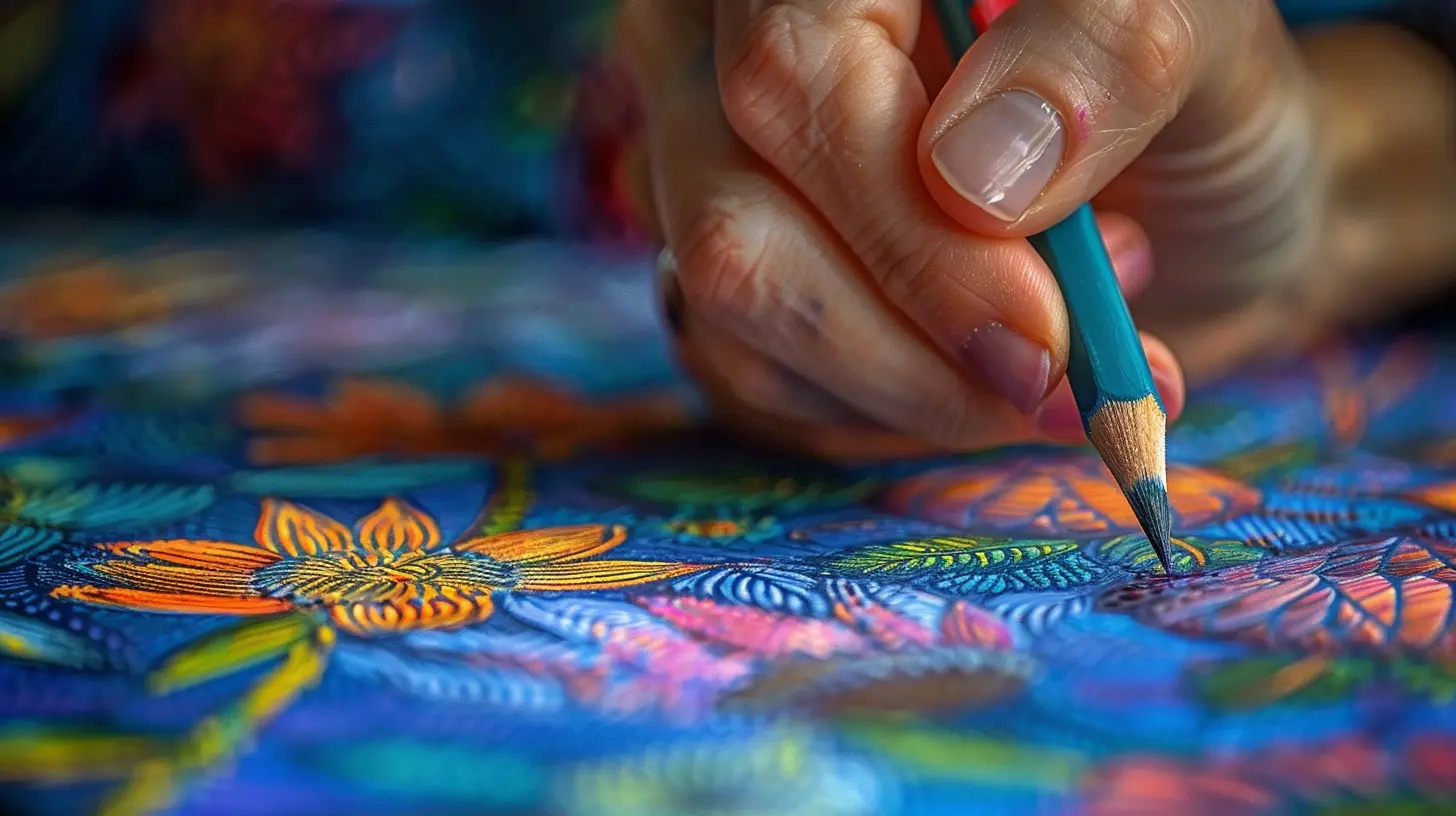
Coloring Isn’t Just for Kids Anymore
You’ve probably noticed those intricate adult coloring books popping up everywhere. Florals, mandalas, animals, inspirational quotes—there’s something so mesmerizing about filling in those tiny blank spaces.And it’s not just a passing trend.
Coloring activates the same parts of the brain that help with focus and mindfulness. Think of it as meditation with crayons or colored pencils. You ground yourself in the present moment, calm your racing thoughts, and breathe a little easier.
It’s simple, accessible, and weirdly satisfying.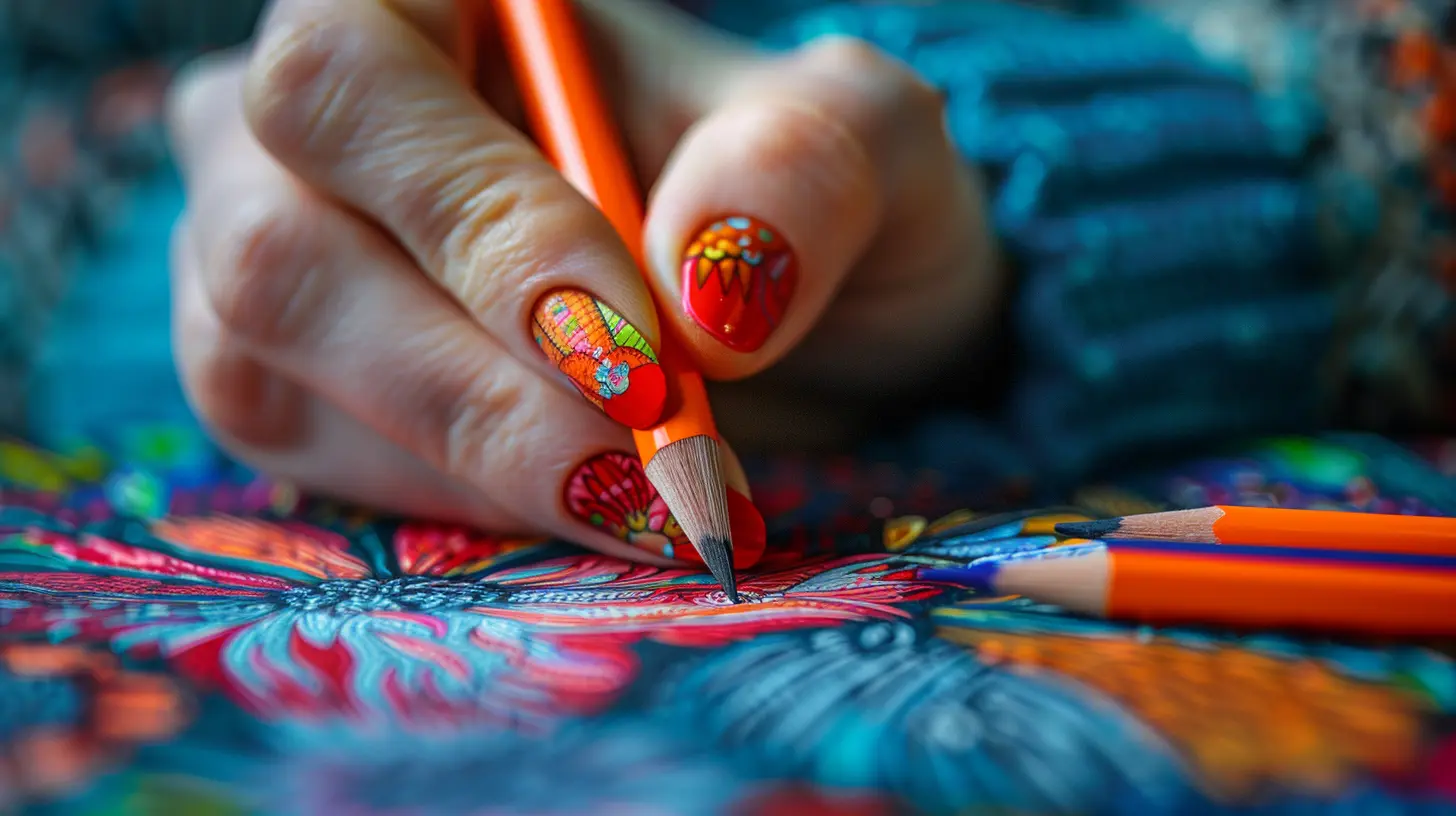
Unpacking the Magic: How Coloring Helps Tame Stress
Let’s zoom in on what makes coloring such a powerful stress-buster:1. Instant Mindfulness
Coloring forces your mind to slow down. You’re not planning your day or replaying that awkward conversation from yesterday. You’re just choosing the next shade of blue. That presence? That’s mindfulness in action.2. Break from Screen Time
Our lives revolve around screens. Between work emails, social media, and binge-watching shows, our brains are constantly “on.” Coloring offers a much-needed digital detox.3. Control in a Chaotic World
Let’s face it—life can feel out of control. But when you color, you're in charge. Which color goes where? How dark or light do you want it? It might sound small, but this sense of control can be incredibly grounding.4. Creative Confidence Boost
When you finish a page, there’s a real sense of accomplishment. Even if you don’t consider yourself “creative,” that finished piece is yours. And that’s something to feel good about.More Than Just Lines and Colors: The Broader Benefits of Art
Coloring is just one slice of the creative pie. Painting, sketching, scrapbooking, clay modeling, even knitting—each offers its own form of stress relief.Let’s dive deeper into how various art forms foster healing.
Art as Emotional Expression
Sometimes, words fail us. You’re upset, but you can’t quite articulate why. Art gives those feelings a voice. Through shapes, colors, and textures, you can express what’s too tangled to say out loud.Art Boosts Emotional Resilience
Creating art regularly helps build resilience. You start to embrace mistakes, stop fearing imperfection, and learn to see beauty in progress. It's therapy for the soul.A Safe Space to Reflect
A blank canvas doesn’t judge. It doesn’t correct or criticize. It simply holds space for whatever you bring. That kind of emotional freedom is rare—and healing.You Don’t Need to Be an Artist to Heal with Art
Here’s something important to remember: This isn’t about making “good” art.Forget the rules. Forget your high school art teacher's red pen. This is about process, not product.
If you’re coloring within the lines or painting abstract shapes that make no sense to anyone but you—awesome! You’re doing it right.
Think of it like journaling, but with colors instead of words.
How to Get Started with Coloring and Art for Stress Relief
Feeling inspired? Great. Let’s make it really easy to begin. You don’t need a studio or a shopping spree at the art supply store.Here’s your simple starter kit:
- A basic adult coloring book (or print free pages online)- Colored pencils or markers
- A sketch pad and a pen
- Watercolor set (if you’re feeling fancy)
That’s it. Seriously.
Start with 10 minutes a day. Maybe with a cup of tea and your favorite playlist in the background. You’ll be surprised at how quickly those 10 minutes become your favorite part of the day.
Creative Prompts to Relieve Stress When You Don't Know What to Draw
Staring at a blank page can sometimes feel intimidating. So here are a few no-pressure prompts to get you going:- Doodle your current mood as shapes and lines (no need for accuracy).
- Color a mandala and notice how your breathing slows down.
- Paint a sunset using only two colors.
- Create a gratitude flower (one petal for each thing you’re thankful for).
- Design a “calm corner” in your sketchbook.
The key is consistency, not complexity.
Combining Art with Other Self-Care Habits
Why stop at art? You can enhance its stress-relief power by combining it with other gentle self-care practices:- Listen to calming music or nature sounds while you draw.
- Diffuse essential oils (lavender and chamomile are great choices).
- Journal before or after your art session.
- Create a cozy art nook—your personal sanctuary.
Art doesn’t just fill pages; it fills your emotional cup.
Real Stories, Real Healing
People around the world are rediscovering joy, peace, and clarity through creative expression.Take Emma, for example—a full-time nurse who started coloring as a way to decompress after grueling 12-hour shifts. She now calls it her “mental reset button.”
Or James, who picked up acrylic painting during a tough divorce. Art helped him process pain with every brushstroke.
Your story could be next.
Coloring and Art: A Lifelong Companion for Wellness
Stress won’t vanish. Life will continue throwing curveballs. But with art by your side, you don’t have to carry the weight alone.Coloring and art aren't just hobbies; they're gentle, powerful tools for emotional self-care. They reconnect you to the present, soothe your nervous system, and whisper that it’s okay to pause, breathe, and just be.
So give yourself permission. Pick up those pencils or that brush. Let go of expectations. And allow the magic of creativity to wash over you.
You deserve that peace.
Final Thoughts
In a world that glorifies hustle and constant productivity, choosing to sit down and color might seem counterintuitive. But it's not lazy—it's revolutionary. It's you saying, “My peace matters.”So don’t underestimate the healing power of a simple doodle. Because sometimes, the best way to clear your mind isn’t by thinking harder—but by coloring softer.
You’re not just filling in spaces—you’re creating space for healing.
all images in this post were generated using AI tools
Category:
Stress ManagementAuthor:

Laurie Barlow
Discussion
rate this article
2 comments
Gabrielle Scott
This article beautifully highlights the therapeutic benefits of coloring and art in managing stress. It's incredible how creative expression can serve as a powerful tool for relaxation and mental well-being. Thank you for sharing these valuable insights—it's a reminder of the healing potential found in simple activities.
January 27, 2026 at 5:05 AM
Laurie Barlow
Thank you for your thoughtful comment! I'm glad you found the insights on coloring and art's therapeutic benefits helpful. Creative expression truly is a powerful tool for mental well-being!
Raelyn Velez
Absolutely love this! Coloring and creating art is like giving your mind a mini-vacation. It’s amazing how a little splash of color can brighten your mood and melt away stress. So grab those crayons, unleash your inner artist, and let the healing begin! Happy coloring! 🎨✨
January 7, 2026 at 4:42 AM
Laurie Barlow
Thank you for your wonderful insight! I completely agree—coloring truly is a powerful way to relax and rejuvenate the mind. Happy coloring! 🎨✨