The Connection Between Gut Health and Weight Loss
9 January 2026
Have you ever wondered why some people seem to shed weight effortlessly while others struggle despite eating the "right" foods? It turns out, your gut bacteria might be playing a sneaky little role in your weight loss journey (or lack thereof). Yep, those trillions of microscopic critters inside your digestive tract might just be the secret weapon—or the saboteur—of your fitness goals.
So, what’s the deal with gut health and weight loss? Let's dive in and break it all down in a way that doesn’t require a medical degree to understand. 
Your Gut: The Hidden World Inside You
Imagine your gut as a bustling city, teeming with an entire ecosystem of bacteria, fungi, and other microbes. Together, they form what’s known as the gut microbiome, a complex community that affects digestion, immunity, mental health, and—surprise!—weight management.But here’s the kicker: not all bacteria are your friends. Some help you break down food efficiently and keep inflammation low, while others can disrupt metabolism and contribute to weight gain.
Good Bacteria vs. Bad Bacteria
Think of your gut like a party. The beneficial bacteria are those fun, responsible guests who help clean up, keep the vibe positive, and ensure everything runs smoothly. But then, you’ve got the troublemakers—bacteria that cause bloating, cravings, and even make it harder to burn fat.The more good bacteria you have, the better your gut functions. But if the bad ones take over? Well, let’s just say your waistline might not be too happy about it. 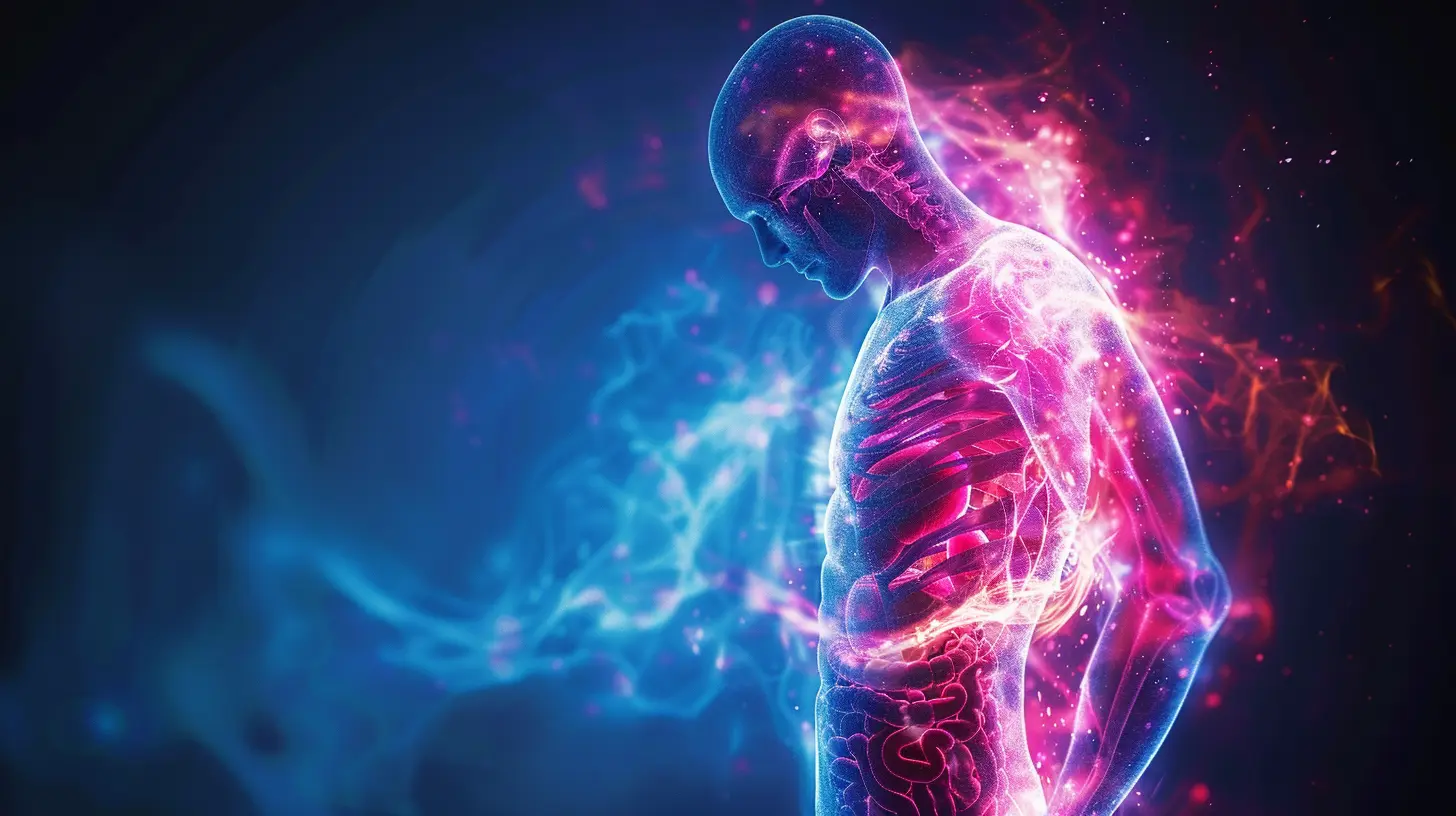
How Gut Health Affects Weight Loss
Alright, so how exactly does your gut determine whether you gain or lose weight? Turns out, it influences your metabolism, hunger hormones, nutrient absorption, and even your mood.1. Gut Bacteria and Metabolism
Certain gut bacteria help break down fiber into short-chain fatty acids, which speed up metabolism and reduce fat storage. Others, however, extract extra calories from food, making you store fat like a hibernating bear.This explains why two people can eat the same meal, but one gains weight while the other doesn’t. It’s not just about calories—it’s about how your gut processes them.
2. Hunger Hormones: The Gut-Brain Connection
Ever wondered why you suddenly crave sugary snacks even when you’re not hungry? Blame your gut bacteria.Your gut produces hormones like ghrelin (the hunger hormone) and leptin (the fullness hormone). A well-balanced microbiome keeps these signals under control, making you feel full when you should. But an unhealthy gut? It can trigger constant cravings, leading to overeating.
3. Inflammation and Weight Gain
An unhealthy gut can cause chronic inflammation, which messes up your body’s ability to regulate weight. Inflammation disrupts insulin sensitivity, making it easier to store fat and harder to burn it.Think of it like a clogged engine in a car. If your body is inflamed, your metabolism slows down, and burning fat becomes an uphill battle.
4. Gut Health and Stress Eating
Your gut and brain are besties—connected by the gut-brain axis. When your gut microbiome is out of balance, it can send stress signals to your brain, making you feel anxious or depressed.And what do most of us do when we’re stressed? Eat.
A healthy gut, on the other hand, promotes the production of serotonin (your happy hormone), reducing stress-eating tendencies. 
Signs Your Gut Might Be Hurting Your Weight Loss Efforts
If you’ve been trying to lose weight but feel like you’re on a hamster wheel, your gut health might be out of whack. Look out for these common signs:✔ Frequent bloating – If you constantly feel like a balloon, your gut bacteria might be off balance.
✔ Uncontrollable cravings – Ever crave junk food like it’s oxygen? Your gut bacteria might be messing with your hunger hormones.
✔ Chronic fatigue – A sluggish gut can lead to poor nutrient absorption, leaving you drained.
✔ Digestive issues – Constipation or diarrhea? Yeah, your gut is probably trying to tell you something.
✔ Skin problems – Acne, eczema, or random breakouts can be linked to gut inflammation.
Recognize any of these? No worries! There are plenty of ways to get your gut back on track. 
How to Improve Gut Health for Weight Loss
Now that we know gut health is a major player in weight management, how can we keep it happy?1. Eat More Fiber-Rich Foods
Fiber acts like a personal trainer for your gut bacteria. It feeds the good microbes, helping them thrive. Load up on:- Fruits (bananas, apples, berries)
- Vegetables (broccoli, spinach, carrots)
- Whole grains (oats, quinoa, brown rice)
- Legumes (lentils, beans, chickpeas)
2. Add Probiotics and Prebiotics
Think of probiotics as good bacteria you introduce into your gut, while prebiotics are the food that helps them grow.Probiotic-rich foods: Yogurt, kefir, sauerkraut, kimchi, miso
Prebiotic foods: Garlic, onions, leeks, asparagus, bananas
3. Cut Down on Processed Foods
Ultra-processed foods (think chips, soda, and sugary snacks) can wipe out good gut bacteria and feed the harmful ones. Try to cut back and opt for whole, natural foods instead.4. Avoid Artificial Sweeteners
Surprise! That "sugar-free" soda might actually be harming your gut. Artificial sweeteners can disrupt gut bacteria and increase sugar cravings.5. Stay Hydrated
Water keeps everything moving smoothly—literally. It helps prevent constipation and supports a healthy digestive system. Aim for at least 8 cups a day.6. Manage Stress
Chronic stress can throw your gut microbiome out of whack. Try meditation, exercise, deep breathing, or even just a good laugh to keep stress levels low.7. Get Enough Sleep
Sleep and gut health go hand in hand. Poor sleep can lead to gut dysbiosis (an imbalance of bacteria), increasing hunger hormones and stress levels. Aim for 7-9 hours of quality sleep each night.Final Thoughts: Your Gut Holds the Key to Weight Loss
Losing weight isn’t just about counting calories or spending hours at the gym—it’s about supporting the tiny ecosystem inside you.A healthy gut can mean better digestion, fewer cravings, improved metabolism, and an easier time shedding those extra pounds. So, if your weight loss journey has felt like an uphill battle, maybe it’s time to start from the inside out.
Your gut is talking—are you listening?
all images in this post were generated using AI tools
Category:
Weight LossAuthor:

Laurie Barlow
Discussion
rate this article
2 comments
Maverick Richardson
Prioritize gut health for weight loss!
January 27, 2026 at 5:05 AM
Laurie Barlow
Absolutely! A healthy gut can improve digestion, reduce inflammation, and enhance nutrient absorption, all of which can support weight loss efforts.
Heidi Hudson
Exciting insights! A healthy gut can truly transform your weight loss journey. Cheers to wellness and vibrant living!
January 13, 2026 at 4:13 AM
Laurie Barlow
Thank you! Absolutely, gut health plays a crucial role in weight loss and overall wellness. Cheers to thriving together!