The Connection Between Gut Health and Overall Wellness
28 March 2026
Introduction
Did you know that your gut is often called your "second brain"? That’s right! The health of your gut plays a crucial role in not just digestion but also your energy levels, mental health, immune function, and even skin health. It’s like the control center for your overall well-being.
But how exactly does gut health influence the rest of your body? And more importantly, what can you do to improve it? Let’s dive deep into this fascinating topic to understand why taking care of your gut is one of the best things you can do for your health.

What Is Gut Health?
Gut health refers to the balance of microorganisms living in your digestive tract. Your gut is home to trillions of bacteria, both good and bad, that help with digestion, nutrient absorption, and immune defense.When these microbes are balanced, your gut functions smoothly. But an imbalance—too many harmful bacteria and not enough good ones—can lead to digestive issues, inflammation, and even chronic illnesses.
The Gut Microbiome
The collection of bacteria, fungi, and other microbes in your gut is called the gut microbiome. Think of it like a bustling city: when everything is in harmony, the city runs efficiently. But if there’s chaos (an imbalance of good and bad bacteria), problems arise.A well-balanced microbiome supports everything from digestion to brain function. When it's out of balance, you may experience bloating, fatigue, brain fog, and even mood swings.

How Gut Health Impacts Overall Wellness
Now, let’s connect the dots between your gut health and your overall well-being.1. Gut Health and Digestion
The most obvious role of your gut is digestion. A healthy microbiome helps break down food, absorb nutrients, and eliminate waste efficiently.When your gut is in good shape, you experience better digestion, minimal bloating, and regular bowel movements. On the other hand, gut imbalances can lead to conditions like irritable bowel syndrome (IBS), acid reflux, and constipation.
2. Gut Health and Immunity
Did you know that 70% of your immune system resides in your gut? That’s because your gut bacteria play a significant role in defending your body against harmful pathogens.A strong gut microbiome strengthens your immune response, making you more resilient to infections. But when your gut is unhealthy, your immune defenses weaken, making you more susceptible to colds, flu, and even autoimmune diseases.
3. Gut Health and Mental Health
The gut-brain connection is real! Your gut produces about 90% of the body's serotonin, the chemical responsible for happiness and mood regulation.Ever felt "butterflies" in your stomach when you're anxious? That’s because your gut and brain are constantly communicating. Poor gut health has been linked to conditions like anxiety, depression, and brain fog.
By improving your gut health, you might also improve your mood and mental clarity. It’s like giving your brain an extra boost of happiness!
4. Gut Health and Skin
If you struggle with acne, eczema, or other skin issues, your gut may be to blame. An unhealthy gut can lead to inflammation, which often shows up on your skin.Many people see improvements in their skin when they focus on eating gut-friendly foods and reducing processed, high-sugar foods. Think of your gut as the root of a tree—if you nourish the roots properly, the branches (your skin) will flourish.
5. Gut Health and Weight Management
Your gut bacteria influence how your body stores fat, absorbs nutrients, and regulates hunger hormones. An imbalance in your gut microbiome can lead to weight gain, increased cravings, and difficulty losing weight.A healthy gut can support weight management by improving metabolism and controlling appetite. So if you’re struggling with stubborn weight, your gut might be the missing piece of the puzzle.
Signs of an Unhealthy Gut
How do you know if your gut needs some extra care? Here are some common signs:- Frequent bloating or gas
- Constipation or diarrhea
- Chronic fatigue
- Food intolerances
- Skin problems (acne, eczema)
- Sugar cravings
- Brain fog or difficulty concentrating
- Weak immune system (frequent sickness)
If you’re experiencing any of these symptoms, it might be time to focus on restoring your gut health.

How to Improve Your Gut Health
The good news? Your gut health can be improved with simple lifestyle changes. Here are some easy and effective ways to support a healthy gut.1. Eat More Fiber-Rich Foods
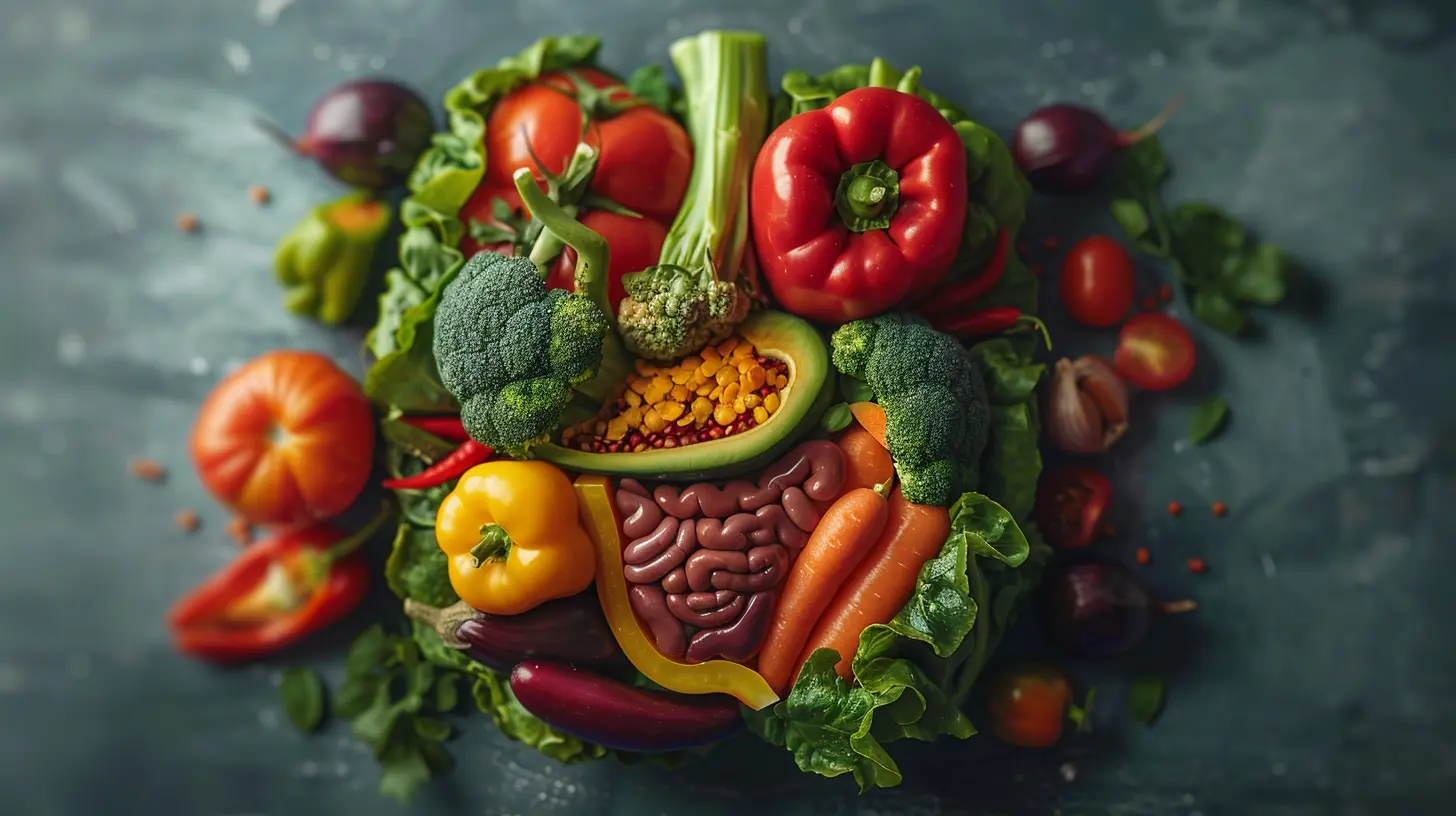
Fiber is fuel for the good bacteria in your gut. Load up your plate with:- Vegetables (broccoli, spinach, carrots)
- Fruits (bananas, apples, berries)
- Whole grains (quinoa, brown rice, oats)
- Legumes (lentils, chickpeas, beans)
2. Add Probiotics and Prebiotics to Your Diet
Probiotics are live bacteria that add beneficial microbes to your gut. Prebiotics, on the other hand, feed those good bacteria.Probiotic Foods:
- Yogurt
- Kefir
- Sauerkraut
- Kimchi
- Miso
Prebiotic Foods:
- Garlic
- Onions
- Asparagus
- Bananas
3. Reduce Sugar and Processed Foods
Too much sugar and processed junk food can feed harmful bacteria in your gut, disrupting the balance. Try to cut back on:- Sugary drinks (soda, sweet coffee drinks)
- Processed snacks (chips, candy)
- Artificial sweeteners
4. Stay Hydrated
Water is essential for digestion and a happy gut. Drinking plenty of water helps keep everything moving and supports the growth of good bacteria.5. Manage Stress
Stress can wreak havoc on your gut. Practice stress-reducing activities like:- Meditation
- Deep breathing exercises
- Yoga
- Spending time in nature
6. Get Enough Sleep
Poor sleep can negatively affect your gut microbiome. Aim for 7-9 hours of quality sleep each night to support overall health.7. Exercise Regularly
Physical activity helps promote a diverse gut microbiome. Try to incorporate at least 30 minutes of moderate exercise (walking, jogging, dancing) most days of the week.Final Thoughts
Your gut health is the foundation of your overall wellness. When your gut is in balance, your digestion, immune system, mental health, skin, and weight all benefit.Taking care of your gut doesn’t have to be complicated. Small, daily changes—like eating more fiber, reducing sugar, and managing stress—can have a significant impact.
So, the next time you reach for a snack or decide to skip sleep, remember: your gut is always listening. Treat it well, and it will take care of you in return!
all images in this post were generated using AI tools
Category:
Healthy ChoicesAuthor:

Laurie Barlow
Discussion
rate this article
2 comments
Lennox Barnes
This article beautifully highlights the vital link between gut health and overall wellness. It's a gentle reminder to nurture our digestive systems for better health and vitality. Thank you for sharing!
March 31, 2026 at 4:00 AM
Laurie Barlow
Thank you for your kind words! I’m glad you found the article insightful. Nurturing our gut health is indeed essential for overall wellness!
Kristy Lewis
Who knew our guts were the true CEOs of wellness? Next time you’re feeling off, just remember: it might be your tummy sending a memo about that extra slice of pizza!
March 29, 2026 at 4:45 AM
Laurie Barlow
Absolutely! Our gut does have a way of keeping us in check. Listening to it can make all the difference in how we feel overall.