The Benefits of Regular Stretching for Tension and Stress Relief
30 December 2025
Ever feel like your shoulders are up near your ears after a long day? Or maybe your back feels like it’s carrying the weight of a small elephant? You're definitely not alone. In today’s fast-paced world, stress is everywhere—from work deadlines and family responsibilities to constant screen time. But here’s a secret weapon that’s often overlooked: stretching.
Stretching isn't just for gymnasts, dancers, or yoga fanatics. It’s a simple, effective, and totally underrated way to loosen up not just your body, but your mind too. In this article, we’re going to dive into the often underappreciated magic of regular stretching and exactly how it helps relieve tension and stress.
What Happens to Your Body Under Stress?
Before diving into the benefits of stretching, let’s quickly understand what stress does to your body.When you’re stressed, your body goes into "fight or flight" mode. It’s like your internal alarm gets triggered—your muscles tense up, your breathing gets shallow, and your heart races. This physical reaction is great when you’re being chased by a bear, but not so great when you're just trying to survive Monday. Over time, chronic stress can cause muscle stiffness, tension headaches, back pain, and even mess with your posture.
The worst part? Most people don’t even notice it creeping in. That stiff neck you blame on sleeping wrong might actually be your body screaming for relief.
Stretching: Your Natural Stress-Relief Tool
So how does stretching help? Simply put, stretching helps reverse the physical symptoms of stress. It encourages your body to chill out, and it sends signals to your brain that things are okay.Here’s the cool part: when you stretch, your muscles lengthen, your blood flow improves, and your nervous system calms down. It’s like hitting the reboot button on your entire body.
1. Releases Built-Up Muscle Tension
Ever catch yourself hunched over your desk like a pretzel? That’s muscle tension—and it's often the result of stress.Stretching helps release this tension by loosening tight muscles, especially in common problem areas like your neck, shoulders, and lower back. When you release that built-up tightness, you're not just improving your flexibility—you’re physically telling your body to relax.
Imagine your muscles like a sponge that’s been squeezed tight. Stretching is the gentle release that lets everything flow back to normal.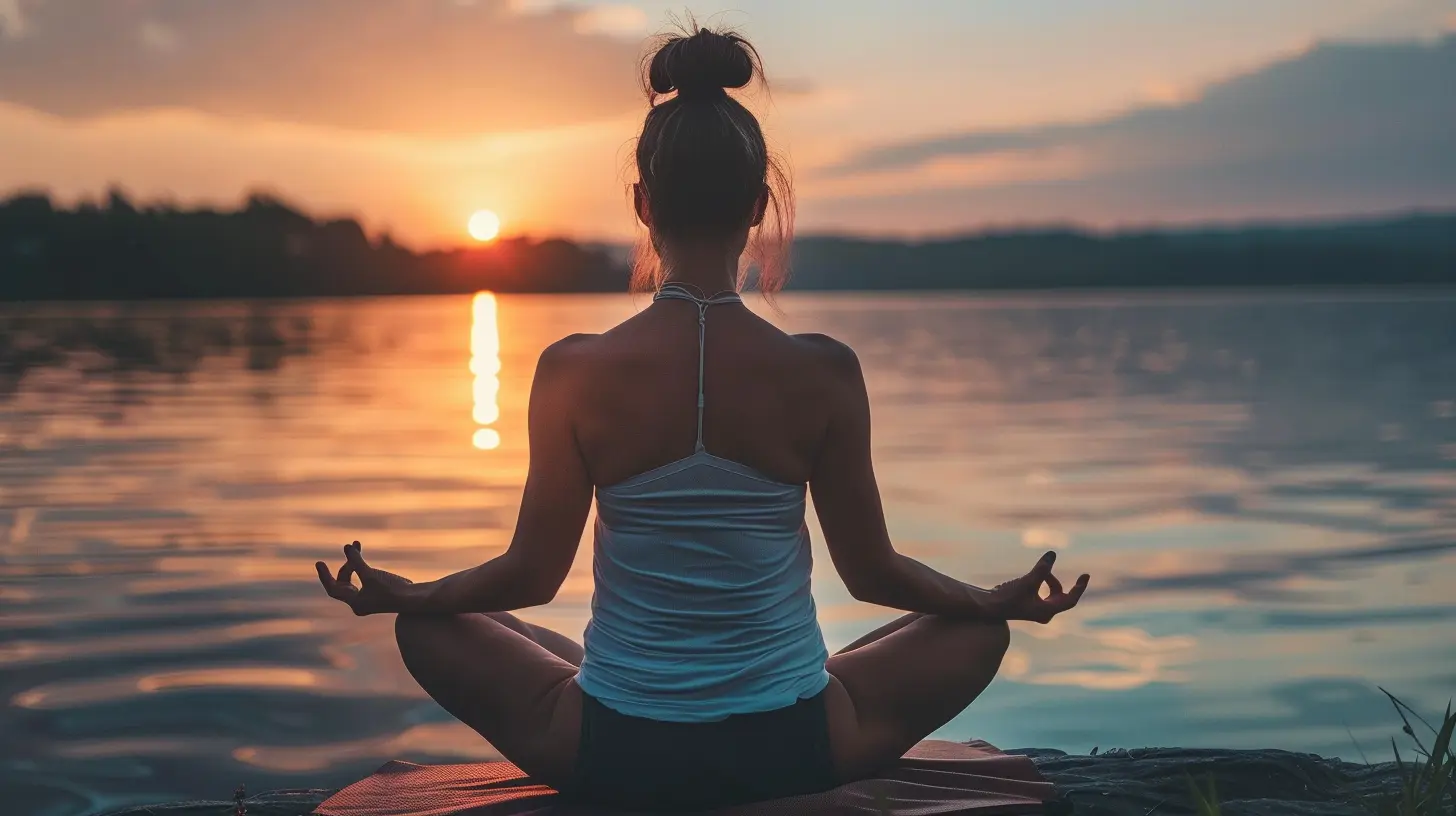
2. Improves Blood Circulation
Better blood flow isn't just about heart health—it also plays a huge role in muscle recovery and overall relaxation.When you stretch regularly, you increase circulation throughout your body. That means more oxygen and nutrients get to your muscles, and waste products (like lactic acid) get flushed out more efficiently. This helps reduce muscle soreness and makes you feel more energized and less like a creaky door.
Plus, improved circulation can have a calming effect on your nervous system, which comes in clutch during those high-stress days.
3. Promotes Better Posture (Which Reduces Physical Stress)
Poor posture is the silent stress amplifier. When your spine is out of whack and you’re slouching all day, your muscles have to work overtime to keep you upright. This leads to—you guessed it—more tension and stress.Regular stretching can help correct those imbalances by lengthening tight muscles and strengthening others. Think of it like realigning the frame of a car. When everything’s in place, you move better, feel better, and carry less physical strain throughout the day.
4. Triggers the Relaxation Response
Here’s where it gets interesting: stretching doesn’t just make your body feel good—it also calms your brain.Stretching activates the parasympathetic nervous system, also known as the “rest and digest” system. This is the opposite of the “fight or flight” response. So when you stretch slowly and mindfully, your heart rate drops, your breathing deepens, and your body switches into chill-out mode.
This is especially true if you pair stretching with deep breathing. It’s like giving your body a big exhale after holding its breath all day.
5. Helps You Sleep Better
Ever toss and turn all night because your body just won’t settle down? That’s your stress showing up at bedtime.Stretching before bed can help release the day's stress, relax your muscles, and prepare your body for restful sleep. It's kind of like tucking your muscles in for the night.
In fact, studies show that gentle evening stretches can reduce insomnia and help you fall asleep faster. So instead of scrolling on your phone until midnight, try doing a few simple stretches. Your body—and brain—will thank you.
6. Improves Mood and Mental Clarity
If you’ve ever had a good stretch and felt a sudden wave of relief or even happiness, that wasn't your imagination.Stretching releases feel-good chemicals like endorphins and serotonin. These bad boys are like natural anti-depressants that help reduce anxiety and boost your mood. Plus, taking a few moments to stretch can act like a mini-meditation session, helping you clear your mind and refocus.
So if your brain feels cloudy or your mood is in the dumps, a quick stretching break might be just what you need.
7. Builds Body Awareness and Mindfulness
We live in our heads most of the time, thinking about to-do lists, emails, appointments, and a million other things.Stretching brings you back into your body. As you move and breathe, you start to notice where you’re holding tension, which muscles are tight, and what areas need attention. This body awareness is actually a form of mindfulness—and it’s incredibly grounding.
Doing this daily—even if it’s just for five or ten minutes—can help train your brain to check in with your body more often, which leads to better long-term stress management.
Simple Stretches for Stress Relief
You don’t need to be a yoga pro to get started. Here are a few super-simple stretches you can try anytime:Neck Roll
- Sit up straight.- Gently drop your ear toward your shoulder and slowly roll your neck from side to side.
- Do this slowly for 30 seconds.
Shoulder Stretch
- Reach one arm across your chest.- Use your other hand to pull the arm closer to your chest.
- Hold for 20 seconds on each side.
Cat-Cow Stretch
- Get on all fours.- Inhale, arch your back (cow).
- Exhale, round your spine (cat).
- Repeat for 1 minute.
Child’s Pose
- Kneel on the floor, sit back on your heels, and stretch your arms forward.- Let your forehead rest on the floor.
- Breathe deeply for 1-2 minutes.
Forward Fold
- Stand or sit and slowly bend forward from the hips.- Let your arms and head hang down.
- Hold for 30 seconds.
Tips for Making Stretching a Daily Habit
Want to make stretching part of your daily self-care routine? Here are a few tips that actually work:- Tie it to another habit. Stretch when your coffee brews or while watching TV.
- Set a reminder. A little phone buzz can be a helpful nudge.
- Start small. Even 5 minutes makes a difference.
- Make it fun. Put on music, light a candle—make it your “me time.”
- Track your progress. Feeling less tight? Sleeping better? That’s your proof it’s working.
Final Thoughts
Stretching might not be flashy. It’s not trendy or expensive or complicated—but it works. It’s one of the simplest ways to relieve stress, reduce tension, and reconnect with your body.And the best part? It’s free, it’s accessible, and it only takes a few minutes a day.
So next time your shoulders are screaming or your head feels like it’s in a pressure cooker, hit pause and stretch it out. Your body—and your mind—will thank you.
all images in this post were generated using AI tools
Category:
Stress ManagementAuthor:

Laurie Barlow
Discussion
rate this article
2 comments
Carly McGrady
Stretching isn’t optional; it’s essential. Elevate your mental and physical well-being by embracing this simple yet powerful practice. Ditch the excuses and stretch today!
January 19, 2026 at 5:56 PM
Laurie Barlow
Absolutely! Regular stretching is vital for both mental and physical health, helping to alleviate tension and stress. Embrace it as a daily practice for overall well-being!
Harvey McClary
Great article! I've found that just a few minutes of stretching each day really helps me shake off stress. Thank you!
January 9, 2026 at 5:56 PM
Laurie Barlow
Thank you for your feedback! I'm glad to hear that stretching has been beneficial for you. Keep it up!