Stretching Techniques That Will Revolutionize Your Morning Routine in 2026
15 April 2026
Let’s be honest. How many of us have woken up, groaned at the alarm, and stumbled through the morning feeling about as flexible as a rusty gate hinge? For years, the standard advice has been a few quick toe-touches and maybe a half-hearted quad stretch before rushing into the day. But what if I told you that by 2026, the very concept of a "morning stretch" is being completely reimagined? We’re not just talking about limbering up muscles anymore. We’re talking about a holistic, science-backed, and deeply personalized ritual that sets the tone for your entire day—mentally, physically, and energetically.
This isn't about adding another chore to your already busy morning. It’s about a quiet revolution in how we listen to our bodies from the moment we open our eyes. The future of morning stretching is intelligent, intuitive, and integrated. It’s less about forcing a stretch and more about inviting movement. So, let’s pull back the curtain on the stretching techniques that are poised to transform your AM hours from a groggy slog into a foundation of resilience and vitality.
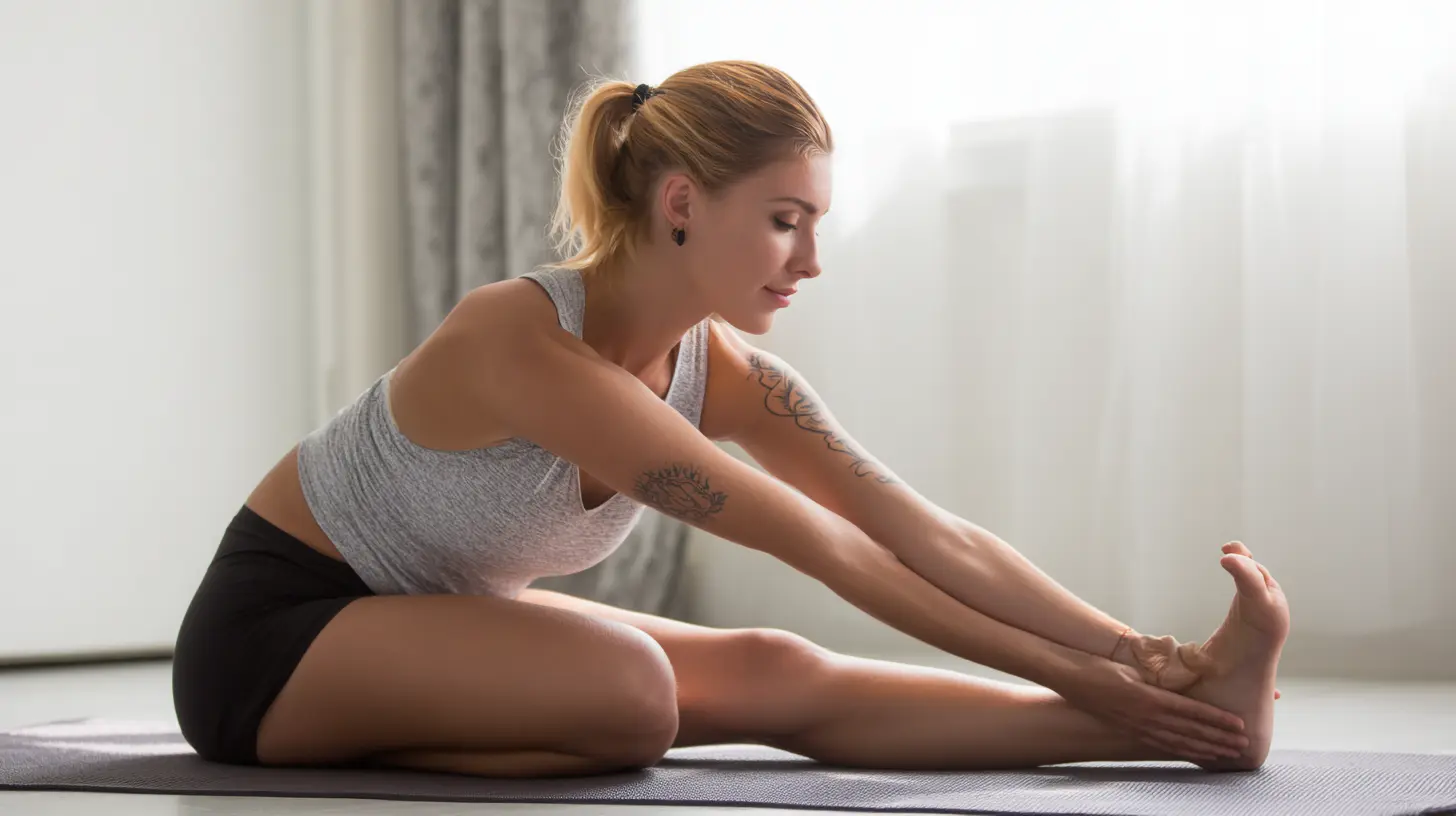
Beyond the Static Hold: Why 2026’s Approach is Different
First, we need to unlearn what we think we know. The static stretching of old—holding a hamstring stretch for 30 seconds while you stare at the clock—is being gracefully retired from its prime morning spot. Research has consistently shown that forcing cold, stiff muscles into deep, static positions first thing isn’t just ineffective; it can be counterproductive, potentially straining tissues that are simply not ready.So, what’s replacing it? Think of your body in the morning like a complex, beautiful web. Overnight, this web settles. Fascia (the connective tissue that surrounds everything in your body) can become sticky and dehydrated. Joints are stiff with reduced synovial fluid. Your nervous system is transitioning from the rest-and-digest state of sleep to the active demands of the day. The techniques of 2026 address this entire system. They are about waking up the body, not just stretching it. They prioritize fluid movement, neurological activation, and hydration of tissues. It’s the difference between yanking on a knotted rope and gently, skillfully unraveling it.
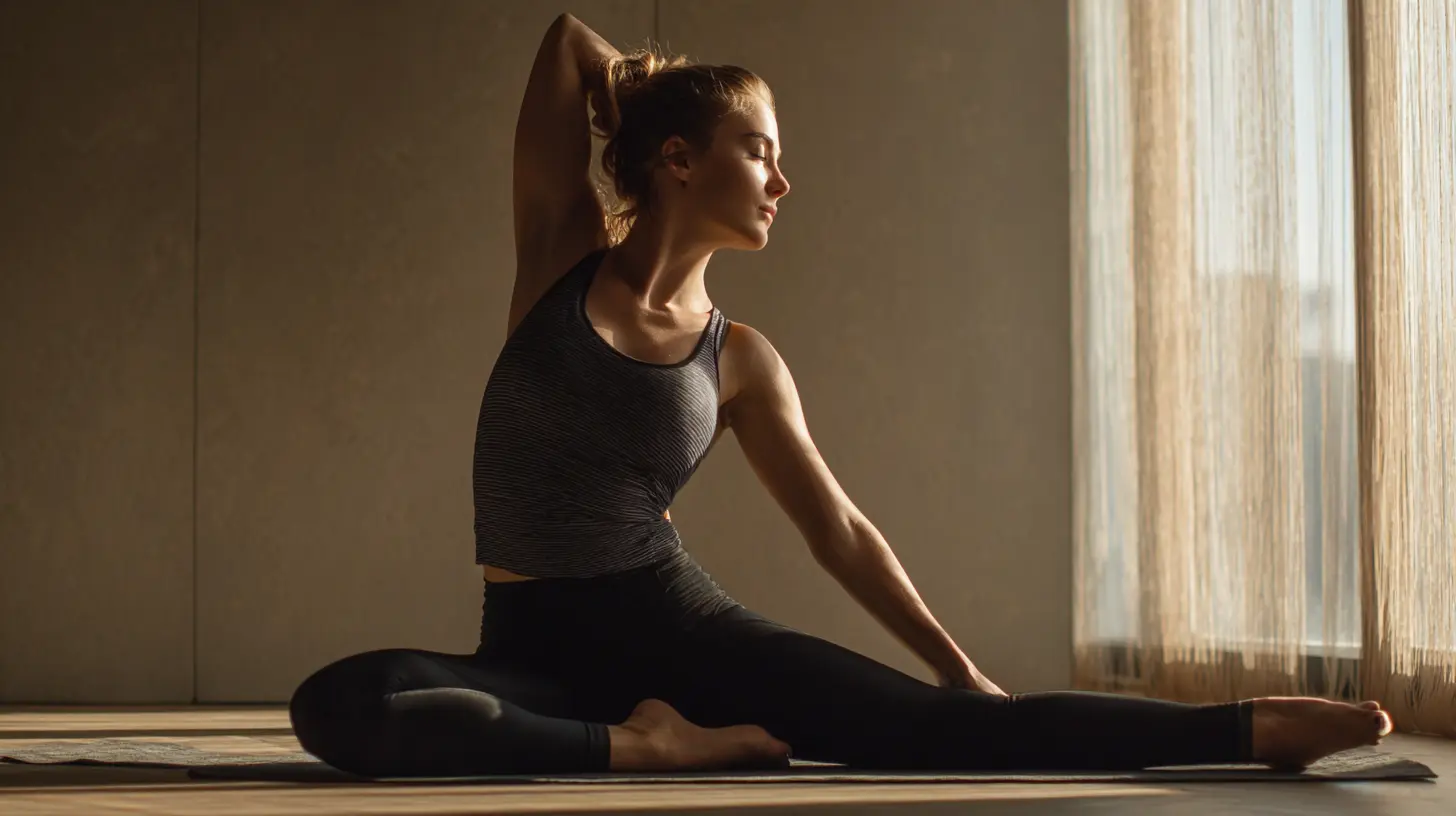
The Foundational Five: Techniques for Your 2026 Morning
These techniques blend ancient wisdom with modern kinesiology. They require no fancy equipment, just a bit of floor space and a commitment to showing up for yourself.1. Neurogenic Cascading Unwinds
This sounds fancy, but it’s beautifully simple. The goal here is to "talk" to your nervous system first, telling it gently that it’s safe to move and release tension. Instead of starting with a big muscle group, you begin with the extremities—your hands, feet, neck, and eyes.How to do it: Still lying in bed or seated on the floor, spend two minutes just articulating every joint in your hands and feet. Make slow, deliberate circles with your wrists and ankles. Gently flex and point your fingers and toes, as if you’re painting slow circles on the ceiling with them. Then, move to your neck with the slowest, most mindful half-circles imaginable—ear to shoulder, chin to chest. Finally, without moving your head, slowly trace the perimeter of the room with your eyes. This sequential, cascading movement sends a wave of neurological "all-clear" signals from your brain down through your body, reducing overall tension and preparing you for deeper movement. It’s like rebooting your body’s computer before opening any demanding programs.
2. Fascial Glide Sequences
Remember that sticky web of fascia? This technique is designed to hydrate and glide it. Think of it as applying an internal moisturizer. These are not stretches in the traditional sense, but gentle, rhythmic movements that create a shearing effect across the fascial lines.How to do it: A classic example is the Cat-Cow with a Spinal Wave. Don’t just jerk between the two positions. On all fours, as you move into Cow pose, imagine you are pouring a bucket of warm water down your spine, letting the arch initiate from your tailbone and ripple up, vertebra by vertebra, until it reaches your neck. Then, reversing into Cat, imagine you are spreading a cool cloth up your spine from tailbone to skull. The movement is fluid, wave-like, and continuous for 10-12 repetitions. You’re not stretching to a limit; you’re encouraging slide and glide. Another powerful one is a slow, controlled standing torso swirl, letting your arms wrap around you like a gentle hug as you rotate, feeling for any "sticky" spots in your mid-back.
3. Dynamic Mobility Flows
Now that your nervous system is online and your fascia is gliding, we can safely introduce more dynamic movement. This is where we build active range of motion and wake up the stabilizer muscles. These flows link movements together, building heat and circulation.How to do it: A simple Sun Salutation A from yoga, performed slowly and with intention, is a perfect template. The key for 2026 is the intention. In your forward fold, don’t just hang; actively engage your quads to protect your hamstrings. In your lunge, think about lengthening the front of your hip rather than just sinking down. Each movement flows into the next with your breath. No holds, just motion. Another great flow is a hip circle series: from a standing position, slowly circle one knee forward, up, out, and back down, as if drawing a large circle with your kneecap. This mobilizes the hip joint in all its planes of motion, which is crucial for everything from walking to preventing back pain.
4. Breath-Integrated PNF (Proprioceptive Neuromuscular Facilitation)
PNF has been around in physical therapy for decades, but by 2026, it’s become a mainstream, user-friendly morning tool. At its core, PNF uses a gentle contraction of a muscle to trigger its reflexive relaxation, allowing for a deeper, safer stretch. When married with specific breathing, it becomes incredibly powerful.How to do it (for hamstrings): Lie on your back with one leg extended up, a strap or towel around your foot. Gently pull the leg toward you until you feel a mild stretch. Now, inhale deeply, and as you exhale, gently push your leg against the strap as if trying to lower it (but don’t actually let it move). Hold this gentle, static push for 5-6 seconds. Then, on your next exhale, completely relax and using the strap, gently pull the leg a tiny bit further. The release is often profound. The principle is: gentle resistance, then surrender. You’re using your breath and a subtle muscle signal to convince your nervous system to allow more length. Apply this to your calves, chest, or hips.
5. The Two-Minute "Body Scan" Integration
This is the non-negotiable capstone. After moving, you must integrate. This technique comes straight from mindfulness practices and is the glue that holds the physical benefits together.How to do it: Simply lie flat on your back in Savasana (Corpse Pose). For two minutes, take a mental tour of your body. Start at your toes and work up. Don’t judge or try to change anything. Just notice. Do your feet feel different from when you started? Is there a sense of warmth or space in your joints? Does your breath move more freely into your ribs? This practice of mindful awareness solidifies the new neurological pathways you’ve just created. It tells your brain, "This is our new, more open baseline." Skipping this is like baking a cake and pulling it out of the oven before it sets.

Weaving It All Together: Your 2026 Morning Blueprint
You don’t need to do all of these for an hour. The revolution is in consistency and quality, not duration. Here’s what a humble, revolutionary 10-12 minute morning could look like:* Minute 0-2: Neurogenic Cascading Unwinds in bed. Hands, feet, neck, eyes.
* Minute 2-5: Fascial Glide Sequences on the floor. Cat-Cow waves and torso swirls.
* Minute 5-9: Dynamic Mobility Flows. 3-4 slow Sun Salutations or a hip circle series on each side.
* Minute 9-11: Breath-Integrated PNF. Pick one tight area (e.g., hamstrings, chest) and apply the contract-relax method for 2-3 reps per side.
* Minute 11-12: The Body Scan Integration. Lie still and listen.
The Mindset: The True Revolution
The techniques are the "how," but the mindset is the "why." The 2026 approach is built on two pillars:1. Curiosity Over Force: Approach your body each morning not with a checklist, but with curiosity. "What feels tight today? Where does my body want to move?" Some days your hips might crave circles; other days, your spine might want to wave. Listen.
2. Ritual Over Routine: A routine is something you check off. A ritual is something you savor. This morning practice is a gift to yourself, a sacred few minutes to reconnect before the world makes its demands. Light a candle, play soft music, or just enjoy the silence. Make it yours.
By embracing these evolving techniques, you’re not just stretching muscles. You are calibrating your entire system for the day ahead. You are improving posture, enhancing circulation, reducing injury risk, managing stress, and building a profound mind-body connection. You are, quite literally, revolutionizing your day from the moment it begins. So, why wait until 2026? The future of feeling good in the morning starts tomorrow, the moment you choose to move with intention.
all images in this post were generated using AI tools
Category:
Stretching TechniquesAuthor:

Laurie Barlow
Discussion
rate this article
2 comments
Davina Carr
Are these stretching techniques the key to unlocking untapped potential? As we embrace 2026, what secrets lie within our morning rituals? Discover the hidden powers of movement that could transform your day—and your life.
April 23, 2026 at 4:13 AM
Laurie Barlow
Absolutely! The right stretching techniques can set a positive tone for your day and unlock new levels of energy and flexibility. Embracing these practices can truly transform your morning rituals in 2026.
Maverick McGinnis
These stretching techniques might just turn your groggy dawn into a zen-like awakening. Who knew that the secret to a revolutionary morning was a simple stretch away?
April 22, 2026 at 2:48 AM
Laurie Barlow
I love that perspective! A good stretch can really set the tone for the day. It's amazing how something so simple can make such a difference.